
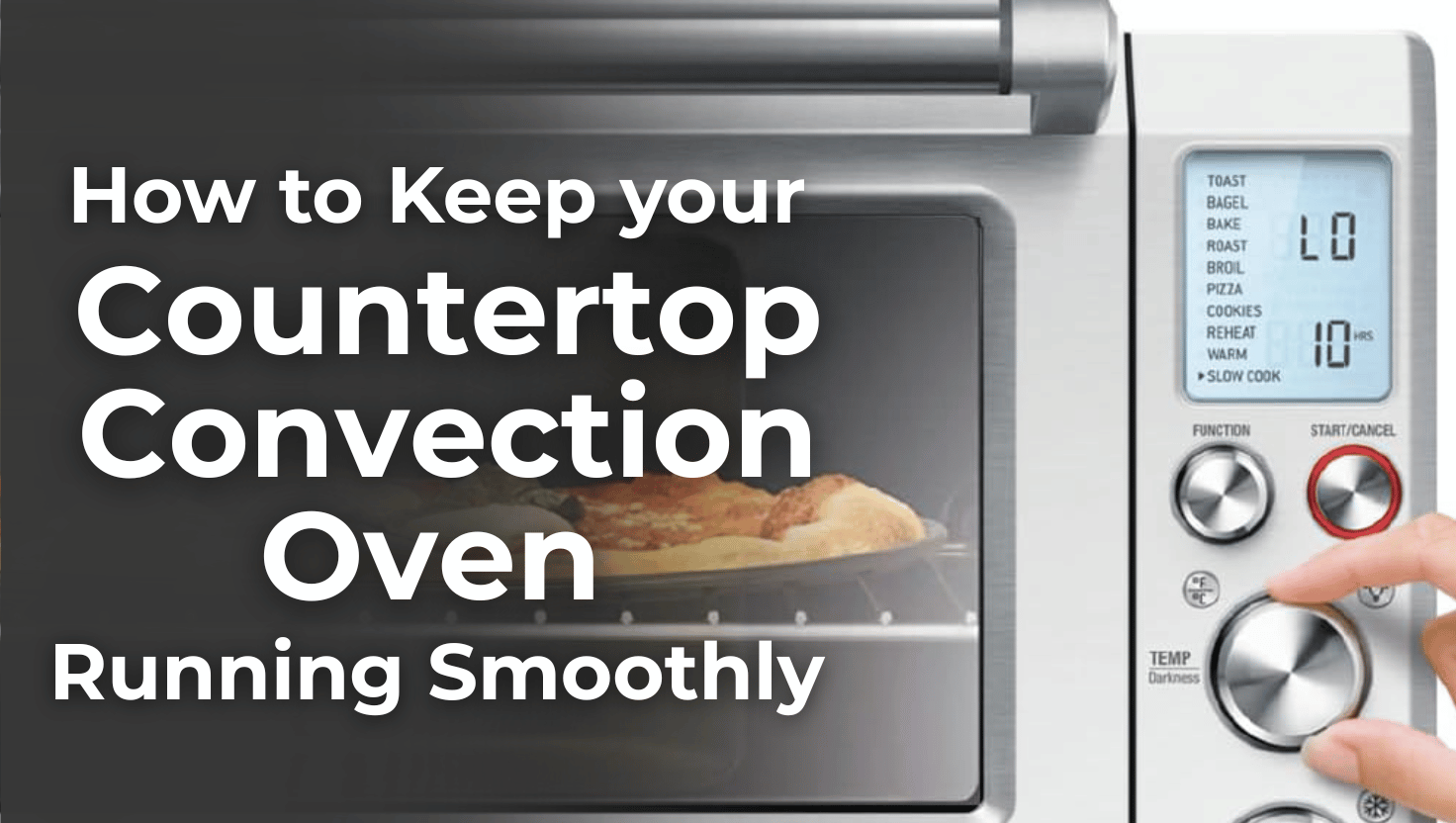
Are you ready to take your baking to the next level? Using a convection oven can make your cakes, cookies, and breads turn out perfectly golden and delicious every time.
But if you’re new to convection baking, it might feel a bit tricky at first. Don’t worry—this guide will give you simple, practical tips to help you use your convection oven like a pro. Keep reading, and you’ll soon discover how to bake faster, more evenly, and with better results than ever before.
Your kitchen creations are about to get a serious upgrade!

Credit: www.yuementrading.com
Benefits Of Convection Ovens
Convection ovens use fans to circulate hot air. This helps food cook more evenly and faster than regular ovens.
Using a convection oven can improve baking results. It offers benefits that make cooking easier and more efficient.
Faster Cooking Times
Convection ovens cook food faster by moving hot air around. This speeds up heat transfer and reduces cooking time.
- Save time on baking and roasting
- Cook multiple dishes at once without long waits
- Use lower temperatures while keeping food cooked well
Even Heat Distribution
The fan in a convection oven spreads heat evenly. This helps avoid hot spots and uneven cooking.
| Regular Oven | Convection Oven |
| Heat rises and stays mostly at the top | Hot air circulates around food evenly |
| Food may cook unevenly or need rotating | Consistent cooking without turning the food |
| Some parts may burn while others are undercooked | Better browning and crisping on all sides |
Choosing The Right Bakeware
Using the right bakeware helps you get the best results from your convection oven. The material, size, and shape affect how heat moves and how your food cooks.
This guide focuses on key points to consider when picking bakeware for baking with a convection oven.
Materials To Consider
Different materials conduct heat in unique ways. Some are better for even baking, while others might brown food faster. Choosing the right material helps control your baking results.
- Metal:Aluminum and stainless steel heat quickly and cook evenly. They are great for cookies and breads.
- Glass:Glass heats slower but keeps heat longer. It is good for casseroles and pies.
- Ceramic:Ceramic distributes heat slowly and is best for slow baking and even cooking.
- Silicone:Silicone is flexible and non-stick. It is good for muffins and cakes but may not brown well.
Size And Shape Impacts
Size and shape change how air flows and how heat spreads in the oven. Picking the right size and shape can improve baking quality and time.
| Shape | Effect on Baking | Best For |
|---|---|---|
| Round | Allows even heat flow around food | Cakes, bread, pies |
| Square or Rectangular | Holds more volume, good for layering | Lasagna, brownies, casseroles |
| Shallow | Faster baking and crispier edges | Cookies, thin crusts |
| Deep | Slower baking, retains moisture | Loaves, deep-dish pies |
Temperature Adjustments
Using a convection oven needs different temperature settings than a regular oven. The fan in a convection oven moves hot air around. This helps food cook faster and more evenly.
Adjusting the temperature is important to avoid burning or drying out your baked goods. This guide helps you set the right temperature for baking.
Lowering Temperature Settings
Convection ovens cook food quicker because of the fan. Lower the baking temperature by 25°F (about 15°C) from the recipe’s original setting.
This helps prevent burning the outside while keeping the inside cooked properly. Check your recipe and reduce the heat before baking.
- Set oven temperature 25°F lower than usual
- Use the convection mode on your oven
- Watch food closely for faster cooking times
Monitoring Internal Temperature
Check the inside temperature of baked goods to know when they are done. Use a food thermometer to get an accurate reading.
Internal temperature helps avoid overcooking or undercooking. Insert the thermometer in the thickest part of the food without touching pans or bones.
- Use a digital or instant-read thermometer
- Insert in the center of cakes, bread, or meat
- Check temperature a few minutes before expected time
- Remove food when it reaches the recommended temperature
Rack Positioning
Using the right rack position in your convection oven is important for even baking. It helps your food cook well and look great.
Different recipes need different rack placements. Knowing where to place the racks can improve your baking results.
Optimal Rack Placement
Place the rack in the center for most baking tasks. This allows hot air to flow evenly around the food.
- Use the middle rack for cookies and cakes.
- Place the rack lower for bread to get a better crust.
- Use the top rack for browning the top of dishes.
Multi-rack Baking Tips
When baking on multiple racks, air must circulate freely. This helps all trays cook evenly without burning.
| Tip | Details |
| Use Even Spacing | Keep racks at least 2 inches apart for airflow. |
| Rotate Trays | Switch tray positions halfway through baking. |
| Avoid Overcrowding | Do not block vents or crowd trays together. |
Baking Techniques
Using a convection oven changes how heat moves around your food. It helps bake items more evenly and faster than a regular oven.
Learning how to use convection baking can improve your results. These tips focus on pastries, bread, and cakes.
Using Convection For Pastries
Convection ovens help pastries get crisp and golden. The hot air removes moisture quickly, making crusts flakier.
Lower the oven temperature by 25°F to prevent burning. Watch pastries closely to avoid over-browning.
- Use shiny baking sheets to reflect heat
- Place pastries in the middle rack for even air flow
- Avoid overcrowding trays to keep air moving
Bread And Cake Baking Tips
Bread bakes faster with convection heat. The crust becomes crisp while the inside stays soft and moist.
For cakes, reduce baking temperature and time slightly. This stops the outside from drying before the center cooks.
- Use light-colored pans for cakes to prevent dark edges
- Check bread early to avoid overbaking
- Use a thermometer to check bread’s internal temperature

Credit: www.convectionkitchen.com
Troubleshooting Common Issues
Using a convection oven for baking can be great. It cooks food faster and more evenly. Sometimes, problems can happen. This guide helps you fix two common baking problems.
Read these tips to improve your baking results. They focus on uneven baking and over-browning. Try these simple fixes to get better results.
Dealing With Uneven Baking
Uneven baking happens when some parts of your food cook faster than others. It can be caused by rack placement, oven temperature, or pan type.
- Place your baking tray in the center of the oven.
- Use metal pans instead of glass or ceramic.
- Do not overcrowd the oven; leave space between pans.
- Check the oven temperature with an oven thermometer.
- Rotate pans halfway through baking to cook evenly.
Preventing Over-browning
Over-browning can make your baked goods dry or burnt on the outside. It often happens if the oven is too hot or the baking time is too long.
| Cause | Solution |
| Oven temperature too high | Lower the temperature by 25°F (about 15°C) |
| Baking too long | Check doneness 5 minutes before time ends |
| Placing food too close to heating element | Move rack to a lower or middle position |
| Dark-colored pans | Use light-colored or shiny pans to reflect heat |
Maintenance And Cleaning
Keeping your convection oven clean helps it work well. Dirt and grease can cause problems.
Regular care can save you money and time on repairs later. It also makes your oven safer.
Regular Cleaning Tips
Clean the oven after each use to stop build-up. Use warm water and mild soap for the inside.
Avoid harsh chemicals that can damage the oven’s surfaces. Wipe spills quickly to avoid stains.
- Remove racks and wash them separately
- Use a soft cloth or sponge for cleaning
- Clean the oven door glass gently
- Check and clean the fan area carefully
- Dry all parts before using the oven again
Ensuring Longevity
Regular maintenance helps your convection oven last longer. Check parts often for wear and tear.
Keep vents clear to avoid overheating. Follow the user manual for any special care instructions.
- Inspect door seals for cracks or damage
- Clean vents and fans to keep airflow smooth
- Replace worn or broken parts quickly
- Run the oven empty at low heat to burn off residue
- Schedule professional service if needed

Credit: insights.made-in-china.com
Frequently Asked Questions
What Temperature Is Best For Convection Oven Baking?
Use a temperature 25°F lower than conventional oven settings. Convection ovens circulate hot air, cooking food faster and evenly. This adjustment prevents overbaking and ensures perfect results every time.
Can I Use The Same Baking Time In Convection Ovens?
Reduce baking time by 25% when using a convection oven. The circulating air speeds up cooking, so start checking for doneness earlier. This helps avoid overcooking and preserves texture and flavor.
How Do I Position Racks In A Convection Oven?
Place racks in the middle for even air circulation. Avoid overcrowding to let hot air flow freely around the food. Proper rack placement ensures uniform baking and browning.
Are All Baked Goods Suitable For Convection Ovens?
Convection works best for cookies, pies, and roasted vegetables. Delicate items like soufflés or cakes may dry out or bake unevenly. Adjust recipes or use conventional settings for sensitive baked goods.
Conclusion
Using a convection oven can make baking faster and more even. Adjust temperatures and baking times for best results. Keep an eye on your food to avoid overcooking. Place trays carefully to let hot air circulate well. Practice helps you understand how your oven works.
Baking with a convection oven can be fun and rewarding. Try different recipes to see what suits you best. Enjoy the crisp, golden results that this oven creates.