
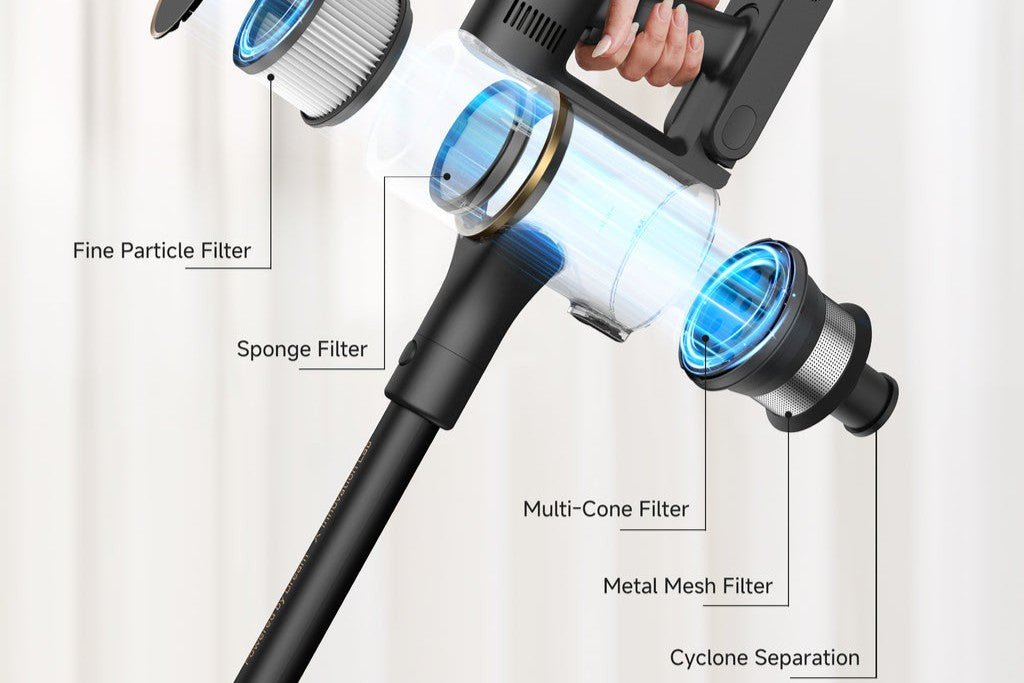
Your vacuum filter works hard to keep your home clean, but if it’s clogged or dirty, your vacuum’s performance drops fast. You might notice less suction, strange smells, or even dust escaping back into the air.
Don’t let a neglected filter ruin your cleaning routine. You’ll discover simple, effective steps to maintain your vacuum filter so your machine runs like new every time. Keep reading to find out how easy it is to boost your vacuum’s power and protect your indoor air quality.
Importance Of Vacuum Filter Maintenance
Vacuum filters play a key role in many machines and systems. They keep dust and dirt from entering vital parts. Regular care of vacuum filters helps machines work better and last longer.
Ignoring vacuum filter maintenance can cause problems. Filters can get clogged, lowering machine performance. Cleaning and replacing filters on time saves money and avoids damage.
Preventing Machine Damage
A clogged vacuum filter makes machines work harder. This extra stress can lead to parts breaking or wearing out fast. Clean filters help keep machines safe and running smoothly.
Improving Air Quality
Vacuum filters trap dirt and dust from the air. Clean filters help keep the air cleaner and healthier. This is important for people who work near machines or use them at home.
Saving Energy And Costs
Dirty filters make machines use more energy. This raises electric bills and causes more wear. Clean filters let machines work with less power, saving energy and money.
- Check filters regularly for dirt and damage
- Clean filters according to the machine’s guide
- Replace filters if cleaning does not help
- Use correct filter types for your machine
- Keep spare filters on hand for quick swaps
| Symptom | Cause | Action |
| Reduced suction power | Clogged filter | Clean or replace filter |
| Machine overheating | Blocked airflow | Inspect filter and vents |
| Unusual noise | Strain on motor | Check filter condition |
| Higher electricity use | Extra effort from machine | Maintain filters regularly |

Credit: www.dreametech.com
Signs Your Vacuum Filter Needs Attention
Your vacuum filter plays a key role in keeping your vacuum working well. It traps dust and dirt, stopping them from going back into the air.
Over time, filters get dirty and clogged. This can cause problems. Watch for these signs to know when your vacuum filter needs care.
Reduced Suction Power
If your vacuum is not picking up dirt like before, the filter might be blocked. A clogged filter stops air from flowing freely.
- Vacuum feels weaker than usual
- It takes longer to clean the same area
- Dust remains on floors or carpets
Unpleasant Odors
A dirty filter can cause bad smells. Dust and debris trapped in the filter start to smell over time.
Tip:Clean or replace the filter if you notice a musty or burnt smell. This keeps your vacuum fresh and safe to use.
Visible Dirt In Filter
Look inside the filter area regularly. If you see dust, hair, or dirt buildup, it needs cleaning.
| Filter Condition | Action Needed |
| Light dust | Shake or gently tap filter |
| Heavy dirt or debris | Wash or replace filter |
| Filter damaged or torn | Replace immediately |
Types Of Vacuum Filters
Vacuum filters keep dust and dirt from reaching the motor. They help keep the vacuum clean and working well.
Different vacuum filters work in different ways. Knowing the types helps you choose and maintain them better.
Hepa Filters
HEPA filters trap very small particles like dust and pollen. They are good for people with allergies.
These filters need gentle cleaning. Wash them only if the manufacturer says it is safe. Replace them when clogged.
- Trap 99.97% of particles
- Good for allergy sufferers
- Clean carefully or replace
Foam Filters
Foam filters catch large dust and dirt particles. They are soft and washable.
Rinse foam filters with water and let them dry before using again. Replace them if torn or very dirty.
- Washable and reusable
- Good for large particles
- Dry fully before reuse
Cartridge Filters
Cartridge filters have many layers to trap dust. They fit tightly inside the vacuum.
Tap cartridge filters gently to remove dust. Replace them when they lose shape or get clogged.
- Multi-layered for better filtration
- Tap gently to clean
- Replace if damaged or dirty
Step-by-step Cleaning Guide
Keeping your vacuum filter clean is important for good suction and air quality. Regular maintenance helps your vacuum work better and last longer.
This guide will show you simple steps to clean your vacuum filter safely and effectively.
Gather Necessary Tools
Before you start, gather all the tools you will need. This makes cleaning easier and faster.
- A soft brush or old toothbrush
- Clean water (lukewarm)
- A mild detergent or soap (optional)
- A clean cloth or towel
- A dry, well-ventilated space
Remove The Filter
Turn off and unplug the vacuum before removing the filter. Check your vacuum manual for filter location.
Gently take out the filter without shaking or damaging it. Handle it with care to avoid tears or holes.
Rinse And Wash
Use lukewarm water to rinse the filter. Avoid hot water to prevent damage.
| Cleaning Method | Instructions |
|---|---|
| Rinsing | Hold the filter under running water until clear water flows out. |
| Washing | Use mild detergent and brush gently if filter is very dirty. |
| Rinsing again | Rinse thoroughly to remove all soap or detergent. |
Dry The Filter
Shake off excess water gently. Do not wring or twist the filter.
Place the filter on a clean towel in a dry, airy place. Let it dry fully before putting it back.
- Drying time may take 24 hours or more
- Do not use a hair dryer or direct heat
- Ensure the filter is completely dry to avoid mold
Frequency Of Filter Maintenance
Maintaining your vacuum filter is important to keep your vacuum working well. Cleaning the filter often helps the vacuum pick up dirt better.
How often you clean the filter depends on how you use the vacuum. Some filters need daily care. Others need less frequent attention.
Daily Use
If you use your vacuum every day, clean the filter often. This stops dirt from building up and keeps the vacuum strong.
Check the filter after each use. Shake or tap off dust. Rinse if the filter is washable and dry it completely before using again.
- Inspect filter daily for dust or debris
- Remove loose dirt by tapping or shaking
- Wash washable filters every few days
- Allow filter to dry fully before reuse
Weekly Use
For weekly vacuum users, clean the filter at least once a week. This keeps the vacuum working well and extends filter life.
Remove the filter and tap out dust. Wash it if possible. Let the filter dry before putting it back in the vacuum.
- Remove filter weekly
- Tap or brush off dirt
- Wash if filter type allows
- Dry filter completely before use
Occasional Use
If you use your vacuum only sometimes, clean the filter after every few uses. This stops dust from clogging the filter.
Check the filter for dirt before each use. Clean it by tapping or washing when needed. Keep it dry for best results.
- Inspect filter before each use
- Clean if dust or dirt is visible
- Wash washable filters occasionally
- Ensure filter is dry before vacuuming
Common Mistakes To Avoid
Maintaining a vacuum filter properly helps keep your vacuum working well. Many people make simple mistakes that reduce filter life. Avoiding these errors saves time and money.
Below are common mistakes to avoid when cleaning and caring for vacuum filters. Follow these tips for better results.
Using Harsh Detergents
Using strong chemicals or harsh detergents can damage your vacuum filter. These cleaners may weaken the filter material and reduce its efficiency.
- Do not use bleach or ammonia-based cleaners.
- Choose mild soap or detergent instead.
- Rinse the filter well to remove all soap.
- Use only water and gentle cleaning agents.
Not Allowing Full Drying
After cleaning, many users put the filter back while it is still wet. This can cause mold growth and poor suction. Always let the filter dry completely before reusing.
Follow these tips for drying your vacuum filter:
- Air dry in a warm, dry place.
- Do not use direct heat like a hair dryer.
- Wait at least 24 hours before reinstalling.
- Make sure the filter feels dry to the touch.
Ignoring Filter Replacement
Filters wear out over time. Ignoring replacement can harm your vacuum’s performance. Clean filters do not last forever.
| Filter Type | Recommended Replacement Time | Signs to Replace |
|---|---|---|
| Foam Filter | Every 3-6 months | Rips, tears, or poor cleaning |
| HEPA Filter | Every 6-12 months | Bad smell or reduced suction |
| Carbon Filter | Every 3 months | Decreased odor control |
Benefits Of Regular Maintenance
Keeping your vacuum filter clean is very important. Regular care helps your vacuum work better and last longer.
Cleaning the filter often improves air quality and makes your home cleaner. Let’s look at why this is important.
Prolonged Vacuum Lifespan
Regular filter cleaning stops dust from building up inside your vacuum. This prevents damage to the motor and parts.
A clean filter lowers stress on the vacuum. This helps it last many years without breaking down.
- Prevents motor overheating
- Reduces wear on parts
- Keeps suction power strong
Improved Air Quality
A dirty filter lets dust and allergens escape back into the air. This can cause breathing problems.
Cleaning or changing the filter helps trap dust, pet hair, and pollen. This makes the air in your home cleaner and fresher.
- Reduces allergens
- Limits dust in the air
- Helps people with asthma
Enhanced Cleaning Efficiency
A clean filter keeps your vacuum’s suction strong. This helps it pick up more dirt and dust from floors.
When the filter is clogged, the vacuum works harder but cleans less. A clean filter saves time and effort.
- Stronger suction power
- Faster cleaning
- Better dirt removal

Credit: www.dreametech.com
When To Replace Your Vacuum Filter
Vacuum filters help keep your vacuum working well. They catch dust and dirt from the air.
Knowing when to change the filter keeps your vacuum clean and strong. It also protects your health.
Manufacturer Recommendations
Check the vacuum’s manual for filter change advice. Each brand has its own rules.
Some filters need changing every 3 to 6 months. Others last longer if cleaned well.
- Follow the time frame given by the maker
- Use the right filter type for your vacuum
- Replace filters after heavy use or pet hair cleaning
Signs Of Wear And Tear
Look at your filter often. Change it if you see damage or dirt buildup.
A worn filter can cause bad smells or less suction. It may let dust escape into the air.
- Filter looks torn or broken
- Filter is very dirty and can’t be cleaned
- Vacuum suction feels weaker than usual
- Dust escapes from the vacuum during use
- Filter has a bad or musty smell
Eco-friendly Disposal Options
Proper disposal of vacuum filters helps protect the environment. Many filters contain materials that can harm nature if thrown away carelessly. Choosing eco-friendly methods reduces waste and pollution.
Recycling and safe disposal methods keep harmful substances out of landfills. This guide explains ways to dispose of vacuum filters responsibly.
Recycling Vacuum Filters
Many vacuum filters include plastic, metal, and paper parts. These parts can often be recycled separately. Check local recycling rules to see if your filter qualifies.
- Remove the filter from the vacuum carefully.
- Separate metal or plastic components if possible.
- Place recyclable parts in the correct recycling bin.
- Dispose of non-recyclable parts according to local guidelines.
Using Biodegradable Filters
Some vacuum filters are made from biodegradable materials. These filters break down naturally after disposal. They reduce long-term waste in landfills.
Biodegradable filters are a good choice if you want to reduce your environmental impact. Always confirm the filter’s composting instructions before disposing.
Hazardous Waste Disposal
Certain vacuum filters trap harmful dust or chemicals. These filters need special disposal to prevent health risks. Never throw these filters in regular trash or recycling bins.
| Type of Filter | Disposal Method |
| HEPA Filters | Take to hazardous waste facility |
| Filters with Chemical Residue | Follow local hazardous waste rules |
| Standard Disposable Filters | Recycle or compost if possible |
Community Collection Programs
Many communities offer collection events for special waste items. These programs accept used vacuum filters and other household waste. They make safe disposal easy and free.
- Find local waste collection dates online.
- Prepare your filters by sealing them in bags.
- Bring filters to the collection point on the scheduled day.
- Ask staff about proper disposal options for your filters.

Credit: www.dreametech.com
Frequently Asked Questions
How Often Should I Clean My Vacuum Filter?
You should clean your vacuum filter every 1 to 3 months. Frequent cleaning ensures optimal suction and extends filter life. Check your vacuum’s manual for specific instructions. Regular maintenance keeps your vacuum running efficiently and reduces dust allergies.
Can Vacuum Filters Be Washed With Water?
Many vacuum filters can be rinsed with water, but check the manual first. Avoid soap unless specified. Let the filter dry completely before reinserting to prevent mold and damage. Using water properly helps maintain filter efficiency and prolongs vacuum life.
What Happens If I Don’t Maintain The Vacuum Filter?
Neglecting filter maintenance reduces suction power and cleaning effectiveness. It can cause motor strain and overheating. Dust and allergens may circulate back into your home. Regular filter care is essential for vacuum performance and indoor air quality.
How Do I Know When To Replace My Vacuum Filter?
Replace your vacuum filter if it’s torn, permanently clogged, or after 6-12 months of use. Reduced suction and visible damage are key signs. Using a damaged filter can harm your vacuum and reduce cleaning efficiency.
Conclusion
Maintaining your vacuum filter keeps your cleaner working well. Clean the filter regularly to stop dust from building up. Check the filter for damage and replace it when needed. A clean filter helps your vacuum pick up dirt better. This simple step saves money and extends your vacuum’s life.
Small care makes a big difference in performance. Keep your home cleaner and your vacuum happy. Easy habits bring great results.