
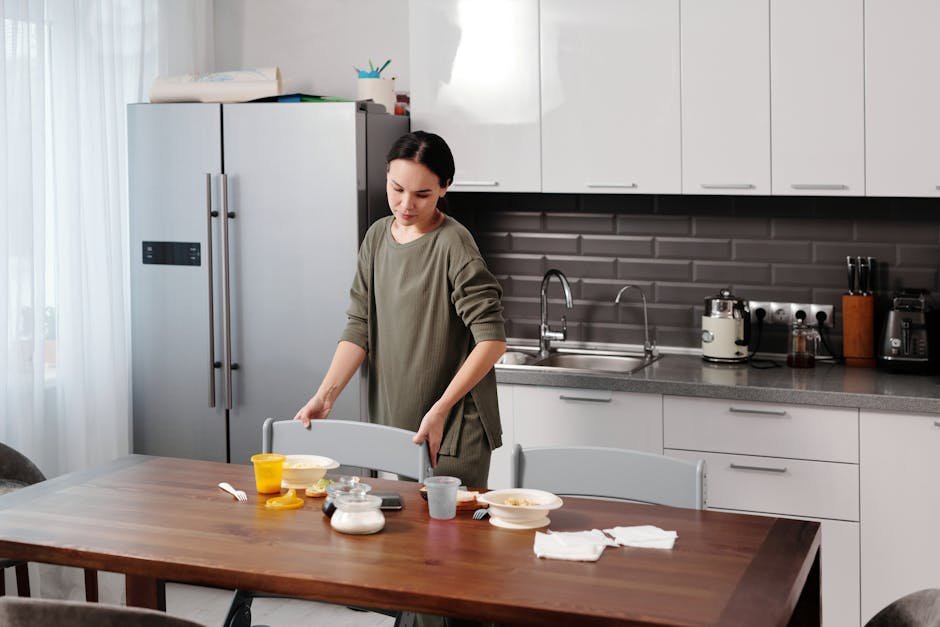
Are your kitchen cabinets looking dull or sticky? Cleaning them might feel like a big chore, but it doesn’t have to be.
With the right tips, you can make your cabinets shine quickly and easily. Imagine opening your cabinets to find them fresh, spotless, and smelling great every time. You’ll discover simple, effective ways to clean your kitchen cabinets without wasting time or effort.
Ready to transform your kitchen? Let’s dive in!
Choosing The Right Cleaning Supplies
Cleaning kitchen cabinets well starts with picking the right supplies. The right tools and cleaners make the job easier and protect your cabinets.
This guide helps you choose safe and effective supplies for different cabinet types and stains.
Types Of Cleaning Agents
There are many cleaning agents. Some remove grease, others remove dust or stains. Choose one that fits your cabinet material and dirt type.
- Mild soap and water for regular cleaning
- Vinegar solution for grease removal
- Baking soda paste for tough stains
- Wood cleaner for wooden cabinets
- Glass cleaner for cabinet doors with glass
Tools That Help Cleaning
Use soft cloths and brushes to avoid scratches. Avoid rough sponges or steel wool.
| Tool | Use |
| Microfiber cloth | Wipes dust and dirt gently |
| Soft-bristle brush | Reaches corners and crevices |
| Sponge | Applies cleaning agents softly |
| Spray bottle | Distributes liquid cleaners evenly |
Safety Tips For Cleaning Supplies
Choose non-toxic cleaners to keep your kitchen safe. Read labels for warnings and instructions.
Important Safety Tips:
- Wear gloves to protect your hands
- Keep cleaning products away from children
- Do not mix different chemicals
- Test cleaners on a small area first
Preparing Cabinets For Cleaning
Cleaning kitchen cabinets starts with good preparation. Proper steps help protect your cabinets and make cleaning easier.
Taking time to prepare your cabinets ensures a smooth and effective cleaning process.
Empty The Cabinets
Remove all items from inside your cabinets. This prevents damage and gives full access to surfaces.
Emptying cabinets also allows you to check for expired or unused items.
Dust And Sweep Loose Dirt
Use a soft cloth or vacuum to remove dust and crumbs. This stops dirt from spreading during cleaning.
Cleaning loose dirt first protects your cabinet finish from scratches.
Gather Cleaning Supplies
Prepare all cleaning tools before you start. Common supplies include microfiber cloths, gentle cleaners, and warm water.
- Microfiber cloths for wiping surfaces
- Mild dish soap or wood cleaner
- Warm water in a bucket
- Soft brushes for corners
- Old towels for drying
Protect Surrounding Areas
Cover your countertops and floors to avoid water damage. Use old towels or plastic sheets to catch drips.
Protecting nearby surfaces keeps your kitchen clean and safe during cabinet cleaning.
Check Cabinet Material
Know the material of your cabinets before cleaning. Different materials need different cleaning methods.
- Wood cabinets require gentle cleaners
- Laminate cabinets can handle mild soap
- Painted cabinets need soft cloths only
Removing Surface Dust And Debris
Cleaning kitchen cabinets starts with removing dust and loose debris. This step keeps your cabinets looking fresh and prevents dirt buildup.
Using the right tools and methods helps clean efficiently without damaging the cabinet surfaces.
Use A Soft Cloth Or Microfiber Duster
A soft cloth or microfiber duster picks up dust gently. Avoid rough materials that can scratch the cabinet finish.
Vacuum With Brush Attachment
The vacuum’s brush attachment removes dust from corners and crevices. This method is quick and prevents dust from spreading in the air.
Wipe With Mild Cleaning Solution
Use a mild soap and water mix to wipe surfaces. This removes sticky dirt and small debris that dusting can miss.
- Mix warm water with a few drops of mild dish soap
- Dampen a soft cloth, not soaking wet
- Wipe the cabinet surfaces gently
- Dry with a clean, dry cloth to avoid water damage
Avoid Excess Water And Harsh Chemicals
Too much water can damage wood cabinets. Harsh chemicals can strip finishes and cause discoloration.
| Cleaning Tool | Best Use | Notes |
|---|---|---|
| Microfiber Cloth | Dust removal | Gentle on surfaces |
| Vacuum Brush | Corners and crevices | Prevents dust spread |
| Mild Soap Solution | Sticky dirt | Use sparingly |
| Avoid | Excess water, harsh chemicals | Can damage cabinets |
Tackling Grease And Grime
Kitchen cabinets often collect grease and grime from cooking. Cleaning them properly keeps your kitchen fresh and neat.
Using the right tools and cleaners makes the job easier. Let’s explore some tips to clean efficiently.
Gather The Right Cleaning Supplies
Start by collecting materials that help break down grease without damaging surfaces.
- Mild dish soap
- Warm water
- Baking soda
- White vinegar
- Soft cloths or sponges
- Old toothbrush
- Spray bottle
Prepare A Cleaning Solution
Mixing natural ingredients creates an effective cleaner for grease.
- Fill a spray bottle with warm water.
- Add one tablespoon of dish soap.
- Add one tablespoon of white vinegar.
- Shake gently to mix.
Clean Cabinets In Sections
Work on small areas at a time to avoid drying cleaner on the surface.
| Step | Action | Tip |
| 1 | Spray the cleaning solution on the cabinet surface | Do not soak; use a light mist |
| 2 | Wipe with a soft cloth in circular motions | Focus on greasy spots |
| 3 | Use an old toothbrush for corners and edges | Be gentle to avoid scratches |
| 4 | Rinse the cloth with clean water and wipe again | Remove any soap residue |
| 5 | Dry with a clean towel | Prevent water spots and damage |
Remove Stubborn Grease With Baking Soda
Baking soda acts as a mild abrasive that helps lift tough grime safely.
- Make a paste with baking soda and water.
- Apply it to greasy areas.
- Let it sit for 10 minutes.
- Gently scrub with a sponge or cloth.
- Rinse and dry the surface well.
Cleaning Cabinet Interiors
Cleaning the inside of your kitchen cabinets keeps them fresh and lasts longer. It removes dust, crumbs, and stains that build up over time.
Regular cleaning helps prevent pests and keeps your kitchen healthy. Use simple tools and safe cleaners to get the best results.
Empty Cabinets Before Cleaning
Take everything out of your cabinets before you start cleaning. This makes it easier to clean every corner and shelf.
Check for expired food or items you no longer need. Throw away or donate these to free up space.
Use Gentle Cleaners
Choose mild soap and warm water for cleaning cabinet interiors. Harsh chemicals can damage the wood or paint.
Mix a few drops of dish soap with water in a bucket. Use a soft cloth or sponge to wipe the surfaces.
Clean Shelves And Walls Thoroughly
Remove shelves if possible to clean them better. Wipe the cabinet walls and ceiling carefully.
- Use a soft brush for corners and crevices
- Dry all surfaces with a clean cloth
- Avoid soaking wood to prevent warping
Remove Stains And Grease Buildup
Use baking soda paste to clean tough stains or grease inside cabinets. It is safe and effective for most surfaces.
Apply the paste with a cloth, then scrub gently. Wipe clean with a damp cloth afterward.
Dry Cabinets Completely
Make sure all cabinet interiors are dry before putting items back. Moisture can cause mold and damage the wood.
Leave cabinet doors open for a while to air dry. Use a dry cloth to remove any remaining damp spots.
Organize Items Before Returning
Sort items by category before placing them back inside. This helps keep your cabinets neat and easy to use.
- Group similar items together
- Use bins or trays to hold small objects
- Place frequently used items at eye level
Using Natural Cleaning Solutions
Cleaning kitchen cabinets can be simple and safe with natural solutions. These options avoid harsh chemicals and protect your cabinet surfaces.
Natural cleaners are easy to make at home. They keep your kitchen fresh without strong smells or toxins.
Use Vinegar And Water Mixture
Vinegar is a great natural cleaner. Mix equal parts of vinegar and water in a spray bottle for an effective solution.
This mix cleans dirt and grease well. Spray it on cabinets, then wipe with a soft cloth to avoid damage.
Make A Baking Soda Paste
Baking soda gently removes stains and grime. Mix it with water to form a paste for tough spots on cabinets.
Apply the paste on dirty areas and let it sit for a few minutes. Then scrub softly and rinse with a damp cloth.
Try Lemon Juice For Shine
Lemon juice cleans and adds shine to wooden cabinets. Use fresh lemon juice mixed with water for best results.
Apply the mixture with a cloth and wipe the surface. Lemon also helps remove odors from your kitchen.
Use Olive Oil To Polish
Olive oil can polish and protect wooden cabinets. After cleaning, rub a small amount on the surface with a soft cloth.
This adds shine and helps keep wood from drying out. Use sparingly to avoid sticky residue.
Add Essential Oils For Freshness
Essential oils can freshen natural cleaning solutions. Add a few drops to vinegar or water mixtures for a nice scent.
Choose oils like lavender or tea tree for their cleaning benefits and pleasant smell.
Polishing And Protecting Cabinet Surfaces
Keeping kitchen cabinets clean helps maintain their look and lasts longer. Polishing and protecting the surfaces is key to this care.
Use the right products and methods to keep your cabinets shiny and safe from damage. This guide shows easy tips to do it well.
Select The Right Polish
Choose a polish made for your cabinet material. Wood, laminate, and painted surfaces need different care.
Test the polish on a small hidden area first. This prevents damage or color change on visible parts.
Clean Cabinets Before Polishing
Remove dust and grease with a gentle cleaner. Dirt can scratch the surface when you polish.
Use a soft cloth or sponge to avoid harming the cabinet finish during cleaning.
Apply Polish Evenly
Use a soft cloth to spread polish in small sections. Rub gently in the direction of the grain for wood.
Avoid using too much polish. A thin, even layer works best for shine and protection.
Protect Cabinets From Moisture
Use a sealant or wax made for your cabinet type. This helps stop water damage and stains.
Check cabinets regularly for peeling or cracking. Reapply protective layers as needed to keep them safe.
Polish Cabinets Regularly
Set a schedule to polish your cabinets every few months. This keeps surfaces smooth and shiny over time.
- Regular polishing reduces wear and tear
- It prevents buildup of dirt and grime
- Helps cabinets look new longer

Credit: www.duncanscreativekitchens.com
Maintaining Clean Cabinets
Keeping kitchen cabinets clean helps your kitchen look fresh. It also stops dirt and grease build up.
Regular care makes cleaning easier and protects your cabinets from damage.
Regular Cleaning Schedule
Set a cleaning routine to keep cabinets neat. Clean them weekly to remove dust and spills.
Use a soft cloth and mild cleaner. Avoid harsh chemicals that can harm the finish.
- Wipe cabinet doors and handles once a week
- Clean inside shelves monthly
- Check for stains or sticky spots during each cleaning
- Dry cabinets after cleaning to prevent water damage
Preventive Measures
Prevent dirt and damage by using simple habits. These help keep cabinets clean longer.
Avoid placing wet items near cabinets. Use liners inside shelves to catch spills.
- Use cabinet liners to protect surfaces
- Keep kitchen vents on to reduce moisture
- Clean spills immediately to stop stains
- Use handles and knobs to open cabinets, not the doors
- Avoid storing heavy items that can damage shelves
Dealing With Stubborn Stains
Cleaning kitchen cabinets can be tough when stains do not come off easily. Stubborn marks from grease, food, and dirt need special care. Using the right methods makes the job easier and keeps cabinets looking new.
This guide covers simple ways to remove tough stains without damaging cabinet surfaces. Follow these tips to clean efficiently and keep your kitchen fresh.
Identify The Type Of Stain
Knowing the stain type helps pick the best cleaning method. Common stains include grease, ink, water marks, and food spills. Each needs a different approach for removal.
Use The Right Cleaning Agents
Choose safe cleaners that do not harm cabinet finishes. Mild soap and water work well for many stains. For tougher marks, use vinegar or baking soda solutions carefully.
- Mix warm water with a few drops of dish soap for light stains.
- Apply white vinegar diluted with water for grease spots.
- Make a paste with baking soda and water for deep stains.
- Test cleaners on a small hidden area first.
Gentle Scrubbing Techniques
Use soft cloths or sponges to scrub stains gently. Avoid harsh brushes or scrapers that can scratch surfaces. Circular motions help lift stains without damage.
Treating Different Cabinet Materials
| Material | Best Cleaning Method | What to Avoid |
| Wood | Mild soap, damp cloth, dry immediately | Excess water, abrasive scrubbers |
| Laminate | Vinegar solution, soft sponge | Harsh chemicals, steel wool |
| Painted | Gentle soap, soft cloth | Strong solvents, rough brushes |
Preventing Future Stains
Keep cabinets clean by wiping spills quickly. Use cabinet liners and avoid placing wet items directly on surfaces.
- Clean cabinets weekly with a dry cloth.
- Apply a protective finish if possible.
- Store food and oils in sealed containers.
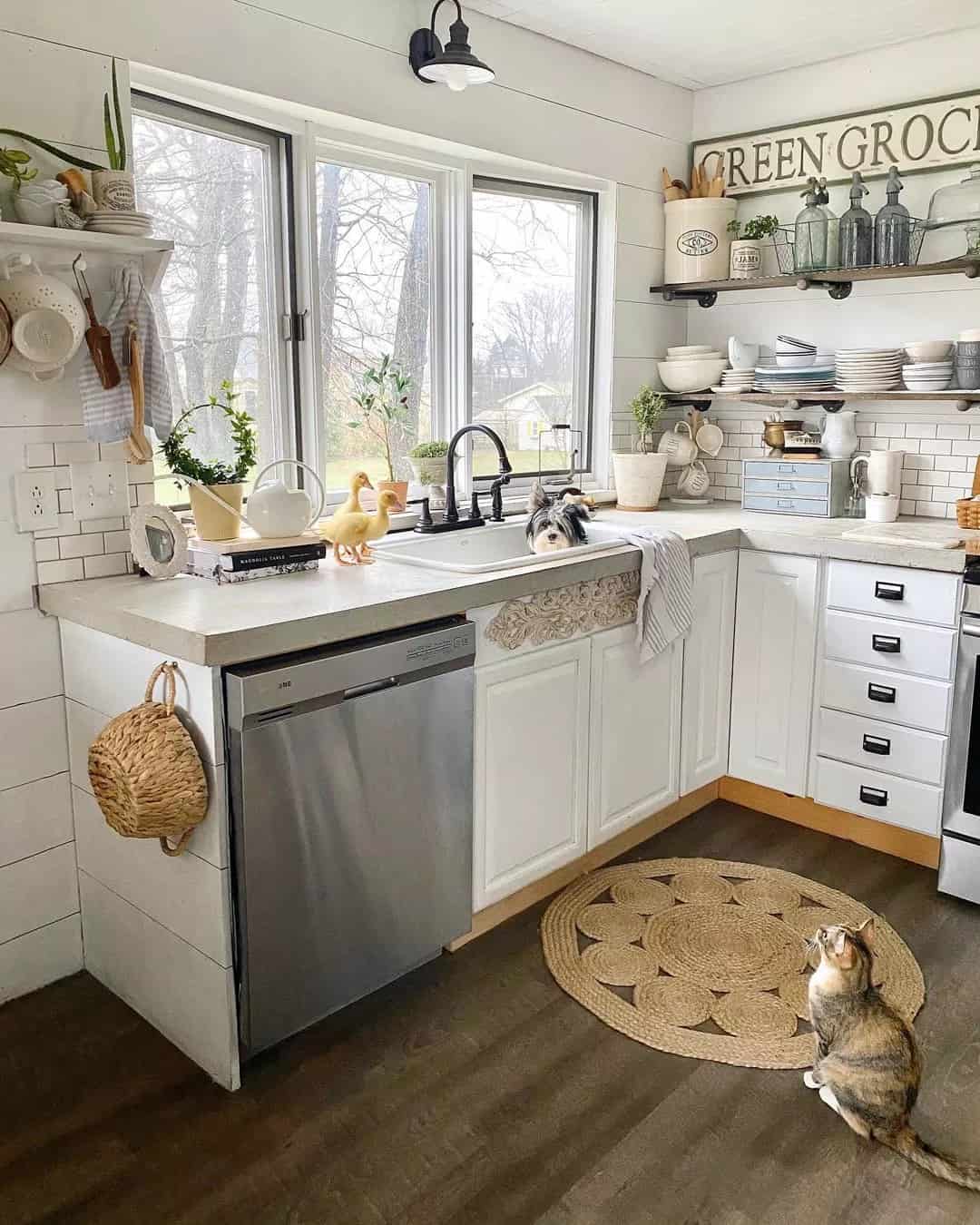
Credit: www.extraspace.com
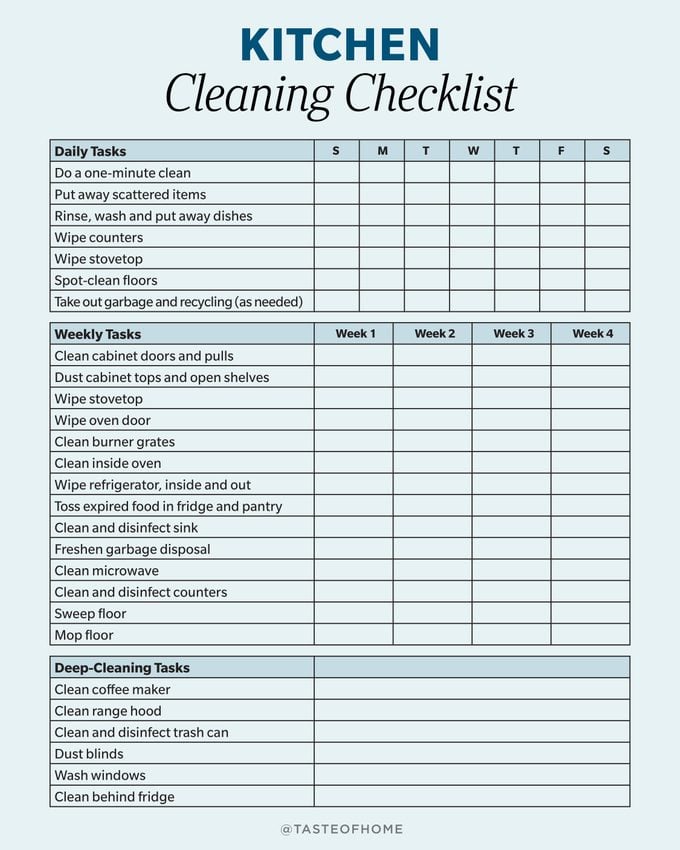
Credit: www.tasteofhome.com
Frequently Asked Questions
How Often Should I Clean Kitchen Cabinets?
Clean kitchen cabinets every 1 to 3 months to prevent grime buildup. Regular cleaning keeps surfaces fresh and extends cabinet life. High-traffic kitchens may require more frequent cleaning for best results.
What Is The Best Cleaner For Kitchen Cabinets?
Use a mild soap and warm water solution for most cabinets. Avoid harsh chemicals that can damage finishes. For tough stains, a vinegar-water mix works well without harming surfaces.
How Do I Remove Grease From Kitchen Cabinets?
Apply a mixture of dish soap and warm water to greasy spots. Gently scrub with a soft cloth or sponge. Rinse with clean water and dry thoroughly to avoid residue.
Should I Use A Microfiber Cloth For Cleaning Cabinets?
Yes, microfiber cloths effectively trap dust and dirt without scratching. They absorb moisture well and help clean cabinets gently. Using microfiber reduces the risk of damage compared to abrasive materials.
Conclusion
Cleaning kitchen cabinets does not have to be hard. Use gentle cleaners and soft cloths for best results. Clean regularly to avoid buildup and stains. Pay attention to handles and corners where dirt hides. Dry cabinets well to keep them looking fresh.
Small efforts add up to a neat kitchen space. Keep your kitchen cabinets clean and enjoy a brighter cooking area. Simple steps save time and keep your home welcoming. Try these tips often to maintain your cabinets easily.