
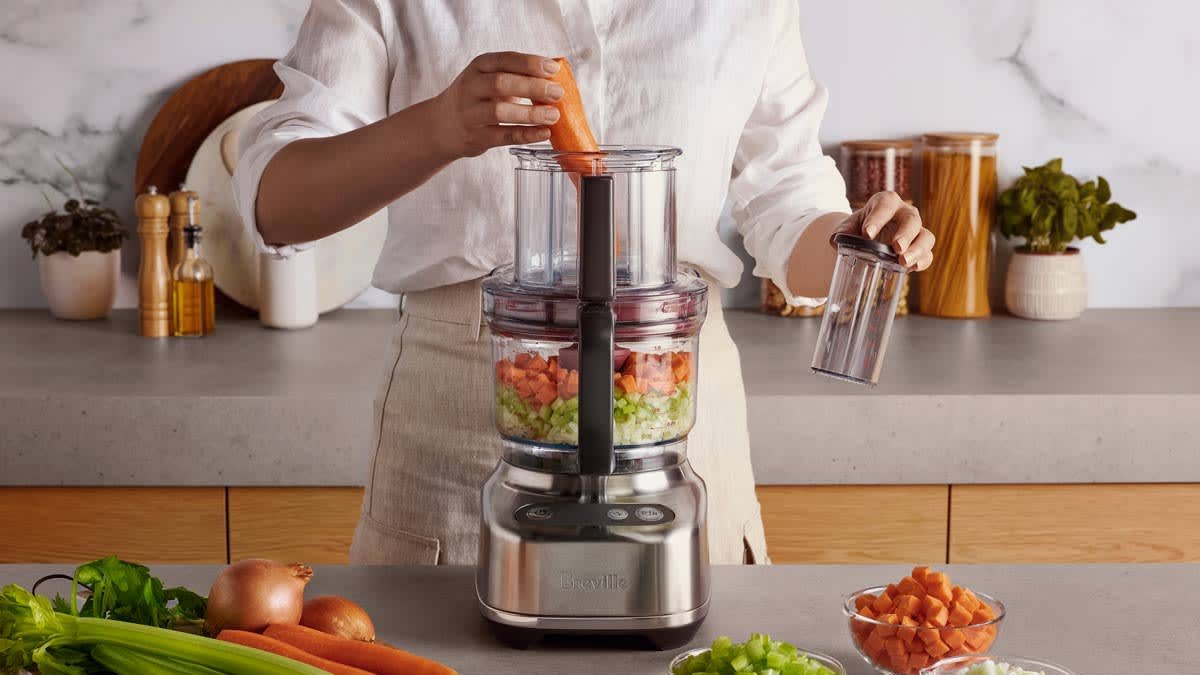
Choosing the right food processor can change the way you cook forever. You want a tool that saves you time, makes prep work easier, and fits perfectly in your kitchen.
But with so many options out there, how do you pick the one that’s just right for you? In this guide, you’ll discover simple tips to help you find a food processor that matches your needs and style. Keep reading, and soon you’ll be chopping, slicing, and blending like a pro—without any hassle.
:max_bytes(150000):strip_icc()/faw-mini-food-processors-primary-rkilgore-0828-1-ef83ffc1910f4bc29b822ca52c5ee722.jpeg)
Credit: www.foodandwine.com
Key Features To Consider
Choosing the right food processor can make cooking easier and faster. Focus on key features to find one that fits your needs.
Consider motor power, bowl size, blade types, and speed options. These features affect how well the processor works.
Motor Power
Motor power shows how strong the food processor is. More power means it can handle tougher foods.
Higher wattage is better for heavy tasks like chopping nuts or grinding meat.
- Low power: 200-400 watts for light tasks
- Medium power: 400-700 watts for most jobs
- High power: 700+ watts for heavy use
Bowl Capacity
Bowl capacity is the amount of food the processor can hold. Choose size based on how much food you make.
Small bowls suit single meals. Large bowls help when cooking for many people.
- Small: 3-5 cups for light use
- Medium: 6-9 cups for families
- Large: 10+ cups for big batches
Blade Types
Different blades do different jobs. Some chop, some slice, and others shred.
Look for a food processor with multiple blades for more cooking options.
- S-shaped blade for chopping and mixing
- Slicing disc for even slices
- Shredding disc for cheese or vegetables
- Dough blade for kneading dough
Speed Options
Speed options control how fast the blades move. Different speeds suit different foods.
Multiple speeds give more control. A pulse function helps with precise chopping.
- Low speed for gentle mixing
- High speed for fast chopping
- Pulse for short bursts of power
Types Of Food Processors
Food processors come in different sizes and styles. Choosing the right type depends on your kitchen space and cooking needs.
Understanding the main types helps you pick a model that fits your lifestyle and food preparation tasks.
Mini Food Processors
Mini food processors are small and easy to store. They work well for chopping small amounts of vegetables or nuts.
- Compact size fits small kitchens
- Good for quick tasks like chopping herbs
- Lower power, suitable for light use
- Usually less expensive than larger models
Full-sized Models
Full-sized food processors handle larger amounts of food. They offer more power and multiple attachments for different tasks.
| Feature | Description |
| Capacity | Typically 7 to 14 cups |
| Power | Higher wattage motors for tough jobs |
| Attachments | Discs, blades for slicing, shredding, and dough making |
| Use | Ideal for daily cooking and meal prep |
Commercial Grade Options
Commercial grade food processors are built for heavy use. They suit large kitchens and professional chefs.
These models have features like:
- Very powerful motors
- Large capacity bowls
- Durable materials for long life
- Advanced safety features
Brand Comparisons
Choosing a food processor can be easier when you compare brands. Different brands offer various features and prices. Understanding these differences helps you pick the right one.
This guide looks at high-end brands, budget-friendly options, and the best models for beginners.
High-end Brands
High-end food processors have strong motors and many features. They last longer and handle tough jobs well. These brands often include extra attachments and durable parts.
- Cuisinart offers powerful motors and many accessories.
- Breville models have smart controls and solid build quality.
- KitchenAid provides reliable performance and stylish design.
Budget-friendly Options
Budget-friendly food processors are good for simple tasks. They are smaller and cost less. These models work well for chopping and mixing everyday ingredients.
- Hamilton Beach offers affordable models with basic features.
- Black+Decker provides compact and easy-to-use processors.
- Oster has simple designs that suit small kitchens.
Best For Beginners
Beginners need easy-to-use food processors. These brands focus on simple controls and safety features. They help new users feel confident while cooking.
- Philips models have clear instructions and easy buttons.
- Black+Decker offers lightweight and user-friendly options.
- KitchenAid has basic models that are simple to operate.
Must-have Attachments
Choosing the right food processor means looking at its attachments. These parts help you do many kitchen tasks faster.
Some attachments are more useful than others. Knowing about these will help you pick the best processor.
Slicing And Shredding Discs
Slicing and shredding discs cut vegetables and cheese into thin pieces. They save time and give even cuts.
These discs usually come in different thicknesses. You can choose thin or thick slices depending on your recipe.
- Slicing disc: makes uniform slices of fruits and vegetables
- Shredding disc: great for cheese, cabbage, and carrots
- Easy to swap and clean
Dough Blade
The dough blade is designed for kneading bread and pizza dough. It mixes ingredients without cutting them.
This blade saves effort and time. It creates smooth dough that is ready to rise.
- Soft plastic blade to knead dough
- Does not overwork the dough
- Perfect for homemade bread and pastries
Chopping Blade
The chopping blade is sharp and fast. It cuts vegetables, nuts, and herbs into small pieces.
This blade is the most common attachment. It helps prepare ingredients quickly and evenly.
- Metal blade for chopping and mixing
- Good for making sauces, dips, and salsas
- Easy to remove and clean
Maintenance And Care
Taking care of your food processor keeps it working well for a long time. Regular maintenance prevents problems and saves money.
Simple cleaning, proper storage, and quick fixes help your appliance last and perform better every day.
Cleaning Tips
Clean the food processor after each use to avoid food buildup and bad smells. Use warm water and mild soap for all removable parts.
- Unplug the machine before cleaning.
- Remove blades carefully and wash with a soft brush.
- Wipe the motor base with a damp cloth only.
- Dry all parts completely before reassembling.
- Do not use harsh chemicals or abrasive pads.
Storage Solutions
Store your food processor in a dry, cool place. Proper storage protects it from damage and dust.
| Storage Tip | Reason |
|---|---|
| Keep parts together in a box or drawer | Prevents loss and keeps blades safe |
| Cover the motor base with a cloth | Keeps dust and dirt off |
| Store away from direct sunlight | Protects plastic from warping and discoloration |
| Place on a stable surface | Prevents falls and damage |
Troubleshooting Common Issues
If your food processor stops working or runs poorly, try these simple checks before calling for help.
- Make sure the appliance is plugged in securely.
- Check if the lid is locked tightly; most models won’t start otherwise.
- Look for food stuck under the blade or in the bowl.
- Let the motor cool if it has overheated.
- Clean all parts well, as dirt can block sensors or moving parts.

Credit: www.cuisinart.com
Safety Features
Food processors have parts that move fast. Safety features help keep you safe while using them.
Look for key safety features before buying. These features stop accidents and protect users.
Locking Mechanisms
Locking mechanisms make sure the lid and bowl stay in place. The processor will not start if parts are unlocked.
This prevents food or blades from spilling out and causing injury. It also helps avoid damage to the machine.
Non-slip Feet
Non-slip feet keep the food processor steady on the counter. They stop the machine from sliding during use.
Rubber or silicone feet are common. They add extra grip and reduce noise from movement.
Overload Protection
Overload protection stops the motor if the processor is too full or if ingredients are too hard. This prevents overheating.
The machine will automatically shut off or pause. This feature helps extend the life of your food processor.
User Reviews And Ratings
User reviews and ratings give real opinions about food processors.
They help you find out if a product works well or has issues.
Look For Common Feedback
Check what many users say about the same features or problems.
- Noise level during operation
- Blade sharpness and durability
- Ease of cleaning
- Motor power and performance
- Size and storage convenience
Check The Ratings Breakdown
Look beyond the average star rating to see detailed scores.
| Rating | Meaning |
| 5 stars | Excellent performance and satisfaction |
| 4 stars | Good with minor drawbacks |
| 3 stars | Average, some issues reported |
| 2 stars | Poor, many users unhappy |
| 1 star | Unsatisfactory, avoid if possible |
Read Detailed Reviews
Longer reviews often explain why users like or dislike a food processor.
Look for reviews that include:
- How the product performs daily
- Durability after months of use
- Customer service experiences
- Any problems and solutions found
Consider Verified Purchases
Reviews marked as verified show the user actually bought the item.
These reviews tend to be more honest and reliable.
Credit: www.tomsguide.com
Price Vs. Performance
Choosing the right food processor depends on finding a good balance between cost and how well it works. Spending more does not always mean better results.
Knowing what features matter most helps you get the best value for your money. This guide covers key points to consider before buying.
Understanding Your Needs
Think about how often you will use the food processor and the tasks you want it to perform. Basic chopping costs less but more power is needed for tough jobs.
Comparing Features And Costs
Look at motor power, bowl size, and included attachments. These affect both price and performance. More features usually increase the cost.
| Feature | Low Cost | High Cost |
| Motor Power | 400-600 Watts | 700-1200 Watts |
| Bowl Size | 3-5 cups | 7-12 cups |
| Attachments | Basic blades | Multiple discs and blades |
| Durability | Plastic parts | Metal and heavy-duty parts |
Consider Long-term Use
A cheaper model may save money now but might break sooner. A durable machine lasts longer and handles more tasks well.
- Check reviews for reliability
- Look for warranty length and coverage
- Think about repair and replacement parts
Match Price To Performance Needs
Choose a model that fits your budget and meets your kitchen tasks. Avoid paying for features you will not use often.
Here is a simple guide to help decide:
- List tasks you want your food processor to do.
- Set your budget limit.
- Compare models within your price range.
- Check if key features match your tasks.
- Pick the best option with good reviews and warranty.
Frequently Asked Questions
What Size Food Processor Do I Need For My Kitchen?
Choose a food processor size based on your cooking habits. Small models suit simple tasks, while large ones handle big batches. Consider your kitchen space and typical recipes to pick the right size for convenience and efficiency.
Which Food Processor Blades Are Essential For Cooking?
Essential blades include chopping, slicing, and shredding discs. A multipurpose blade handles most tasks like chopping and pureeing. Extra blades enhance versatility but focus on those matching your cooking style for best results.
How Important Is Motor Power In A Food Processor?
Motor power affects performance and durability. Higher watts handle tougher ingredients and continuous use. For daily cooking, choose a processor with at least 600 watts to ensure efficient and smooth food processing.
Can A Food Processor Replace Other Kitchen Appliances?
Yes, it can replace several tools like blenders, choppers, and slicers. It saves space and time by combining functions. However, very specific tasks might still require dedicated appliances for optimal results.
Conclusion
Choosing the right food processor makes cooking easier and faster. Consider your kitchen space and the tasks you need. Check the size, power, and attachments carefully. A good food processor saves time and effort every day. Take your time to compare features and prices.
Trust your needs and pick what feels right. This way, cooking stays fun and simple.