
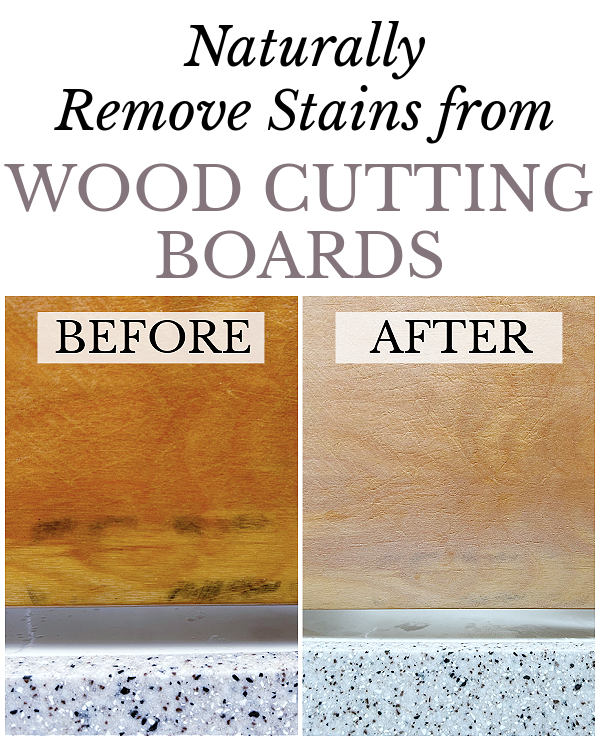
Are stains on your cutting board making it look old and worn out? You’re not alone.
These stubborn marks can be frustrating and hard to remove. But what if you could clean your cutting board naturally, without harsh chemicals or expensive products? Imagine your board looking fresh and spotless again, using simple ingredients you already have at home.
Keep reading, because you’re about to discover easy, effective ways to restore your cutting board’s shine—safely and naturally. You’ll wonder why you didn’t try these tips sooner!
Types Of Cutting Boards
Cutting boards come in different materials. Each type needs special care to keep it clean.
Knowing the board type helps you remove stains safely using natural methods.
Wooden Boards
Wooden boards are strong and gentle on knives. They absorb moisture, which can cause stains.
- Use lemon and salt to scrub stains away.
- Let the mixture sit for a few minutes before rinsing.
- Dry the board well to prevent cracks.
Plastic Boards
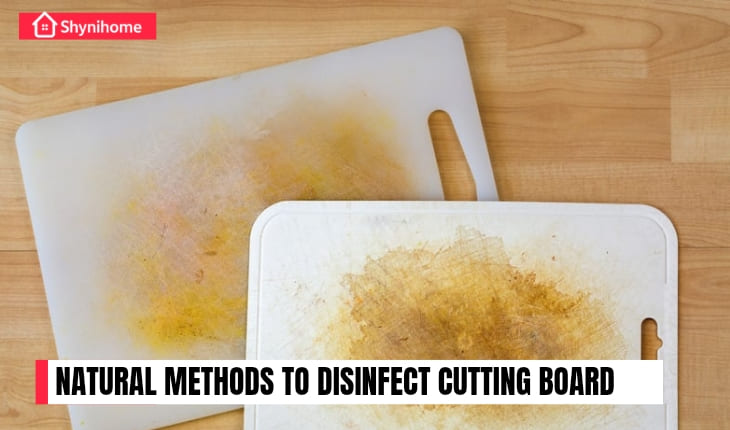
Plastic boards are easy to clean but can get deep cuts. Stains may hide in these grooves.
| Cleaning Method | Details |
| Baking Soda Paste | Mix baking soda with water and scrub stained areas. |
| Vinegar Spray | Spray vinegar, wait 5 minutes, then rinse with water. |
| Sun Drying | Leave the board in sunlight to reduce stains and bacteria. |
Bamboo Boards
Bamboo boards are eco-friendly and hard. They resist water better than wood but need care.
To clean stains on bamboo boards naturally:
- Sprinkle coarse salt over the surface.
- Rub with half a lemon in circular motions.
- Rinse with warm water and dry immediately.
:max_bytes(150000):strip_icc()/GettyImages-2195439933-114e75009db444fd816a82aeb8f7a5a8.jpg)
Credit: www.southernliving.com
Common Stains On Cutting Boards
Cutting boards often show marks and stains after use. These stains come from different sources in the kitchen.
Knowing the types of stains helps you clean your cutting board naturally and keep it fresh.
Food Stains
Food stains come from fruits, vegetables, and meats. Colorful foods like beets and berries leave strong stains.
- Beets leave red or purple marks.
- Tomatoes cause orange or red stains.
- Carrots can leave orange tint.
- Spinach and herbs may cause green spots.
Odor Stains
Odor stains make cutting boards smell bad. Foods like garlic, onions, and fish cause these odors.
| Source | Common Odor |
| Garlic | Strong and sharp |
| Onions | Sweet but pungent |
| Fish | Fishy and lingering |
| Cheese | Rich and sometimes sour |
Bacterial Stains
Bacteria can leave stains and cause health risks. Meat and poultry often carry bacteria that stain cutting boards.
Bacterial stains show as dark spots or patches on the board surface. Cleaning these stains well is important to avoid illness.
- Raw chicken and beef can leave bacteria.
- Cross-contamination spreads bacteria.
- Use natural cleaners like vinegar and lemon.
Essential Natural Cleaning Ingredients
Cutting board stains can be tough to remove. Natural ingredients work well to clean them safely.
These ingredients are easy to find and gentle on your cutting board and the environment.
Baking Soda
Baking soda is a mild abrasive that lifts stains without scratching. It also neutralizes odors.
Make a paste with water and baking soda. Rub it on the stain and let it sit before rinsing.
- Use 3 parts baking soda to 1 part water
- Apply with a soft cloth or sponge
- Let it sit for 10-15 minutes
- Rinse well with warm water
White Vinegar
White vinegar is a natural disinfectant. It helps break down stains and kills bacteria on cutting boards.
Spray or pour vinegar on the board, then wipe with a cloth. Repeat if needed for tough stains.
- Use full-strength white vinegar
- Apply directly to stained areas
- Let it sit for 5-10 minutes
- Wipe clean and rinse
Lemon Juice
Lemon juice contains natural acids that break down stains. It also leaves a fresh scent.
Rub lemon juice onto stains or use half a lemon to scrub the surface. Let it sit before rinsing.
- Use fresh lemon juice for best results
- Cut a lemon in half to scrub the board
- Let the juice sit for 5-10 minutes
- Rinse well with warm water
Coarse Salt
Coarse salt acts as a scrub to remove stains and grime. It also helps to absorb odors.
Sprinkle salt on the board and scrub with a lemon half or a damp cloth. Rinse after scrubbing.
- Use coarse sea salt or kosher salt
- Apply salt directly on stained areas
- Scrub with lemon or cloth in circular motions
- Rinse thoroughly with warm water
Credit: shynihome.com
Step-by-step Cleaning Process
Cleaning cutting board stains naturally keeps your kitchen safe and fresh. It uses simple ingredients you already have at home.
This guide explains easy steps to remove stains without harsh chemicals. Follow each part to restore your cutting board.
Preparing The Board
Start by removing all food scraps and rinsing the board with warm water. Make sure the surface is free of loose dirt before cleaning.
Applying Natural Cleaners
Use natural cleaners like lemon juice, baking soda, and white vinegar to treat stains. These ingredients break down stains and kill bacteria.
- Sprinkle baking soda evenly over the stained area.
- Pour lemon juice on top of the baking soda to create fizzing.
- Let the mixture sit for 5 to 10 minutes to work on the stains.
- For tougher stains, spray white vinegar after the lemon juice.
Scrubbing Techniques
Scrub the board gently with a soft brush or sponge. Use circular motions to lift the stains without damaging the wood.
| Tool | Use |
| Soft Brush | Remove stains without scratching |
| Sponge | Apply and scrub natural cleaners |
| Cloth | Wipe off excess cleaner |
Rinsing And Drying
Rinse the cutting board with warm water to remove all cleaning residues. Dry it completely with a clean towel or air dry upright.
Removing Stubborn Stains
Cutting boards often get tough stains from fruits, vegetables, and meats. These stains can make your board look old and dirty. Using natural methods helps clean your board safely.
Here are simple ways to remove stubborn stains without harsh chemicals. These methods use ingredients you likely have at home.
Using Baking Soda Paste
Baking soda is a gentle cleaner that works well on wooden and plastic boards. Make a thick paste with water and baking soda. Spread it on the stains and let it sit for a few minutes.
- Mix 3 parts baking soda with 1 part water to form a paste.
- Apply the paste to the stained areas of the cutting board.
- Let it sit for 10 to 15 minutes to lift the stains.
- Scrub gently with a sponge or brush.
- Rinse well with warm water and dry the board.
Vinegar And Salt Method
This method uses vinegar’s natural acidity and salt’s scrubbing power. It works best on tough stains and odors. Vinegar also helps kill bacteria.
Follow these steps:
- Sprinkle coarse salt over the stained area.
- Pour white vinegar on top of the salt.
- Use a clean cloth or sponge to scrub in circular motions.
- Rinse the board with warm water and dry it well.
Lemon And Sunlight Trick
Lemon’s natural acids help break down stains. Sunlight acts as a natural bleach. This method brightens your board without chemicals.
| Step | Action |
| 1 | Cut a lemon in half and rub it on the stained spots. |
| 2 | Let the lemon juice sit for 5 minutes. |
| 3 | Place the cutting board outside in direct sunlight for 1 to 2 hours. |
| 4 | Rinse the board with warm water and dry it. |
Preventing Future Stains
Cutting board stains can make your kitchen look messy. Cleaning stains naturally is good, but preventing them saves more time.
Using simple habits and care can stop stains from forming on your cutting board. Let’s look at some ways to keep your board clean.
Regular Maintenance Tips
Clean your cutting board right after use. This stops stains from setting deep. Use warm water and mild soap.
Dry the board well after washing. Moisture helps stains grow and can cause mold. Oil your wooden board once a month.
- Wash with warm, soapy water after every use
- Dry completely with a clean towel
- Apply mineral oil to wooden boards monthly
- Use lemon and salt to scrub tough spots
Proper Storage Practices
Store your cutting board in a dry, ventilated place. Avoid stacking heavy items on top. This keeps the board flat and dry.
Keep boards separate by material. This stops cross-contamination and stains from strong foods like beets or turmeric.
- Keep cutting boards upright or flat in dry areas
- Do not stack heavy objects on boards
- Separate wooden and plastic boards
- Use different boards for meats and vegetables
Choosing The Right Cutting Board
Pick cutting boards that resist stains and are easy to clean. Hard plastic and bamboo boards often work well.
Wood boards are gentle on knives but need more care. Avoid soft wood that absorbs stains quickly.
- Choose hard plastic or bamboo for stain resistance
- Use wooden boards for gentle cutting with regular care
- Avoid soft wood that soaks in stains
- Pick boards with smooth surfaces for easy cleaning
Safety Tips For Natural Cleaning
Cleaning cutting boards with natural ingredients is safe and effective. It avoids harsh chemicals that harm health and the environment.
Use natural cleaning methods carefully. Follow safety tips to protect yourself and your cutting boards.
Handling Natural Ingredients
Natural ingredients like lemon, vinegar, and baking soda can clean well. Use gloves to protect your skin from acidity or irritation.
- Test ingredients on a small board area first.
- Wear gloves when using acidic items like lemon or vinegar.
- Keep natural cleaners away from children and pets.
- Store ingredients in labeled containers to avoid confusion.
Avoiding Damage To Boards
Natural cleaning is gentle but still can harm wood or plastic if used wrongly. Avoid long soaking or rough scrubbing.
| Cleaning Tip | Do | Don’t |
| Soaking | Use quick cleaning, less than 5 minutes | Soak board for hours |
| Scrubbing | Use soft cloth or brush | Use steel wool or hard brushes |
| Drying | Air dry upright | Leave wet flat on surface |
Eco-friendly Practices
Natural cleaning supports the planet. Use eco-friendly habits to reduce waste and pollution.
Tips for Eco-Friendly Cleaning:
- Use leftovers like lemon peels for fresh scents.
- Make your own cleaners to avoid plastic bottles.
- Compost natural scraps instead of throwing them away.
- Recycle containers after use.

Credit: homewithgraceandjoy.com
Frequently Asked Questions
How Can I Remove Stains From A Wooden Cutting Board Naturally?
Use lemon juice and coarse salt to scrub the board. Let it sit for 5 minutes, then rinse with warm water. This method naturally lifts stains and deodorizes the wood without harsh chemicals.
What Natural Ingredients Whiten Cutting Board Stains Effectively?
Baking soda and hydrogen peroxide form a gentle whitening paste. Apply it to stains and let it sit for 10 minutes before rinsing. These ingredients brighten without damaging the cutting board’s surface.
Is Vinegar Safe For Cleaning Cutting Board Stains?
Yes, white vinegar is a natural disinfectant and stain remover. Spray or wipe it on the board, leave for a few minutes, then rinse. It helps eliminate bacteria and light stains safely.
How Often Should I Clean Cutting Boards To Avoid Stains?
Clean cutting boards immediately after each use to prevent stains. Regular cleaning with natural ingredients keeps stains and odors away. This routine maintains hygiene and extends the board’s life.
Conclusion
Cleaning cutting board stains naturally saves money and keeps your kitchen safe. Common household items like lemon, baking soda, and salt work well. These methods remove stains without harsh chemicals. Regular cleaning helps avoid bacteria buildup and keeps boards fresh.
Try these simple steps often for best results. Your cutting board will look cleaner and last longer. Natural cleaning is easy, safe, and good for the environment. Start using these tips today and enjoy a cleaner kitchen.