
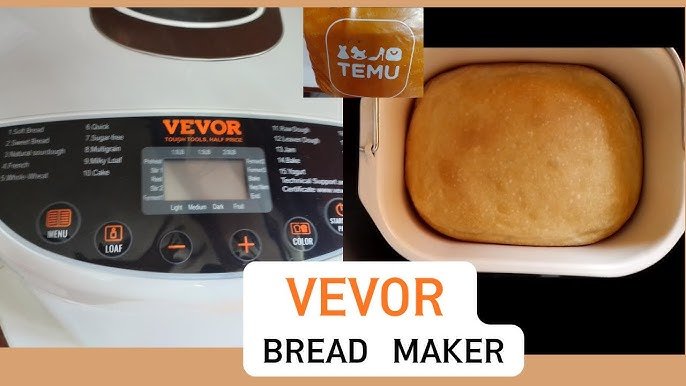
Imagine waking up to the smell of fresh, warm bread without any hassle. You might think it takes special skills or lots of time, but with a bread maker, it’s easier than you think.
If you’ve ever wondered how to use a bread maker to create perfect loaves every time, you’re in the right place. This guide will walk you through simple steps that anyone can follow, helping you bake delicious bread that will impress your family and friends.
Ready to transform your kitchen and enjoy homemade bread like never before? Let’s dive in!

Credit: akitchencorner.com
Choosing The Right Ingredients
Using the best ingredients helps your bread taste great. It also affects how the bread rises and feels.
Choosing flour, yeast, and add-ins carefully will give you better results with your bread maker.
Selecting The Best Flour
Flour is the main ingredient in bread. Different flours change the bread’s texture and flavor.
| Flour Type | Best For | Notes |
|---|---|---|
| All-Purpose Flour | Basic white bread | Easy to find and works well for most recipes |
| Bread Flour | Chewy, fluffy bread | Has more protein for better gluten development |
| Whole Wheat Flour | Healthier, denser bread | Use with other flours for lighter texture |
Picking The Right Yeast
Yeast makes the dough rise by creating gas bubbles. Choose the right yeast for good rise and taste.
- Active Dry Yeast: Needs to be mixed with warm water first
- Instant Yeast: Can be added directly to dry ingredients
- Fresh Yeast: Soft and perishable, used by some bakers for flavor
Essential Add-ins For Flavor
Add-ins like seeds, nuts, or herbs can make your bread taste better. Use them in small amounts.
- Seeds: Sunflower, sesame, or poppy seeds add crunch
- Nuts: Walnuts or pecans add texture and flavor
- Herbs: Rosemary, thyme, or garlic powder give aroma
- Sweeteners: Honey or sugar help yeast and add sweetness
Setting Up Your Bread Maker
Setting up your bread maker correctly helps you bake fresh bread easily. It makes sure your bread turns out well every time.
Before using the machine, you need to understand its parts and prepare it properly. This guide will help you start.
Understanding Bread Maker Parts
Your bread maker has several parts that work together. Knowing these parts helps you use the machine safely and correctly.
Common parts include the baking pan, kneading paddle, control panel, and lid. Each part has a specific job during bread making.
- Baking Pan:Holds the ingredients and shapes the bread.
- Kneading Paddle:Mixes and kneads the dough.
- Control Panel:Lets you choose settings like loaf size and crust color.
- Lid:Covers the bread while baking to keep heat inside.
Prepping The Machine
Before baking, clean the baking pan and paddle with warm water. Avoid using soap to keep the non-stick surface safe.
Insert the baking pan into the bread maker. Then, attach the kneading paddle firmly to the shaft at the bottom of the pan.
- Make sure the paddle fits tightly to avoid dough problems.
- Check the lid seal to keep heat inside during baking.
- Place the bread maker on a flat, stable surface.
- Plug the machine into a power outlet.
Measuring Ingredients Accurately
Using a bread maker needs precise measuring of ingredients. This helps the bread turn out soft and tasty.
Even small changes in amounts can change the bread’s texture and rise. Accuracy is very important.
Importance Of Precision
Measuring ingredients exactly keeps the bread consistent. Too much flour makes bread dry. Too little makes it sticky.
- Correct salt amount controls yeast growth
- Right sugar amount feeds yeast properly
- Proper water level affects dough softness
- Accurate yeast amount ensures good rising
Using Measuring Tools
Use the right tools to measure ingredients. This helps keep amounts exact every time.
| Tool | Use for |
| Measuring cups | Flour, sugar, liquids |
| Measuring spoons | Salt, yeast, baking powder |
| Kitchen scale | Weighing flour and other dry ingredients |

Credit: www.amazon.ca
Loading Ingredients In Order
Using a bread maker is easy if you load ingredients in the right order. This helps the machine mix and bake the bread well.
Adding ingredients in the wrong order may cause the dough to not rise or bake properly. Follow these tips to get good results.
Layering Ingredients Properly
Put ingredients into the bread pan in layers. Start with liquids first. Add dry ingredients on top. Yeast should go last.
- Pour water or milk at the bottom
- Add oil, eggs, or butter next
- Spoon flour and sugar over liquids
- Place salt and other dry ingredients on flour
- Make a small well on top and add yeast last
This order helps keep yeast from touching salt or liquids too soon. It stops yeast from activating early.
Avoiding Common Mistakes
Do not mix ingredients before putting them in the bread pan. Avoid using warm liquids unless the recipe says so.
- Never add yeast directly on salt or wet ingredients
- Check ingredient measurements carefully
- Keep liquids at room temperature unless told otherwise
- Do not overfill the bread pan
- Make sure ingredients are fresh for best results
Following these tips will help your bread maker work well. Your bread will rise and bake evenly every time.
Selecting The Right Bread Cycle
Using a bread maker is simple once you understand its settings. Choosing the right bread cycle helps you bake the perfect loaf every time.
Different bread cycles control how the machine mixes, kneads, rises, and bakes the dough. Picking the right one depends on what type of bread you want.
Understanding Bread Maker Settings
Bread makers have various cycles designed for specific bread types. These settings adjust time and temperature for the best result.
Common settings include basic bread, whole wheat, French bread, dough only, and bake only. Each setting changes how the machine works.
- Basic Bread:For standard white bread with normal crust.
- Whole Wheat:Longer kneading and rising for dense grains.
- French Bread:Crisp crust with longer baking time.
- Dough Only:Mixes and kneads without baking.
- Bake Only:Bakes dough placed inside without kneading.
Choosing Dough, Bake, Or Whole Wheat
Pick the dough cycle if you want to prepare dough for pizza or rolls. It mixes and kneads but does not bake the bread.
The bake cycle is good for baking dough made outside the machine. It only heats the dough to bake it.
Use the whole wheat cycle for breads made with whole grains. It uses longer kneading and rising times for best texture.
- Dough Cycle:Prepares dough for baking later.
- Bake Cycle:Bakes dough without mixing.
- Whole Wheat Cycle:Adjusts time for dense grain breads.
Monitoring The Baking Process
Using a bread maker is simple, but watching the baking process helps get better bread. Checking the dough and adjusting for your environment can improve the final result.
Pay attention while the bread maker works. Small changes during baking can make a big difference in texture and taste.
Checking Dough Consistency
Open the bread maker lid during the kneading cycle to check the dough. The dough should form a smooth ball that is slightly sticky.
If the dough is too dry, add a little water, one teaspoon at a time. If it is too wet and sticky, add small amounts of flour until it feels right.
- Dough should be soft and elastic
- Too sticky dough can make dense bread
- Too dry dough may not rise well
Adjusting For Altitude And Humidity
High altitudes and humid conditions can change how bread bakes. You may need to change ingredient amounts or baking time.
At high altitudes, reduce yeast slightly and add more water. In humid places, use less water and add flour if dough feels sticky.
| Condition | Adjustment |
|---|---|
| High Altitude | Reduce yeast; add more water |
| High Humidity | Use less water; add more flour |
| Low Humidity | Use slightly more water |
Cooling And Storing Your Bread
After baking bread in your bread maker, it is important to cool it properly. Cooling helps keep the bread fresh and prevents it from becoming soggy. Storing bread correctly also keeps it tasty for longer.
This guide explains how to cool and store your bread for the best results. Follow these simple tips to enjoy fresh bread every time.
Proper Cooling Techniques
Remove the bread from the bread maker pan carefully. Place the bread on a wire rack to cool. This allows air to circulate around the bread.
Cooling the bread this way prevents the bottom from getting soggy. Avoid wrapping the bread while it is still warm.
- Use oven mitts to take the bread out safely.
- Set the bread on a wire rack, not on a solid surface.
- Let it cool for at least 1 hour before storing.
- Do not cover the bread while it is warm.
Best Practices For Storage
Store bread in a cool, dry place to keep it fresh. Use a bread box or a paper bag for short-term storage. Plastic bags keep bread soft but can cause moisture build-up.
For longer storage, freeze the bread. Slice it first, then put it in a freezer bag. Thaw slices as needed to avoid waste.
- Keep bread at room temperature up to 2 days.
- Use a paper bag or bread box for daily use.
- Wrap bread in plastic only when fully cooled.
- Freeze bread in slices for up to 3 months.
- Thaw slices at room temperature or toast directly.

Credit: www.youtube.com
Troubleshooting Common Issues
Using a bread maker is easy, but sometimes problems happen. Knowing how to fix these issues helps you get better bread.
This guide covers two common problems: dense or heavy bread and underbaked loaves. Follow these tips to improve your bread.
Handling Dense Or Heavy Bread
Dense or heavy bread often means the dough did not rise well. Check the yeast is fresh and active. Old yeast can cause poor rise.
Too much flour or not enough liquid can also make bread heavy. Measure ingredients carefully for the best balance.
- Use fresh yeast and check expiration dates
- Measure flour and liquids accurately
- Do not add extra flour during mixing
- Make sure the dough is not too cold or too hot
- Allow enough time for the bread to rise
Dealing With Underbaked Loaves
Underbaked bread feels wet or doughy inside. This happens when the baking time is too short or the temperature is low.
Check the bread maker settings to make sure you use the correct program for your bread type. Avoid opening the lid during baking.
- Use the right baking cycle for your bread
- Do not open the lid while baking
- Check the power supply for steady heat
- Test the bread with a toothpick before removing
- If underbaked, run a short extra baking cycle
Experimenting With Recipes
Using a bread maker lets you try many different recipes. You can change ingredients to find new tastes.
It is fun to test new ideas and see how the bread turns out. You can make bread that suits your style.
Trying New Flavors
Add spices, herbs, or sweeteners to your bread dough. This changes the flavor and makes bread unique.
Try ingredients like cinnamon, garlic, or dried fruits. These add special tastes that you might like.
- Mix cinnamon and raisins for sweet bread
- Add rosemary and olives for savory bread
- Use cocoa powder for chocolate bread
Incorporating Healthy Ingredients
You can make your bread healthier by adding grains and seeds. These add fiber and nutrients.
Use whole wheat flour or oats instead of white flour. Add flaxseeds, chia seeds, or nuts for extra health benefits.
- Replace half of white flour with whole wheat flour
- Add sunflower seeds or pumpkin seeds
- Mix in oats or bran for fiber
Frequently Asked Questions
How Do I Choose The Right Bread Maker Settings?
Choosing the right settings depends on bread type and crust preference. Use preset programs for common breads like white or whole wheat. Adjust crust color settings for light, medium, or dark crust. Always refer to your bread maker’s manual for best results.
Can I Add Ingredients While Bread Maker Is Running?
Most bread makers allow adding ingredients during initial kneading. Use the “add ingredient” beep as a signal to add nuts or fruits. Avoid opening the lid frequently to maintain temperature and baking consistency. Check your machine’s manual for specific instructions.
How Long Does A Typical Bread Making Cycle Take?
A standard bread cycle usually takes 3 to 4 hours. This includes mixing, kneading, rising, and baking stages. Some machines offer quick bake options that take under 2 hours. Always plan ahead to ensure fresh bread when needed.
What Type Of Flour Works Best In A Bread Maker?
Bread flour is ideal for bread makers due to its high protein content. All-purpose flour works for many recipes but produces softer bread. Whole wheat flour can be used but may require extra yeast or water. Experiment to find your preferred texture.
Conclusion
Using a bread maker saves time and effort in baking fresh bread. You just add ingredients, choose a setting, and start the machine. It works quietly while you do other tasks. Homemade bread tastes better and is healthier than store-bought.
Experiment with recipes to find your favorite flavors. Clean the bread maker regularly to keep it working well. Enjoy warm, fresh bread anytime with this easy tool. Baking bread at home becomes simple and fun with practice. Give it a try and enjoy delicious results every time.