
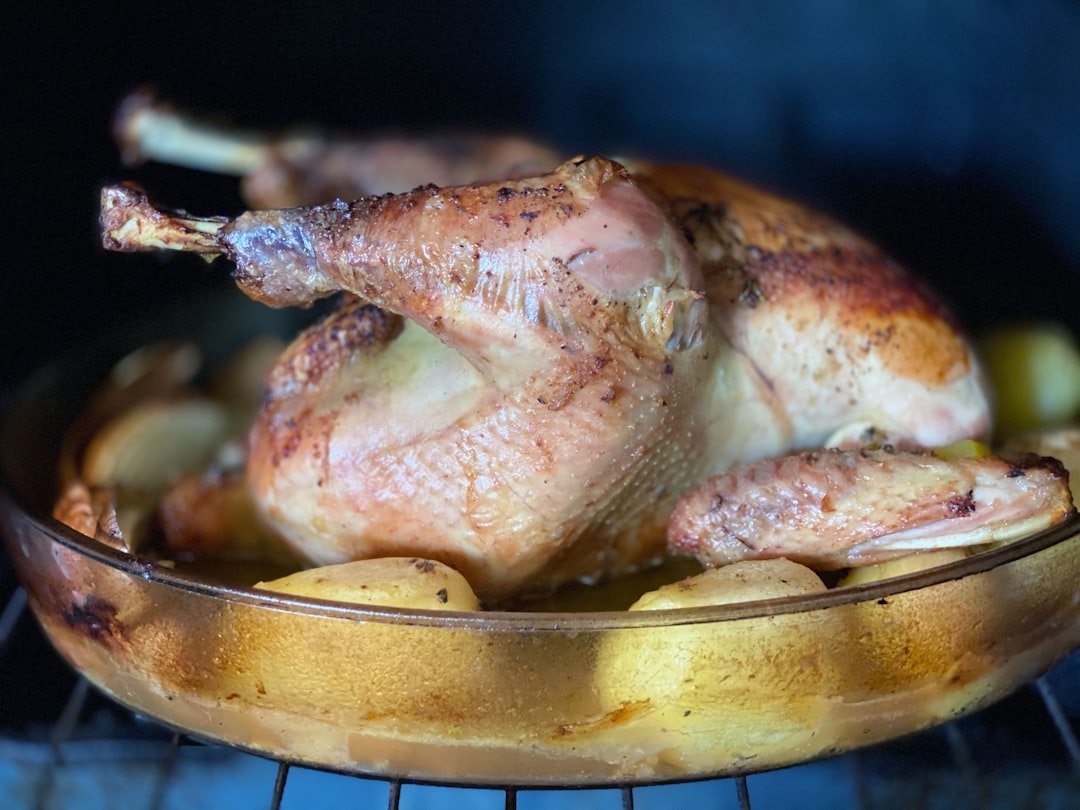
Roasting chicken legs might seem simple, but getting them cooked evenly every time can be tricky. If you’ve ever bitten into a piece that’s dry on one side and undercooked on the other, you know how frustrating it is.
You want juicy, tender meat with crispy skin all around, right? In this post, you’ll discover easy tips and tricks to roast chicken legs perfectly, so every bite is delicious. Keep reading, and you’ll never worry about uneven cooking again.
Choosing The Right Chicken Legs
Picking the right chicken legs helps you roast them evenly. It affects taste, texture, and cooking time. Knowing what to look for makes your meal better.
This guide covers key points about fresh versus frozen and organic options. These choices help you find the best chicken legs for roasting.
Fresh Vs. Frozen
Fresh chicken legs often cook more evenly than frozen ones. Frozen chicken can have more water inside, which may cause uneven cooking or dryness.
- Fresh chicken has a firmer texture and better flavor.
- Frozen chicken is convenient and lasts longer.
- Thaw frozen chicken completely before roasting.
- Check the sell-by date for freshness.
Organic And Free-range Options
Organic and free-range chicken legs come from chickens raised without antibiotics and with more space to move. This can affect taste and quality.
| Type | Benefits | Considerations |
|---|---|---|
| Organic | No synthetic pesticides or antibiotics | Usually more expensive |
| Free-Range | Chickens have outdoor access | May have varied texture |
| Conventional | More affordable | May contain additives |
Prepping The Chicken Legs
Preparing chicken legs before roasting helps them cook evenly. Good prep improves flavor and texture.
Start with cleaning and trimming. These steps ensure the chicken cooks well and tastes great.
Cleaning And Drying
Rinse chicken legs under cold water to remove any residue. Pat them dry with paper towels.
- Use cold water to clean the chicken legs.
- Remove any loose skin or feathers.
- Dry thoroughly to help the skin crisp while roasting.
- Drying prevents steaming during cooking.
Trimming Excess Skin
Trim extra skin around the drumsticks and joints. This helps heat reach the meat evenly.
| Area | Reason to Trim |
| Loose skin near joints | Prevents uneven cooking |
| Extra fat pockets | Reduces grease and flare-ups |
| Skin folds | Helps skin crisp evenly |
Marinating For Flavor
Marinating chicken legs adds deep flavor and keeps the meat juicy. It also helps the spices and herbs soak into the chicken.
A good marinade can make your roasted chicken taste better and cook evenly. Let the chicken rest in the marinade before cooking.
Essential Ingredients
Use a mix of acid, oil, and seasonings in your marinade. This balance helps tenderize the chicken and add flavor.
- Acid:lemon juice, vinegar, or yogurt
- Oil:olive oil or vegetable oil
- Herbs:rosemary, thyme, or parsley
- Spices:garlic powder, paprika, salt, and pepper
- Sweetener:honey or brown sugar (optional)
Marination Time
Marinating time affects how well the flavors soak in. Too little time means less flavor. Too long can change the texture.
| Marination Time | Effect |
|---|---|
| 30 minutes | Light flavor, quick prep |
| 2-4 hours | Good flavor and tenderness |
| 6-8 hours | Strong flavor, meat softens |
| Over 12 hours | Very strong flavor, risk of mushy texture |

Credit: kristineskitchenblog.com
Setting Up The Oven
Roasting chicken legs evenly starts with the right oven setup. Proper oven settings help cook the meat through without drying it out.
This guide covers how to set the temperature and position the oven rack for the best results.
Temperature Settings
Set your oven to a medium-high temperature to cook chicken legs evenly. Too hot, and the outside burns before the inside cooks. Too low, and the skin won’t crisp.
- Preheat oven to 400°F (200°C)
- Use a convection setting if available for even heat
- Avoid opening the oven door often to keep temperature steady
- Use an oven thermometer to check actual heat inside
Rack Positioning
Place the oven rack in the center for even heat circulation. This position helps the chicken cook uniformly and browns the skin well.
| Rack Position | Effect on Cooking |
| Lower rack | May cook bottom faster, risk burning |
| Center rack | Even cooking and browning |
| Upper rack | Skin browns quickly, inside may stay undercooked |
Using The Right Baking Tools
Roasting chicken legs evenly needs the right tools. The tools help cook the chicken well.
Using good baking tools keeps the heat balanced. It stops the chicken from being dry or burnt.
Choosing The Perfect Baking Sheet
Select a baking sheet that spreads heat well. Heavy, thick metal sheets work best.
A good baking sheet stops hot spots. This helps the chicken cook evenly on all sides.
- Choose a rimmed sheet to catch drips
- Use aluminum or stainless steel for even heat
- Avoid thin or warped sheets
- Non-stick surfaces help with cleanup
Importance Of A Wire Rack
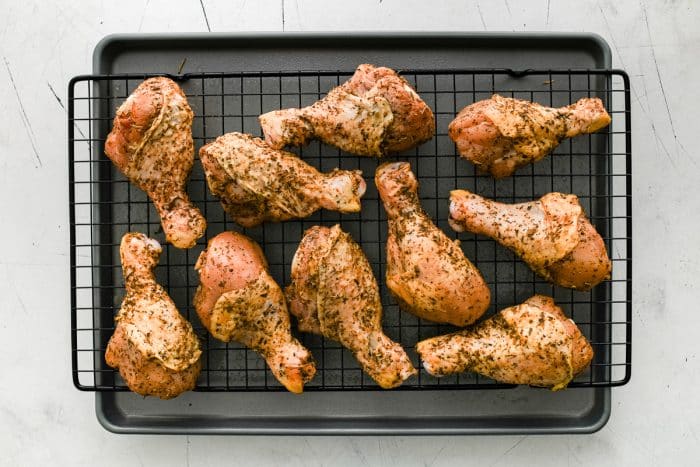
A wire rack lifts chicken off the baking sheet. This lets hot air reach all sides.
The air circulation from a wire rack makes skin crispy. It also cooks the meat evenly.
- Prevents chicken from sitting in juices
- Reduces risk of soggy skin
- Helps fat drip away for healthier cooking
- Easy to clean and reusable
Achieving Crispy Skin
Roasting chicken legs to get crispy skin takes some care. It needs the right oil, seasoning, and cooking time. This guide will help you get the perfect crispiness every time.
Crispy skin means a tasty outside with juicy meat inside. Follow simple tips to make your chicken legs crisp and delicious.
Oil And Seasoning Application
Using the right oil and seasoning helps make the chicken skin crispy and flavorful. Here are key points to consider:
- Use oils with high smoke points like vegetable or canola oil.
- Apply a thin, even layer of oil over the chicken skin.
- Pat the skin dry with paper towels before adding oil.
- Season generously with salt to draw out moisture and enhance crispiness.
- Add pepper and your favorite herbs or spices for extra taste.
Timing For Crispiness
Cooking time and temperature are important to get crispy chicken skin. Use this table to guide your roasting process:
| Oven Temperature | Roasting Time | Notes |
| 425°F (220°C) | 35-40 minutes | High heat crisps skin quickly |
| 400°F (200°C) | 40-45 minutes | Balanced cooking for crisp skin and juicy meat |
| 375°F (190°C) | 45-50 minutes | Slower roasting, skin less crispy |
Monitoring Cooking Time
Roasting chicken legs evenly needs careful time control. Cooking too long makes them dry.
Watching cooking time helps keep the meat juicy and safe to eat.
Using A Meat Thermometer
A meat thermometer checks the chicken’s internal temperature. It ensures the legs cook evenly and safely.
Insert the thermometer into the thickest part of the leg without touching bone. This gives the correct reading.
- Check temperature near the end of cooking time
- Ideal temperature for chicken is 165°F (74°C)
- Remove chicken once it reaches this temperature
Signs Of Doneness
Besides temperature, look for visual and tactile signs to know if chicken legs are done.
These signs help avoid undercooking or overcooking the meat.
- Juices run clear when pierced with a fork
- Meat near the bone is white, not pink
- The skin is golden brown and crisp
- Legs feel firm but not hard when pressed
Credit: theforkedspoon.com
Resting The Chicken
Resting chicken legs after roasting is an important step. It helps the juices settle inside the meat.
This process makes the chicken more tender and flavorful. Skipping this step can cause dry meat.
Why Resting Matters
When chicken cooks, the juices move toward the surface. Resting lets these juices spread evenly again.
- Juices stay inside the meat, keeping it moist.
- The meat fibers relax, making the chicken tender.
- It improves the overall flavor and texture.
Ideal Resting Time
Resting time depends on the size of the chicken legs. Too short or too long can affect the taste.
| Chicken Size | Resting Time |
| Small legs (4-6 oz) | 5-7 minutes |
| Medium legs (7-10 oz) | 8-10 minutes |
| Large legs (11 oz and above) | 10-12 minutes |
Serving Suggestions
Roasted chicken legs taste best when paired with the right sides. Serving them well makes your meal more enjoyable.
Presentation also matters. A good look makes the dish inviting and appetizing for everyone at the table.
Pairing With Side Dishes
Choose side dishes that complement the rich flavor of roasted chicken legs. Fresh and simple sides balance the meal.
- Roasted vegetables like carrots, potatoes, and Brussels sprouts
- Steamed green beans or asparagus for a fresh crunch
- Mashed potatoes or sweet potatoes for creamy texture
- Simple garden salad with light vinaigrette
- Rice pilaf or quinoa for a hearty grain option
Presentation Tips
Good presentation helps your roasted chicken legs look as tasty as they taste. Use color and arrangement to attract attention.
| Tip | How to Do It |
| Use fresh herbs | Garnish with parsley, thyme, or rosemary sprigs |
| Add color | Serve with brightly colored vegetables or a lemon wedge |
| Arrange neatly | Place chicken legs evenly spaced on a platter |
| Use warm plates | Keep the chicken warm and ready to eat |
| Drizzle sauce | Lightly spoon pan juices or gravy over the chicken |

Credit: theforkedspoon.com
Frequently Asked Questions
How Long To Roast Chicken Legs Evenly?
Roast chicken legs at 400°F (200°C) for 35-45 minutes. Turn them halfway for even cooking. Use a meat thermometer; internal temperature should reach 165°F (74°C).
Should I Marinate Chicken Legs Before Roasting?
Yes, marinating chicken legs enhances flavor and moisture. Use a mix of oil, herbs, and spices. Marinate for at least 30 minutes or up to overnight for best results.
What Oven Temperature Is Best For Roasting Chicken Legs?
Set your oven to 400°F (200°C) for crispy skin and juicy meat. Higher temperatures help render fat and brown the skin evenly without drying the meat.
How To Ensure Chicken Legs Cook Evenly?
Arrange legs spaced apart on a baking tray. Flip them halfway through roasting. Use a meat thermometer to check doneness for consistent results.
Conclusion
Roasting chicken legs evenly brings out the best flavor and texture. Keep the pieces the same size for even cooking. Use a meat thermometer to check doneness. Turn the chicken legs during roasting to brown all sides. Rest the meat after cooking for juicy results.
Simple steps lead to a tasty, well-cooked meal every time. Enjoy your perfectly roasted chicken legs with your favorite sides. Practice makes it easier and more fun. Happy cooking!