
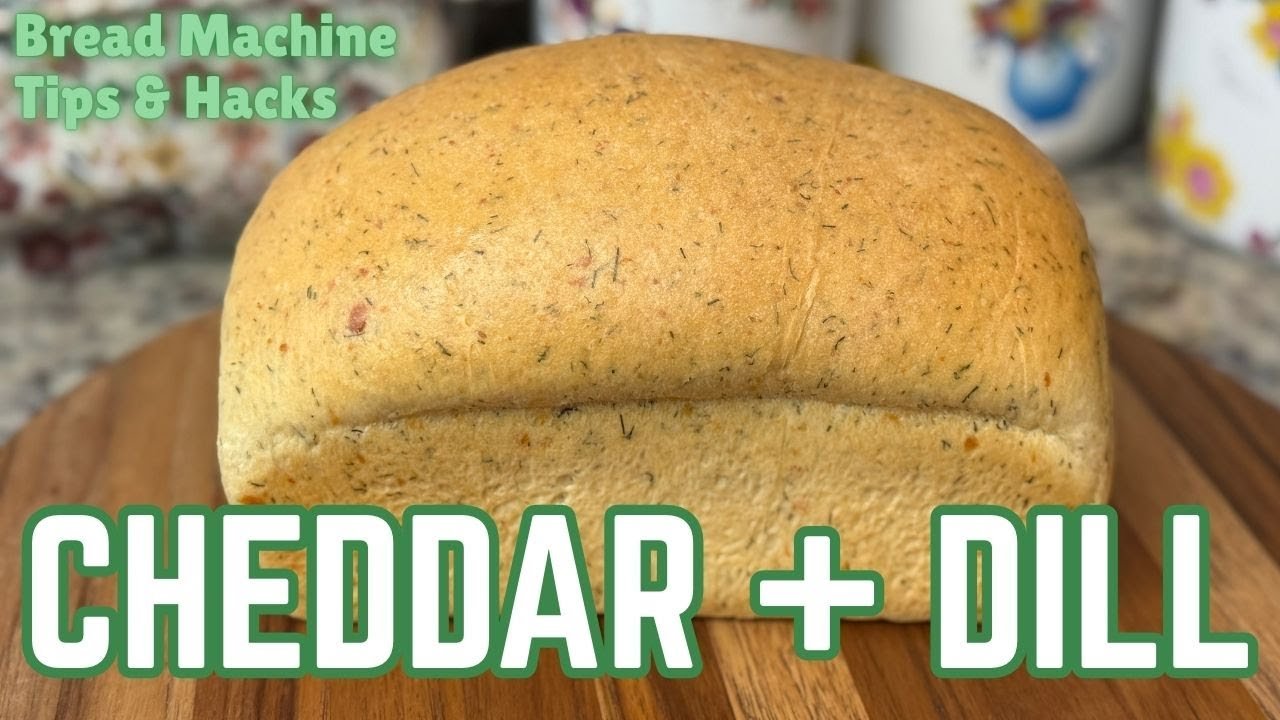
Are you ready to enjoy fresh, homemade bread without the hassle? Using a bread maker can transform your kitchen routine, saving you time and effort while delivering delicious results.
But to get the best out of your machine, there are simple tips you need to know. Whether you’re new to bread making or want to improve your baking skills, this guide will help you bake perfect loaves every time.
Keep reading to discover easy tricks that will make your bread maker your new favorite kitchen tool.

Credit: www.yahoo.com
Choosing The Right Ingredients
Using the right ingredients is key to making good bread in a bread maker. Your choice affects texture and flavor. This guide helps you pick the best ingredients for baking.
Start with quality basics. The flour, yeast, and freshness of all items change how your bread turns out. Learn how to select each one well.
Flour Selection
Flour is the main ingredient in bread. Different flours change the bread’s texture and taste. Use bread flour for chewy bread. All-purpose flour works for softer bread. Whole wheat flour adds a nutty flavor and extra fiber.
- Bread flour has more protein for better gluten.
- All-purpose flour is softer and good for light bread.
- Whole wheat flour adds nutrition and a denser texture.
- Try rye or specialty flours for unique flavors.
Yeast Types
Yeast makes the dough rise by creating air bubbles. Use the right yeast type for best results. Active dry yeast is common and easy to store. Instant yeast works faster and can mix directly with dry ingredients. Fresh yeast needs quick use but gives a strong rise.
| Yeast Type | Storage | Use |
| Active Dry Yeast | Store in a cool, dry place | Needs to be dissolved in water first |
| Instant Yeast | Store in a cool, dry place | Mix directly with dry ingredients |
| Fresh Yeast | Keep refrigerated | Use quickly for best results |
Importance Of Fresh Ingredients
Fresh ingredients give bread better flavor and texture. Old flour or yeast can make bread dense or flat. Always check expiration dates. Use fresh water and avoid ingredients with strong odors. Freshness is key to good bread.
- Check flour for a clean, neutral smell.
- Use yeast before its expiration date.
- Use clean, fresh water for mixing.
- Avoid stale nuts or dried fruits in recipes.
Mastering The Dough Cycle
Using a bread maker can simplify baking fresh bread at home. Understanding the dough cycle is key to getting good results.
The dough cycle includes mixing, kneading, rising, and resting. Each step affects the texture and flavor of your bread.
Understanding Dough Consistency
Dough consistency tells you if your bread will be soft or dense. It should be smooth and slightly sticky, but not wet.
Check the dough during the kneading stage. If it looks dry or crumbly, it needs more water. If it is too sticky, add a little flour.
Adjusting Water Levels
Water affects dough texture and rise. Adding the right amount is important for good bread.
- Start with the recipe’s suggested water amount.
- Add water slowly if the dough is too dry.
- Add flour if the dough is too wet and sticky.
- Keep notes of adjustments for future baking.
Monitoring Kneading And Rising
Kneading develops gluten which gives bread structure. Rising lets the dough expand and create air pockets.
| Stage | What to Watch For | Action |
| Kneading | Dough should form a smooth ball | Add flour if sticky, water if dry |
| First Rise | Dough doubles in size | Check temperature; too cold slows rise |
| Second Rise | Dough puffs up and looks airy | Avoid opening lid too often |
Temperature And Environment
Using a bread maker correctly means paying attention to the room’s temperature and air quality. These factors affect how the dough rises and bakes.
Controlling temperature and humidity can help you get better bread texture and flavor every time.
Ideal Room Temperature
The best room temperature for bread making is between 70°F and 75°F (21°C to 24°C). This range helps yeast work well and dough rise properly.
If the room is too cold, the dough will rise slowly or not at all. If it is too hot, the yeast may die, causing poor bread texture.
- Keep the kitchen warm but not hot
- Avoid drafts near the bread maker
- Use a thermostat to monitor room temperature
Managing Humidity Levels
Humidity in the air affects dough moisture. High humidity can make dough sticky, while low humidity can dry it out.
Try to keep humidity between 40% and 60% for the best bread results. Use a humidifier or dehumidifier if needed.
- Check humidity with a hygrometer
- Add water slowly if dough feels too dry
- Reduce added water if dough is too wet or sticky
Timing The Baking Process
Timing is very important when using a bread maker. The right timing helps the bread rise and bake perfectly.
Knowing how to set timers and use delay functions can save you time and improve your bread quality.
Pre-setting Timers
Many bread makers let you set a timer before baking starts. This helps you control when the bread will be ready.
You can prepare ingredients and set the timer to start baking at the best time for you.
- Set the timer to match your schedule
- Ensure ingredients are fresh before starting
- Check the bread maker’s instructions for timer limits
Optimal Baking Times
Different breads need different baking times. Follow the recipe’s time to avoid undercooking or burning.
Adjust baking time if you use different flour or add extra ingredients like nuts or seeds.
- White bread usually takes 3 to 4 hours
- Whole wheat bread may need longer baking
- Quick breads bake faster, around 2 hours
Using Delay Start Functions
Delay start lets you add ingredients now and bake later. The machine waits before mixing and baking.
Use delay start to have fresh bread ready when you wake up or come home.
- Set the delay time based on your schedule
- Do not add milk or eggs if delay is long
- Keep ingredients cool if delay is over 2 hours
Enhancing Flavor And Texture
Using a bread maker can make baking easy and fun. You can improve the bread’s flavor and texture with simple tricks.
Small changes add variety and make your bread taste better every time you bake.
Incorporating Spices And Herbs
Add spices and herbs to your dough to create unique tastes. They give your bread a fresh and rich flavor.
Try adding dried herbs like rosemary or thyme. You can also use cinnamon or nutmeg for sweet breads.
- Use 1 to 2 teaspoons of dried herbs per loaf
- Add spices to the flour before starting the machine
- Fresh herbs work too but use less to avoid extra moisture
Adding Seeds And Nuts
Seeds and nuts add crunch and a nutty flavor to your bread. They also improve the texture and make bread more interesting.
Common choices are sunflower seeds, walnuts, and flaxseeds. Add them in the last part of the kneading cycle.
- Add about 1/3 cup of seeds or nuts per loaf
- Use chopped nuts to spread flavor evenly
- Use the bread maker’s add-in signal or add manually
Experimenting With Sweeteners
Sweeteners change the taste and texture of bread. Try honey, maple syrup, or brown sugar for a soft crumb and nice color.
Use liquid sweeteners carefully. Reduce other liquids in the recipe to keep dough consistency right.
- Replace sugar with equal amounts of honey or syrup
- Reduce water by 1 to 2 tablespoons if using liquid sweeteners
- Brown sugar adds moisture and a deeper flavor
Maintenance And Cleaning
Keeping your bread maker clean helps it work well for a long time. Regular maintenance stops problems before they start.
Use simple steps to clean and care for your machine. This guide shows how to clean parts and check the machine.
Cleaning The Bread Pan
Wash the bread pan after each use. Use warm water and mild soap to remove crumbs and dough.
- Remove the pan carefully and avoid dropping it.
- Wash with a soft sponge or cloth to protect the non-stick surface.
- Do not use abrasive cleaners or metal scrubbers.
- Dry the pan completely before placing it back.
Maintaining The Kneading Blade
Check the kneading blade often. It mixes dough well but can get stuck or dirty.
Follow these tips to keep the kneading blade in good shape:
- Remove the blade gently after baking.
- Clean it with warm soapy water and a soft brush.
- Do not soak the blade for long periods.
- Make sure it is dry before putting it back.
- If the blade gets stuck, check for leftover dough and clean it.
Regular Machine Checks
| Check Area | What to Do | How Often |
| Power Cord | Look for cracks or damage | Monthly |
| Buttons and Display | Clean with a dry cloth, check for response | Weekly |
| Ventilation Slots | Clear dust and crumbs with a brush | Monthly |
| Exterior Surface | Wipe with a damp cloth | After each use |
Troubleshooting Common Issues
Bread makers are simple to use, but sometimes issues happen. Knowing how to fix problems helps you bake better bread every time.
This guide covers three common problems: dense loaves, underbaked bread, and collapsed tops. Each section offers clear tips to solve these issues.
Dealing With Dense Loaves
Dense bread can be heavy and hard. It often means the dough did not rise well or the ingredients were not right.
- Check that your yeast is fresh and active.
- Use the right amount of flour; too much makes bread dense.
- Add liquids carefully; too little water stops dough from rising.
- Make sure the bread maker’s temperature is correct for the recipe.
- Let the dough rest if your machine has a manual kneading option.
Fixing Underbaked Bread
Underbaked bread feels wet or doughy inside. It means the baking time or temperature was not enough.
| Cause | Solution |
| Incorrect baking setting | Choose the proper crust and loaf size setting |
| Power interruption | Restart the baking cycle or use a manual bake mode |
| Too much moisture | Reduce liquids slightly in the recipe |
| Overloaded bread pan | Use smaller ingredient amounts |
Preventing Collapsed Tops
Collapsed tops happen when bread falls after rising. It looks sunken and flat.
Try these tips to keep your bread’s shape:
- Use the right amount of yeast; too much makes bread rise too fast and fall.
- Measure salt correctly; salt controls yeast growth.
- Avoid opening the lid during baking; sudden temperature changes cause collapse.
- Check if your bread maker’s pan fits tightly to keep heat steady.
- Let bread cool inside the pan for a few minutes before removing.

Credit: www.reddit.com

Credit: www.reddit.com
Frequently Asked Questions
How Do I Choose The Right Bread Maker Settings?
Select settings based on bread type and crust preference. Use preset modes for common recipes. Adjust time and temperature for custom breads. Always refer to your bread maker’s manual for optimal results.
Can I Use Whole Wheat Flour In A Bread Maker?
Yes, whole wheat flour works well in bread makers. It requires slightly more water and longer kneading. Use the whole wheat setting if available. This ensures proper texture and rise in your bread.
How Often Should I Clean My Bread Maker?
Clean your bread maker after every use. Remove the pan and kneading blade to wash thoroughly. Wipe the machine’s interior with a damp cloth. Regular cleaning prevents residue buildup and maintains performance.
What Ingredients Are Best For Soft Bread In A Bread Maker?
Use bread flour, milk, sugar, and butter for soft bread. These ingredients enhance texture and moisture. Avoid too much whole grain or bran, which can make bread dense. Follow recipe measurements precisely for best softness.
Conclusion
Using a bread maker makes baking simple and fun. Follow the tips to get soft, fresh bread every time. Experiment with ingredients to find your favorite flavors. Clean the machine after each use to keep it working well. Enjoy homemade bread with your family and friends.
Baking at home saves money and feels rewarding. Keep practicing and you will see great results soon. Bread makers bring convenience and tasty bread to your kitchen.