
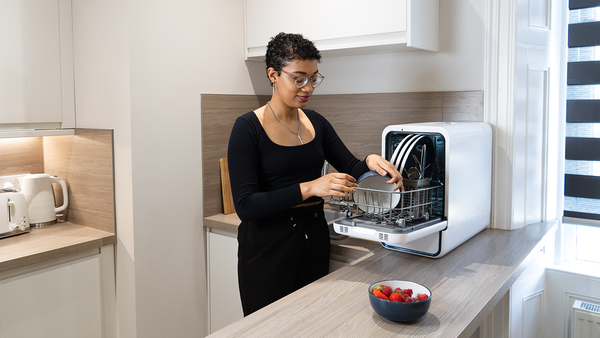
Are you tired of dealing with a pile of dirty dishes after every meal? A countertop dishwasher can be a game-changer for your kitchen, saving you time and effort.
But to get the most out of your machine, you need the right tips and tricks. You’ll discover simple, practical advice that makes your dishwasher work faster, cleaner, and more efficiently. Keep reading to unlock secrets that will transform your dishwashing routine and make your kitchen life easier than ever.

Credit: m.youtube.com
Choosing The Right Countertop Dishwasher
Picking the right countertop dishwasher makes washing dishes easier. It saves space and fits small kitchens well.
Think about your needs before buying. Size, energy use, and features matter a lot.
Size And Capacity Considerations
Measure your countertop space to find a dishwasher that fits. Check the height, width, and depth carefully.
- Count how many dishes you wash daily
- Choose a size that matches your dish load
- Pick a model that fits your kitchen layout
- Look for easy-to-use racks and trays
Energy Efficiency Ratings
Energy ratings show how much power the dishwasher uses. A better rating means lower electricity bills.
| Energy Rating | Power Use | Cost Impact |
| High (A++ or A+++) | Low | Saves money |
| Medium (A or B) | Moderate | Average cost |
| Low (C or below) | High | More expensive |
Key Features To Look For
Some features make dishwashing faster and easier. Look for these to get good value.
- Multiple wash cycles for different needs
- Delay start option to run at night
- Noise level below 50 decibels
- Easy water connection and drainage
- Child lock for safety
Installation And Setup Tips
Installing a countertop dishwasher is easy with the right steps. Proper setup helps the dishwasher work well and last longer.
This guide gives simple tips to place, connect, and start using your dishwasher safely and correctly.
Finding The Ideal Location
Choose a flat, stable surface for your dishwasher. It should be near a sink for easy water access.
Make sure the spot has enough space to open the door fully and to place dishes inside.
- Keep the dishwasher close to a power outlet
- Avoid placing it near heat sources or direct sunlight
- Leave space around for air circulation
Connecting To Water Supply
Use the included hose or adapter to connect the dishwasher to your faucet. Tighten connections to prevent leaks.
Check if your faucet needs a special adapter. Use Teflon tape on threads for a secure fit.
- Turn off water before connecting
- Attach the hose to the faucet adapter
- Secure connections by hand, then tighten slightly with a wrench
- Turn water on slowly and check for leaks
First-time Usage Guide
Before using, read the manual for specific instructions. Run a test wash without dishes to clean the inside.
Use the right detergent and add rinse aid if recommended. Load dishes properly to ensure good cleaning.
- Check water temperature; 120°F (49°C) works well
- Place plates and cups according to the manual
- Do not overload the dishwasher
- Choose a quick or normal wash cycle for the first run
Efficient Loading Techniques
Loading a countertop dishwasher correctly saves time and water. It also cleans dishes better and protects your machine.
Use smart methods to arrange dishes. This helps you fit more inside without blocking water flow.
Maximizing Space
Place larger items along the edges. Use the middle for smaller plates and cups. Stack plates vertically to save room.
- Put pots and pans on the bottom rack.
- Place bowls facing down to catch water.
- Use all rack levels to spread items out.
- Keep tall glasses away from the spray arms.
Proper Dish Arrangement
Arrange dishes so water reaches every surface. Faces should point toward the spray arms. Avoid nesting dishes inside each other.
| Dish Type | Placement | Tip |
| Plates | Vertical slots | Lean slightly for water flow |
| Bowls | Bottom rack, tilted | Open side down |
| Glasses | Top rack | Avoid touching to prevent breakage |
| Utensils | Utensil basket | Mix forks, spoons, knives separately |
Avoiding Overloading Issues
Do not cram too many items inside. Overloading stops water from cleaning well. It can also damage your dishwasher.
- Leave space between dishes for water flow.
- Check if spray arms spin freely.
- Do not block detergent dispenser with large items.
- Run smaller loads if unsure about space.

Credit: www.reddit.com
Selecting The Best Detergents
Choosing the right detergent is key for your countertop dishwasher. It helps clean dishes well and keeps your machine working longer.
This guide covers types of detergents, eco-friendly choices, and common mistakes to avoid. Use these tips to pick the best detergent for your needs.
Types Of Detergents
Detergents come in powder, liquid, and tablet forms. Each type has different benefits and works best in certain dishwashers.
- Powder:Good for tough stains but can leave residue if not rinsed well.
- Liquid:Dissolves quickly and works well in short cycles.
- Tablet:Convenient and pre-measured but may cost more.
Eco-friendly Options
Eco-friendly detergents use natural ingredients. They reduce harm to the environment and are gentle on your dishwasher parts.
| Feature | Eco-Friendly Detergents | Regular Detergents |
| Ingredients | Plant-based, biodegradable | Chemicals, phosphates |
| Water Impact | Less pollution | More pollution |
| Dishwasher Safety | Gentle on seals and pipes | May cause wear |
| Price | Usually higher | Usually lower |
Avoiding Common Detergent Mistakes
Many users make errors that reduce cleaning power or damage the machine. Avoid these to get the best results.
- Do not use regular dish soap; it creates too many suds.
- Measure detergent carefully; too much leaves residue.
- Store detergent in a dry place to keep it fresh.
- Choose detergent made for countertop dishwashers.
- Rinse dishes lightly before loading to prevent buildup.
Maintenance And Cleaning
Keeping your countertop dishwasher clean helps it work well. Regular maintenance stops smells and damage.
Simple cleaning steps make your dishwasher last longer and clean dishes better.
Routine Cleaning Practices
Clean the dishwasher every week to remove food and dirt. Wipe the outside with a soft cloth and mild soap.
Empty and clean the filter to stop clogs. Run a cleaning cycle using dishwasher cleaner or vinegar monthly.
- Remove and rinse the filter
- Wipe door seals and edges
- Run an empty cycle with vinegar
- Clean spray arms to clear holes
Handling Hard Water Spots
Hard water leaves white spots on dishes and inside the dishwasher. Use vinegar to remove these spots easily.
Soak dishes in vinegar before washing to prevent buildup. Add a rinse aid to reduce spotting after each wash.
- Use white vinegar to dissolve mineral deposits
- Add rinse aid to your dishwasher
- Clean dishwasher interior monthly with vinegar
- Check water hardness and adjust detergent
Dealing With Mold And Mildew
Mold and mildew grow in damp areas inside the dishwasher. Keep the door open after use to dry the inside.
Clean seals and corners with a mixture of water and baking soda or vinegar to kill mold spores.
- Leave the door slightly open after washing
- Wipe rubber seals with vinegar or baking soda
- Run a cleaning cycle monthly
- Check for leaks that cause dampness

Credit: www.amazon.com
Troubleshooting Common Issues
Countertop dishwashers save time and space in small kitchens. They work well but sometimes face issues.
Knowing how to fix common problems helps keep your dishwasher running smoothly.
Identifying Leak Sources
Leaks can cause water damage and reduce dishwasher efficiency. Check these common sources to find leaks.
- Door gasket: Look for cracks or dirt that stops a good seal.
- Water inlet hose: Ensure it is tight and not cracked.
- Drain hose: Check if it is loose or damaged.
- Detergent dispenser: Clean if clogged to avoid overflow.
Resolving Poor Cleaning Performance
Dirty dishes after a cycle mean the dishwasher is not cleaning well. Here are ways to fix it.
| Issue | Possible Cause | Solution |
| Dishes not dry | Insufficient rinse aid | Refill rinse aid reservoir |
| Food remains on dishes | Clogged spray arms | Remove and clean spray arms |
| Cloudy glassware | Hard water buildup | Use water softener or vinegar rinse |
| Spotty dishes | Too much detergent | Reduce detergent amount |
Addressing Strange Noises
Unusual sounds can mean parts need attention. Listen carefully to find the cause.
- Grinding noise: Check for stuck food or debris in the filter.
- Rattling sound: Make sure dishes are loaded properly and not hitting the spray arm.
- Humming or buzzing: Inspect the motor or pump for damage or blockage.
- Clicking noises: Could be a faulty door latch or control panel issue.
Enhancing Performance With Accessories
Countertop dishwashers work best with the right accessories. These add-ons can improve cleaning and convenience. Choosing accessories helps you get more from your machine.
This guide covers useful add-ons, compatibility tips, and cost-effective upgrades. Each section explains how to boost your dishwasher’s performance.
Useful Add-ons
Accessories can increase the efficiency and ease of your countertop dishwasher. Some add-ons protect dishes, while others save water and energy.
- Adjustable racks to fit large pots and pans
- Cutlery baskets to keep utensils organized
- Water softener filters to reduce spotting
- Drain hoses for flexible installation
- Detergent dispensers to use the right amount
Compatibility Considerations
Not all accessories work with every model. Check your dishwasher’s size, power, and water connection before buying add-ons.
| Accessory | Compatible Models | Notes |
| Adjustable racks | Most brands with removable racks | Measure rack size first |
| Cutlery baskets | Standard size dishwashers | Fits inside lower rack |
| Water softener filters | Models with water inlet valves | May need professional install |
| Drain hoses | All countertop dishwashers | Check length and diameter |
| Detergent dispensers | Manual detergent models | Use recommended detergents |
Cost-effective Upgrades
Some upgrades improve your dishwasher without a big cost. Small changes can save water, energy, and time.
Consider these simple upgrades:
- Use eco-friendly detergent pods to clean well and protect the machine.
- Add a rinse aid to reduce water spots on glassware.
- Install a water-saving valve to cut water use by up to 20%.
- Replace worn-out spray arms for better water coverage.
- Use a timer to run the dishwasher during off-peak hours for energy savings.
Frequently Asked Questions
What Size Countertop Dishwasher Is Best For Small Kitchens?
Choose a compact dishwasher with dimensions under 20 inches wide. This size fits easily on most countertops. It saves space while still cleaning dishes efficiently. Check your kitchen counter measurements before buying.
How Do I Connect A Countertop Dishwasher To My Sink?
Most dishwashers come with adapters for standard faucets. Attach the adapter to your sink faucet. Connect the dishwasher’s hose securely to prevent leaks. Follow the manufacturer’s instructions for proper installation.
What Types Of Detergents Work Best In Countertop Dishwashers?
Use detergents labeled for automatic dishwashers only. Avoid regular dish soap to prevent excessive suds and damage. Powder, gel, or pods designed for dishwashers work well. Choose eco-friendly options for better environmental impact.
How Often Should I Clean My Countertop Dishwasher?
Clean your dishwasher monthly to maintain efficiency. Run a cycle with vinegar or a dishwasher cleaner. Wipe down the exterior and check the filter for debris. Regular cleaning prevents odors and improves performance.
Conclusion
Countertop dishwashers save space and time in small kitchens. Regular cleaning keeps them working well. Use the right detergent for best results. Load dishes carefully to avoid blocking the spray arms. Run full loads to save water and energy. Follow these tips to enjoy clean dishes every day.
Small efforts bring big benefits. Easy to use, easy to maintain. Your kitchen routine gets simpler with these tips.