
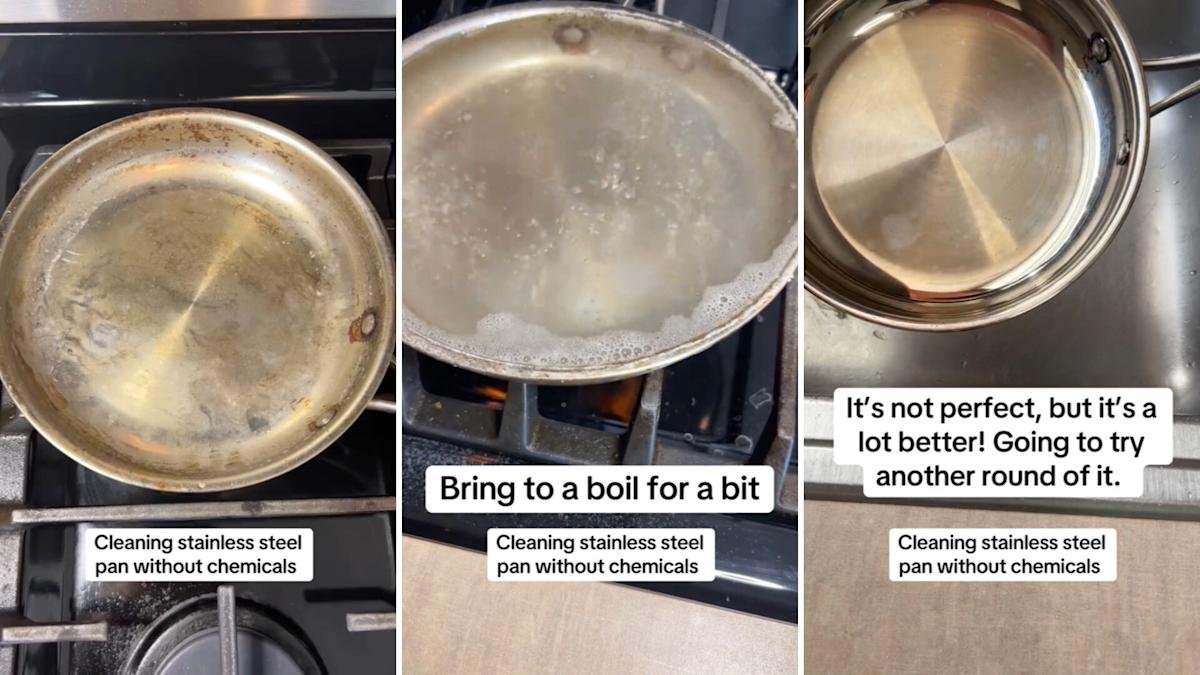
If you love baking, you know how important good bakeware is. Stainless steel bakeware is a top choice because it’s strong, looks great, and lasts a long time.
But to keep your stainless steel bakeware in perfect shape, you need to take care of it the right way. Imagine opening your oven and pulling out a shiny, spotless pan every time you bake. Wouldn’t that make your baking experience even better?
You’ll learn simple and effective tips to maintain your stainless steel bakeware, so it stays clean, durable, and ready for your next delicious creation. Keep reading—you’ll discover easy steps that save you time and keep your bakeware looking like new.
Cleaning Basics
Stainless steel bakeware stays useful longer with regular cleaning. Proper care keeps it shiny and safe for cooking.
Follow simple steps to clean your bakeware after each use. This helps avoid stains and damage.
Remove Food Residue Quickly
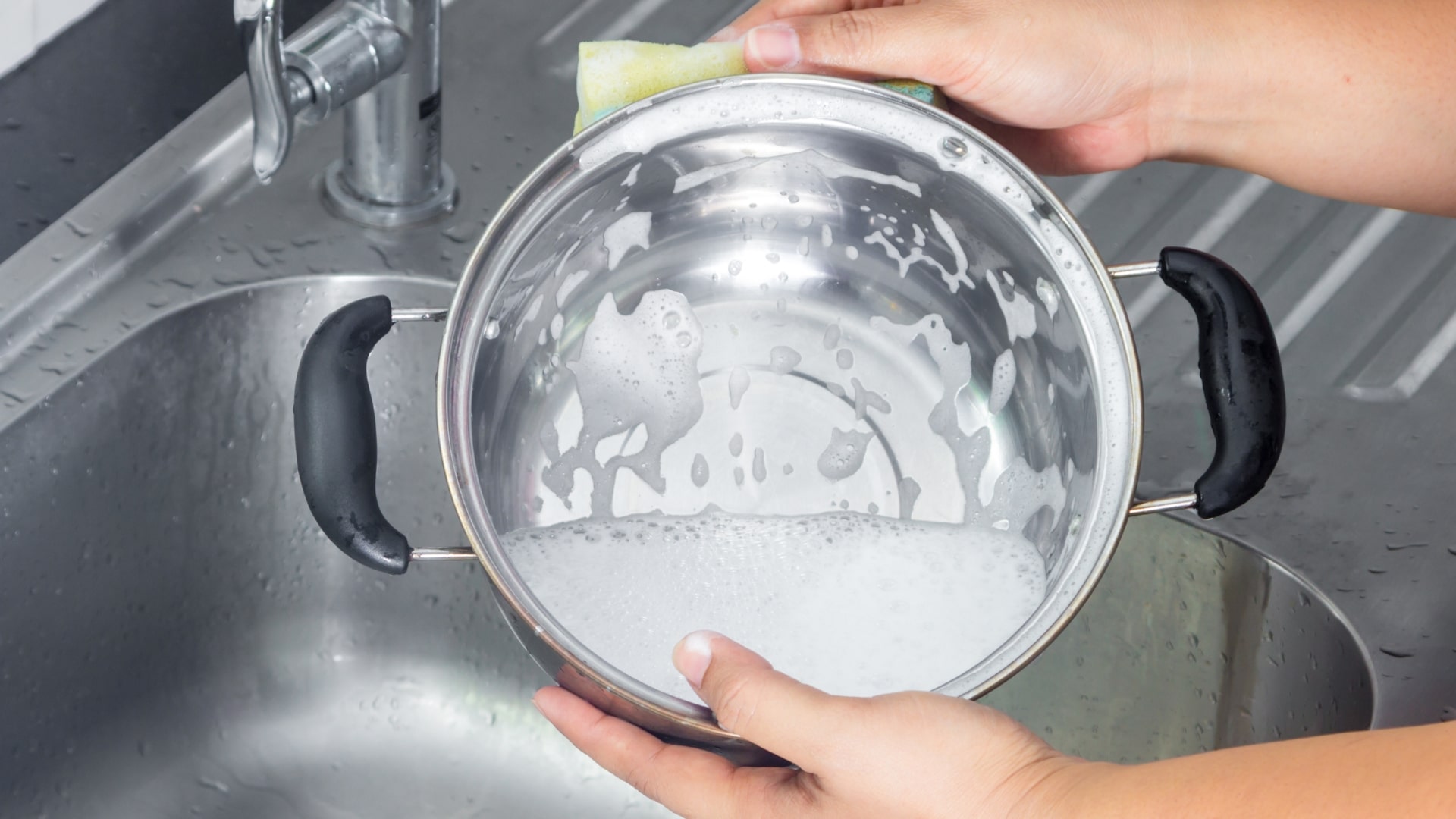
Clean your bakeware soon after baking. Warm water softens stuck food and makes cleaning easier.
Use Gentle Cleaning Tools
Choose soft sponges or cloths. Avoid steel wool or harsh scrubbers that can scratch the surface.
- Soft sponge or microfiber cloth
- Mild dish soap
- Warm water
- Baking soda for tough stains
Avoid Harsh Chemicals
Do not use bleach or strong cleaners. They can damage the metal and affect bakeware performance.
Dry Thoroughly After Washing
Wipe your bakeware dry with a clean towel. This prevents water spots and rust from forming.
| Cleaning Tip | Why It Matters |
| Clean soon after use | Prevents food from hardening |
| Use mild soap and soft sponge | Protects the stainless steel surface |
| Avoid bleach and harsh chemicals | Prevents corrosion and discoloration |
| Dry completely | Stops water stains and rust |
Avoiding Common Mistakes
Stainless steel bakeware lasts long with proper care. Mistakes can cause damage or stains.
Learn what to avoid to keep your bakeware shiny and safe for cooking.
Using Harsh Cleaners
Strong chemicals can dull or scratch stainless steel. Avoid bleach and abrasive powders.
Choose gentle dish soap and soft cloths for cleaning.
- Do not use steel wool or rough scrubbers
- Avoid cleaners with chlorine or bleach
- Use mild detergent and warm water
Ignoring Proper Drying
Leaving bakeware wet causes water spots and rust. Dry it right after washing.
Use a soft towel to dry completely before storing.
Using Metal Utensils
Metal tools can scratch the surface of stainless steel bakeware. Scratches trap food and stains.
Use silicone, wood, or plastic utensils to protect the finish.
Putting Bakeware In Dishwasher
Dishwashers can cause discoloration or pitting on stainless steel. Hand wash when possible.
If using a dishwasher, place bakeware away from other metals and use mild detergent.
Overheating Empty Bakeware
Heating empty stainless steel bakeware can cause warping or damage. Always add food or oil first.
Avoid preheating bakeware without contents inside.
Using Natural Cleaners
Cleaning stainless steel bakeware with natural products is safe and effective. These cleaners avoid harsh chemicals and keep your bakeware shiny.
Two common natural cleaners are vinegar with baking soda, and lemon juice with salt. Both help remove stains and buildup easily.
Vinegar And Baking Soda
Vinegar and baking soda form a gentle cleaning paste. This combo helps lift stuck food and grease without scratching the surface.
- Sprinkle baking soda over the bakeware surface.
- Spray or pour white vinegar on top slowly.
- Wait for the fizzing reaction to stop.
- Use a soft cloth or sponge to scrub gently.
- Rinse with warm water and dry with a towel.
Lemon Juice And Salt
Lemon juice and salt create a natural scrub. The acid cuts grease while salt acts as a mild abrasive to clean tough spots.
| Ingredient | Purpose |
| Lemon Juice | Removes stains and disinfects |
| Salt | Scrubs off stuck-on food |
To use, sprinkle salt on the bakeware, then rub lemon juice over it. Scrub gently, rinse well, and dry to prevent water marks.
Removing Stubborn Stains
Stainless steel bakeware can develop tough stains from baking and cooking. These stains need gentle care to avoid damage. Using the right cleaning methods helps keep your bakeware shiny and safe.
Stubborn stains require more than regular washing. Choose cleaning options that protect the stainless steel surface while removing marks and discoloration.
Non-abrasive Scrubs
Non-abrasive scrubs clean stains without scratching the surface. Use soft sponges or cloths with mild soap and water. Avoid steel wool or rough brushes that can harm the finish.
For stuck-on stains, soak the bakeware in warm soapy water first. Then gently scrub using circular motions. This method removes grime without damaging the metal.
- Use soft sponges or microfiber cloths
- Apply mild dish soap and warm water
- Soak bakeware before scrubbing
- Do not use steel wool or harsh brushes
Specialty Stainless Steel Cleaners
Specialty cleaners are made for stainless steel surfaces. They remove stains and restore shine safely. Follow the instructions on the cleaner to avoid damage.
These cleaners often contain gentle acids or polishers. They help remove discoloration, water spots, and baked-on residue. Use them occasionally for best results.
- Choose cleaners designed for stainless steel
- Use a soft cloth to apply the cleaner
- Follow the product directions carefully
- Rinse and dry bakeware after cleaning
Polishing Techniques
Stainless steel bakeware looks best when it shines. Polishing helps keep it smooth and bright. It removes dull spots and minor stains.
Using the right tools and solutions makes polishing easy. It also protects the bakeware from damage over time.
Microfiber Cloths
Microfiber cloths are soft and gentle on stainless steel. They clean well without scratching the surface. Use them dry or slightly damp for best results.
These cloths trap dirt and grease. They help polish the metal to a smooth shine. Avoid using rough fabrics or paper towels.
- Use a clean microfiber cloth each time
- Wipe in the direction of the metal grain
- Use gentle pressure to avoid scratches
- Wash cloths without fabric softener to keep fibers active
Homemade Polishing Solutions
You can make safe polishing solutions at home with common ingredients. They clean and shine stainless steel without harsh chemicals.
Mix small amounts to avoid waste. Test solutions on a small area first to check for any reaction.
- Mix baking soda with water to form a paste. Apply gently with a cloth.
- Use white vinegar diluted with water to remove stains. Rinse well after.
- Combine lemon juice and baking soda for a fresh polish.
- Apply olive oil sparingly to add shine after cleaning.

Credit: oakabode.com
Proper Storage Tips
Stainless steel bakeware lasts longer with the right storage. Keeping it clean and dry helps avoid damage.
Proper storage also keeps your kitchen organized and your bakeware ready to use anytime.
Keep Bakeware Dry
Always dry stainless steel bakeware completely before storing. Water left on the surface can cause spots and rust over time.
Store In A Cool, Dry Place
Choose a spot away from moisture and heat sources. A cool, dry cupboard or pantry works best to keep bakeware in good shape.
Avoid Stacking Without Protection
Stacking bakeware directly can cause scratches. Use soft cloth or paper towels between pieces to protect surfaces.
- Place a cloth or paper towel between pans
- Use silicone mats or liners if available
- Store larger bakeware separately if possible
Use Proper Racks Or Organizers
| Storage Method | Benefits |
| Vertical Racks | Save space and prevent scratches |
| Pull-out Drawers | Easy access and organized storage |
| Hooks or Wall Mounts | Keep bakeware visible and dry |
Choosing the right storage helps keep your bakeware safe and easy to reach.
Preventing Heat Damage
Stainless steel bakeware is strong but can get damaged by heat. Taking care during baking helps it last long.
Heat damage can cause warping, discoloration, or loss of shine. Use the right heat and cooling methods.
Optimal Baking Temperatures
Keep your oven temperature at or below 450°F (232°C). Higher heat can warp stainless steel.
Use moderate heat for even baking and to protect the bakeware’s surface.
- Do not exceed 450°F for long baking times
- Preheat the oven before placing bakeware inside
- Avoid sudden temperature changes during baking
Cooling Recommendations
Let stainless steel bakeware cool down naturally after use. Avoid placing hot bakeware on cold surfaces.
Quick temperature changes can cause warping and damage the bakeware’s finish.
- Remove bakeware from oven and place on heat-safe surface
- Do not run cold water over hot bakeware
- Allow bakeware to cool for at least 20 minutes before cleaning
Credit: www.harrisscarfe.com.au
Regular Maintenance Routine
Stainless steel bakeware stays in good shape with regular care. Cleaning and maintenance keep it looking new.
Following simple routines helps avoid stains and damage. It also extends the life of your bakeware.
Weekly Care Tips
Wash your stainless steel bakeware after each use. Use warm water and mild dish soap to clean it.
Dry the bakeware completely with a soft cloth. Avoid letting water sit on the surface to stop water spots.
- Use a non-abrasive sponge to avoid scratches
- Remove food residue quickly to prevent buildup
- Do not use bleach or harsh cleaners
- Store in a dry place to avoid moisture
Monthly Deep Cleaning
Deep clean your bakeware once a month to remove tough stains. Use a paste made from baking soda and water.
Apply the paste and let it sit for 15 minutes. Then scrub gently with a soft brush or sponge.
- Rinse well with warm water
- Dry thoroughly to prevent rust
- For stubborn stains, soak in vinegar and water for 30 minutes
- Polish with a microfiber cloth for shine

Credit: www.tefal.com.au
Frequently Asked Questions
How Do I Clean Stainless Steel Bakeware Effectively?
Use warm, soapy water and a soft sponge to clean. Avoid abrasive cleaners to prevent scratches. For tough stains, use a paste of baking soda and water. Rinse thoroughly and dry immediately to prevent water spots and maintain shine.
Can Stainless Steel Bakeware Go In The Dishwasher?
Yes, most stainless steel bakeware is dishwasher safe. However, hand washing is recommended to preserve the finish. Avoid harsh detergents and high heat cycles. Always check manufacturer instructions to ensure dishwasher compatibility and extend the bakeware’s lifespan.
How To Prevent Food From Sticking To Stainless Steel Bakeware?
Preheat the bakeware and lightly grease it with oil or butter before use. This creates a non-stick surface and helps with easy food release. Avoid cooking sprays, as they can cause buildup and affect performance over time.
Is Stainless Steel Bakeware Safe For High-temperature Baking?
Yes, stainless steel bakeware can withstand high temperatures without warping. It distributes heat evenly, making it suitable for roasting and baking. Always verify the maximum temperature limit from the manufacturer to avoid damage.
Conclusion
Maintaining stainless steel bakeware keeps it shiny and strong. Clean it gently after each use to avoid stains. Use mild soap and soft cloth for best results. Avoid harsh scrubbers that can scratch the surface. Dry bakeware fully to stop water spots and rust.
Store it carefully to prevent dents and damage. With simple care, your bakeware lasts many years. Enjoy cooking with tools that look great and work well. Easy steps make a big difference in keeping quality. Take time to care for your stainless steel bakeware.