
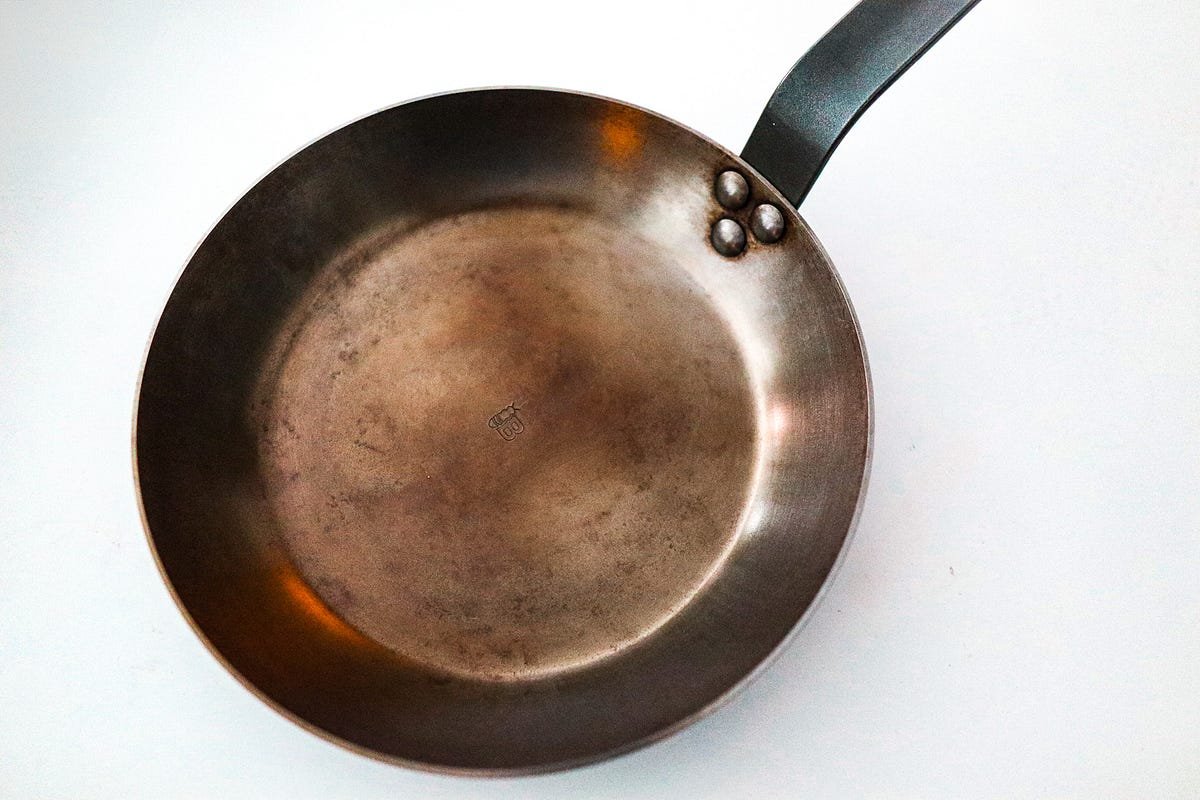
If you love cooking with carbon steel skillets, you know how important it is to keep them clean without harming their natural seasoning. But cleaning these pans can be tricky—too much scrubbing or harsh chemicals can damage your skillet and ruin your cooking experience.
What if you could clean your carbon steel skillet using simple, natural methods that protect its surface and make your food taste even better? You’ll discover easy, natural ways to clean your skillet that anyone can do. Keep reading, and you’ll learn how to make your skillet last longer and cook like a pro every time.
Benefits Of Carbon Steel Skillets
Carbon steel skillets are popular for many reasons. They combine strength, durability, and great cooking performance.
Cleaning them naturally keeps their surface healthy and improves cooking results over time.
Durability And Longevity
Carbon steel skillets last for many years with proper care. They resist warping and cracking better than other pans.
Natural cleaning helps keep the metal strong and prevents damage from harsh chemicals.
Excellent Heat Conduction
These skillets heat up quickly and cook food evenly. This saves energy and time in the kitchen.
Cleaning with gentle methods keeps the skillet’s surface smooth for better heat flow.
Non-stick Surface Improves Over Time
With use, carbon steel skillets develop a natural non-stick layer called seasoning. This makes cooking easier.
Cleaning without harsh soaps helps keep this seasoning intact and improves the pan’s performance.
Lightweight And Easy To Handle
Carbon steel skillets are lighter than cast iron but still very strong. This makes them easy to move and use.
Natural cleaning avoids adding roughness or residue, keeping the skillet comfortable to hold.
Versatility In Cooking
You can use carbon steel skillets for many cooking styles. They work on stoves, ovens, and grills.
Natural cleaning methods help keep the skillet ready for any recipe without harmful chemicals.

Credit: www.beka-cookware.com
Understanding Carbon Steel Characteristics
Carbon steel skillets are popular for cooking because they heat evenly and last a long time.
Knowing their properties helps you clean and care for them naturally without damage.
Durability And Heat Retention
Carbon steel skillets are strong and resist warping under high heat. They heat quickly and keep heat well, making cooking easier.
| Characteristic | Details |
| Material | Carbon steel |
| Durability | Highly durable, resists dents and warping |
| Heat Retention | Heats quickly and holds heat evenly |
| Weight | Lighter than cast iron but strong |
Seasoning And Maintenance
Seasoning creates a natural non-stick surface on the skillet. It protects the metal from rust and improves cooking.
- Apply a thin layer of oil before and after cooking
- Heat the skillet to bond the oil to the surface
- Clean with warm water and a soft brush; avoid soap
- Dry completely to prevent rust
- Re-season if food starts to stick or rust appears
Essential Tools For Cleaning
Keeping your carbon steel skillet clean is key to its long life. Using natural tools and agents helps avoid damage.
Here are essential natural cleaning agents and useful accessories for the best care.
Natural Cleaning Agents
Natural agents remove stuck food and rust without harsh chemicals. They protect the skillet’s surface and seasoning.
- Coarse salt to scrub and absorb grease
- Lemon juice or vinegar for rust removal
- Baking soda as a gentle abrasive cleaner
- Warm water for rinsing and soaking
Cleaning Accessories
Choose the right tools to clean gently and keep the skillet smooth and seasoned.
| Accessory | Use |
|---|---|
| Non-metal scrubber | Removes food without scratching |
| Soft brush | Cleans grooves and edges |
| Microfiber cloth | Dries skillet and buffs seasoning |
| Silicone spatula | Scrapes food gently |
Step-by-step Cleaning Process
Cleaning carbon steel skillets naturally helps keep their seasoning and lasts longer. This guide shows simple steps to clean your skillet without harsh chemicals.
Follow these easy steps to remove residue and keep your skillet ready for cooking.
Pre-cleaning Preparation
Before cleaning, let the skillet cool down to avoid warping. Do not soak it in water, as this can cause rust.
Gather a few simple items: coarse salt, warm water, and a soft sponge or cloth.
Removing Residue With Salt
Pour a tablespoon of coarse salt into the skillet. The salt works as a gentle scrubber to remove stuck food.
Use a paper towel or cloth to rub the salt across the skillet surface. This helps lift residue without damaging the pan.
- Use coarse salt, not fine salt
- Rub gently in circular motions
- Focus on areas with stuck food
- Discard salt after scrubbing
Gentle Scrubbing Techniques
After removing residue with salt, rinse the skillet with warm water. Avoid using soap to protect the seasoning.
If needed, use a soft sponge or brush to clean remaining bits. Do not use steel wool or harsh scrubbers.
- Rinse with warm water only
- Use soft sponge or brush
- Avoid soap and harsh scrubbers
- Dry skillet immediately after cleaning
Dealing With Stubborn Stains
Carbon steel skillets need care to keep their surface smooth. Stubborn stains can build up from cooking. Using natural methods helps clean without damage.
Two simple ways to remove tough stains are baking soda paste and natural acidic solutions. These methods are safe and effective.
Using Baking Soda Paste
Baking soda is gentle but strong enough to clean stains. Make a paste with baking soda and water. Apply it to the stained area and let it sit for a few minutes.
- Mix 2 tablespoons of baking soda with 1 tablespoon of water.
- Spread the paste over the stain on the skillet.
- Let it sit for 10 minutes to loosen the stain.
- Scrub gently with a soft sponge or cloth.
- Rinse with warm water and dry the skillet well.
Natural Acidic Solutions
Natural acids like vinegar and lemon juice help break down tough stains. They also remove rust and restore the skillet’s shine.
| Acidic Solution | How to Use |
| White Vinegar | Soak a cloth in vinegar and wipe the stain. Let it sit for 5 minutes, then scrub lightly. |
| Lemon Juice | Rub lemon juice on the stain. Leave for 10 minutes and rinse with warm water. |
| Vinegar and Water Mix | Mix equal parts vinegar and water. Boil in the skillet for 5 minutes, then scrub and rinse. |

Credit: www.reddit.com
Restoring The Seasoning Layer
Carbon steel skillets need a strong seasoning layer to stay non-stick and rust-free. Cleaning them naturally helps keep this layer healthy.
This guide focuses on restoring the seasoning by applying oil and using heat treatments.
Applying Oil Coating
After cleaning your skillet, apply a thin oil layer. This protects the metal and rebuilds the seasoning.
- Use oils with high smoke points like flaxseed, grapeseed, or vegetable oil.
- Pour a small amount of oil onto the skillet surface.
- Use a paper towel to spread the oil evenly.
- Wipe off any excess oil to avoid sticky buildup.
- Make sure the coating is thin and smooth.
Heat Treatment Tips
Heating the skillet after oiling helps bond the oil to the metal, creating a durable seasoning layer.
| Temperature | Time | Purpose |
| 400°F (204°C) | 30 minutes | Polymerizes the oil |
| 350°F (177°C) | 15 minutes | Even heat distribution |
| Room temperature | Cool down | Set the seasoning layer |
Preventing Rust Formation
Carbon steel skillets need care to avoid rust. Rust can ruin their cooking surface.
Cleaning and drying them right helps keep them rust-free for years.
Proper Drying Techniques
After washing, dry your skillet immediately. Leaving water on steel causes rust.
- Wipe the skillet with a clean towel right after washing.
- Place the skillet on low heat for a few minutes to evaporate any moisture.
- Let the skillet cool down before storing it.
Storage Recommendations
| Storage Tip | Reason |
|---|---|
| Store in a dry place | Reduces moisture exposure that causes rust |
| Keep skillet uncovered or with a paper towel inside | Allows air flow and absorbs moisture |
| Apply a thin layer of oil before storing | Creates a protective barrier against rust |

Credit: www.debuyer-usa.com
Long-term Maintenance Practices
Cleaning and caring for carbon steel skillets helps them last longer. Natural methods keep the pan safe and ready to use.
Regular care prevents rust and damage. This guide shares simple ways to keep your skillet in top shape.
Regular Cleaning Routine
After cooking, clean your skillet with warm water and a soft brush. Avoid soap as it can remove the seasoning.
If food sticks, add coarse salt and scrub gently. Rinse with water and dry completely to stop rust.
- Use warm water and soft brush only
- Scrub stuck food with coarse salt
- Dry skillet thoroughly after washing
- Apply a thin oil layer to protect the surface
Periodic Reseasoning Tips
Reseasoning restores the skillet’s natural non-stick surface. Do this every few months or if the surface looks dull.
Heat the skillet, apply a thin layer of cooking oil, then bake it upside down in the oven. This seals and protects the pan.
- Clean skillet before reseasoning
- Use a high smoke point oil like flaxseed or vegetable oil
- Coat skillet evenly with oil
- Bake at 400°F (204°C) for one hour
- Let skillet cool in the oven before use
Frequently Asked Questions
How Do I Clean Carbon Steel Skillets Naturally?
Use warm water and a soft sponge to clean. Avoid soap to maintain seasoning. For stuck food, scrub with coarse salt and rinse. Dry completely and apply a light oil layer to prevent rust.
Can I Use Vinegar To Clean Carbon Steel Pans?
Yes, vinegar helps remove rust naturally. Mix equal parts vinegar and water. Soak the pan for 1-2 hours, then scrub with salt. Rinse and dry thoroughly before re-seasoning the pan.
Is It Safe To Avoid Soap On Carbon Steel?
Avoiding soap preserves the pan’s natural seasoning. Soap can strip oils and damage the non-stick surface. Use hot water and salt scrub instead to keep your skillet well-seasoned and rust-free.
How Do I Prevent Rust On Carbon Steel Skillets?
Always dry your skillet immediately after washing. Apply a thin layer of cooking oil to the surface. Store in a dry place. Regular seasoning also builds a protective layer against rust.
Conclusion
Cleaning carbon steel skillets naturally keeps them in great shape. Use simple ingredients like salt and water for best results. Avoid harsh chemicals that can damage the pan’s surface. Dry the skillet well to stop rust from forming. Regular care helps your skillet last for years.
Easy steps bring out the best cooking experience. Trust natural cleaning methods to protect your skillet’s quality. Keep these tips in mind for a healthy kitchen tool. Your skillet will stay smooth, clean, and ready to cook anytime. Simple, natural care makes a big difference.