
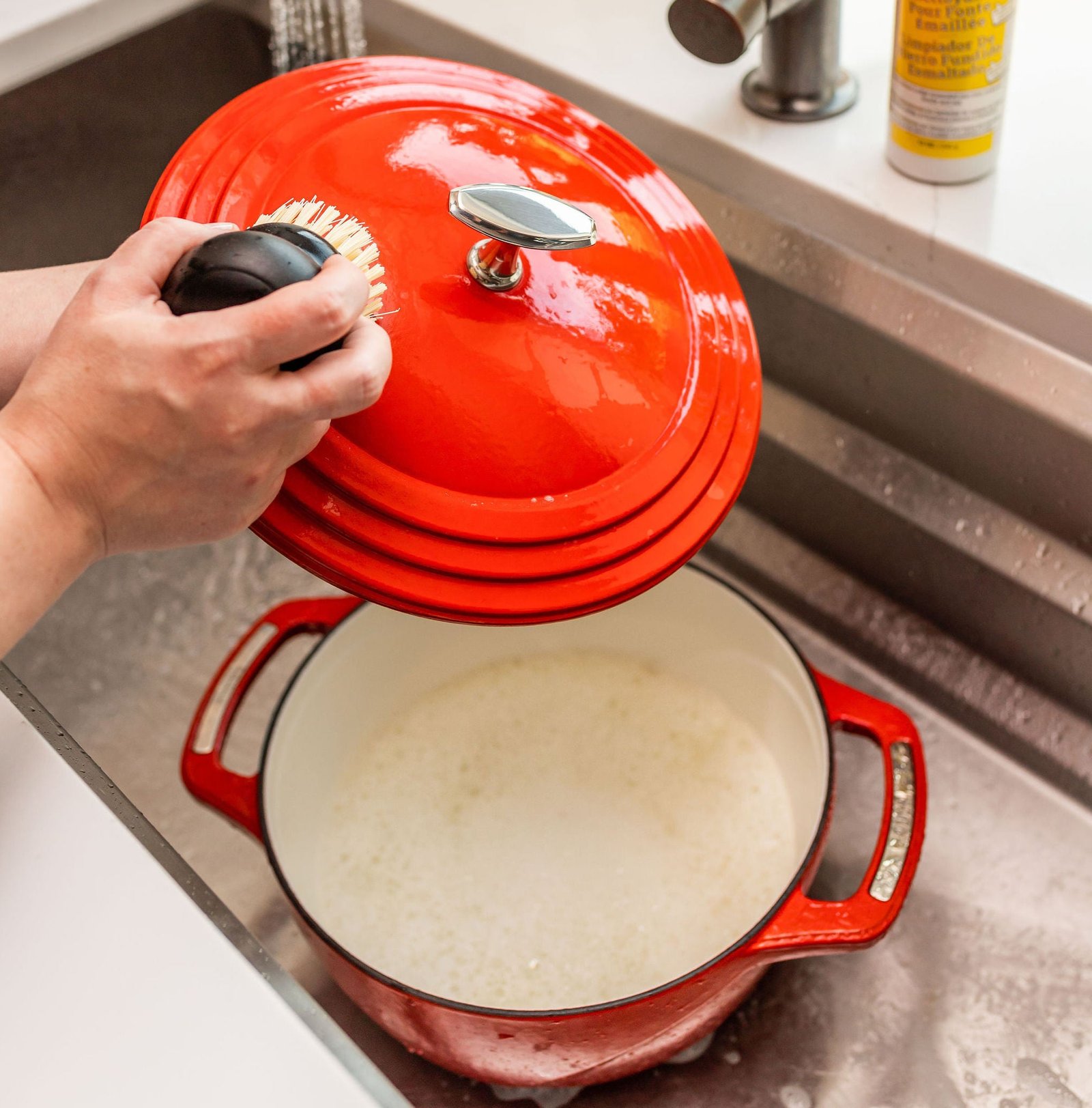
Are your enamel pots looking dull or stained? Cleaning them might seem tricky, but it doesn’t have to be.
You want your pots to shine and last longer, right? You’ll discover simple, effective ways to bring back that bright, spotless finish. By the time you finish reading, you’ll know exactly how to care for your enamel cookware so it stays beautiful and ready for your next meal.
Let’s get started and make your pots look like new again!
Choosing The Right Cleaning Products
Cleaning enamel pots needs care to keep them in good shape. Picking the right products helps avoid damage and keeps pots looking new.
Some cleaners can scratch or wear down the enamel surface. Use gentle products that clean well without harm.
Non-abrasive Cleaners
Non-abrasive cleaners remove stains without scratching enamel. They protect the pot’s smooth finish.
- Use soft sponges or cloths with liquid dish soap.
- Avoid powdery or gritty cleaners that can cause scratches.
- Check labels for “non-abrasive” or “safe for enamel.”
- Test cleaner on a small spot before full use.
Natural Cleaning Solutions
Natural cleaners are gentle and safe for enamel pots. They use simple ingredients found at home.
| Natural Cleaner | How to Use | Benefits |
| Baking Soda | Make a paste with water, rub gently on stains | Non-toxic, removes stains without scratching |
| White Vinegar | Soak pot in diluted vinegar to loosen buildup | Disinfects and cuts grease |
| Lemon Juice | Apply juice to stains, let sit, then rinse | Natural bleach, fresh scent |
| Castile Soap | Use diluted soap with soft cloth to clean | Mild and biodegradable |
Initial Rinse And Soak
Cleaning enamel pots starts with a good rinse and soak. This removes loose dirt and softens tough stains.
Taking time for these steps helps keep your pots looking new and prevents damage while scrubbing.
Warm Water Rinse
Use warm water to rinse your enamel pot right after cooking. Warm water loosens food bits and grease better than cold water.
- Fill the pot with warm water.
- Swirl the water around to remove stuck bits.
- Pour out the water and check for leftover spots.
- Repeat if necessary before soaking.
Soaking For Stubborn Stains
For stains that stay after rinsing, soak the pot. Soaking softens the stains and makes cleaning easier.
| Soaking Method | Instructions |
|---|---|
| Soap and Warm Water | Fill pot with warm water, add dish soap, soak 30 minutes. |
| Baking Soda Paste | Mix baking soda with water, apply on stains, soak 1 hour. |
| Vinegar Soak | Pour equal parts vinegar and water, soak 20 minutes, rinse well. |
Gentle Scrubbing Techniques
Cleaning enamel pots needs care to keep their shiny surface. Scrubbing too hard can cause scratches.
Gentle scrubbing helps remove dirt without damaging the enamel coating. Use soft tools and mild pressure.
Using Soft Sponges
Soft sponges are perfect for cleaning enamel pots. They clean well without scratching the surface.
Choose sponges with a soft side for gentle scrubbing. Avoid rough or abrasive sides that can harm the pot.
- Use a damp soft sponge with mild soap
- Gently scrub the pot in circular motions
- Rinse well to remove soap and dirt
Avoiding Metal Scrubbers
Metal scrubbers can scratch and damage enamel pots. Avoid using steel wool or metal brushes.
These tools wear away the enamel surface and cause rust spots. Use softer tools instead.
- Never use metal scrubbers on enamel pots
- Choose nylon or soft sponges for cleaning
- Use gentle pressure to protect the coating

Credit: food52.com
Removing Tough Stains
Enamel pots can get tough stains from burnt food and hard water. Removing these stains keeps your pots looking new. You can use simple home ingredients to clean them safely.
Two common methods are baking soda paste and a vinegar and baking soda mix. Both methods are gentle and effective for enamel surfaces.
Baking Soda Paste
Baking soda acts as a mild abrasive that lifts stains without scratching the enamel. Make a thick paste with baking soda and water for easy application.
- Mix three parts baking soda with one part water.
- Apply the paste to the stained areas of the pot.
- Let it sit for 15 to 20 minutes to break down stains.
- Use a soft sponge to scrub gently in a circular motion.
- Rinse the pot with warm water and dry it with a cloth.
Vinegar And Baking Soda Method
This method uses the fizzing action of vinegar and baking soda to remove tough stains and odors. It helps to loosen burnt bits inside the pot.
| Step | Action |
| 1 | Pour 1 cup of white vinegar into the pot. |
| 2 | Heat the pot on low until the vinegar is warm but not boiling. |
| 3 | Remove from heat and add 2 tablespoons of baking soda. |
| 4 | Wait for the fizz to stop, then scrub with a sponge. |
| 5 | Rinse well and dry with a soft towel. |
Handling Burnt Residue
Burnt residue in enamel pots can be tough to clean. It often sticks tightly to the surface. Using safe methods can help remove the burnt layer without damage.
Below are two simple ways to clean your enamel pots and restore their shine.
Boiling Water Method
This method uses hot water to loosen burnt food. It is gentle and effective for many cases.
- Fill the pot with enough water to cover the burnt area.
- Place the pot on the stove and bring the water to a boil.
- Let it boil for 10 to 15 minutes to soften the residue.
- Turn off the heat and allow the water to cool slightly.
- Use a wooden or silicone spatula to scrape off the loosened residue.
- Wash the pot with warm soapy water and rinse well.
Salt And Lemon Trick
Salt and lemon create a mild abrasive cleaner. This mix can brighten the pot and remove stains.
| Ingredient | Purpose |
|---|---|
| Coarse salt | Scrubs away burnt bits |
| Lemon juice | Breaks down stains and adds freshness |
To use this trick:
- Sprinkle coarse salt over the burnt area of the pot.
- Cut a lemon in half and squeeze juice onto the salt.
- Use the lemon half to scrub the pot gently.
- Rinse the pot with warm water and dry it well.
Polishing For Extra Shine
Enamel pots look best when they shine. Polishing helps bring out their bright surface. It also keeps them clean and smooth.
Using simple household items can make your enamel pots sparkle. Two easy ways are wiping with white vinegar and using olive oil.
White Vinegar Wipe
White vinegar helps remove stains and dull spots on enamel pots. It cleans the surface gently without damage.
Use a soft cloth soaked in vinegar to wipe the pot. Let it sit for a few minutes. Then rinse with water and dry with a towel.
- Soak a cloth in white vinegar
- Wipe the enamel pot’s surface
- Let it sit for 5 minutes
- Rinse with warm water
- Dry with a clean towel
Using Olive Oil
Olive oil adds a natural shine to enamel pots. It also helps protect the surface from dullness.
Put a small amount of olive oil on a soft cloth. Rub the pot gently in circles. Wipe off extra oil with a dry cloth.
- Apply a few drops of olive oil to cloth
- Rub the enamel pot in circular motions
- Cover all areas evenly
- Use a dry cloth to remove excess oil
- Enjoy the extra shine
Preventive Care Tips
Keeping enamel pots clean helps them last longer and stay safe to use. Proper care prevents damage and stains.
These tips focus on ways to protect your enamel pots before problems start. Small habits make a big difference.
Avoiding Sudden Temperature Changes
Enamel pots can crack if exposed to quick temperature shifts. Follow these actions to protect them:
- Do not put a hot pot directly into cold water.
- Heat the pot gradually over low to medium flame.
- Let the pot cool before washing or storing.
- Avoid placing cold food into a hot pot.
Regular Maintenance Routine
Clean enamel pots carefully and keep them in good shape. Use these steps often to avoid buildup and damage.
| Task | How Often | Details |
| Wash with warm soapy water | After every use | Use a soft sponge to avoid scratches |
| Remove stains with baking soda | Weekly | Make a paste and scrub gently |
| Check for chips or cracks | Monthly | Stop use if enamel is damaged |
| Dry thoroughly after washing | Every time | Prevents rust on metal parts |

Credit: www.reddit.com
Storage And Handling
Proper storage and handling keep enamel pots in good shape. It helps avoid chips and cracks.
Cleaning enamel pots well is not enough. Drying and stacking them carefully matter too.
Proper Drying Techniques
Dry enamel pots completely before storing. Water left on them can cause rust on metal parts.
Use a soft cloth or air dry upside down to remove all moisture. Avoid rough towels that can scratch.
- Wipe with a soft, dry cloth
- Let pots air dry upside down
- Check handles and lids for hidden moisture
- Do not stack pots while wet
Safe Stacking Practices
Stack enamel pots carefully to prevent chips and cracks. Heavy pots can damage lighter ones below.
Place soft cloths or paper towels between pots if you need to stack them. This adds a cushion.
- Stack pots by size, largest at the bottom
- Use cloth or paper between pots
- Avoid placing heavy lids or pots on top
- Store pots in a stable, dry place
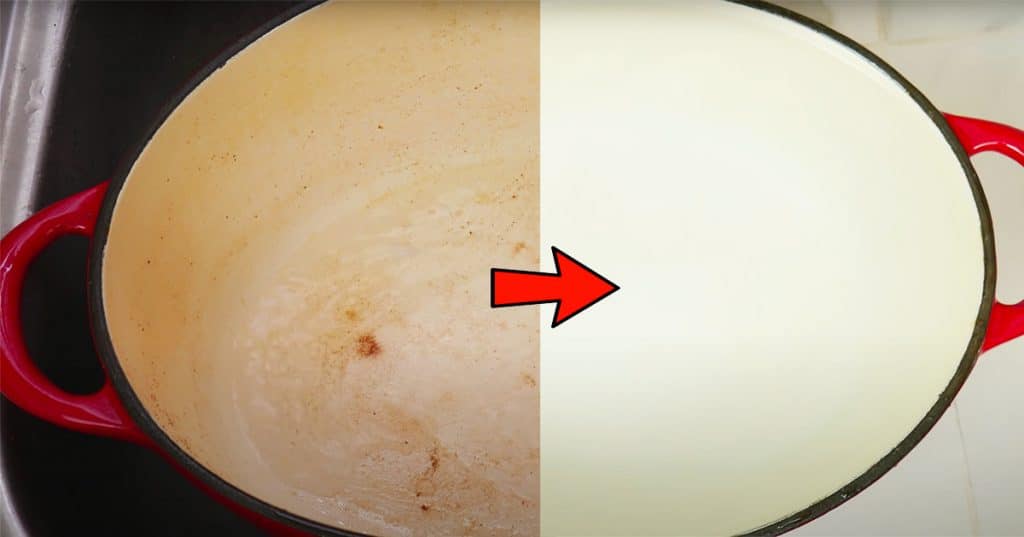
Credit: diyjoy.com
Frequently Asked Questions
How Do I Remove Stains From Enamel Pots?
To remove stains, soak the pot in warm soapy water for 15 minutes. Use a soft sponge with baking soda to scrub gently. Avoid abrasive cleaners that damage the enamel surface. Rinse well and dry with a soft cloth to maintain shine.
Can Vinegar Clean Enamel Pots Effectively?
Yes, vinegar is effective for cleaning enamel pots. Mix equal parts vinegar and water, boil it in the pot for 10 minutes. Let it cool, then scrub gently with a sponge. Vinegar helps dissolve mineral deposits and stains without harming the enamel.
Is It Safe To Use Bleach On Enamel Pots?
It’s best to avoid bleach on enamel pots. Bleach can cause discoloration and damage the enamel coating. Instead, use mild detergents or natural cleaners like baking soda and vinegar to keep your pots clean and safe.
How Do I Prevent Enamel Pots From Staining?
Prevent staining by cleaning pots immediately after use. Avoid cooking acidic foods for long periods. Use non-abrasive cleaning tools and avoid metal utensils that scratch the enamel. Proper care keeps your enamel pots looking new and stain-free.
Conclusion
Cleaning enamel pots does not have to be hard. Use gentle tools and mild cleaners for best results. Avoid harsh scrubbing to keep the enamel safe. Regular care helps your pots last longer. Small steps make a big difference in cleaning.
Keep your pots shiny and ready for cooking. Simple habits protect your cookware every day. Enjoy cooking with pots that look and feel great.