
Choosing the right pressure cooker isn’t just about cooking faster—it’s about keeping you and your loved ones safe in the kitchen. You might think all pressure cookers are the same, but picking the wrong one can lead to accidents or poor results.
You’ll discover simple, practical tips to help you select a pressure cooker that fits your needs and keeps safety a top priority. Keep reading, and you’ll learn how to make a smart choice that protects your home while making mealtime easier.
Types Of Pressure Cookers
Pressure cookers come in different types. Each type has unique features and safety options.
Knowing the types helps you pick one that fits your needs and keeps you safe.
Stovetop Models
Stovetop pressure cookers use heat from a gas or electric stove. They heat quickly and reach high pressure.
They have safety valves and locking lids to prevent accidents. You watch the pressure gauge to control cooking.
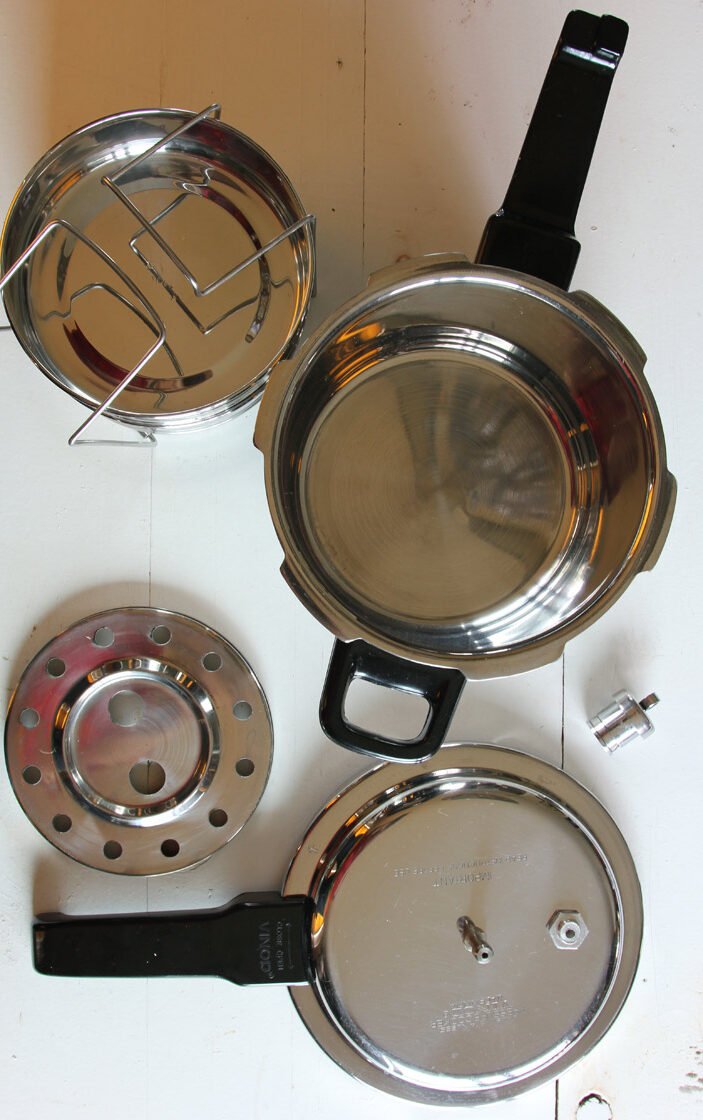
- Made of heavy metal, usually stainless steel or aluminum
- Require careful heat control
- Have pressure release valves for safety
- Durable and long-lasting
Electric Models
Electric pressure cookers have built-in heating elements. They cook food at set pressure levels automatically.
They include safety features like lid locks and pressure sensors. You can program cooking times and pressure.
- Plug into an electrical outlet
- Have digital controls for easy use
- Include automatic pressure and temperature control
- Often have safety locking lids
Multifunction Cookers
Multifunction cookers combine pressure cooking with other cooking modes. They can slow cook, steam, or sauté.
Safety features include automatic shut-off and pressure release systems. They are good for varied cooking tasks.
- Work as pressure cookers and other kitchen appliances
- Have presets for different foods
- Include built-in safety locks and sensors
- Useful for saving space and time

Credit: prabhasteel.com
Key Safety Features
Choosing a pressure cooker with the right safety features is important. These features help prevent accidents and make cooking safer.
Knowing the key safety parts helps you pick a cooker that protects you during use. Look for these features before buying.
Pressure Release Valves
Pressure release valves let steam escape to keep pressure safe. They stop the cooker from building too much pressure.
Check if the valve is easy to use and clean. Good valves also prevent food from clogging them.
- Releases steam automatically when pressure is high
- Prevents pressure buildup and possible explosions
- Easy to remove for cleaning
- Made from heat-resistant materials
Locking Mechanisms
Locking mechanisms keep the lid closed tightly while cooking. They stop the lid from opening under pressure.
Look for cookers with clear locking signals. These signals show when it is safe to open the lid.
- Lid locks securely during cooking
- Prevents accidental opening under pressure
- Shows when pressure is released
- Durable and easy to operate
Overpressure Plug
An overpressure plug acts as a backup safety. It releases pressure if other parts fail.
This plug is usually made of soft material. It melts or pops out to release steam safely.
- Works if pressure release valve is blocked
- Prevents cooker from exploding
- Usually a one-time use part
- Check if replacement plugs are available
Materials And Durability
Choosing the right material for a pressure cooker is key for safety. Durable materials last longer and handle heat well.
Understanding the differences between stainless steel and aluminum helps pick a safe cooker. Quality construction also matters.
Stainless Steel Vs. Aluminum
Stainless steel and aluminum are common materials for pressure cookers. Each has pros and cons affecting safety and durability.
| Material | Durability | Heat Conductivity | Maintenance |
| Stainless Steel | Very strong and resists dents | Moderate, heats evenly but slower | Easy to clean, resists rust |
| Aluminum | Less strong, can scratch or dent | Excellent, heats quickly and evenly | Needs care to avoid corrosion |
Quality Construction
Good construction ensures the cooker handles pressure safely. Look for strong welds and secure handles.
- Check if the lid locks firmly without gaps
- Examine the sealing ring for flexibility and strength
- Ensure pressure valves are sturdy and easy to operate
- Look for cookers with tested safety features
- Read reviews about long-term durability

Credit: modernistcuisine.com
Size And Capacity
Choosing the right size and capacity is key for pressure cooker safety. The size affects how well food cooks and how safe the cooker is to use.
Too large or too small a pressure cooker can cause problems. Pick one that fits your cooking habits and kitchen space.
Family Needs
Think about how many people you cook for daily. Larger families need bigger cookers to prepare enough food at once.
Small cookers are better for singles or couples. Using the right size helps avoid overfilling, which can be unsafe.
- Small: 3 to 4 quarts, ideal for 1-2 people
- Medium: 5 to 6 quarts, good for 3-4 people
- Large: 7 to 8 quarts or more, fits families of 5 or more
Storage Considerations
Check the space where you will keep your pressure cooker. Large cookers need more storage room, which may be tight in small kitchens.
Choose a size that fits your storage area easily. This keeps your kitchen organized and prevents damage to the cooker.
- Measure cabinet or shelf space before buying
- Consider stackable or compact models if space is limited
- Store the cooker with the lid off to keep seals fresh
Ease Of Use
Selecting a pressure cooker that is easy to use helps keep cooking safe. A simple design reduces mistakes and accidents. Look for models that make cooking clear and straightforward.
Safety depends on how well you understand the controls and keep the cooker clean. These two areas play a big role in safe pressure cooking.
User-friendly Controls
Controls should be easy to read and use. Clear labels and simple buttons help avoid confusion. Some pressure cookers have digital displays or simple dials to set time and pressure.
- Look for large, clear buttons or knobs
- Choose cookers with easy-to-understand symbols
- Check if the cooker has safety locks that are simple to operate
- Consider models with automatic pressure release features
- Avoid complex settings that require many steps
Cleaning And Maintenance
Regular cleaning keeps the cooker working safely. Some parts must be cleaned daily, while others need attention less often. Easy-to-remove parts make cleaning faster and safer.
| Part | Cleaning Frequency | Tip |
|---|---|---|
| Sealing Ring | After Each Use | Remove and wash with warm soapy water |
| Pressure Valve | Weekly | Check for blockages and clean carefully |
| Lid | After Each Use | Wipe with a damp cloth and dry well |
| Pot Body | After Each Use | Wash with mild detergent and avoid scratches |
Energy Efficiency
Choosing a pressure cooker with good energy efficiency helps save fuel and electricity. It also reduces cooking time.
Energy-efficient pressure cookers keep heat inside and cook food faster. This makes them safer and better for the environment.
Material And Build Quality
High-quality materials like stainless steel hold heat well. A thick base spreads heat evenly. This lowers energy use.
Choose the right size for your cooking needs. A too-large cooker wastes energy. A too-small one can overwork the stove.
- Use a small cooker for 1–2 people
- Medium size fits 3–5 people
- Large size is good for 6 or more
Pressure Settings
Multiple pressure settings allow better control of cooking speed and energy use. Higher pressure cooks faster but uses more energy.
Energy Use Comparison
| Type | Energy Use | Cooking Time |
| Traditional Cooker | High | Long |
| Electric Pressure Cooker | Medium | Medium |
| Stove-top Pressure Cooker | Low | Short |
Brand Reputation And Reviews
Choosing a pressure cooker with a good brand reputation helps ensure safety. Brands known for quality follow strict safety rules. Checking reviews shows real user experiences.
Reviews can highlight strengths and problems. They reveal how well the cooker performs and if it is safe to use. This information helps you pick the right one.
Check Brand History
Look for brands with many years in the kitchen appliance market. Older brands often have better quality control. They are more likely to fix safety issues quickly.
Brands that invest in research and safety tests show responsibility. Avoid new or unknown brands without clear safety records.
Read Customer Reviews
Customer reviews tell you how the cooker works in real life. Look for reviews that mention safety features and any problems. Pay attention to repeated issues reported by many users.
- Check if the cooker’s lid seals well
- Look for comments about the pressure release valve
- Note any reports of accidents or malfunctions
- See if customers mention good customer support
Compare Safety Features
| Safety Feature | What to Look For | Why It Matters |
|---|---|---|
| Pressure Release Valve | Easy to use and reliable | Prevents dangerous pressure build-up |
| Locking Lid | Locks securely during cooking | Stops lid from opening under pressure |
| Safety Sensors | Detects excess pressure or heat | Automatically stops cooking if unsafe |
| Durable Materials | Strong metal or hard plastic | Resists damage and pressure leaks |
Budget Considerations
Choosing a safe pressure cooker means thinking about your budget. You need to find a model that fits your price range and meets safety needs.
It helps to balance cost and features. You also want to think about how long the cooker will last before buying.
Cost Vs. Features
Cheaper pressure cookers may lack safety parts like pressure regulators or locking lids. More expensive models often have extra safety features.
Look for features like automatic pressure release and strong seals. These make cooking safer but can raise the price.
- Basic models may cost less but have fewer safety parts
- Mid-range cookers often include better safety valves
- High-end cookers offer multiple safety layers and durability
Long-term Investment
Buying a good pressure cooker is an investment. A safe, durable cooker can save money over time.
Cheaper cookers might break or need replacement parts soon. Spending more now can avoid future costs and risks.
- Durable materials last longer and stay safe
- Good brands offer warranties and support
- Regular maintenance keeps your cooker safe and working
Warranty And Customer Support
Choosing a pressure cooker with a good warranty ensures protection against defects. Reliable customer support helps solve problems quickly.
These two factors keep you safe and give peace of mind while using your cooker.
Check The Warranty Period
Look for a pressure cooker with a warranty of at least one year. A longer warranty shows the brand trusts its product.
The warranty should cover parts and repairs. Read the terms carefully to know what is included and excluded.
- Minimum one-year warranty recommended
- Coverage for both parts and labor
- Clear terms on what voids the warranty
Evaluate Customer Support Options
Good customer support helps if you have questions or need repairs. Check if the brand offers phone, email, or chat support.
Fast and helpful responses make owning a pressure cooker safer and easier.
- Multiple contact methods improve access
- Quick response times reduce downtime
- Helpful support guides or FAQs add value
Credit: www.consumerreports.org
Frequently Asked Questions
What Safety Features Should I Look For In A Pressure Cooker?
Look for pressure cookers with secure locking lids, pressure release valves, and safety plugs. These features prevent accidents and ensure safe cooking.
How Do I Choose The Right Size Pressure Cooker?
Select a size based on your family needs. Smaller cookers suit 2-4 people, while larger ones are ideal for bigger families or batch cooking.
Are Stainless Steel Or Aluminum Pressure Cookers Safer?
Stainless steel pressure cookers are safer and more durable. They resist corrosion and handle high heat without warping, ensuring longevity and safety.
How Often Should I Inspect My Pressure Cooker For Safety?
Inspect your pressure cooker before every use. Check the gasket, valves, and lid for wear or damage to maintain optimal safety.
Conclusion
Choosing a safe pressure cooker matters for your kitchen and family. Focus on features like secure locks, pressure indicators, and strong materials. Check for safety certifications to ensure quality. Pick a size that fits your cooking needs. Remember, careful use and regular maintenance keep your cooker safe.
A good pressure cooker saves time and protects you. Stay smart, stay safe in the kitchen.