

When it comes to making the perfect soup or stew, the pot you use can make all the difference. You want a pot that heats evenly, holds just the right amount, and is easy to handle.
Choosing the best pot for soups and stews can save you time, improve your cooking, and even make cleanup easier. You’ll discover top pots that fit your kitchen and cooking style. Ready to find the perfect pot that turns your meals into comfort food masterpieces?
Keep reading to learn which options will work best for you.
Material Matters
Choosing the right pot affects how your soup or stew cooks. Different materials change heat and taste.
Some pots keep heat longer, while others heat up fast. Pick a pot that fits your cooking style.
Cast Iron Options
Cast iron pots hold heat very well. They cook food evenly and keep it warm for a long time.
These pots are heavy and need care to avoid rust. They work great for slow cooking soups and stews.
- Excellent heat retention
- Durable and long-lasting
- Needs seasoning to prevent rust
- Heavy to handle
Stainless Steel Choices
Stainless steel pots heat quickly and are easy to clean. They do not react with acidic foods.
These pots are lighter than cast iron and often come with an aluminum base for better heat spread.
- Fast heating
- Non-reactive surface
- Easy to clean
- Lightweight
Ceramic Alternatives
Ceramic pots offer gentle, even heat. They are good for slow cooking and simmering soups and stews.
These pots often have a smooth surface that does not stick. They need careful handling to avoid chips.
- Even heat distribution
- Non-stick surface
- Delicate, can chip easily
- Good for slow cooking

Credit: www.amazon.ca
Size And Capacity
Choosing the right pot size is key for making soups and stews. The pot must match the amount of food you want to cook.
Too small a pot can cause spills and uneven cooking. Too large a pot can waste energy and space.
Small Pots For Single Servings
Small pots hold 1 to 2 quarts. They are perfect for one person or small portions. These pots heat quickly and are easy to handle.
- Ideal for quick soups or stews
- Easy to store and clean
- Good for reheating leftovers
Medium Pots For Family Meals
Medium pots hold 4 to 6 quarts. They fit most family meals. These pots give enough space for ingredients to cook evenly.
| Capacity | Best Use | Typical Size |
| 4 quarts | Small family meals | 10 inches diameter |
| 5 quarts | Average family size | 11 inches diameter |
| 6 quarts | Larger family meals | 12 inches diameter |
Large Pots For Gatherings
Large pots hold 8 quarts or more. They work well for parties or big groups. These pots need strong handles and a sturdy base.
Benefits of large pots:
- Cook large batches at once
- Great for meal prep
- Allow slow cooking without spills
Features For Optimal Cooking
Choosing the right pot improves the quality of soups and stews. Certain features help cook evenly and keep flavors rich.
This guide explains key features to look for in pots to get the best cooking results.
Heat Distribution
Even heat helps food cook uniformly without burning. Thick materials like cast iron or stainless steel with an aluminum core spread heat well.
- Prevents hot spots
- Maintains steady temperature
- Reduces cooking time
Lid Design Considerations
A good lid traps steam and heat inside. A tight-fitting lid keeps moisture in, which is important for tender soups and stews.
| Lid Type | Benefit |
| Heavy cast iron | Seals well and holds heat |
| Tempered glass | Allows monitoring without lifting |
| Stainless steel | Durable and fits snugly |
Handles And Grip
Strong and comfortable handles make moving the pot easy and safe. Heat-resistant grips prevent burns during cooking.
- Wide handles for a firm grip
- Heat-proof materials on handles
- Secure attachment to the pot body
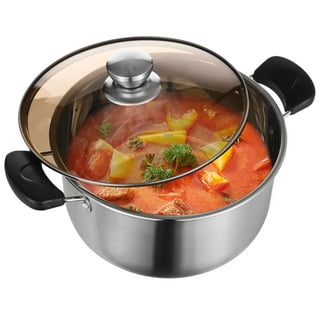
Credit: www.walmart.com
Brands To Consider
Choosing the right pot makes cooking soups and stews easier. Some brands are known for durable and good-quality pots.
Here are a few brands to think about when buying pots for soups and stews.
Le Creuset
Le Creuset is famous for its cast iron pots. These pots keep heat well and cook food evenly.
The colorful enamel coating is easy to clean and looks nice in any kitchen.
- Heavy and durable
- Good heat retention
- Wide range of colors
- Easy to clean enamel surface
All-clad
All-Clad makes stainless steel pots with strong construction. They heat quickly and evenly.
These pots work well on all cooktops, including induction stoves.
- Stainless steel build
- Fast and even heating
- Compatible with all cooktops
- Modern and sleek design
Cuisinart
Cuisinart offers pots that combine good quality and affordable prices. Their pots are versatile and easy to use.
They often include useful features like tight-fitting lids and comfortable handles.
- Affordable and reliable
- Good heat distribution
- Comfortable handles
- Tight lids to keep moisture
Budget-friendly Options
Choosing the right pot for soups and stews does not have to be expensive. Many options offer good quality without high costs.
This guide covers pots that are affordable, durable, and offer the best value for money.
Affordable Choices
Look for pots made from materials like aluminum or stainless steel. These materials are cheaper but still work well for cooking soups and stews.
- Aluminum pots heat up quickly and are lightweight.
- Stainless steel pots resist rust and stains.
- Non-stick coatings make cleaning easier.
- Check for pots with lids to keep heat inside.
Best Value For Money
Value means getting a pot that lasts long and cooks evenly without a high price.
| Material | Price Range | Pros | Cons |
| Aluminum | Low | Fast heating, lightweight | Can warp over time |
| Stainless Steel | Medium | Durable, rust-resistant | Heats slower |
| Cast Iron | Higher | Retains heat well | Heavy, needs seasoning |
Durability On A Budget
Durable pots save money over time. They do not need to be replaced often.
Tips for choosing durable pots:
- Choose thicker materials for better heat distribution.
- Avoid pots with cheap handles or lids.
- Look for pots with warranties or good reviews.
- Maintain pots by cleaning and storing them properly.
Care And Maintenance
Using the best pots for soups and stews means taking good care of them. Proper maintenance helps pots last longer and cook better.
Cleaning and storing your pots correctly keeps them in top shape. This guide shares simple tips for care and maintenance.
Cleaning Tips
Clean your pots soon after cooking to stop food from sticking. Use warm water and mild soap for washing.
Avoid harsh scrubbers that can scratch the pot’s surface. Soft sponges or cloths work best.
- Soak pots with stuck food in warm soapy water before cleaning.
- Use baking soda for tough stains to avoid damage.
- Dry pots completely to prevent rust or water spots.
- For cast iron pots, apply a thin layer of oil after drying.
Storage Recommendations
Store pots in a dry place to avoid moisture build-up. Moisture can cause rust or mold.
Keep pots separated or use liners to prevent scratches when stacking. This helps keep pots looking new.
- Use pot lids separately to allow air flow.
- Hang pots if space allows to save room and avoid damage.
- Check pots regularly for signs of rust or wear.
- Store cast iron pots with a paper towel inside to absorb moisture.

Credit: www.amazon.ca
Frequently Asked Questions
What Materials Make The Best Pots For Soups And Stews?
Cast iron, stainless steel, and enameled cookware are top choices. They distribute heat evenly and retain warmth well. These materials enhance flavor and prevent burning. They also offer durability and easy cleaning, making them ideal for soups and stews.
How Does Pot Size Affect Soup And Stew Cooking?
A pot between 4 to 8 quarts is ideal for most recipes. It provides enough space for ingredients to simmer evenly. Larger pots prevent spills and allow for better heat circulation. Size affects cooking time and flavor development.
Are Non-stick Pots Good For Soups And Stews?
Non-stick pots are less ideal for soups and stews. They may not handle high heat or prolonged cooking well. Stick-resistant surfaces can degrade over time. Traditional materials like cast iron or stainless steel are preferred for slow simmering.
Can I Use Slow Cookers Instead Of Traditional Pots?
Yes, slow cookers are great for soups and stews. They cook food evenly at low temperatures over hours. This method enhances flavor and tenderness. However, traditional pots offer better control over heat and texture.
Conclusion
Choosing the right pot makes cooking soups and stews easier. Good pots hold heat well and cook food evenly. Durable materials like cast iron or stainless steel work best. Size matters, so pick one that fits your needs. A heavy lid helps keep flavors inside.
Caring for your pot can make it last longer. Enjoy warm, tasty meals with the best pot by your side. Cooking becomes more fun and less stressful this way. Simple tools can bring great results every time.