
Your refrigerator works hard every day to keep your food fresh and safe. But have you ever thought about what keeps your fridge running smoothly behind the scenes?
It’s the coils, and when they get dirty, your fridge has to work harder, using more energy and risking breakdowns. Cleaning those coils might sound tricky, but it’s easier than you think—and it can save you money and headaches. Ready to learn how to deep clean your refrigerator coils step by step?
Keep reading, and you’ll discover simple tips that make a big difference in your fridge’s performance.
Importance Of Cleaning Refrigerator Coils
Refrigerator coils help keep your fridge cool. Over time, dust and dirt collect on these coils. This buildup stops the coils from working well.
Cleaning the coils makes your refrigerator use less energy. It also helps your fridge last longer and keeps your food fresh.
Saves Energy
Dirty coils make the fridge work harder to cool down. This uses more electricity and raises your energy bills. Clean coils help the fridge run smoothly and use less power.
Extends Refrigerator Life
When coils are clean, the fridge does not overheat. This lowers the chance of parts breaking down. Regular cleaning can help the refrigerator last many years.
Improves Cooling Efficiency
Coils remove heat from inside the fridge. Dust and dirt block this process. Clean coils cool your food better and keep temperatures steady.
Prevents Food Spoilage
When coils work well, the fridge stays cold. This stops bacteria from growing on food. Clean coils help keep your groceries safe to eat.
Signs You Should Clean The Coils
- Fridge feels hot on the outside
- Energy bills suddenly go up
- Food spoils faster than usual
- Fridge runs constantly without stopping

Credit: housewifehowtos.com
Signs Your Refrigerator Coils Need Cleaning
Refrigerator coils help keep your fridge cool. Over time, dust and dirt build up on them. This makes the fridge work harder.
Knowing the signs of dirty coils can save energy and avoid repairs. Here are the main signs to watch for.
Fridge Runs Constantly
If your refrigerator runs all the time without stopping, dirty coils might be the cause. Dust stops heat from escaping. The fridge tries harder to cool inside.
Warm Fridge Interior
A warm fridge inside is a clear sign. Dirty coils reduce cooling power. Check if food spoils faster or ice melts quickly.
Loud Or Strange Noises
When coils are dirty, the fridge may make loud humming or buzzing sounds. The compressor works harder and louder to keep cool.
Higher Electricity Bills
Dirty coils make the fridge use more electricity. You might see a rise in your electric bill without changing your usage.
Dust And Pet Hair Near The Fridge
If you see dust and pet hair near the back or bottom of your fridge, the coils likely need cleaning. These particles stick to the coils and block airflow.
- Check behind and under the fridge for dust buildup
- Look for pet hair or lint near the coils
- Clean coils at least twice a year
Frost Buildup On Coils
Frost or ice buildup on the coils shows poor airflow. This can mean the coils are dirty or the defrost system is failing.
| Sign | What It Means |
| Fridge runs constantly | Coils are dirty, fridge works harder |
| Warm interior | Cooling is not efficient |
| Loud noises | Compressor strain from dirt |
| Higher bills | More energy used to cool |
| Dust and pet hair visible | Coils clogged with debris |
| Frost buildup | Blocked airflow or defrost issues |
Preparing For Coil Cleaning
Cleaning refrigerator coils helps the appliance run better and last longer.
Before starting, you must prepare the right tools and keep safety in mind.
Gathering Necessary Tools
Having the right tools makes cleaning easier and more effective.
- Vacuum cleaner with a brush attachment
- Coil cleaning brush or soft wire brush
- Flashlight to see coils clearly
- Protective gloves to keep hands safe
- Dish soap and water for general cleaning
- Old towels or rags to catch dirt
Safety Precautions To Consider
Safety is important when working with electrical appliances.
| Precaution | Reason |
| Unplug the refrigerator | Prevents electric shock |
| Wear gloves | Protects hands from sharp edges |
| Work in a well-lit area | Helps see dirt and avoid accidents |
| Avoid using water near electrical parts | Reduces risk of damage and shock |
Locating Refrigerator Coils
Cleaning refrigerator coils is important for keeping your fridge running well. The first step is to find where the coils are located. Different refrigerators have coils in different spots.
Knowing the coil location helps you clean them safely and easily. This guide explains common coil locations and how to access them.
Different Coil Locations Based On Model
Refrigerator coils can be in various places depending on the model. Some coils are at the back, some underneath, and others inside the fridge.
- Back coils:Many older models have coils on the back panel.
- Bottom coils:Some fridges place coils under the fridge behind a kick plate.
- Internal coils:Newer models often hide coils inside the fridge for better looks and safety.
Accessing The Coils Safely
Before cleaning, unplug the refrigerator to avoid electric shock. Use gloves to protect your hands from sharp coil edges.
Remove any panels or grills carefully. For bottom coils, you may need to unscrew the kick plate. For back coils, pull the fridge out gently to reach the coils.
- Unplug the refrigerator.
- Wear gloves to avoid cuts.
- Remove panels or grills slowly.
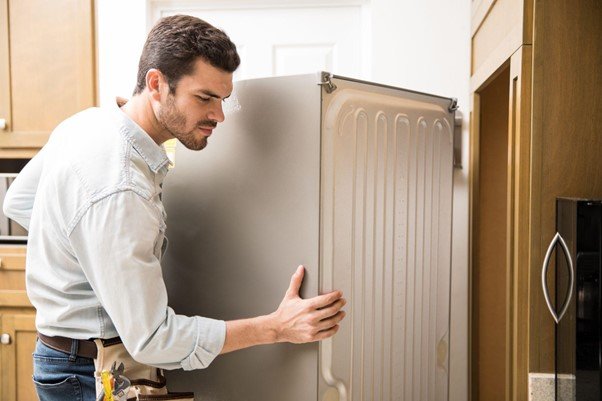
- Pull fridge out if coils are at the back.
- Use a vacuum or brush to clean coils.
Step-by-step Coil Cleaning Process
Keeping refrigerator coils clean helps your fridge run efficiently. Dust and dirt slow down cooling and increase energy use.
This guide shows you how to deep clean your refrigerator coils safely and easily.
Unplugging The Refrigerator
Always unplug your refrigerator before cleaning its coils. This stops electricity flow and keeps you safe.
Find the plug behind the fridge and pull it out gently. Do not touch the coils while the fridge is plugged in.
Removing Dust And Debris
Look for loose dust and debris around the coils. Use a soft brush or cloth to clear away surface dirt carefully.
Remove any large pieces like pet hair or lint by hand. This helps prepare the coils for deeper cleaning.
Cleaning With A Vacuum Cleaner
Use a vacuum cleaner with a brush attachment to clean between the coils. This removes hidden dust and dirt.
Move the vacuum slowly to avoid damaging the coils. Clean all sides for the best results.
Using A Coil Brush For Deep Cleaning
A coil brush is long and flexible. It reaches places a vacuum can’t. Use it to scrub the coils gently.
Brush in between each coil to remove tough dirt. Avoid bending or breaking the coils during cleaning.
Reassembling And Testing The Refrigerator
After deep cleaning the refrigerator coils, you need to put everything back correctly. Proper reassembly ensures your fridge works well.
Testing the refrigerator after cleaning helps you check if it cools efficiently. This step is important for fridge performance.
Plugging Back And Repositioning
Start by plugging the refrigerator back into the power outlet. Make sure the plug fits tightly to avoid loose connections.
Push the refrigerator back to its original position. Avoid blocking vents or airflow paths near the coils to keep them cool.
- Check that the power cord is not pinched or damaged
- Keep the fridge at least 2 inches away from the wall
- Ensure coil covers or panels are securely fastened
Checking Cooling Efficiency
Wait a few hours to let the fridge reach its normal temperature. Then check if it cools food properly.
Look for steady cold air inside the fridge and freezer compartments. Listen for the compressor running smoothly without strange sounds.
- Use a thermometer to check fridge temperature (around 37°F or 3°C)
- Make sure frozen items stay solid in the freezer
- Watch for any unusual noises or vibrations
Maintaining Clean Coils For Optimal Performance
Keeping your refrigerator coils clean helps it run well and save energy. Dirty coils make the fridge work harder and use more electricity.
Regular cleaning extends the life of the appliance. It also keeps food fresh by maintaining steady cooling.
Regular Cleaning Schedule
Set a cleaning routine to keep coils free of dust and debris. Clean coils improve cooling and reduce costs.
- Unplug the refrigerator before cleaning.
- Use a coil brush or vacuum to remove dust.
- Clean coils every three to six months.
- Check the coils monthly for buildup.
- Keep the area around the fridge clear of dirt.
Tips For Prolonging Coil Life
Follow these tips to protect your coils and keep your fridge working well for years.
| Tip | Action |
| Avoid blocking air flow | Keep fridge at least 2 inches from wall |
| Keep coils dry | Wipe with dry cloth if moisture appears |
| Check door seals | Fix leaks to reduce coil strain |
| Use fridge properly | Do not overload or leave door open too long |

Credit: www.reddit.com

Credit: www.thekitchn.com
Frequently Asked Questions
How Often Should I Clean Refrigerator Coils?
Refrigerator coils should be cleaned every 6 months. Regular cleaning improves efficiency and prevents overheating. Dust and debris reduce cooling performance and increase energy use.
What Tools Do I Need To Deep Clean Coils?
You need a coil cleaning brush, vacuum cleaner with a hose, and a microfiber cloth. These tools help remove dust effectively without damaging coils.
Can Dirty Coils Cause Fridge To Stop Cooling?
Yes, dirty coils block heat dissipation, causing the fridge to overwork. This leads to poor cooling and higher electricity bills. Regular coil cleaning prevents such issues.
Is It Safe To Clean Refrigerator Coils Myself?
Yes, cleaning coils is safe if you unplug the fridge first. Use gentle tools and avoid bending coils. Follow manufacturer guidelines to avoid damage.
Conclusion
Cleaning refrigerator coils keeps your fridge running well and saves energy. Dust and dirt block airflow and make the fridge work harder. Regular coil cleaning can prevent breakdowns and extend your appliance’s life. It takes only a few minutes but helps a lot.
Try to clean coils every six months for best results. Your fridge will stay cooler and use less electricity. A clean fridge means fresher food and lower bills. Simple steps make a big difference. Don’t skip this easy maintenance task.