
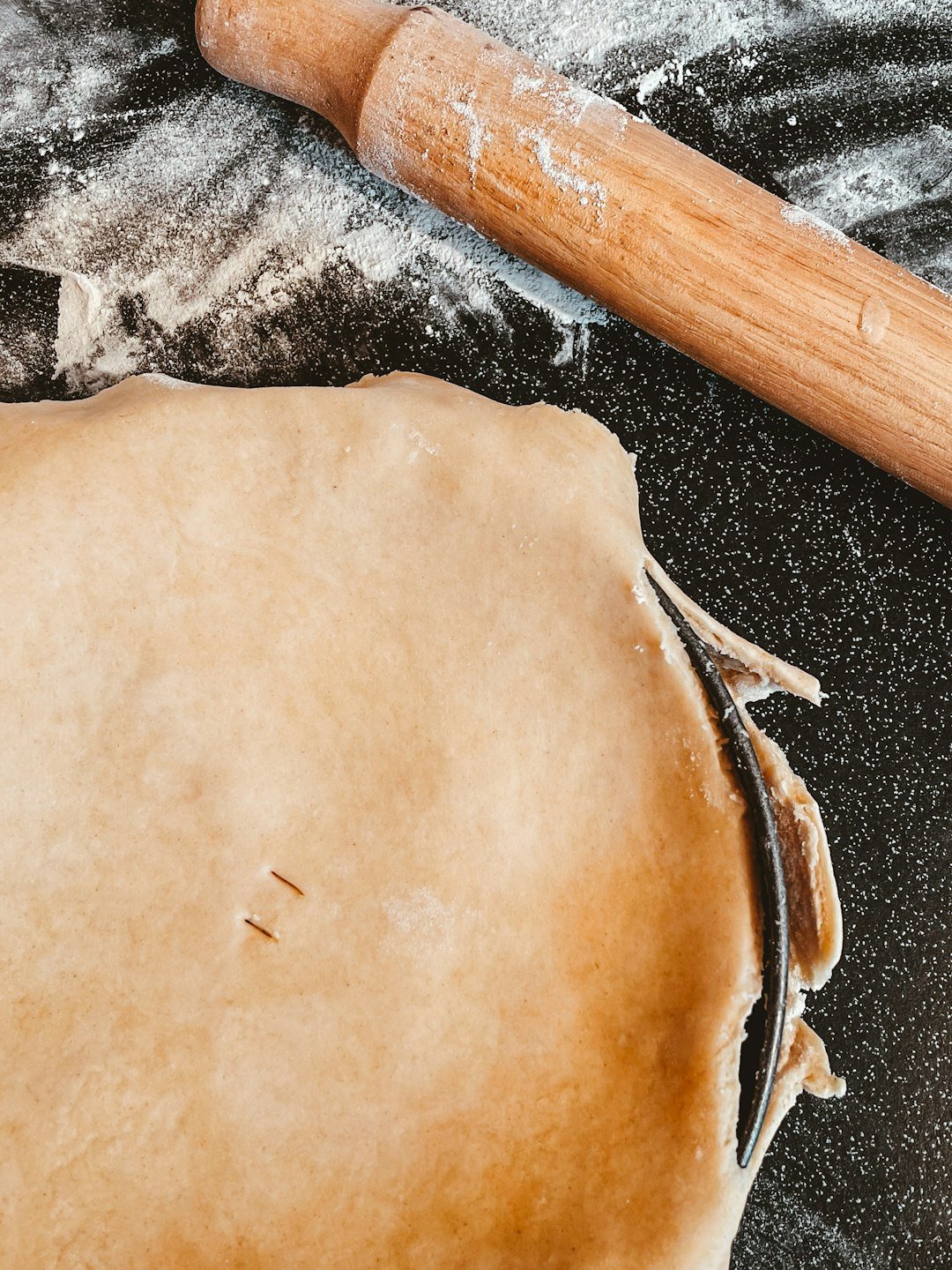
Baking the perfect pie can feel like a tricky task. You want a crust that’s golden and crisp, with filling cooked just right—never soggy or burnt.
But uneven baking often ruins all your hard work. What if you could learn simple tricks to make sure every pie you bake comes out flawless every time? You’ll discover easy, practical tips that will help you bake pies evenly, so your desserts impress everyone at the table.
Keep reading, and get ready to become the pie baker you’ve always wanted to be.

Credit: food52.com
Choosing The Right Ingredients
Choosing good ingredients helps your pie bake evenly and taste great. The right flour, fat, and liquids all affect the crust and filling.
Each ingredient plays a special role. Knowing how to pick them can make your baking easier and more successful.
Flour Selection
Flour type affects the texture of your pie crust. Low-protein flours make tender crusts, while high-protein flours add chewiness.
- Use all-purpose flour for a balanced crust.
- Pastry flour creates a softer, flakier dough.
- Bread flour can make the crust tougher and chewier.
- Gluten-free flours need special handling to avoid crumbly crusts.
Fat Choices
Fat adds flavor and flakiness to pie crusts. The type and temperature of fat impact how your pie bakes.
| Fat Type | Texture | Flavor |
| Butter | Flaky and tender | Rich, creamy |
| Shortening | Very flaky | Neutral |
| Lard | Flakiest and crisp | Lightly savory |
| Oil | Less flaky | Neutral |
Water And Liquids
Water binds the dough ingredients. The right amount and type of liquid help keep the crust from drying out or becoming tough.
- Use cold water to keep fat from melting too soon.
- Ice water helps maintain dough texture.
- Milk or cream adds flavor and browning.
- Avoid adding too much liquid to prevent soggy crusts.
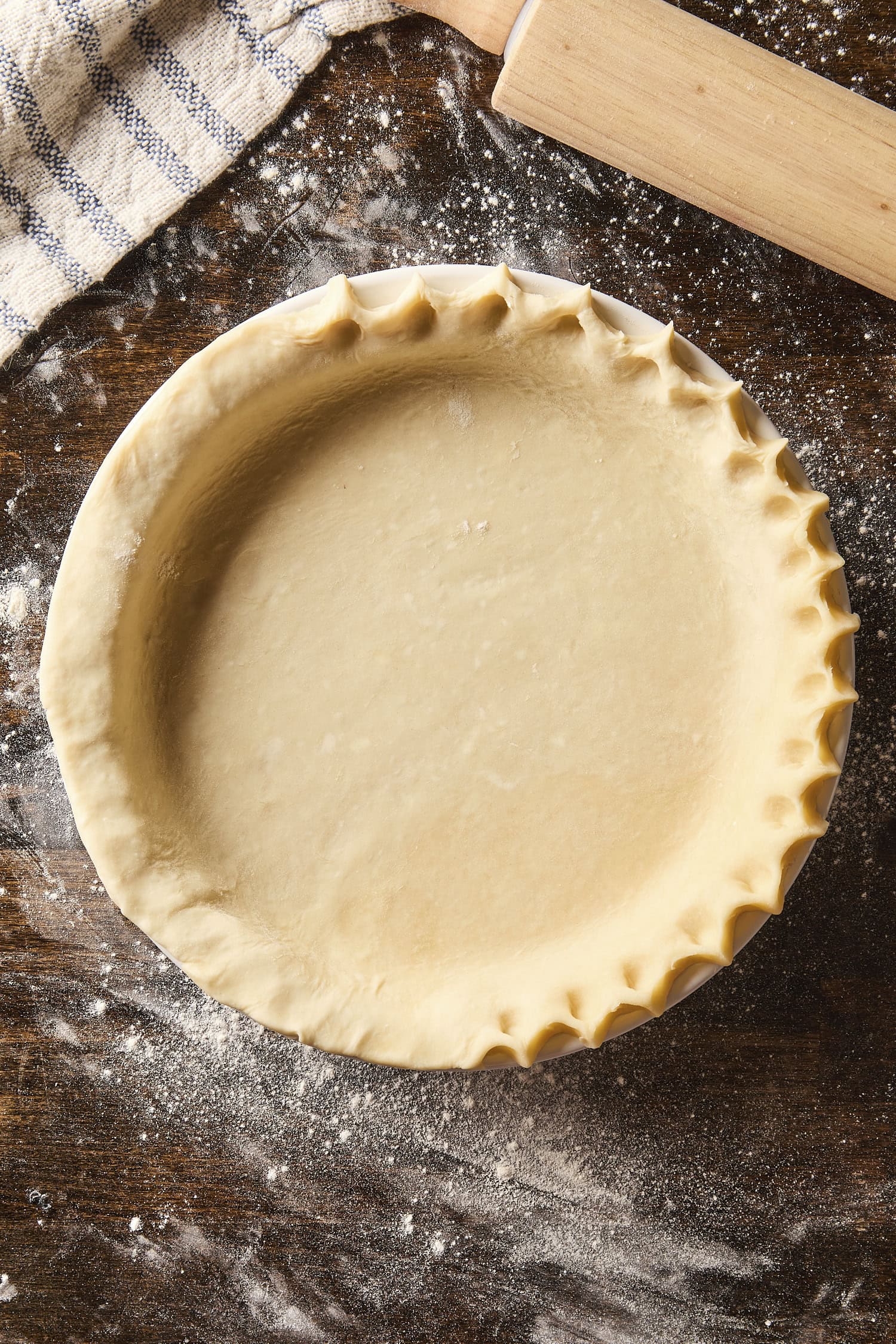
Credit: www.wyseguide.com
Preparing The Dough
Even baking starts with well-prepared dough. The right dough helps your pie cook evenly and taste great.
Pay attention to mixing, chilling, and rolling. These steps shape the dough for perfect baking.
Mixing Techniques
Mix ingredients gently to avoid tough dough. Use cold butter and cut it into the flour.
Work fast to keep the butter cold. This creates small pockets that make the crust flaky.
- Use a pastry cutter or fingers to mix
- Mix until crumbly, not smooth
- Avoid overworking the dough
Chilling The Dough
Chill the dough before rolling. Cold dough is easier to handle and holds its shape better.
Wrap dough in plastic and refrigerate for at least 30 minutes. This helps the gluten relax.
- Prevents shrinking during baking
- Makes rolling smoother
- Improves texture and flavor
Rolling Out Evenly
Roll dough on a floured surface with even pressure. Turn the dough often for a round shape.
Use a ruler or guide to check thickness. Aim for 1/8 to 1/4 inch to bake evenly.
- Roll from center to edges
- Rotate dough every few rolls
- Keep dough cool to prevent sticking
Pre-baking Techniques
Pre-baking helps to cook pie crust evenly. It stops the crust from getting soggy.
Using simple pre-baking steps can improve your pie’s texture and taste.
Blind Baking
Blind baking means baking the pie crust before adding filling. It makes the crust firm and crisp.
To blind bake, line the crust with parchment paper and fill it with weights. Bake until edges turn light golden.
Docking The Crust
Docking means poking small holes in the pie crust. This lets steam escape while baking.
Use a fork to prick the dough evenly. This prevents bubbles and keeps the crust flat.
Using Pie Weights
Pie weights keep the crust from shrinking or puffing up. They add weight during blind baking.
You can use ceramic beads, dried beans, or rice as pie weights. Place them on parchment paper inside the crust.
- Line crust with parchment paper
- Fill with pie weights
- Bake until crust edges are set
- Remove weights before finishing baking

Credit: www.winstonpies.com
Baking Time And Temperature
Baking pies evenly depends on the right time and temperature. If the oven is too hot, the crust burns before the filling cooks. Too low, and the pie stays undercooked or soggy.
Understanding oven settings and checking doneness help you bake pies with a perfect crust and filling every time.
Oven Settings
Set your oven to the recommended temperature in your recipe. Most pies bake well between 350°F and 425°F. Use the middle rack for even heat.
- Preheat the oven fully before baking.
- Use a baking stone or heavy pan to stabilize temperature.
- Avoid opening the oven door often; it lets heat escape.
- Use convection mode if available for even heat circulation.
Monitoring Doneness
Check the pie’s crust and filling to know if it’s done. The crust should be golden brown and firm. The filling should bubble gently around the edges.
| Indicator | What to Look For |
| Crust Color | Golden brown and crisp |
| Filling | Bubbles at edges, thickened |
| Knife Test | Insert knife; it comes out clean or with thick filling |
| Cooling | Pie firms up as it cools |
Troubleshooting Common Issues
Baking pies evenly can be tricky. Small problems like soggy bottoms or cracked crusts happen often.
Knowing how to fix these issues helps you bake better pies every time. Learn simple tips to solve these common problems.
Preventing Soggy Bottoms
Soggy bottoms ruin a pie’s texture. They happen when the crust gets too wet from the filling or baking method.
- Use a metal or glass pie plate for better heat conduction.
- Blind bake the crust before adding filling to make it crisp.
- Brush the crust with egg wash or melted butter to seal it.
- Drain juicy fillings well to reduce moisture.
- Bake the pie on a lower rack in the oven for even bottom heat.
Avoiding Cracked Crusts
Cracks in crusts usually happen from dryness or overworking the dough. Proper dough care prevents this.
| Cause | How to Fix |
| Dough too dry | Add cold water little by little until smooth |
| Overworking dough | Mix just until ingredients combine |
| Dough too cold | Let dough rest at room temperature before rolling |
| Oven too hot | Bake at recommended temperature without rushing |
| Not enough fat in dough | Use correct amount of butter or shortening |
Expert Tips For Finishing Touches
Finishing touches make your pie look and taste better. They add charm and help the crust bake evenly. Small details can create a beautiful pie.
Focus on decorative elements and proper glazing. These steps improve your pie’s appearance and keep the crust crisp.
Adding Decorative Elements
Decorations add style and can help steam escape during baking. Use simple shapes or patterns with leftover dough. You can also use nuts or sugar for extra texture.
- Cut dough into shapes like leaves or stars
- Arrange strips of dough in a lattice pattern
- Brush decorations lightly with water to help them stick
- Sprinkle coarse sugar for sparkle and crunch
- Use a fork to create small holes for steam release
Glazing The Crust
Glazing gives your crust a golden color and a shiny finish. It also helps seal the edges and keep moisture out. Use the right glaze for the best results.
| Glaze Type | Effect | How to Apply |
| Egg wash (beaten egg with water) | Shiny, golden crust | Brush lightly before baking |
| Milk or cream | Softer, light brown crust | Brush before baking |
| Butter | Rich flavor and soft shine | Brush after baking while warm |
| Sugar syrup | Sweet, sticky shine | Brush after baking |
Frequently Asked Questions
How Can I Prevent Pie Crust From Burning?
Use a pie shield or cover crust edges with foil. Bake at the right temperature and check frequently to avoid burning.
What Temperature Ensures Even Pie Baking?
Bake pies at 350°F to 375°F for even heat distribution. Avoid very high heat to prevent uneven cooking or burning.
Should I Preheat The Oven Before Baking Pies?
Yes, always preheat your oven fully. This ensures consistent temperature and helps the pie bake evenly throughout.
How Does Pie Thickness Affect Baking Time?
Thicker pies take longer to bake evenly. Adjust baking time accordingly and check with a toothpick for doneness.
Conclusion
Baking pies evenly takes practice and patience. Use a good oven thermometer to check heat. Rotate your pie halfway through baking for even color. Avoid opening the oven door too often. Choose the right baking pan to help heat flow.
Keep your dough thickness consistent across the pie. These simple steps improve your pie’s texture and taste. Enjoy baking with confidence and share your delicious results. Small changes make a big difference in every pie. Keep trying, and your pies will turn out great every time.