
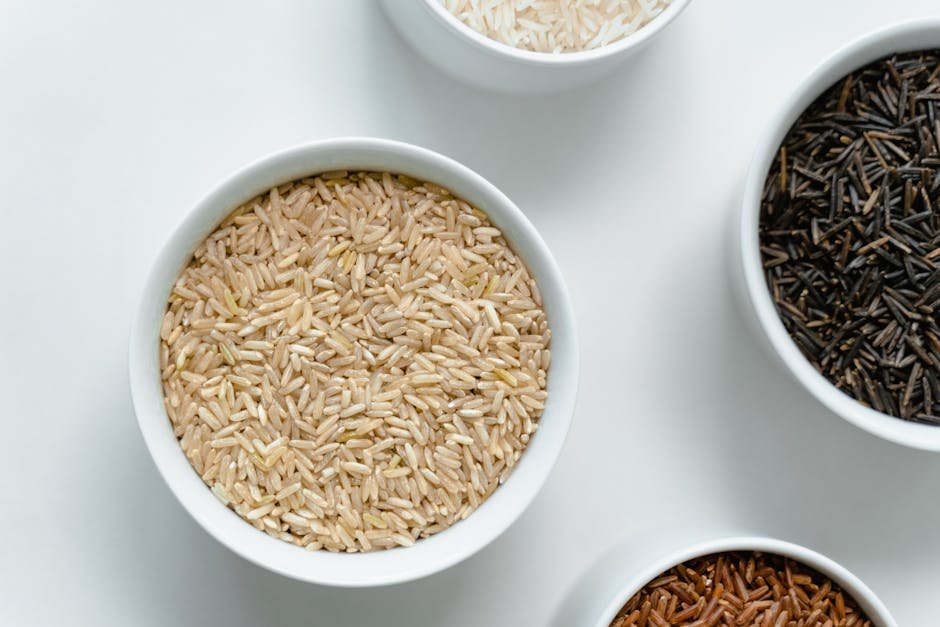
Are you ready to make cooking grains easier and tastier? Your rice cooker isn’t just for plain white rice—it can be your secret weapon for perfectly cooked grains every time.
Imagine saving time, avoiding guesswork, and enjoying fluffy quinoa, hearty barley, or nutty brown rice without any hassle. You’ll discover simple tips that turn your rice cooker into a versatile kitchen helper. Keep reading to unlock the full potential of your rice cooker and transform how you prepare grains for every meal.
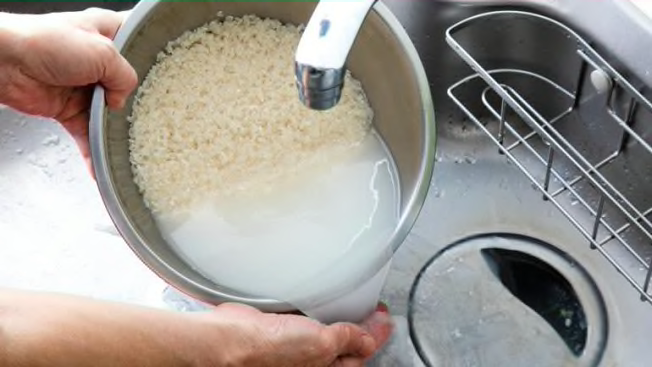
Credit: www.consumerreports.org
Choosing The Right Rice Cooker
Picking the right rice cooker can make cooking grains easier. It helps cook rice and other grains just right every time.
There are different types of rice cookers with various features. Knowing these can help you choose one that fits your needs.
Types Of Rice Cookers
Rice cookers come in many styles. Each type works differently and suits different cooking habits.
- Basic rice cookers: Simple to use and affordable.
- Micom rice cookers: Use microcomputer technology for better cooking control.
- Induction cookers: Heat rice evenly with magnetic induction.
- Pressure rice cookers: Cook rice faster using pressure technology.
Key Features To Look For
| Feature | Why It Matters |
| Capacity | Choose size based on family needs. |
| Keep Warm Function | Keeps rice warm after cooking. |
| Multiple Cooking Settings | Allows cooking different grains and textures. |
| Ease of Cleaning | Removable parts make cleaning simple. |
| Timer | Set cooking time to start later. |
Preparing Grains For Cooking
Using a rice cooker for grains is easy and saves time. Proper preparation helps grains cook evenly and taste better.
Before cooking, washing and soaking grains and measuring the right amount of water are important steps.
Washing And Soaking
Rinsing grains removes dust and extra starch. Soaking softens grains and shortens cooking time.
- Place grains in a bowl or sieve.
- Rinse under cold running water until water runs clear.
- Soak grains for 20 to 30 minutes if needed.
- Drain grains before adding them to the rice cooker.
Measuring Grains And Water
Correct grain and water ratios help achieve perfect texture. Different grains need different amounts of water.
| Grain Type | Grain to Water Ratio |
|---|---|
| White Rice | 1 cup rice : 1.5 cups water |
| Brown Rice | 1 cup rice : 2 cups water |
| Quinoa | 1 cup quinoa : 2 cups water |
| Bulgur | 1 cup bulgur : 1.5 cups water |
Cooking Different Grains
A rice cooker is a useful tool for cooking many grains. It makes cooking easier and saves time. You can prepare different grains with good results.
Each grain needs a slightly different amount of water and cooking time. Knowing these differences helps you use your rice cooker well.
Cooking White Rice
White rice cooks quickly and needs less water. Use a 1 to 1.5 ratio of rice to water. Rinse the rice first to remove extra starch. This stops it from being sticky.
- Measure the rice and water carefully.
- Rinse rice under cold water until water runs clear.
- Place rice and water in the cooker.
- Turn on the cooker and wait for it to finish.
- Let the rice rest for 5 minutes after cooking.
Cooking Brown Rice
Brown rice takes longer to cook than white rice. It needs more water because of the bran layer. Use a 1 to 2 ratio of rice to water. Cooking time is about 40-50 minutes in a rice cooker.
| Grain | Water Ratio (Rice : Water) | Cooking Time |
| White Rice | 1 : 1.5 | 20-25 minutes |
| Brown Rice | 1 : 2 | 40-50 minutes |
Cooking Quinoa And Other Grains
Quinoa cooks fast and needs less water. Use a 1 to 1.5 ratio of quinoa to water. Rinse quinoa well to remove bitterness. Other grains like millet or barley may need different water amounts.
Here is a quick guide for quinoa and some other grains:
- Quinoa:Rinse and cook with 1:1.5 water ratio for about 15 minutes.
- Millet:Use 1:2 water ratio and cook for 20 minutes.
- Barley:Soak first, then use 1:3 water ratio and cook for 45 minutes.
Enhancing Flavor
Using a rice cooker for grains is easy and saves time. You can make your grains tastier by adding flavors during cooking.
Small changes like spices or cooking liquids make a big difference. This guide shows how to enhance flavor with simple ideas.
Adding Spices And Seasonings
Spices and seasonings bring aroma and taste to your grains. Add them before cooking to let the flavors mix well.
- Use cinnamon sticks or star anise for warm notes.
- Add bay leaves or cardamom pods for a fresh scent.
- Mix in garlic powder or onion flakes for savory flavor.
- Sprinkle salt and pepper to balance taste.
- Try dried herbs like thyme or rosemary for earthiness.
Using Broths And Stocks
Replace water with broth or stock to deepen flavor. This works well with rice, quinoa, and other grains.
| Type of Broth/Stock | Flavor Profile | Best Grains |
| Chicken Broth | Rich and savory | White rice, brown rice |
| Vegetable Stock | Light and fresh | Quinoa, couscous |
| Beef Broth | Deep and hearty | Barley, wild rice |
| Miso Broth | Umami and salty | Sushi rice, short grain rice |
Troubleshooting Common Issues
Rice cookers can cook many types of grains easily. Sometimes, issues like undercooking or burning happen. Knowing how to fix these helps you get better results.
Use these tips to solve common problems with your rice cooker. They make cooking grains easier and tastier.
Dealing With Undercooked Grains
Undercooked grains are often dry or hard. This happens if the water amount is too low or cooking time is short. You can fix this by adding a bit of water and cooking longer.
Check the water level and grain type before cooking. Different grains need different water amounts. Stir the grains gently before closing the lid to help even cooking.
- Add 1/4 cup of water if grains feel hard after cooking
- Turn on the cooker again for 5 to 10 minutes
- Use the correct water-to-grain ratio for each grain
- Let grains sit in the cooker for 5 minutes after cooking
Preventing Sticking And Burning
Grains stick or burn if the cooker runs dry or heats too much. To stop this, rinse grains well before cooking. Rinsing removes extra starch that causes sticking.
Use enough water and avoid opening the lid during cooking. You can also add a little oil or butter to help grains slide and not stick.
- Rinse grains until water runs clear
- Add a teaspoon of oil or butter before cooking
- Use the right water amount for each grain type
- Do not open the lid while cooking
- Clean the cooker pot regularly to avoid residue build-up
Cleaning And Maintenance
Using a rice cooker for grains makes cooking easy. Keeping it clean helps it last longer and work well.
Regular care prevents damage and keeps your grains tasting fresh. Learn how to clean and maintain your rice cooker.
Cleaning Tips For Longevity
Clean the inner pot after each use with warm water and mild soap. Avoid metal scrubbers to protect the non-stick surface.
Wipe the lid and outer parts with a damp cloth. Remove any food spills quickly to stop stains and smells.
- Use a soft sponge or cloth for cleaning
- Dry all parts completely before storing
- Do not soak the rice cooker base in water
- Clean the steam vent regularly to prevent blockage
Regular Maintenance Practices
Check the power cord and plug for damage before each use. Replace any damaged parts to avoid hazards.
Inspect the heating plate for residue. Clean it gently with a soft cloth and a little vinegar if needed.
- Unplug the cooker before cleaning
- Store the cooker in a dry place
- Follow manufacturer instructions for part replacements
- Use the rice cooker only for cooking recommended grains
Creative Recipes With Rice Cookers
Rice cookers are not just for cooking plain rice. They can cook many kinds of grains and meals.
Using a rice cooker saves time and makes cooking simple. You can create tasty recipes with ease.
One-pot Meals
Rice cookers can prepare full meals with grains, vegetables, and proteins all together. This cuts down on dishes.
Try adding chopped vegetables, beans, and spices to your grains before cooking. Meat or tofu can be added too.
- Cook rice with chicken, carrots, and peas for a quick meal.
- Make quinoa with black beans, corn, and salsa for a Mexican twist.
- Prepare barley with mushrooms, onions, and herbs for a warm dish.
- Add lentils, spinach, and tomatoes for a healthy vegetarian option.
Desserts And Sweet Dishes
Rice cookers can also make sweet dishes using grains like rice or millet. These desserts are soft and comforting.
You can cook rice pudding or sweet millet with fruits and spices in your rice cooker. It is simple and delicious.
- Make rice pudding with milk, sugar, and cinnamon.
- Cook millet with coconut milk and fresh mango for a tropical dessert.
- Add raisins and honey to cooked grains for a sweet treat.
- Try sweet porridge with oats, nuts, and dried fruit.

Credit: www.theincrediblebulks.com

Credit: www.blackanddecker.com
Frequently Asked Questions
How Do I Measure Grains For A Rice Cooker?
Use the rice cooker’s measuring cup for accuracy. Typically, one cup of uncooked grain serves two people. Adjust quantity based on your needs and cooker capacity.
Can I Cook Different Grains In One Batch?
Yes, but ensure grains have similar cooking times. Mixing grains with different textures may result in uneven cooking. Experiment with water ratios accordingly.
What Water Ratio Is Best For Cooking Grains?
Each grain type needs specific water amounts. For example, brown rice requires more water than white rice. Follow your rice cooker’s guidelines or grain packaging instructions.
How Long Does It Take To Cook Grains In A Rice Cooker?
Cooking time varies by grain type and cooker model. Generally, white rice cooks in 15-20 minutes, while brown rice takes 40-50 minutes. Use the rice cooker’s timer or settings.
Conclusion
Using a rice cooker makes cooking grains quick and simple. Just measure, rinse, and add water. Press start and wait for a perfect texture. Clean the cooker after each use to keep it working well. Experiment with different grains to enjoy variety.
Small changes bring tasty results. Keep these tips in mind for easy, healthy meals every day. Cooking grains has never been easier or more convenient. Give it a try and enjoy your food!