
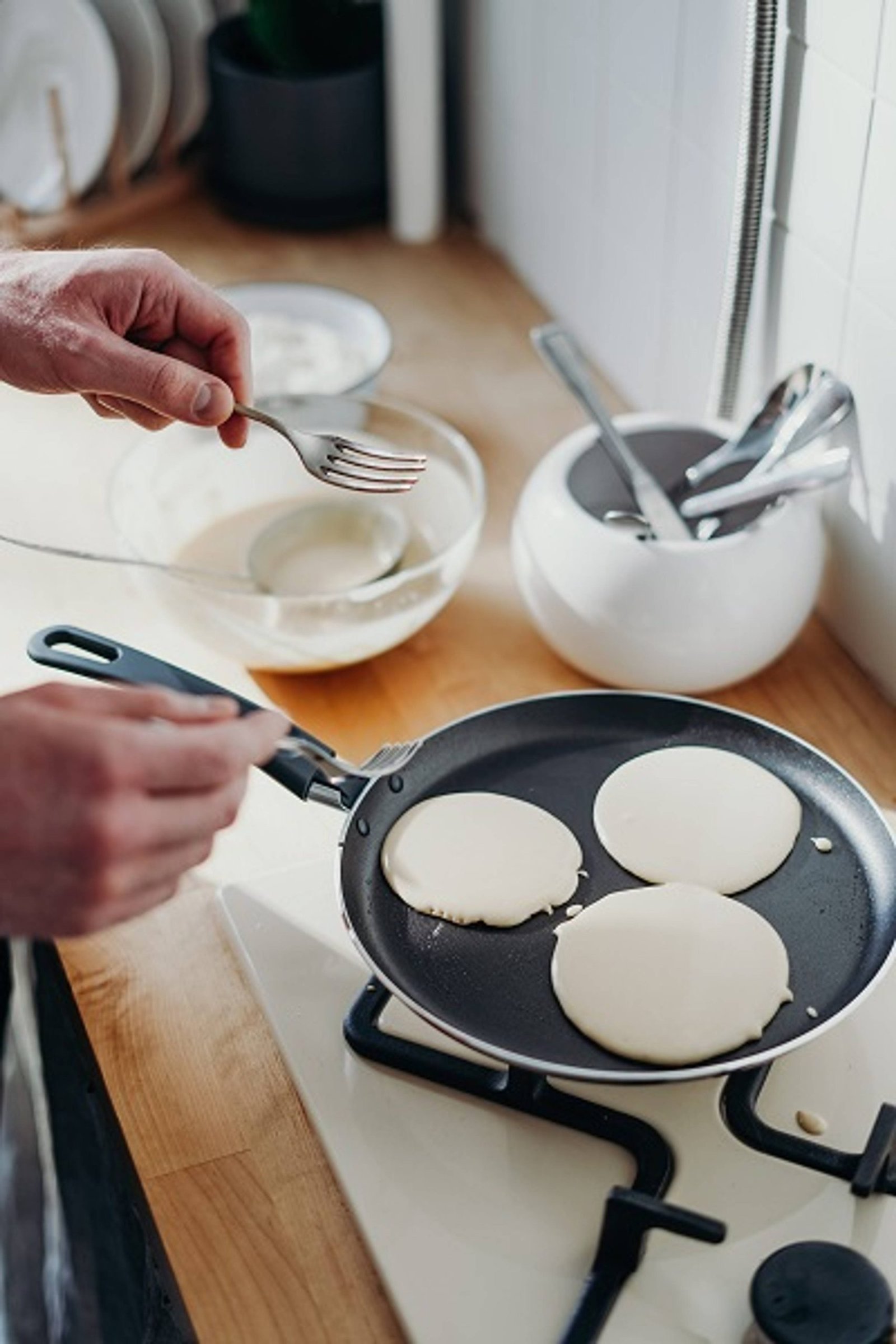
Are you tired of your baked goods sticking to your pans and ruining your hard work? Using non-stick bakeware can make your baking experience much easier and more enjoyable.
But to get the best results, you need to know the right tips and tricks. You’ll discover simple, effective ways to care for your non-stick bakeware, so your cakes, cookies, and breads come out perfect every time. Keep reading—you’ll soon be baking like a pro without the frustration of sticky messes.

Credit: circulon.uk.com
Choosing The Right Non-stick Bakeware
Choosing the right non-stick bakeware makes baking easier and cleaner. It helps your food cook evenly and prevents sticking.
Think about the material and the size before buying bakeware. This helps you pick the best tools for your kitchen.
Material Considerations
Non-stick bakeware comes in different materials. Each type offers different heat conduction and durability.
Look for materials that suit your baking style and care routine. Some are easier to clean and last longer than others.
- Aluminum: heats quickly and evenly, lightweight
- Steel: strong and durable but may heat unevenly
- Ceramic-coated: non-toxic, easy to clean, but can chip
- Silicone: flexible, easy to store, but may not brown food well
Size And Shape Selection
Choose bakeware size based on how much food you usually make. Pick shapes that fit your recipes and oven space.
Having a variety of sizes and shapes helps bake different dishes. Match the pan size to your recipe for best results.
- Round pans work well for cakes and pies
- Square or rectangular pans fit brownies and bars
- Muffin tins are perfect for cupcakes and small portions
- Sheet pans handle cookies and roasting vegetables
Preparing Bakeware For First Use
Using non-stick bakeware can make baking easier and cleanup quicker. Before you start baking, prepare your new bakeware properly. This helps keep the non-stick surface safe and effective.
Follow simple steps to clean and season your bakeware before the first use. This guide covers two main areas: initial cleaning and seasoning tips.
Initial Cleaning Steps
Cleaning your non-stick bakeware before using it helps remove any factory oils or dust. Use gentle methods to keep the coating safe.
- Wash the bakeware with warm water and mild dish soap.
- Use a soft sponge or cloth; avoid abrasive scrubbers.
- Rinse well to remove all soap residue.
- Dry the bakeware completely with a soft towel.
Seasoning Tips
Seasoning your non-stick bakeware creates a stronger non-stick layer. It also helps protect the surface and extend the bakeware’s life.
| Seasoning Step | What to Do | Why It Helps |
|---|---|---|
| Apply Oil | Rub a thin layer of vegetable oil inside the bakeware. | Creates a protective coating on the surface. |
| Bake | Place bakeware in an oven at 350°F (175°C) for 30 minutes. | Allows oil to bond to the surface. |
| Cool Down | Let the bakeware cool completely before wiping excess oil. | Prevents damage and keeps surface smooth. |
Proper Use During Baking
Using non-stick bakeware correctly helps your food cook well. It also protects the bakeware from damage.
Follow simple tips to keep your non-stick bakeware safe during baking. This will make your bakeware last longer.
Recommended Utensils
Use the right utensils to avoid scratching the non-stick surface. Metal tools can cause damage.
- Choose silicone or wooden spoons and spatulas
- Use plastic or nylon utensils for mixing and scraping
- Avoid sharp or metal knives inside the bakeware
- Soft brushes work best for cleaning without harm
Temperature Guidelines
Check the maximum temperature your bakeware can handle. High heat may ruin the non-stick coating.
Keep the oven temperature below the limit to keep bakeware safe and working well.
- Most non-stick bakeware works well up to 450°F (232°C)
- Avoid sudden temperature changes to prevent warping
- Do not use bakeware under a broiler or direct flame
- Preheat the oven before placing bakeware inside
Cleaning After Baking
Cleaning non-stick bakeware is important to keep it working well. Proper cleaning stops damage and keeps food from sticking.
Use the right tools and cleaners to protect the non-stick surface. This helps bakeware last longer.
Safe Cleaning Agents
Use mild dish soap and warm water to clean non-stick bakeware. Strong chemicals can harm the surface.
Natural cleaners like baking soda and vinegar work well. They remove stains without scratching.
- Mild dish soap
- Warm water
- Baking soda paste
- White vinegar solution
Avoiding Abrasive Materials
Do not use steel wool or rough sponges. These materials scratch and ruin the non-stick coating.
Use soft cloths or non-abrasive sponges instead. This keeps the surface smooth and safe to use.
- No steel wool
- No abrasive scrubbers
- Use soft cloths
- Use non-abrasive sponges
Storing Non-stick Bakeware
Proper storage keeps your non-stick bakeware safe and lasting longer. Storing them carefully prevents damage to the coating.
Here are tips on stacking and protecting your bakeware from scratches during storage.
Stacking Techniques
Stack bakeware carefully to avoid bending or warping. Use soft layers between items to protect surfaces.
- Place a soft cloth or paper towel between each pan.
- Stack pans from largest to smallest to reduce pressure.
- Do not stack too high to prevent tipping.
- Store lids separately to avoid scratches on non-stick surfaces.
Avoiding Scratches
Scratches damage the non-stick coating and reduce bakeware lifespan. Handle each piece gently and avoid abrasive materials.
| Do | Don’t |
| Use soft cloths to clean and separate items | Stack pans directly without protection |
| Store in a dry place away from heavy objects | Use metal utensils that can scratch surfaces |
| Keep bakeware in original boxes or padded containers | Drop or bang pans during storage or handling |
Extending The Life Of Non-stick Bakeware
Non-stick bakeware makes cooking and cleaning easier. Taking care of it can help it last longer.
Simple habits keep the non-stick surface smooth and safe for baking over time.
Regular Maintenance Tips
Clean your non-stick bakeware carefully after each use. Use warm water and mild soap.
Avoid harsh scrubbing tools that can scratch the surface. Soft sponges work best.
- Wash by hand instead of using a dishwasher
- Dry completely before storing
- Store bakeware carefully to avoid scratches
- Use wooden or silicone utensils to protect the coating
Handling Common Issues
If food sticks to the surface, soak the bakeware in warm soapy water first. This loosens stuck food.
For stains, make a paste with baking soda and water. Gently rub it on the bakeware, then rinse well.
- Do not use metal scrubbers or sharp tools
- Replace bakeware if the non-stick surface peels or chips
- Avoid cooking sprays that can build up residue
- Keep bakeware away from very high heat to protect coating
Common Mistakes To Avoid
Using non-stick bakeware makes cooking easier and cleanup faster. Still, some mistakes can damage the coating or reduce its life.
Avoiding these errors helps keep your bakeware safe and working well for a long time.
Overheating Risks
Non-stick coatings can break down if they get too hot. High heat may cause the surface to warp or release harmful fumes.
Always use low to medium heat settings. Avoid preheating empty bakeware on high heat.
- Do not use non-stick bakeware under a broiler
- Avoid temperatures above 500°F (260°C)
- Use an oven thermometer to check actual heat
- Remove bakeware from heat promptly after baking
Using Metal Utensils
Metal tools can scratch and damage the non-stick surface. Once scratched, food may stick and cleaning becomes harder.
Use wooden, silicone, or plastic utensils instead. These materials protect the coating and keep it smooth.
- Avoid knives, forks, and metal spatulas
- Choose heat-resistant silicone tools for cooking
- Replace worn or damaged utensils regularly
- Handle bakeware gently to keep the surface intact

Credit: kitchcrafteds.com
Credit: www.beka-cookware.com
Frequently Asked Questions
How Do I Clean Non-stick Bakeware Safely?
Clean non-stick bakeware with warm, soapy water and a soft sponge. Avoid abrasive cleaners or metal scrubbers to protect the coating. Hand washing is best to maintain non-stick properties and prolong bakeware life. Dry thoroughly before storing to prevent damage.
Can I Use Metal Utensils With Non-stick Bakeware?
It is best to avoid metal utensils on non-stick bakeware. Metal can scratch and damage the coating, reducing its effectiveness. Opt for silicone, wooden, or plastic utensils to keep the surface smooth and non-stick for longer use.
What Temperature Is Safe For Non-stick Bakeware?
Most non-stick bakeware is safe up to 450°F (232°C). Exceeding this temperature can damage the coating and release harmful fumes. Always check the manufacturer’s guidelines for maximum heat limits to ensure safe use and maintain bakeware quality.
How To Prevent Food From Sticking On Non-stick Bakeware?
Although non-stick bakeware reduces sticking, lightly greasing or spraying with oil helps. Preheating the bakeware before adding batter also aids release. Avoid cooking sprays with additives that may build up and damage the surface over time.
Conclusion
Using non-stick bakeware can make baking easier and cleaner. Always follow care tips to keep the coating safe and strong. Avoid sharp tools and harsh scrubbing to stop damage. Choose the right temperature for your recipes to protect the surface.
Clean your bakeware gently with warm, soapy water after use. These simple steps help your bakeware last longer and work better. Enjoy baking without the stress of sticking or burning. Small efforts bring great results in your kitchen. Keep these tips in mind for happy baking days ahead.