
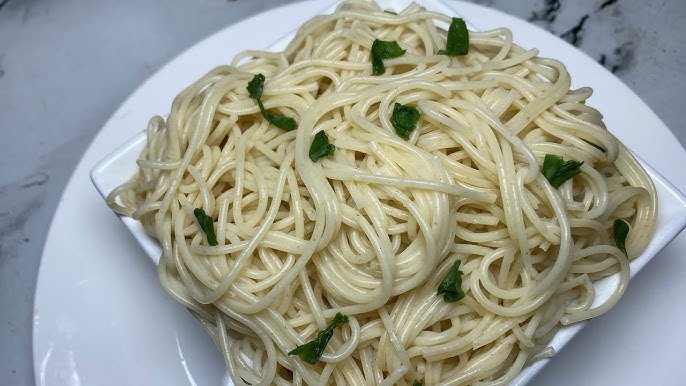
Are you tired of your pasta sticking together every time you cook? You’re not alone.
Sticky pasta can ruin a meal, turning what should be a simple, delicious dish into a frustrating experience. But here’s the good news: with a few easy tricks, you can cook pasta perfectly every time. Imagine serving pasta that’s tender, separate, and just right—no clumps, no mess.
Keep reading, and you’ll discover the simple steps to make your pasta cooking hassle-free and delicious.

Credit: worldofpastabilities.com
Choosing The Right Pasta
Cooking pasta perfectly starts with choosing the right type. Different pastas cook differently and affect how they stick together.
Picking good quality pasta also helps prevent sticking and improves taste and texture.
Types Of Pasta
There are many pasta shapes like spaghetti, penne, and fusilli. Each shape holds sauce differently and cooks in varied times.
Long pasta like spaghetti can stick more if not stirred well. Short pasta like penne is less likely to stick together.
- Spaghetti: Thin, long strands, cook quickly
- Penne: Short tubes, hold sauce inside
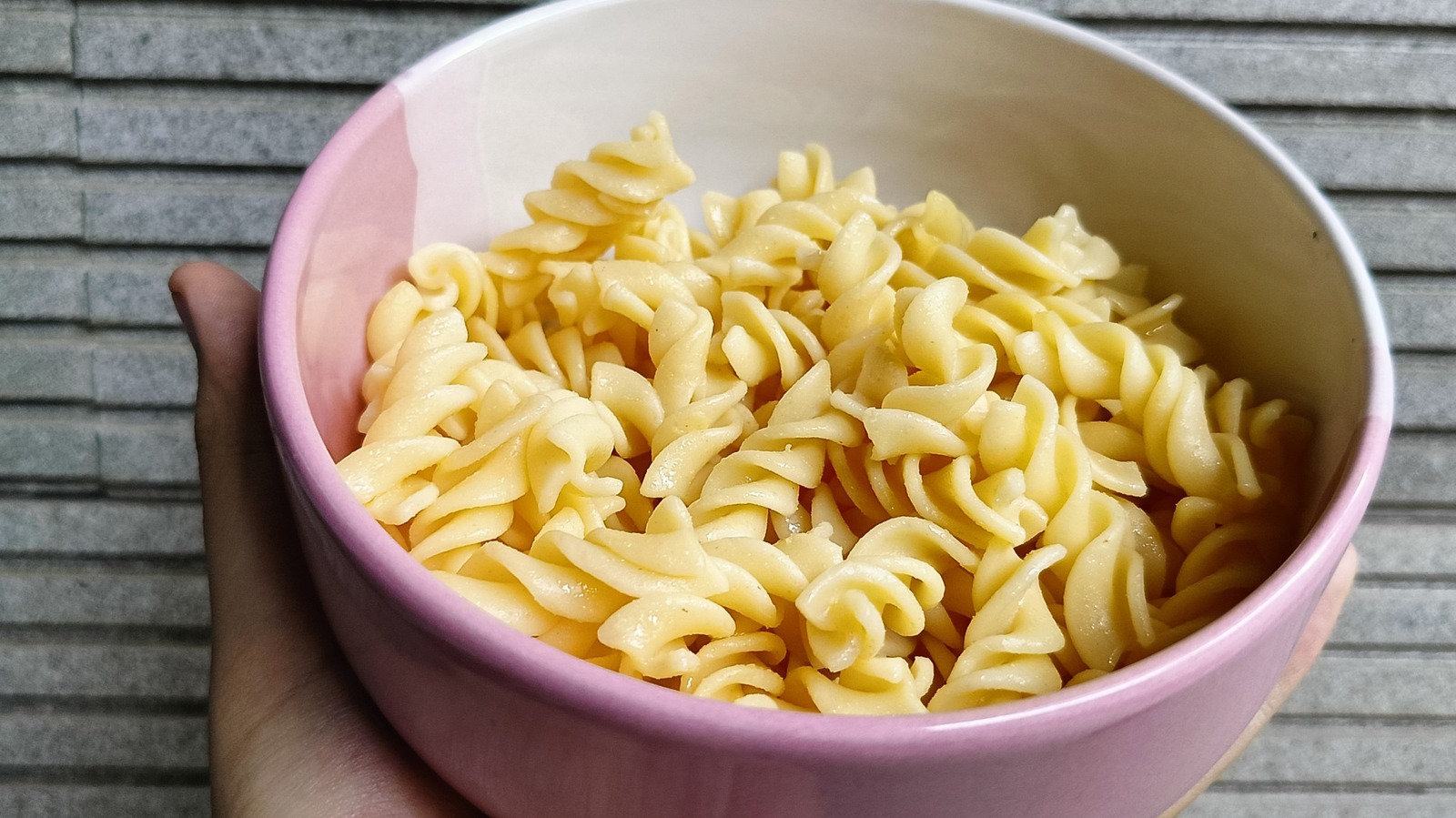
- Fusilli: Spiral shape, good for thick sauces
- Farfalle: Bow-tie shape, cooks evenly
- Macaroni: Small tubes, often used in baked dishes
Quality Considerations
High-quality pasta is made from durum wheat. It holds its shape better and is less likely to stick.
Cheap pasta may become mushy and stick together easily. Look for pasta labeled “100% durum wheat” or “semolina.”
- Durum wheat pasta: Firm texture, less sticky
- Semolina pasta: Made from coarse wheat, cooks well
- Fresh pasta: Softer, cooks fast but sticks more
- Whole wheat pasta: More fiber, slightly chewy texture
Credit: www.chowhound.com
Proper Cooking Techniques
Cooking pasta perfectly needs the right techniques. Avoid sticky pasta with simple tips.
Follow these cooking methods to get smooth, separate pasta every time.
Boiling Water Basics
Start with a large pot filled with water. Use enough water so pasta can move freely.
Bring the water to a rolling boil before adding pasta. This stops pasta from sticking.
Salt And Water Ratio
Add salt to the boiling water to flavor the pasta. Salt also helps prevent sticking.
Use about 1 to 2 tablespoons of salt per 4 quarts (16 cups) of water. Adjust to taste.
- Too little salt makes bland pasta
- Too much salt can be unhealthy
- Proper salt balances taste and texture
Correct Cooking Time
Follow the package instructions for cooking time. Check pasta a minute before time ends.
Test pasta by biting it. It should be soft but firm, called “al dente.”
- Overcooking makes pasta mushy and sticky
- Undercooking leaves pasta hard
- Stir pasta often to stop clumps
Preventing Pasta From Sticking
Cooking pasta can be easy if you know how to stop it from sticking. Sticky pasta can ruin your meal and make it hard to serve.
Simple steps help keep pasta separate and tasty. Use these tips to get perfect pasta every time.
Using Olive Oil
Adding olive oil to boiling water can help prevent pasta from sticking. The oil creates a thin layer on the pasta surface.
Use just a small amount to keep the pasta from clumping together. Too much oil can make sauce slip off the pasta.
Stirring Techniques
Stir pasta often during the first few minutes of cooking. This stops the pasta pieces from touching and sticking.
Use a long spoon or spatula to gently stir the pasta. Stirring less after the first few minutes is best.
- Stir pasta as soon as it goes in the pot
- Stir every 1-2 minutes for the first 5 minutes
- Stop stirring once pasta loosens up
Rinsing Tips
Rinse pasta with cold water only if you use it in cold dishes like salads. Rinsing removes starch that causes sticking.
Do not rinse pasta if you serve it hot with sauce. The starch helps sauce stick to the pasta for better flavor.
Sauce Pairing Tips
Choosing the right sauce for your pasta shape makes your meal taste better. Each pasta shape holds sauce differently. Knowing how to pair them helps you cook pasta perfectly without it sticking.
Good sauce pairing also makes your dish look more appealing. Let’s explore how to match pasta shapes with sauces and how to mix sauce with pasta correctly.
Matching Pasta Shapes To Sauces
Different pasta shapes work best with certain sauces. Thin noodles suit light sauces. Thick or ridged pasta holds chunky sauces well. Here is a simple guide to help you match them.
| Pasta Shape | Best Sauce Type |
| Spaghetti | Light tomato or olive oil-based sauces |
| Fettuccine | Creamy Alfredo or thick cheese sauces |
| Penne | Chunky tomato or meat sauces |
| Fusilli | Vegetable or pesto sauces that cling well |
| Lasagna | Layered meat or béchamel sauces |
Incorporating Sauce With Pasta
Mixing sauce and pasta correctly keeps your pasta from sticking. Toss pasta with sauce right after draining. Use reserved pasta water to loosen thick sauces. This helps the sauce coat the pasta evenly.
- Drain pasta but save some cooking water.
- Return pasta to the pan on low heat.
- Add sauce and a small amount of pasta water.
- Toss pasta and sauce for 1–2 minutes.
- Serve immediately for best texture and taste.
Finishing Touches
After cooking pasta perfectly, the last steps make your dish stand out. These finishing touches add flavor and a beautiful look.
Focus on simple garnishes and smart serving ideas to impress your guests and enjoy your meal fully.
Garnishing Ideas
Adding the right garnish brings color and texture to your pasta. Fresh herbs, cheese, and nuts work well as toppings.
- Sprinkle chopped basil or parsley for freshness
- Add grated Parmesan or pecorino cheese
- Use toasted pine nuts or walnuts for crunch
- Drizzle a little olive oil for shine and flavor
- Place a few chili flakes for a mild heat
Serving Suggestions
How you serve pasta can change the whole dining experience. Use warm plates and pair pasta with suitable sides.
| Side Dish | Why It Works |
| Garlic Bread | Crunchy texture complements soft pasta |
| Mixed Green Salad | Adds freshness and balances richness |
| Roasted Vegetables | Bring color and extra nutrients |
| Light White Wine | Enhances flavors without overpowering |

Credit: worldofpastabilities.com
Frequently Asked Questions
How Much Water Is Needed To Prevent Pasta Sticking?
Use plenty of water, about 4-6 quarts per pound of pasta. This dilutes starch and stops sticking.
Should I Add Oil To Pasta Water To Avoid Sticking?
Adding oil is not recommended. It can prevent sauce from sticking. Stirring pasta regularly is more effective.
How Often Should I Stir Pasta To Keep It From Sticking?
Stir pasta frequently, especially in the first 2-3 minutes. This prevents clumping and ensures even cooking.
When Is The Best Time To Add Salt To Pasta Water?
Add salt once water boils before adding pasta. It enhances flavor without affecting cooking time.
Conclusion
Cooking pasta without sticking is easy with the right steps. Use plenty of water and stir often. Add salt for taste and boil pasta just right. Drain pasta quickly and avoid rinsing to keep texture. These simple tips help you enjoy smooth, tasty pasta every time.
Practice a few times, and it will become second nature. Cooking pasta can be fun and stress-free. Enjoy your meals with confidence and no sticky mess.