
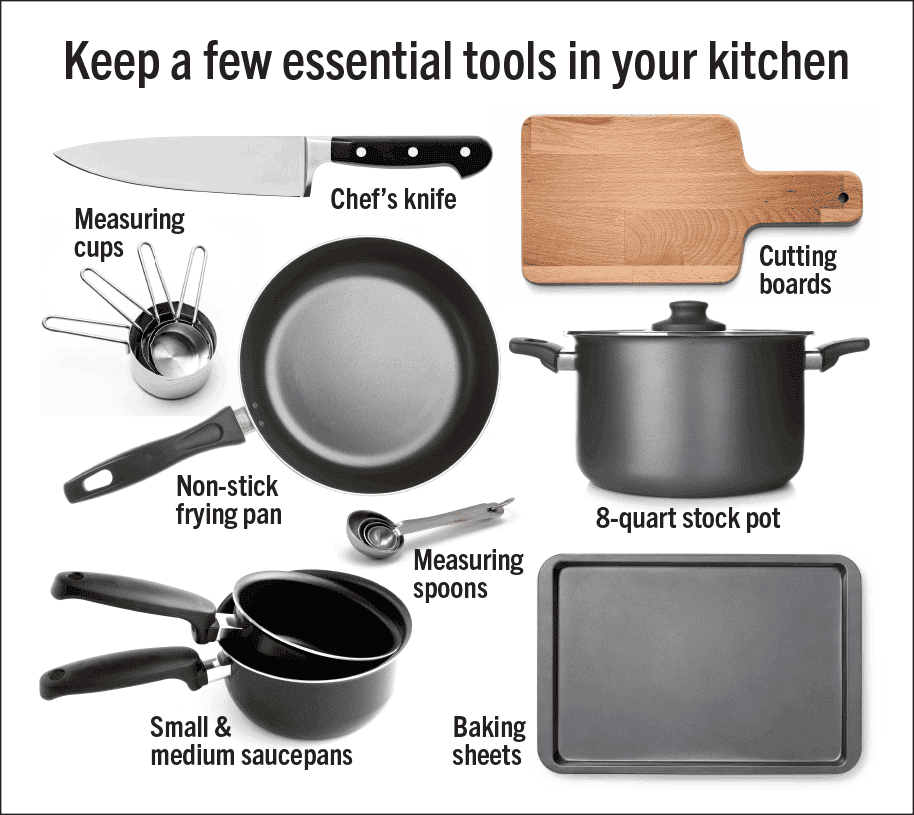
Are you tired of food sticking to your frying pan and ruining your cooking experience? You’re not alone.
Non-stick frying pans can make your time in the kitchen easier and more enjoyable, but only if you know how to use and care for them properly. You’ll discover simple tips that will help you get the best performance from your non-stick pans.
Whether you’re a beginner or just want to extend the life of your favorite pan, these easy-to-follow tips are made just for you. Keep reading to unlock the secrets to cooking with your non-stick frying pan like a pro!

Credit: www.carawayhome.com
Choosing The Right Non-stick Pan
Picking the right non-stick pan can make cooking easier and cleaning faster. It helps to know what features to look for before buying.
Not all non-stick pans are the same. Some last longer and work better for certain foods. Use these tips to find the best pan for your kitchen.
Check The Non-stick Coating
Look for a pan with a strong non-stick coating. This keeps food from sticking and makes cleanup easy. Common coatings include PTFE and ceramic.
Ceramic coatings are free of chemicals but may wear out faster. PTFE coatings last longer but need careful use to avoid damage.
Choose The Right Size
Pick a pan size that fits your cooking needs. Small pans are good for eggs or small meals. Large pans work well for family cooking.
- 8 to 10 inches for single servings
- 10 to 12 inches for most meals
- Larger than 12 inches for big families
Consider The Pan’s Material
The pan’s base affects how it heats. Aluminum pans heat quickly and evenly. Stainless steel pans are heavier but last longer.
Some pans have a layered base to combine good heat with durability. Choose one that suits your cooking style.
Look At The Handle Design
A good handle stays cool and feels comfortable. It should be firmly attached and easy to grip. This makes cooking safer and easier.
Handles made of silicone or wood stay cooler than metal ones. Check if the handle is oven-safe if you want to use the pan in the oven.
Check For Oven And Dishwasher Safety
Some non-stick pans can go in the oven. This helps with recipes that start on the stove and finish in the oven. Check the temperature limit before buying.
Dishwasher-safe pans save time on cleaning. But washing by hand helps the non-stick coating last longer.
Set A Budget
Non-stick pans come in many price ranges. More expensive pans often last longer. Decide how much you want to spend before choosing.
Sometimes a mid-range pan gives good quality without costing too much. Look for pans with good reviews within your budget.
Credit: misen.com
Proper Heating Techniques
Using the right heating methods keeps your non-stick frying pan in good shape. It also helps cook food evenly without sticking.
Learn how to heat your pan properly to get the best results every time.
Heat The Pan Slowly
Start heating your non-stick pan on low or medium heat. Avoid high heat at the beginning. This prevents damage to the coating.
Slow heating lets the pan warm evenly. It helps keep the surface smooth and non-stick.
Use Medium Heat For Cooking
Cook with medium heat most of the time. High heat can break down the non-stick layer. It may cause food to stick and the pan to wear out.
Medium heat cooks food well and protects your pan.
Avoid Heating An Empty Pan
Do not leave your pan on the stove empty for long. Heating an empty pan can damage the coating quickly.
Add oil or food soon after the pan starts to warm. This keeps the pan safe and ready for cooking.
Check The Heat With Water Drops
Test if your pan is ready by dropping a few drops of water on it. If the drops dance or sizzle gently, the pan is at the right temperature.
If the water evaporates immediately, the pan is too hot. Lower the heat to protect the pan.
Turn Off Heat Early
Turn off the heat a little before the food is fully cooked. The pan will stay hot enough to finish cooking without over-heating.
This simple step helps keep your pan’s non-stick surface strong for longer.
Cooking With Minimal Oil
Using less oil in cooking helps make meals healthier. Non-stick frying pans are great for this purpose.
They let you cook food without sticking and reduce the need for oil or butter. Here are some tips to cook with minimal oil.
Preheat Your Pan Properly
Always heat your non-stick pan before adding food. A warm pan needs less oil to prevent sticking.
Use A Small Amount Of Oil
Pour just a teaspoon of oil or use a cooking spray. Spread it evenly with a brush or paper towel.
- Use olive oil or avocado oil for healthier fats.
- Try non-stick sprays for easy coverage.
- Avoid pouring oil directly from the bottle.
Cook At Medium Heat
Medium heat keeps food from burning and sticking. It lets you use less oil and still cook well.
Use Non-stick Cookware Correctly
Do not use metal utensils that can damage the surface. Use wooden or silicone tools to keep the coating safe.
| Do | Don’t |
| Use wooden spoons | Use metal forks or knives |
| Clean with soft sponges | Scrub with abrasive pads |
| Store carefully to avoid scratches | Stack pans without protection |
Add Moisture When Needed
Add water, broth, or lemon juice to prevent drying and sticking. This reduces the need for oil during cooking.
Clean Your Pan Properly
Cleaning your non-stick pan right keeps it working well with less oil. Use warm water and mild soap. Avoid harsh chemicals.
Avoiding Metal Utensils
Non-stick frying pans have a special coating that makes cooking easier. Using metal utensils can damage this coating. This can reduce the pan’s life and cause food to stick.
It is important to use the right tools to keep your non-stick pan safe. This guide explains how to avoid metal utensils and what to use instead.
Why Avoid Metal Utensils?
Metal utensils can scratch the surface of non-stick pans. These scratches make the pan less effective. Scratches also increase the chance of harmful chemicals leaking into food.
Best Alternatives To Metal Utensils
- Wooden spoons and spatulas
- Silicone turners and spatulas
- Bamboo cooking tools
- Plastic utensils made for cooking
These materials are soft and safe for non-stick coatings. They do not cause scratches and last a long time.
Tips For Using Utensils Safely
| Tip | How to Do It |
| Use gentle pressure | Press lightly to avoid scratching |
| Clean utensils properly | Wash with mild soap and soft sponges |
| Store separately | Keep non-stick pans and metal tools apart |
| Replace worn utensils | Discard tools with rough or sharp edges |
Cleaning Without Scratching
Non-stick frying pans make cooking easy and cleaning simpler. But their coating can scratch if you are not careful. Proper cleaning helps keep the pan smooth and lasts longer.
Use gentle methods to remove food and grease without damaging the surface. This guide shows safe ways to clean your non-stick pan.
Use Soft Cleaning Tools
Avoid rough sponges or metal scrubbers. They can scratch the non-stick layer and ruin the pan. Use soft cloths, sponges, or brushes made for delicate surfaces.
- Use a soft sponge or dishcloth
- Try nylon scrubbers if needed
- Never use steel wool or metal pads
- Use plastic or wooden utensils for cleaning
Choose Gentle Cleaning Agents
Harsh chemicals can wear off the coating. Stick to mild dish soap and warm water. Avoid abrasive powders or strong cleaners that can scratch and damage the pan.
Soak To Loosen Stuck Food
Soaking helps loosen stuck food without scrubbing hard. Fill the pan with warm soapy water and let it sit. This softens residue and makes cleaning easy.
- Fill pan with warm water and mild soap
- Let it soak for 10 to 15 minutes
- Use a soft sponge to clean gently
- Rinse well and dry with a soft towel
Avoid Dishwasher Use
Dishwashers can damage non-stick surfaces over time. The harsh detergents and high heat affect the coating. Hand wash your pan to keep it safe and scratch-free.
Store Properly To Prevent Scratches
Stacking pans can cause scratches. Place a soft cloth or paper towel between pans before stacking. This protects the surface from rubbing and keeps the coating intact.
| Storage Tip | Why It Helps |
| Use pan protectors or cloth between pans | Prevents surface rubbing and scratches |
| Hang pans separately | Avoids contact and damage |
| Store in dry place | Keeps coating from degrading |
Storing To Prevent Damage
Non-stick frying pans need careful storing to keep their surface safe. Proper storage stops scratches and extends the pan’s life.
Learn easy tips to store your pans right. These ideas help keep your pans ready for cooking every time.
Avoid Stacking Without Protection
Stacking pans directly can scratch the non-stick surface. Always place a soft layer between pans to protect the coating.
- Use cloth or paper towels between pans
- Place pan protectors designed for cookware
- Store pans with handles facing out for easy access
Store In A Dry, Cool Place
Keep pans in a dry spot to avoid rust on metal parts. Avoid places with high heat or humidity, which can damage the pan.
Hang Pans To Save Space
Hanging pans reduces contact and risk of scratches. Use sturdy hooks or a wall rack to hold your pans safely.
| Storage Method | Benefit | Note |
|---|---|---|
| Stacking with padding | Protects surface from scratches | Use soft cloth or paper towels |
| Dry, cool cabinet | Prevents rust and damage | Avoid damp or hot areas |
| Hanging on hooks | Saves space and protects coating | Use strong, secure hooks |
Extending The Pan’s Lifespan
Non-stick frying pans make cooking easier and cleanup faster. Taking care of them can keep them working well for a long time.
Simple habits help protect the non-stick surface and prevent damage. Use these tips to enjoy your pan longer.
Use Low To Medium Heat
High heat can damage the non-stick coating. Cook with low or medium heat to protect the surface.
Using gentle heat keeps the pan safe and helps food cook evenly.
Avoid Metal Utensils
Metal tools can scratch the non-stick surface. Use wooden, silicone, or plastic utensils instead.
These utensils are gentle and keep the coating intact.
Hand Wash Only
Dishwashers can harm the pan’s non-stick layer. Wash your pan by hand with warm water and mild soap.
Use a soft sponge to avoid scratches and rinse well.
Avoid Cooking Sprays
Cooking sprays can build up residue and damage the pan. Use a small amount of oil or butter instead.
This keeps the surface clean and working properly.
Store Carefully
Stacking pans can cause scratches. Place a soft cloth or paper towel between pans when storing.
This simple step protects the non-stick coating from damage.
Common Mistakes To Avoid
Non-stick frying pans make cooking easier. Using them the right way keeps them working well.
Avoiding common errors helps your pan last longer and stay non-stick.
Using High Heat
High heat can damage the non-stick coating. It may cause peeling or release fumes.
Cook on low or medium heat to protect your pan and food.
Using Metal Utensils
Metal tools can scratch the pan’s surface. Scratches reduce the pan’s non-stick ability.
Use wooden, silicone, or plastic utensils to keep the coating safe.
Cleaning With Abrasive Materials
Scrubbing with steel wool or rough sponges damages the coating. It shortens the pan’s life.
Use soft cloths or sponges and mild soap for cleaning.
Skipping Oil Or Butter
Some foods stick if you do not add oil or butter, even in a non-stick pan.
Lightly oil the pan before cooking to improve food release and pan protection.
Storing Pans Incorrectly
Stacking pans without protection can cause scratches on the coating.
Use pan protectors or cloths between pans when storing to avoid damage.

Credit: www.beka-cookware.com
Frequently Asked Questions
How Do I Clean A Non-stick Frying Pan Properly?
To clean, use warm water and mild dish soap with a soft sponge. Avoid abrasive scrubbers that can damage the coating. Hand wash only, as dishwashers may reduce the pan’s lifespan. Regular gentle cleaning maintains the non-stick surface and keeps your pan effective.
Can I Use Metal Utensils On Non-stick Pans?
No, avoid metal utensils as they can scratch and damage the coating. Use wooden, silicone, or plastic utensils instead. This preserves the non-stick surface and extends the pan’s usability, preventing food from sticking and reducing the risk of peeling.
What Heat Level Is Best For Non-stick Frying Pans?
Use low to medium heat for non-stick pans. High heat can degrade the coating and release harmful fumes. Cooking at moderate temperatures ensures even cooking and protects the pan’s non-stick properties for longer use.
How Do I Store Non-stick Frying Pans Safely?
Store non-stick pans by hanging or stacking them with a protective layer like a cloth or paper towel in between. This prevents scratches and preserves the coating. Avoid placing heavy items on top that could damage the surface.
Conclusion
Taking care of your non-stick frying pan helps it last longer. Use gentle tools and avoid high heat. Clean it with soft sponges and mild soap. Store it carefully to prevent scratches. Small actions make a big difference in cooking and cleaning.
A well-maintained pan cooks food evenly and stays non-stick. Follow these simple tips for better results every time. Enjoy cooking with ease and less mess. Keep your pan in good shape for many meals ahead.