
Are you tired of lasagna noodles that turn out stiff and hard, ruining your perfect dish? You’re not alone.
Getting those noodles soft and tender can make all the difference in creating a mouthwatering lasagna that melts in your mouth. You’ll discover simple, proven tips to make your lasagna noodles soft every single time. Keep reading, and soon you’ll master the secret to lasagna that’s truly irresistible.

Credit: comfortcooks.com
Choosing The Right Noodles
Lasagna noodles come in different types and textures. Picking the right noodle helps make them soft and tasty.
Soft noodles blend better with sauce and cheese. This makes your lasagna easier to eat and enjoy.
Use Fresh Or No-boil Noodles
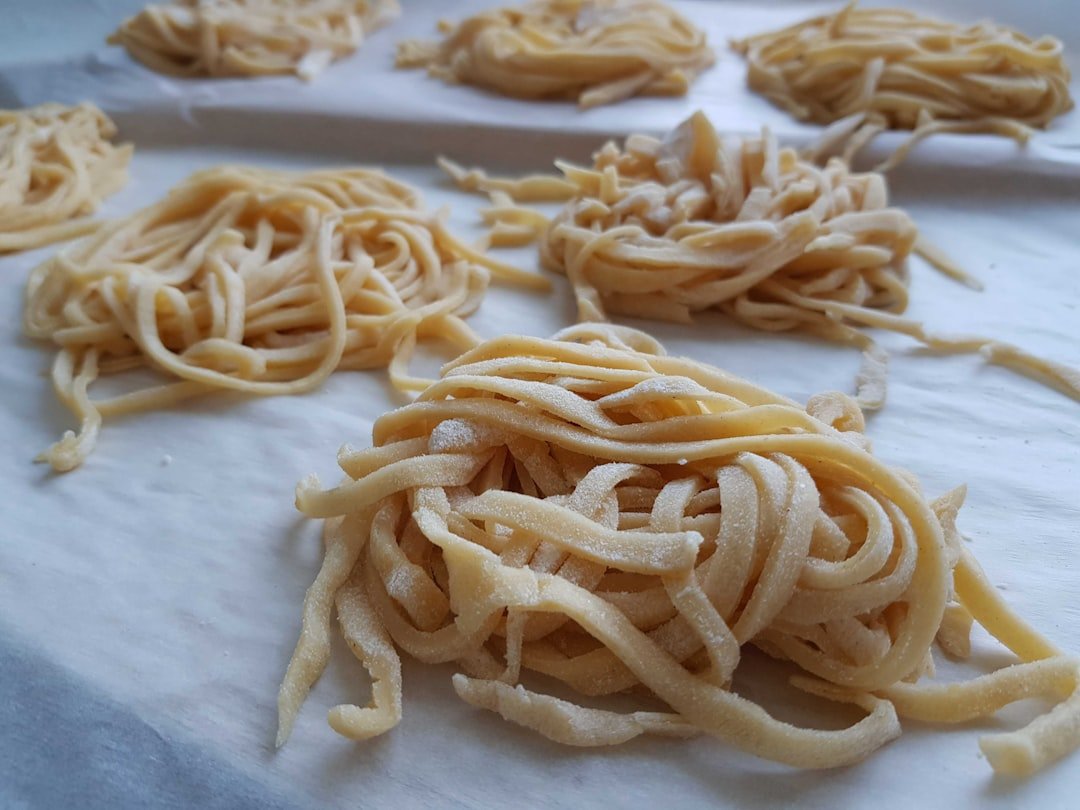
Fresh noodles are soft and do not need boiling. No-boil noodles also cook in the sauce while baking.
These noodles save time and stay soft after baking. They absorb moisture well and blend with other ingredients.
Choose Thin Or Regular Thickness
Thin noodles cook faster and become soft easily. Regular thickness noodles need more cooking time to soften.
Pick thin noodles if you want soft layers quickly. Regular noodles are good if you boil them before baking.
Look For Quality Durum Wheat Noodles
Durum wheat noodles hold their shape but can be soft when cooked right. They are common in many lasagna recipes.
Choose noodles made from high-quality durum wheat. They cook evenly and do not break apart easily.
Consider Whole Wheat Or Gluten-free Options
Whole wheat noodles add fiber and a nutty flavor. They soften well if cooked properly.
Gluten-free noodles need more care to become soft. Soak or boil them longer before layering.
- Whole wheat noodles: softer with extra cooking
- Gluten-free noodles: soak or boil before use
Credit: www.sixsistersstuff.com
Pre-boiling Techniques
Making lasagna noodles soft before cooking helps them cook evenly. Pre-boiling is an easy way to get soft noodles. It also prevents noodles from sticking together in the oven.
Using the right water temperature and adding salt and oil can improve pre-boiling results. These small steps make your noodles tender and delicious.
Optimal Water Temperature
Start with a large pot of water at a rolling boil. The water should be hot enough to cook noodles quickly. Boiling water helps noodles soften without becoming mushy.
Keep the water boiling while adding noodles. This stops them from sticking and keeps the texture even. Avoid lowering the heat too much during cooking.
- Use plenty of water to prevent noodles from sticking
- Wait for water to reach a full boil before adding noodles
- Maintain boiling temperature while noodles cook
Salt And Oil Additions
Add salt to the boiling water to enhance the noodles’ flavor. Salt also helps the water boil at a higher temperature. This can make noodles cook a bit faster.
Adding a small amount of oil to the water can stop noodles from sticking. Use just a teaspoon or two. Too much oil can make sauce slide off the noodles later.
- Add about 1 tablespoon of salt per 4 quarts of water
- Use 1-2 teaspoons of cooking oil in the boiling water
- Stir noodles occasionally to prevent sticking
Soaking Method
Lasagna noodles can be hard and brittle before cooking. Soaking them softens the noodles without boiling. This method saves time and keeps noodles from breaking.
There are two main ways to soak noodles: cold water soak and hot water soak. Both help noodles become flexible for layering in your lasagna.
Cold Water Soak
Cold water soaking involves placing noodles in cold water until they soften. It takes longer but prevents noodles from cooking too fast.
Use a large bowl and enough water to cover the noodles completely. Soak for about 30 minutes or until noodles bend easily.
- Place dry noodles in a large bowl
- Cover noodles with cold water
- Let soak for 30 minutes
- Drain noodles before layering
Hot Water Soak
Hot water soaking softens noodles faster than cold water. Use hot but not boiling water to avoid overcooking.
Soak noodles for about 5 to 10 minutes. Stir gently to keep noodles from sticking. Drain well before using in your recipe.
- Fill a bowl with hot tap water
- Submerge the noodles fully
- Let soak for 5 to 10 minutes
- Drain and separate noodles carefully
Layering With Sauce
Layering sauce on lasagna noodles helps make them soft and tasty. Sauce adds moisture that cooks into the noodles.
Proper sauce layering stops noodles from drying out. It ensures each bite is smooth and tender.
Even Sauce Distribution
Spread sauce evenly over each noodle layer. This helps all noodles absorb moisture the same way.
Uneven sauce can cause some noodles to stay hard. Even coverage keeps noodles soft throughout the dish.
- Use a spoon or ladle to spread sauce gently
- Cover the entire surface of noodles with sauce
- Check edges and corners for full coverage
Sufficient Sauce Coverage
Use enough sauce to cover each noodle layer well. Thin sauce layers may dry out during baking.
Thick sauce layers keep noodles moist and soft. They also add flavor to every part of the lasagna.
- Pour enough sauce to soak noodles without flooding
- Adjust sauce amount based on noodle thickness
- Use extra sauce if noodles seem dry before baking
Baking Time And Temperature
Baking lasagna noodles correctly makes them soft and tasty. Time and temperature affect noodle texture a lot.
Too high heat can dry noodles. Too short baking leaves noodles hard. Find the right balance for softness.
Adjusting For Crisp Edges
Edges of lasagna get crisp faster because they are more exposed to heat. Lower temperature helps keep edges soft.
Cover lasagna with foil during baking. This keeps edges from drying out while noodles cook inside.
- Bake at 350°F (175°C) for soft noodles with less crisp edges
- Cover with foil for first 30-40 minutes
- Remove foil last 10 minutes to brown top
Ensuring Even Cooking
Even cooking helps all noodles become soft without some parts overcooked or undercooked. Rotate pan during baking.
Use a baking dish that fits noodles well. Too large dish dries noodles. Too small causes uneven layers.
- Preheat oven to 350°F (175°C)
- Bake covered for 40-45 minutes
- Rotate pan halfway through baking
- Check for soft noodles by inserting fork in center
Resting Before Serving
Letting lasagna rest before serving helps the noodles soften. Resting gives time for moisture to spread evenly.
This step improves taste and makes cutting easier. It also stops the noodles from feeling dry or hard.
Allowing Noodles To Absorb Moisture
Resting lets the noodles soak up sauce and steam. This extra moisture softens the noodles inside the lasagna.
Without resting, noodles may stay firm or dry, making the dish less enjoyable.
- Cover the lasagna with foil to keep moisture in
- Rest at room temperature for 10 to 15 minutes
- Use a warm place to help moisture absorption
Improving Overall Texture
Resting improves the texture of the entire lasagna. It helps the layers stick together nicely.
The noodles become tender but not mushy. The filling firms up slightly for better slicing.
- Wait before cutting to keep shapes intact
- Resting cools hot layers for safer eating
- Enjoy a balanced, smooth texture in each bite

Credit: happymoneysaver.com
Frequently Asked Questions
How Long Should I Boil Lasagna Noodles For Softness?
Boil lasagna noodles for 8 to 10 minutes until tender but firm. Avoid overcooking to prevent mushiness. Check noodles frequently for desired softness. Drain and rinse with cold water to stop cooking.
Can Soaking Lasagna Noodles Make Them Soft?
Yes, soaking noodles in warm water for 20 to 30 minutes softens them. This method works well for no-boil noodles. It saves cooking time and ensures even softness.
Does Salt In Boiling Water Affect Noodle Softness?
Adding salt to boiling water enhances flavor but does not soften noodles. Softness depends on cooking time and water temperature. Salted water prevents noodles from sticking together.
Should I Use No-boil Noodles For Softer Texture?
No-boil noodles absorb sauce while baking, becoming soft and tender. They are convenient and save boiling time. Ensure your sauce is watery enough for proper cooking.
Conclusion
Soft lasagna noodles make every bite better. Boil them just right and use enough water. Stir gently to stop noodles from sticking. Let noodles cool a bit before layering. These simple steps save cooking time and effort. Enjoy your lasagna with tender, tasty noodles every time.
Cooking can be easy and fun with these tips. Try them soon and taste the difference!