
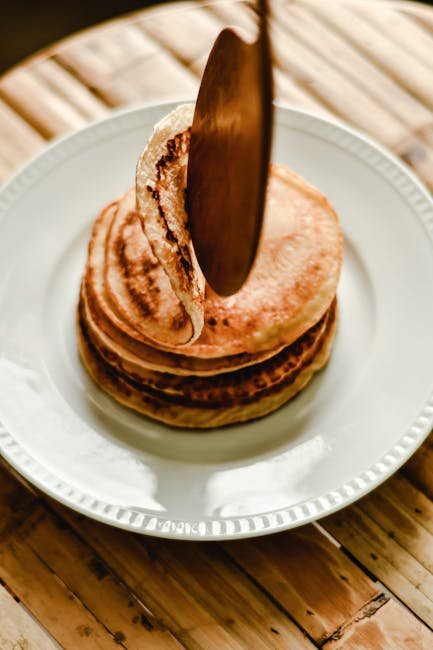
Do you love pancakes but wish yours were fluffier, lighter, and more delicious? You’re not alone.
Many people struggle to get that perfect, soft texture at home. The good news? Making fluffy pancakes is easier than you think. With a few simple tricks and the right ingredients, you can turn your ordinary pancake recipe into a breakfast masterpiece.
Keep reading, and you’ll discover how to make pancakes that are so fluffy, you won’t want to share them!
Choose The Right Ingredients
Fluffy pancakes start with good ingredients. Picking the right ones makes your pancakes soft and light.
Learn how flour, baking powder, and milk types affect your pancake texture. Use these tips for better results.
Flour Selection
Use all-purpose flour for soft pancakes. It has enough protein to hold the batter but is not too heavy.
- All-purpose flour gives a good balance of fluffiness and structure.
- Cake flour has less protein and makes very tender pancakes.
- Whole wheat flour adds flavor but can make pancakes dense.
Baking Powder Importance
Baking powder helps pancakes rise and become fluffy. It creates air bubbles in the batter.
| Type | Use | Effect on Pancakes |
| Single-acting | Activates with liquid | Rise starts immediately |
| Double-acting | Activates with liquid and heat | More reliable rise and fluffiness |
| Expired baking powder | Should not be used | Less or no rise, dense pancakes |
Milk Or Buttermilk
Milk type changes pancake taste and texture. Buttermilk makes them tender and adds a slight tang.
Try these milk options for fluffy pancakes:
- Whole milk: Rich and creamy pancakes
- Buttermilk: Reacts with baking powder for more rise
- Skim milk: Lighter but less rich pancakes

Credit: www.youtube.com
Perfect Mixing Techniques
Making pancakes fluffy starts with how you mix the batter. The right mixing method helps keep air in the batter. This air makes pancakes light and soft.
Using good mixing techniques also stops the batter from becoming tough. Let’s look at key tips for mixing pancake batter the right way.
Avoid Overmixing
Overmixing pancake batter makes gluten form too much. This causes pancakes to turn dense and rubbery. Mix only until you see wet and dry ingredients combine.
It is okay if the batter has some lumps. They will disappear while cooking. Stop mixing as soon as the flour is moistened.
- Use a spoon or spatula, not a mixer
- Stir gently and slowly
- Mix just until no dry flour shows
- Ignore small lumps in the batter
Gentle Folding
Folding means carefully mixing ingredients without breaking air bubbles. This keeps the batter light and airy. Use a spatula to fold in flour or add-ins.
Cut through the center of the batter, scoop from the bottom, and lift gently. Turn the bowl slowly as you fold. This way, you keep air trapped inside.
- Use a rubber spatula for folding
- Fold from the bottom to top
- Turn the bowl as you fold
- Stop folding when mixed well
Optimal Batter Consistency
Making pancakes fluffy depends a lot on the batter’s thickness. If the batter is too thin or too thick, the pancakes will not cook evenly or rise well.
Getting the right consistency helps create light and airy pancakes that taste great. Let’s look at how to check and adjust the batter thickness.
Ideal Thickness
The batter should be thick enough to hold its shape but still pour smoothly. It should fall slowly off the spoon in a thick ribbon.
- Too thin batter spreads too much and makes flat pancakes.
- Too thick batter makes dense and heavy pancakes.
- Look for a consistency like warm honey or yogurt.
Adjusting Consistency
You can easily fix the batter thickness by adding small amounts of liquid or flour. Mix gently to keep the batter light.
| Adjustment | What to Add | Effect |
| Too Thick | Milk or water, one tablespoon at a time | Thins batter for better flow |
| Too Thin | Flour, one tablespoon at a time | Thickens batter to hold shape |
| After Adjusting | Mix gently | Prevents tough pancakes |
:max_bytes(150000):strip_icc()/162760-fluffy-pancakes-VAT-014-4x3-11e09ab76cf84445a05bd0ffb3949206.jpg)
Credit: www.allrecipes.com
Cooking Temperature
Cooking temperature is key to making pancakes fluffy at home. The right heat helps pancakes cook evenly without burning.
Knowing how to control your pan’s temperature can improve the texture and rise of your pancakes.
Preheat The Pan
Always preheat your pan before adding batter. A warm pan cooks pancakes evenly and forms a nice crust.
If the pan is cold, pancakes will spread too much and become flat. Too hot, and they will burn outside but stay raw inside.
- Heat the pan for 3 to 5 minutes on medium heat
- Test the heat by sprinkling a few drops of water; they should sizzle and evaporate quickly
- Use a non-stick pan or lightly grease the pan with butter or oil
Medium Heat Benefits
Cooking pancakes on medium heat allows the inside to cook fully while the outside becomes golden brown.
High heat cooks pancakes too fast, causing a burnt outside and raw inside. Low heat makes pancakes dry and flat.
- Medium heat keeps pancakes fluffy and moist
- It helps bubbles form and rise for that light texture
- Prevents burning and sticking to the pan
Timing For Fluffiness
Timing is very important to make pancakes fluffy. You need to watch when to cook and flip the pancakes.
If you act too fast or too slow, the pancakes will not be fluffy and soft.
Bubble Formation
Bubbles form on the pancake surface as the batter cooks. These bubbles help make pancakes light and airy.
Wait until many bubbles appear and their edges start to look dry before flipping the pancake.
- Bubbles show the inside is cooking
- Edges drying means it is ready to flip
- Flipping too early breaks bubbles and loses fluffiness
Flipping Tips
Flip pancakes carefully to keep them fluffy. Use a thin spatula to lift them gently.
Flip only once. Let the second side cook until golden brown but do not overcook.
- Use a non-stick pan for easy flipping
- Flip when bubbles form and edges look dry
- Cook second side for about half the first side’s time
Enhancing Fluffiness
Fluffy pancakes feel light and soft. They taste better and look more inviting.
Two easy ways to make pancakes fluffier are using the egg white technique and resting the batter.
Egg White Technique
Separate egg whites from yolks and beat the whites until stiff peaks form. This adds air to the batter.
- Use fresh eggs for best results.
- Beat egg whites with a clean, dry whisk or mixer.
- Fold beaten whites gently into the batter to keep air inside.
- Avoid overmixing after adding whites to keep fluffiness.
Resting The Batter
Letting the batter rest helps the flour absorb liquid. This makes pancakes rise better and stay tender.
| Rest Time | Effect on Pancakes |
| 5 minutes | Slightly lighter texture |
| 15 minutes | Noticeably fluffier and softer |
| 30 minutes | Best rise and tenderness |
Common Mistakes To Avoid
Making fluffy pancakes at home is easy if you avoid some common mistakes. Two errors can make your pancakes flat or tough.
Knowing what to watch out for helps you get soft, airy pancakes every time.
Using Old Baking Powder
Baking powder loses strength over time. Old baking powder may not make your pancakes rise well.
- Check the expiration date before use.
- Test baking powder by mixing a small spoon in hot water. It should bubble quickly.
- Store baking powder in a cool, dry place.
- Replace baking powder every 6 months for best results.
Overmixing The Batter
Mixing the batter too much breaks down gluten. This makes pancakes tough instead of fluffy.
| Mixing Method | Effect on Pancakes |
| Gentle mixing until just combined | Light and fluffy texture |
| Overmixing until smooth | Dense and chewy pancakes |
:max_bytes(150000):strip_icc()/21014-good-old-fashioned-pancakes-VAT-004-4x3-02-d6ce3b61def840fcaf40a43f805b733e.jpg)
Credit: www.allrecipes.com
Frequently Asked Questions
How Can I Make Pancakes Extra Fluffy?
Use fresh baking powder and don’t overmix the batter. Let it rest for 5-10 minutes before cooking. This allows air bubbles to form, making pancakes light and fluffy.
Why Does Pancake Batter Need To Rest?
Resting the batter lets gluten relax and air bubbles develop. This results in a tender texture and fluffier pancakes when cooked.
What Ingredient Makes Pancakes Fluffier?
Baking powder is key for fluffy pancakes. It creates air pockets by releasing carbon dioxide during cooking, giving pancakes a light, airy texture.
How Does Egg Separation Affect Pancake Fluffiness?
Separating eggs and whipping the whites adds volume. Folding whipped whites into batter creates extra fluff and a lighter pancake texture.
Conclusion
Fluffy pancakes start with the right ingredients and simple steps. Use fresh baking powder and do not overmix the batter. Let the batter rest for a few minutes before cooking. Cook on medium heat to avoid burning. Serve warm with your favorite toppings.
Practice makes perfect, so keep trying. Enjoy soft, light pancakes every time at home. Happy cooking!