
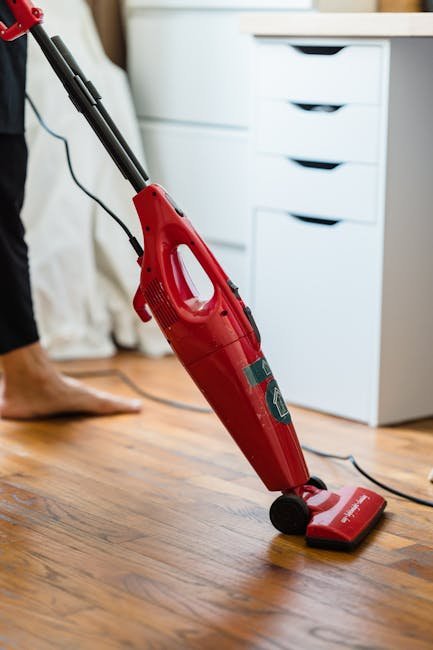
Are your hardwood floors looking dull or feeling sticky? Keeping them clean can feel like a tough job, but what if you could make it quick and easy?
You don’t have to spend hours scrubbing or worry about damaging your beautiful floors. You’ll discover simple, effective ways to clean your hardwood floors so they shine like new. Ready to learn how to protect your investment and enjoy spotless floors every day?
Let’s dive in!
:max_bytes(150000):strip_icc()/how-to-clean-white-walls-5409527-hero-c609bafefe814f4fa0bbd073b66becaa.jpg)
Credit: www.thespruce.com
Choosing The Right Cleaning Products
Cleaning hardwood floors needs care and the right products. Using wrong cleaners can damage the wood finish.
Picking safe and effective cleaners helps keep floors shiny and long-lasting. Learn what to look for below.
Avoid Harsh Chemicals
Harsh chemicals like ammonia or bleach can strip the floor’s finish. They may dry out or discolor the wood.
Use mild cleaners designed for hardwood floors only. These keep the surface safe and clean.
Look For Ph-neutral Cleaners
pH-neutral cleaners do not harm wood or finish. They clean well without leaving residue or dullness.
- Check the product label for “pH-neutral” description
- Choose water-based cleaners over oil-based ones
- Avoid products with wax or silicone that build up dirt
Natural And Homemade Options
Natural products can be gentle and safe for hardwood floors. Some homemade cleaners work well without chemicals.
| Ingredient | Use | Note |
|---|---|---|
| White vinegar (diluted) | Removes dirt and grime | Use very diluted to avoid damage |
| Olive oil and lemon juice | Polishes and cleans gently | Apply sparingly to avoid buildup |
| Castile soap | Effective mild cleaner | Mix with water for floor use |
Test Products Before Use
Always test new cleaning products on a small floor area. Watch for color changes or finish damage.
This step helps avoid costly damage and keeps floors looking their best.
Preparing Your Floor For Cleaning
Cleaning hardwood floors starts with good preparation. Proper steps help protect the wood and improve cleaning results.
Focus on removing loose particles and checking for any damage or stains. This makes the cleaning easier and safer.
Removing Dust And Debris
Dust and small debris can scratch hardwood floors during cleaning. Removing them first keeps your floor safe.
- Use a soft broom or microfiber dust mop to sweep the floor gently.
- Vacuum with a floor-brush attachment to get dirt from cracks and corners.
- Empty and clean the vacuum filter to avoid spreading dust back on the floor.
- Check for pet hair and remove it carefully with a damp cloth or mop.
Checking For Spills And Stains
Look closely for spills or stains before cleaning. Treating them early helps avoid permanent damage.
| Type of Stain | Recommended Action |
| Water Spill | Wipe up immediately with a dry cloth |
| Oil or Grease | Apply mild soap and water, then dry |
| Dark Stains | Use a hardwood cleaner or consult a professional |
| Pet Urine | Clean with enzyme-based cleaner to remove odor |
Effective Cleaning Techniques
Hardwood floors need careful cleaning to keep their shine and strength. Using the right methods stops damage and keeps wood looking fresh. This guide shares easy ways to clean hardwood floors well.
Learn how to mop without harming the wood and how to remove tough stains quickly. These tips help your floors stay beautiful for years.
Mopping Without Damaging The Wood
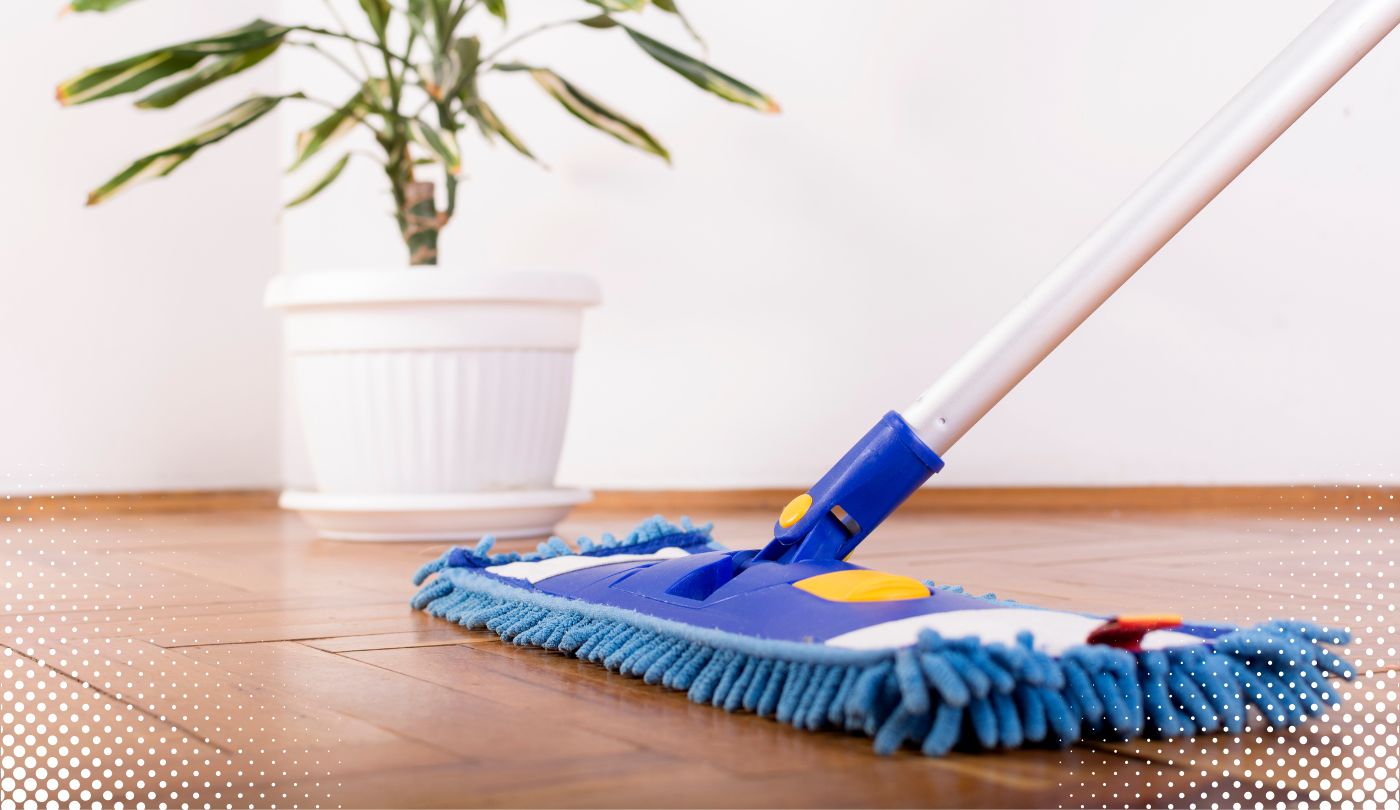
Use a damp mop instead of a wet one. Too much water can make wood swell and crack. Choose a mop with a soft cloth or microfiber head to avoid scratches.
- Use warm water mixed with a small amount of wood floor cleaner.
- Wring mop well before cleaning to keep it just damp.
- Move mop in the direction of the wood grain.
- Dry the floor with a clean cloth if any water remains.
- Avoid steam mops or harsh chemicals that damage the finish.
Spot Cleaning Tough Stains
Stains like grease, ink, or pet marks need special care. Use gentle methods to lift stains without harming the wood surface.
| Stain Type | Cleaning Method | Notes |
|---|---|---|
| Grease | Apply baking soda paste, then wipe gently | Do not rub hard to avoid scratches |
| Ink | Use a soft cloth with rubbing alcohol | Test on a hidden spot first |
| Pet Stains | Blot with vinegar and water mix | Dry quickly to stop damage |
| Water Spots | Buff with a soft cloth and a little olive oil | Polish gently to restore shine |
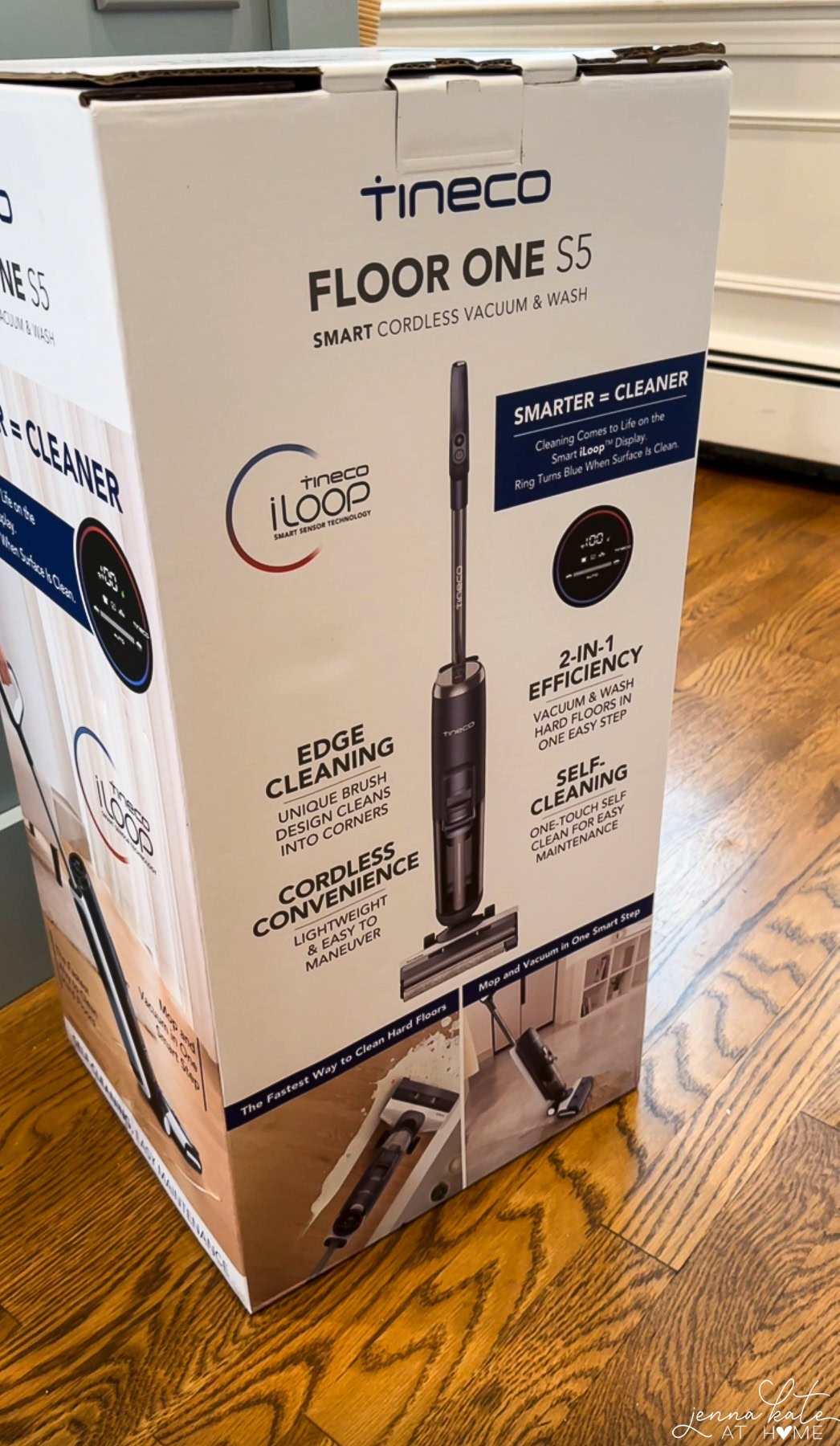
Credit: jennakateathome.com
Maintaining The Shine
Keeping hardwood floors shiny needs regular care. Dirt and dust can dull the surface.
Using the right products and techniques helps keep floors bright and smooth.
Using Wood Polish
Wood polish adds a protective layer that enhances the shine. Choose a polish made for hardwood floors.
- Clean the floor before applying polish.
- Use a soft cloth or applicator pad.
- Apply polish in thin, even coats.
- Let the polish dry completely before walking on the floor.
- Polish floors every few months to maintain gloss.
Regular Buffing
Buffing removes light scratches and restores shine. You can buff floors by hand or with a machine.
| Buffing Method | Best Use | Frequency |
| Hand Buffing | Small areas and touch-ups | Weekly or biweekly |
| Machine Buffing | Large areas and deep shine | Every 3 to 6 months |
Preventing Future Damage
Keeping hardwood floors clean is important. Protecting them from damage helps them last longer.
Using simple steps can stop scratches and warping. These steps keep floors looking good.
Using Protective Pads
Put soft pads under furniture legs. This stops scratches when furniture moves slightly.
Check pads often and replace worn ones. Old pads can scratch floors more than no pads.
- Use felt or rubber pads for better protection
- Attach pads to chairs, tables, and sofas
- Clean pads regularly to remove dirt and grit
- Lift furniture instead of dragging it
Controlling Humidity Levels
Humidity changes cause wood to expand or shrink. This can damage floors over time.
Keep indoor humidity steady between 35% and 55%. Use a humidifier or dehumidifier if needed.
- Use a hygrometer to measure room humidity
- Avoid placing floors near heating vents or air conditioners
- Open windows to balance moisture on mild days
- Fix leaks quickly to prevent water damage
Common Mistakes To Avoid
Cleaning hardwood floors needs care to keep them looking good. Some mistakes can damage the wood or make cleaning less effective.
Learn about common errors to avoid when cleaning hardwood floors. This will help your floors stay beautiful longer.
Using Too Much Water
Hardwood floors do not like water. Using too much water can cause warping or stains. Always use a damp mop, not a wet one.
Wring out the mop well before cleaning. Quick drying keeps the wood safe from damage.
Ignoring Dust And Dirt
Dust and dirt can scratch your hardwood floors. Do not skip sweeping or vacuuming before mopping.
Regularly remove dust to keep floors smooth and shiny. Use a soft broom or vacuum with a floor brush.
Using Harsh Cleaners
Strong chemicals can ruin the floor’s finish. Avoid bleach, ammonia, or vinegar in high amounts.
Use cleaners made for hardwood floors or mild soap diluted in water. This protects the wood’s natural look.
Skipping Regular Maintenance
Cleaning only when floors look dirty can cause buildup. Dirt and grime can become hard to remove over time.
Set a cleaning schedule. Regular care helps keep floors in top condition and extends their life.
Using Abrasive Tools
Scrubbing with rough brushes or pads can scratch the wood. Always use soft cloths or mops for cleaning.
Gentle cleaning tools protect the floor’s finish and avoid marks or damage.
Credit: oshkoshdesigns.com
Frequently Asked Questions
How Often Should I Clean Hardwood Floors?
You should clean hardwood floors weekly to prevent dirt buildup. Regular cleaning maintains shine and prevents scratches. Spot clean spills immediately to avoid stains. Deep clean monthly with appropriate hardwood floor cleaner for best results.
What Is The Best Cleaning Solution For Hardwood Floors?
Use a pH-neutral, non-toxic cleaner designed for hardwood floors. Avoid harsh chemicals like ammonia or bleach. Diluted vinegar solution can work but sparingly. Always follow manufacturer recommendations to protect the wood finish and prevent damage.
Can I Use A Vacuum On Hardwood Floors?
Yes, use a vacuum with a hard floor setting or soft brush attachment. Avoid vacuums with beater bars as they can scratch the wood. Vacuuming removes dust and debris effectively without harming the floor surface.
Should I Wet Mop Hardwood Floors Regularly?
No, avoid wet mopping hardwood floors often as excess water damages wood. Use a damp mop or microfiber cloth for cleaning. Always wring out mop thoroughly to prevent water pooling and warping of the wood.
Conclusion
Cleaning hardwood floors does not have to be hard. Use gentle cleaners and soft tools to protect wood. Regular sweeping keeps dirt from scratching the surface. Wipe spills quickly to avoid stains and damage. Dry floors well to stop water from seeping in.
Small efforts make floors look fresh and last longer. Keep your hardwood floors shiny and healthy with simple care. A clean floor brightens any room and feels great underfoot. Try these tips to enjoy your beautiful floors every day.