
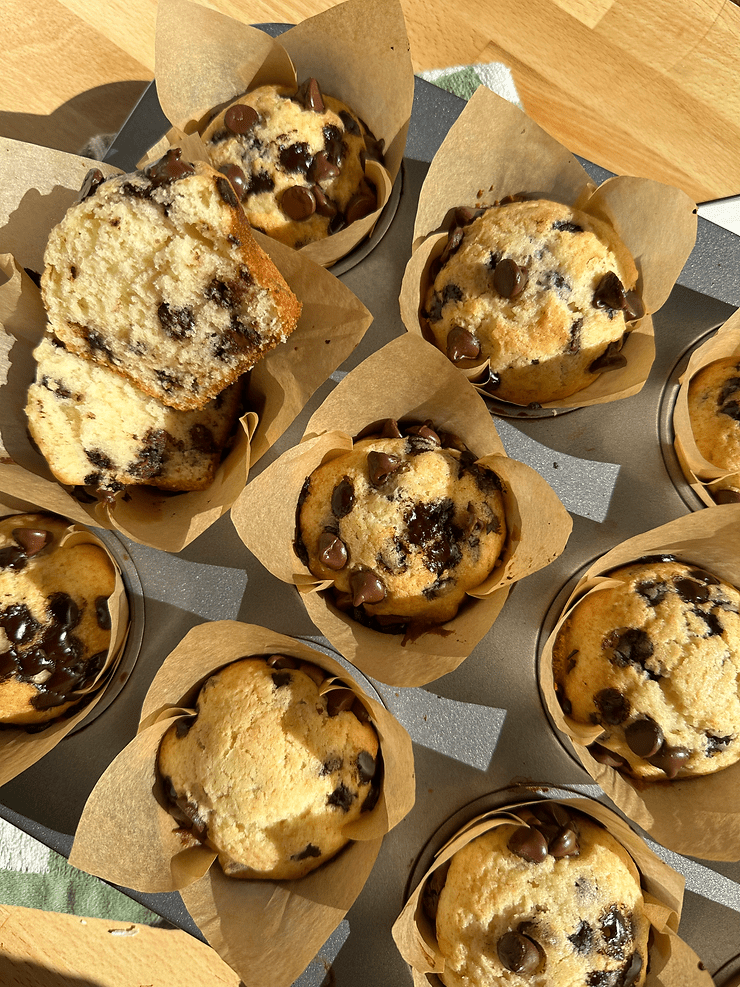
Are you tired of baking muffins that turn out dry and dense? You want muffins that are soft, fluffy, and melt in your mouth every single time.
The good news is, achieving that perfect texture isn’t as hard as you might think. With a few simple tricks and the right ingredients, you can transform your muffins from ordinary to irresistible. Keep reading, and you’ll discover how to bake muffins that not only taste amazing but feel light and airy with every bite.
Your baking game is about to get a serious upgrade!
Essential Ingredients
Soft and fluffy muffins need the right ingredients. Each element plays a key role in the texture and taste.
Understanding these ingredients helps you bake muffins that are light and moist. Let’s explore what you need.
Choosing The Right Flour
Use all-purpose flour for a balance of softness and structure. Cake flour makes muffins lighter but less sturdy.
Avoid bread flour because its high protein makes muffins tough. Sift the flour to remove lumps and add air.
Importance Of Fresh Baking Powder
Baking powder helps muffins rise and become fluffy. Fresh baking powder gives the best lift.
- Check the expiration date before use
- Store in a cool, dry place
- Test by mixing with hot water; it should bubble
Role Of Sugar And Sweeteners
Sugar adds sweetness and helps brown the muffin tops. It also keeps muffins moist.
| Sweetener | Effect on Muffins |
|---|---|
| Granulated sugar | Sweetens and creates a crisp crust |
| Brown sugar | Adds moisture and a rich flavor |
| Honey or maple syrup | Moisturizes and adds unique taste |
Incorporating Eggs For Moisture
Eggs bind ingredients and add moisture. They also help muffins rise and hold shape.
Use room temperature eggs to mix easily and create a smooth batter.
Using Quality Butter Or Oil
Butter adds flavor and richness. Oil makes muffins moist and soft for longer.
- Use melted butter or vegetable oil
- Butter gives a firmer crumb
- Oil gives a tender, moist texture
Mixing Techniques
Mixing ingredients the right way helps make muffins soft and fluffy. It controls how air and texture develop in the batter.
Using proper mixing steps can improve the taste and look of your muffins. Let’s explore important mixing tips.
Properly Creaming Butter And Sugar
Creaming butter and sugar adds air to your batter. This air helps muffins rise and become light.
Use room temperature butter and beat it with sugar until the mix is pale and fluffy. This usually takes 3 to 5 minutes.
- Use a hand mixer or stand mixer for best results
- Stop when the mixture looks lighter in color
- Avoid melting the butter; it should be soft but solid
Avoiding Overmixing
Mixing too much can make muffins tough and dense. It develops gluten in the flour, which you want to avoid.
Mix ingredients just until combined. Small lumps in the batter are okay and help keep muffins soft.
- Stop mixing as soon as dry and wet ingredients blend
- Use a gentle folding motion instead of fast stirring
- Overmixing can cause tunnels inside muffins
Folding In Dry Ingredients
Folding dry ingredients keeps air in the batter. This helps muffins stay light and fluffy.
Use a spatula to gently lift and turn the batter. Avoid stirring hard or fast.
- Add dry ingredients in parts, not all at once
- Fold slowly to keep batter airy
- Stop folding when flour is just mixed
Adding Liquids Gradually
Adding liquids slowly helps mix the batter evenly. It prevents clumps and dry spots.
Pour liquids in small amounts while mixing gently. This improves batter texture and muffin rise.
- Start with half the liquid and mix gently
- Add the rest slowly, stirring just enough to combine
- Too fast pouring can cause uneven batter
Temperature And Baking Time
Baking muffins soft and fluffy depends a lot on temperature and time. If you bake too hot or too long, muffins can dry out.
Getting the temperature right and watching the time helps muffins rise well. It keeps them moist and tender inside.
Preheating The Oven
Always preheat your oven before baking muffins. This helps muffins bake evenly from the start.
Put the oven at the right temperature and wait until it is fully hot before placing the muffins inside.
- Preheat for at least 10-15 minutes
- Use an oven thermometer to check accuracy
- Do not open the oven door during preheating
Ideal Baking Temperature
Set the oven temperature to 350°F (175°C) for soft and fluffy muffins. This temperature bakes muffins gently.
Higher heat can make muffins brown too fast outside but stay raw inside. Lower heat can make them dense.
- 350°F (175°C) is best for most muffin recipes
- Use middle oven rack for even heat
- Avoid very high temperatures above 400°F
Testing For Doneness
Check if muffins are done by inserting a toothpick in the center. It should come out clean or with a few crumbs.
Do not rely only on baking time. Ovens vary, so testing helps avoid overbaking or underbaking.
- Start checking muffins 5 minutes before time ends
- Use a toothpick or cake tester to check inside
- Remove muffins as soon as the tester is clean
Cooling Muffins Correctly
Cool muffins on a wire rack after baking. This stops them from getting soggy from steam.
Let muffins cool for 10 to 15 minutes before removing from the pan. This helps them keep shape and texture.
- Place muffins on a wire rack immediately after baking
- Do not cover muffins while hot
- Wait 10-15 minutes before serving or storing

Credit: www.reddit.com
Enhancing Muffin Texture
Soft and fluffy muffins are a delight to eat. The texture makes a big difference in taste and enjoyment.
Small changes to ingredients can improve the fluffiness and softness of your muffins.
Incorporating Yogurt Or Buttermilk
Yogurt and buttermilk add moisture to muffins. They help create a tender crumb and soft texture.
These dairy products react with baking soda to produce tiny air bubbles. This makes muffins light and fluffy.
- Use plain yogurt or buttermilk for best results
- Replace some milk or liquid with yogurt or buttermilk
- Adjust baking soda amount to balance acidity
Using Applesauce Or Bananas
Applesauce and bananas add natural sweetness and moisture. They keep muffins soft without extra fat.
These fruits also make muffins tender by adding water and natural sugars to the batter.
- Use ripe bananas for stronger flavor and softness
- Replace some oil or butter with applesauce or mashed bananas
- Reduce sugar slightly to balance natural sweetness
Adding Baking Soda For Lift
Baking soda helps muffins rise quickly. It reacts with acids to form carbon dioxide gas.
This gas creates bubbles that make muffins light and fluffy. Using the right amount is important.
- Use baking soda with acidic ingredients like yogurt or buttermilk
- Too much baking soda can cause a bitter taste
- Check baking soda freshness for best rise
Flavor Variations
Muffins can be soft and fluffy with many flavor options. You can add fruits, nuts, spices, or fillings to change the taste.
These variations help keep your muffins interesting and tasty every time you bake.
Adding Fruits And Nuts
Fresh or dried fruits add natural sweetness and moisture. Nuts give a nice crunch and extra flavor.
- Blueberries, raspberries, or strawberries work well
- Chopped walnuts, pecans, or almonds add texture
- Dried cranberries or raisins add a chewy bite
- Mix fruits and nuts carefully to keep batter soft
Infusing Spices And Extracts
Spices and extracts bring warm and rich notes to muffins. Use small amounts to avoid overpowering the batter.
| Spice or Extract | Flavor Profile |
| Cinnamon | Warm, sweet, and mild |
| Nutmeg | Earthy and slightly sweet |
| Vanilla Extract | Sweet and fragrant |
| Almond Extract | Nutty and rich |
| Ginger | Spicy and warm |
Experimenting With Fillings
Fillings add surprise inside the muffin. Try sweet or creamy options for soft centers.
- Chocolate chips or chunks melt for a sweet center
- Jam or fruit preserves add fruity bursts
- Cream cheese or custard gives a smooth texture
- Peanut butter or almond butter add richness

Credit: www.organizedisland.com
Storage And Freshness
Keeping your muffins soft and fluffy after baking needs good storage. Proper methods stop them from drying out or getting stale fast.
Let’s look at how to store muffins, freeze them for later, and warm them up right.
Properly Storing Muffins
Store muffins at room temperature for up to two days. Use an airtight container to keep air out. Place a paper towel in the container to absorb moisture. Avoid stacking muffins directly on top of each other to keep their shape.
- Cool muffins completely before storing
- Use airtight containers or resealable bags
- Line containers with paper towels to absorb moisture
- Keep muffins in a single layer, not stacked
- Store in a cool, dry place away from sunlight
Freezing For Future Use
Freezing muffins keeps them fresh for weeks. Wrap each muffin tightly to avoid freezer burn. Label the package with the date for easy tracking. Thaw muffins at room temperature or warm them gently.
| Freezing Step | Details |
| Wrap | Use plastic wrap or foil tightly |
| Package | Place wrapped muffins in a freezer bag |
| Label | Write date on the bag |
| Freeze | Store in freezer for up to 3 months |
| Thaw | Leave at room temperature for 1–2 hours before eating |
Reheating Tips
Reheat muffins carefully to keep softness. Use a microwave or oven for best results. Avoid overheating to stop them from drying out.
- Microwave: Heat for 15–20 seconds on medium power
- Oven: Warm at 350°F (175°C) for 5–10 minutes
- Cover with foil to keep moisture in the oven
- Check muffins often to avoid drying
- Eat soon after reheating for best taste

Credit: m.youtube.com
Frequently Asked Questions
How Do I Make Muffins Soft And Fluffy?
Use room temperature ingredients for better mixing. Avoid overmixing the batter to keep air bubbles. Bake at the right temperature for optimal rise. Adding sour cream or yogurt enhances softness and moisture.
What Ingredients Help Muffins Stay Moist Longer?
Incorporate ingredients like yogurt, sour cream, or applesauce. These add moisture without thinning the batter. Using oil instead of butter can also retain moisture. Avoid overbaking to prevent dryness.
Why Is Overmixing Bad For Muffin Texture?
Overmixing develops gluten, making muffins dense and tough. It breaks air pockets needed for fluffiness. Mix just until ingredients combine for the best texture.
Can I Use Baking Powder And Baking Soda Together?
Yes, combining both can improve rise and texture. Baking soda neutralizes acidity, while baking powder adds extra lift. Balance is key to avoid a chemical taste.
Conclusion
Baking soft and fluffy muffins is easier than you think. Use fresh ingredients and do not overmix the batter. Keep the oven temperature steady for best results. Try different flavors to enjoy every batch. Practice a few times, and you will see improvement.
Soft muffins make a great snack or breakfast treat. Enjoy baking and sharing your delicious muffins with family and friends. Simple steps lead to tasty, soft muffins every time.