

Are your faucets looking dull or covered in stubborn spots? You don’t have to reach for harsh chemicals to get them sparkling clean.
Imagine refreshing your faucets using simple, natural ingredients you probably already have at home. Not only will this save you money, but it’s also better for your health and the environment. You’ll discover easy tips that make cleaning your faucets quick, safe, and effective.
Ready to bring back that shine without any hassle? Keep reading—you’ll be amazed at how simple it can be!
Credit: www.familyhandyman.com
Benefits Of Natural Cleaning
Cleaning faucets with natural products helps keep your home safe. It avoids harsh chemicals that can harm your skin or the environment.
Natural cleaning is simple and often uses items you already have. It saves money and reduces waste from plastic bottles and toxic cleaners.
Safe For Your Family And Pets
Natural cleaners do not contain harmful chemicals. This lowers the risk of allergies or poisonings for children and pets.
Protects Faucet Surfaces
Harsh chemicals can damage faucet finishes. Natural cleaners gently remove dirt and water spots without scratching or dulling the surface.
Eco-friendly And Sustainable
Natural cleaning reduces pollution. It uses biodegradable ingredients that break down easily in the environment.
- Less chemical runoff into water systems
- Reduced air pollution from harsh fumes
- Lower plastic waste from cleaner packaging
Cost-effective Cleaning
Many natural ingredients are cheap and easy to find. You can clean your faucets well without buying expensive products.
| Natural Ingredient | Cost | Cleaning Benefit |
|---|---|---|
| Baking Soda | Low | Removes stains and grime gently |
| White Vinegar | Low | Dissolves mineral deposits |
| Lemon Juice | Moderate | Brightens and adds fresh scent |
| Olive Oil | Moderate | Polishes and protects finish |

Credit: www.youtube.com
Common Natural Ingredients
Cleaning faucets with natural ingredients is safe and effective. These ingredients remove dirt and shine without harsh chemicals.
Using natural cleaners helps protect your plumbing and the environment. Below are some common ingredients to try.
Vinegar And Baking Soda
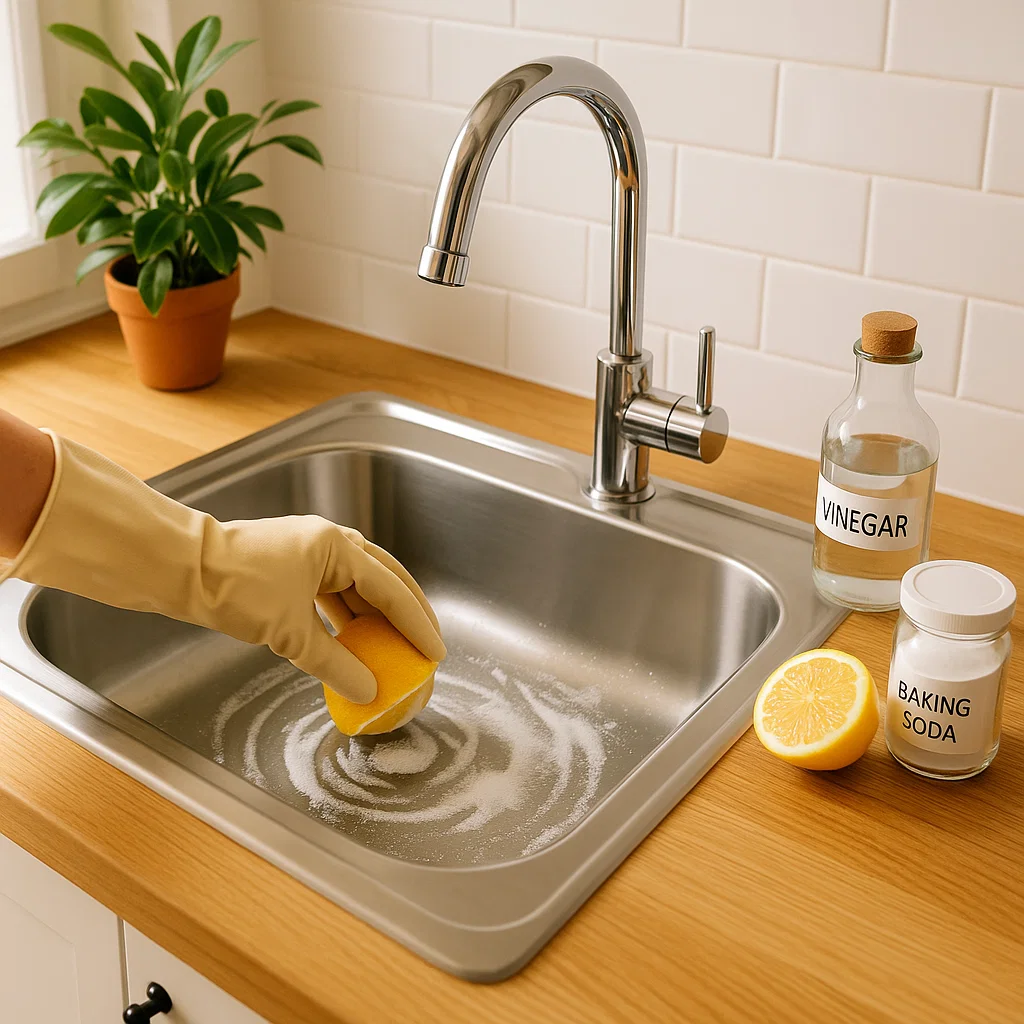
Vinegar and baking soda work well to clean faucets. Vinegar breaks down mineral deposits and grime.
Baking soda acts as a gentle scrub that removes stains without scratching surfaces.
- Sprinkle baking soda on the faucet surface
- Pour vinegar slowly over the baking soda
- Let it fizz and sit for 10 minutes
- Scrub gently with a soft brush or cloth
- Rinse with warm water and dry with a towel
Lemon And Salt
Lemon and salt create a natural cleaner that removes rust and water spots. Lemon juice has acid that dissolves buildup.
Salt adds a mild abrasive to scrub the faucet without damage.
- Cut a lemon in half and dip it in salt
- Rub the lemon on the faucet surface
- Let the juice sit for 5 to 10 minutes
- Scrub gently with a cloth or sponge
- Rinse well and wipe dry
Hydrogen Peroxide
Hydrogen peroxide is a natural disinfectant that brightens faucets. It removes stains and kills germs effectively.
Use it carefully on metal surfaces to avoid damage. It works best on stainless steel and chrome.
- Apply hydrogen peroxide to a soft cloth
- Wipe the faucet thoroughly
- Let it sit for a few minutes
- Rinse with water and dry with a towel
- Repeat if needed for tough stains
Step-by-step Cleaning Guide
Cleaning faucets naturally is easy and safe for your home. This guide shows simple steps to make your faucets shine without harsh chemicals.
Use common kitchen ingredients and follow the steps below for a fresh, clean faucet.
Preparing Your Ingredients
Gathering the right natural ingredients helps clean your faucet gently. These items are easy to find and work well together.
- White vinegar
- Baking soda
- Lemon juice
- Soft cloth or sponge
- Old toothbrush
- Spray bottle
Applying The Solution
Mix and apply the cleaning solution carefully to remove dirt and water stains from your faucet.
Here is a simple recipe for the cleaning solution:
| Ingredient | Amount |
|---|---|
| White vinegar | 1 cup |
| Baking soda | 2 tablespoons |
| Lemon juice | 2 tablespoons |
Mix these well in a spray bottle. Spray the faucet and let it sit for 10 minutes.
Scrubbing Techniques
Use gentle scrubbing to clean your faucet without damage. Focus on areas with buildup or stains.
- Dip the toothbrush in the baking soda and lemon mix.
- Scrub around faucet base and handles carefully.
- Use a soft cloth to wipe off the solution and dirt.
- Rinse with warm water and dry with a clean towel.
Maintaining Faucet Shine
Keeping your faucet shiny adds beauty to your kitchen or bathroom. Natural cleaning methods protect its finish and avoid damage.
Simple habits and natural products help maintain the faucet’s shine without harsh chemicals.
Regular Cleaning Schedule
Clean your faucet regularly to stop dirt and grime from building up. A gentle routine keeps it bright and smooth.
- Use a soft cloth with warm water and mild soap twice a week.
- Rinse with clean water to remove soap residue.
- Dry with a microfiber cloth to prevent water marks.
- Apply a vinegar solution once a month to dissolve mineral deposits.
- Polish with a small amount of olive oil to add shine.
Preventing Water Spots
Water spots make faucets look dull. Stop spots by wiping the faucet dry after each use.
| Tip | How It Helps |
| Wipe dry with a soft cloth | Removes water before it dries and leaves spots |
| Use a vinegar-water mix | Breaks down hard water minerals that cause spots |
| Install a water softener | Reduces mineral content in water to prevent buildup |
| Polish with olive oil | Creates a protective layer that repels water |
Avoiding Common Mistakes
Cleaning faucets naturally is a smart choice for your home. It keeps surfaces shiny without harsh chemicals.
Many people make simple mistakes that can damage their faucets. Knowing what to avoid helps keep them beautiful.
Overusing Abrasive Materials
Using rough scrubbers or strong brushes can scratch your faucet’s surface. This damage makes it look dull and old.
Soft cloths or sponges work best for natural cleaning. They protect the finish while removing dirt gently.
- Avoid steel wool and harsh scrub pads
- Choose microfiber cloths or soft sponges
- Use gentle pressure when scrubbing
Ignoring Hard Water Stains
Hard water leaves white spots and buildup on faucets. Ignoring these stains makes cleaning harder later.
Use natural acids like vinegar to dissolve hard water stains. Soaking a cloth in vinegar and wrapping it around the faucet helps.
- Spot clean stains regularly
- Use vinegar or lemon juice for tough spots
- Rinse well with water after cleaning
Eco-friendly Cleaning Tools
Cleaning faucets naturally helps keep your home safe. It also protects the environment. Choosing the right tools is important for eco-friendly cleaning.
Using reusable and non-toxic tools reduces waste and avoids harmful chemicals. These tools work well for cleaning faucets without damage.
Reusable Cloths
Reusable cloths are soft and gentle on faucets. They can be washed and used many times. This lowers trash and saves money.
- Choose cloths made from cotton or bamboo
- Wash them with mild soap and warm water
- Use them damp to wipe away dirt and stains
- Avoid disposable wipes or paper towels
Non-toxic Brushes
Non-toxic brushes help clean hard-to-reach places on faucets. They use natural materials and safe glue. This keeps cleaning safe and effective.
| Brush Type | Material | Use |
| Soft Bristle Brush | Bamboo handle, natural bristles | Delicate faucet surfaces |
| Small Detail Brush | Wood handle, plant fiber bristles | Crevices and joints |
| Scrub Brush | Recycled plastic handle, nylon bristles | Stubborn stains |
Diy Cleaning Solution Recipes
Cleaning faucets can be easy and safe with natural ingredients. You can make your own cleaning solutions at home.
These recipes use simple items from your kitchen. They help remove dirt and shine your faucets.
Simple Vinegar Mix
This vinegar mix cleans and removes mineral buildup on faucets. It is gentle and effective for regular cleaning.
Mix equal parts white vinegar and water in a spray bottle. Spray on the faucet and let it sit for 5 minutes. Wipe clean with a soft cloth.
- 1 cup white vinegar
- 1 cup water
- Spray bottle
- Soft cloth
Citrus Fresh Cleaner
This cleaner uses lemon to add a fresh scent and cut through grease. It works well on shiny faucet surfaces.
Combine lemon juice and water in a small bowl. Use a cloth dipped in the mix to rub the faucet gently. Rinse with water and dry.
- 1/2 cup lemon juice
- 1/2 cup water
- Cloth for cleaning
Credit: www.luminalife.ca
Frequently Asked Questions
How Do I Clean Faucets Naturally At Home?
Use a mixture of vinegar and water to remove mineral deposits. Apply with a soft cloth and rinse well. Baking soda paste also works for stubborn stains. These natural methods avoid harsh chemicals and keep faucets shiny.
What Natural Ingredients Remove Faucet Water Spots?
White vinegar and lemon juice effectively dissolve water spots. Apply either ingredient with a soft cloth, let sit, then rinse. These acids break down mineral buildup naturally, restoring shine without damaging faucet finishes.
Can Baking Soda Clean Faucets Effectively?
Yes, baking soda is a gentle abrasive that cleans faucets well. Make a paste with water, apply to faucets, scrub lightly, then rinse. It removes grime and buildup without scratching, making it a safe natural cleaner.
How Often Should I Clean Faucets Naturally?
Clean faucets naturally every one to two weeks to prevent buildup. Regular maintenance stops mineral deposits and stains. Frequent cleaning keeps faucets looking new and reduces the need for harsh chemicals.
Conclusion
Cleaning faucets naturally keeps your home safe and healthy. Simple ingredients like vinegar and baking soda work well. These tips save money and reduce harsh chemicals. Clean faucets look shiny and last longer too. Try these easy methods for a fresh, bright kitchen or bathroom.
Small efforts bring great results. Natural cleaning feels good and protects the environment. Start today and enjoy sparkling faucets without worry.