

Are you tired of pizza dough that tears easily or feels too stiff? Getting the perfect elastic dough can transform your homemade pizza from good to amazing.
When your dough stretches smoothly without breaking, it’s easier to shape and results in a light, chewy crust that everyone loves. You’ll discover simple, practical tips to make your pizza dough perfectly elastic every time. Ready to take your pizza game to the next level?
Keep reading—you’ll be tossing dough like a pro in no time!
Credit: www.prepapizza.com
Choosing The Right Flour
Making elastic pizza dough starts with choosing the right flour. The flour type affects dough texture and stretchiness.
Flour contains proteins that form gluten, which gives dough its strength and elasticity. Picking flour with the right protein level helps create stretchy dough.
High-protein Flours
High-protein flours have more gluten-forming proteins. These flours make dough strong and elastic.
Bread flour and strong wheat flour are good choices. They have 12% to 14% protein, perfect for pizza dough.
- Bread flour: 12-14% protein, strong gluten
- Strong wheat flour: similar protein, good elasticity
- All-purpose flour: lower protein, less elastic dough
Gluten’s Role In Elasticity
Gluten is a network of proteins that form when flour mixes with water. It traps air and stretches as dough rises.
More gluten means dough can stretch without breaking. This helps create thin and chewy pizza crusts.
- Gluten forms when proteins glutenin and gliadin combine
- It gives dough strength and stretch
- Proper gluten development prevents dough tearing
Perfecting The Hydration Level
Making elastic pizza dough depends a lot on the right amount of water. Hydration means the ratio of water to flour in the dough.
Too little water makes dough dry and hard to stretch. Too much water makes it sticky and weak.
Balancing Water And Flour
To get the right balance, start with standard hydration around 60%. This means 60 grams of water per 100 grams of flour.
- Use a kitchen scale for accuracy
- Add water slowly and mix well
- Adjust hydration based on flour type
- Note that high-protein flour absorbs more water
- Rest the dough to allow water to absorb fully
Impact On Dough Texture
Hydration changes how the dough feels and behaves. Higher hydration makes dough softer and airier but harder to handle.
| Hydration Level | Dough Texture | Handling Tips |
| 50% – 55% | Firm and stiff | Knead longer to develop gluten |
| 60% – 65% | Soft and elastic | Easy to shape and stretch |
| 70% and above | Sticky and loose | Use wet hands and less flour for dusting |
Effective Kneading Techniques
Kneading pizza dough well is key to making it elastic. Elastic dough stretches easily and holds toppings better.
Good kneading mixes ingredients and develops gluten. This makes the dough strong and smooth.
Importance Of Kneading
Kneading helps the flour absorb water fully. It activates gluten, which gives dough its stretch.
Without enough kneading, dough will be sticky and hard to shape. Proper kneading creates a soft texture.
- Mixes ingredients evenly
- Develops gluten strands
- Improves dough elasticity
- Creates smooth surface
- Helps trap air for light crust
Signs Of Well-kneaded Dough
Well-kneaded dough feels smooth and elastic. It should bounce back when pressed gently.
It also stretches without tearing. This shows that gluten strands are strong and well-formed.
- Smooth, not sticky surface
- Elastic and stretchy texture
- Dough springs back when pressed
- Holds shape without sagging
- Can stretch thin without breaking
Utilizing Proper Fermentation
Fermentation is key to making pizza dough elastic. It helps develop gluten and flavor in the dough.
Proper fermentation means controlling the time and temperature for the best dough texture.
Benefits Of Slow Fermentation
Slow fermentation improves dough elasticity by allowing gluten to form gradually. This makes the dough easier to stretch.
It also helps create better flavor as yeast breaks down sugars over time. The dough becomes more tasty and aromatic.
- Enhances gluten strength and dough stretchiness
- Develops richer, deeper flavors
- Improves dough texture and airiness
Controlling Temperature And Time
Keeping the dough at the right temperature is important. Too warm or cold can affect yeast activity and dough elasticity.
Slow fermentation usually happens at low temperatures, like in a fridge. This can take 12 to 24 hours or more.
- Cool temperatures slow yeast and allow gluten to develop
- Longer time improves dough strength and flavor
- Check dough regularly to avoid over-fermentation
Incorporating Fat For Flexibility
Adding fat to pizza dough makes it softer and easier to stretch. Fat helps the dough stay flexible during shaping.
Fat slows down gluten development, which creates a tender texture. This helps prevent the dough from tearing.
Types Of Fats To Use
Different fats change the dough in different ways. Common fats include olive oil, butter, and shortening.
Olive oil adds flavor and keeps the dough moist. Butter gives a rich taste and soft texture. Shortening makes the dough very tender.
- Olive oil: classic taste, good flexibility
- Butter: rich flavor, soft crumb
- Shortening: high tenderness, less flavor
Effect On Dough Structure
Fat coats gluten strands, which limits how much they can form. This creates a softer and less chewy dough.
Fat also traps moisture, keeping the dough elastic longer. It helps the dough stretch without snapping back.
- Limits gluten strength for softness
- Improves dough stretch and elasticity
- Keeps dough moist and easy to shape
Credit: grillinwithdad.com
Mastering The Stretch And Fold Method
The stretch and fold method helps develop pizza dough elasticity. It strengthens gluten without heavy kneading.
This technique improves dough texture and makes it easier to shape. It works well with slow fermentation.
Enhancing Dough Strength
Stretch and fold strengthens the gluten network. This gives the dough better structure and chewiness.
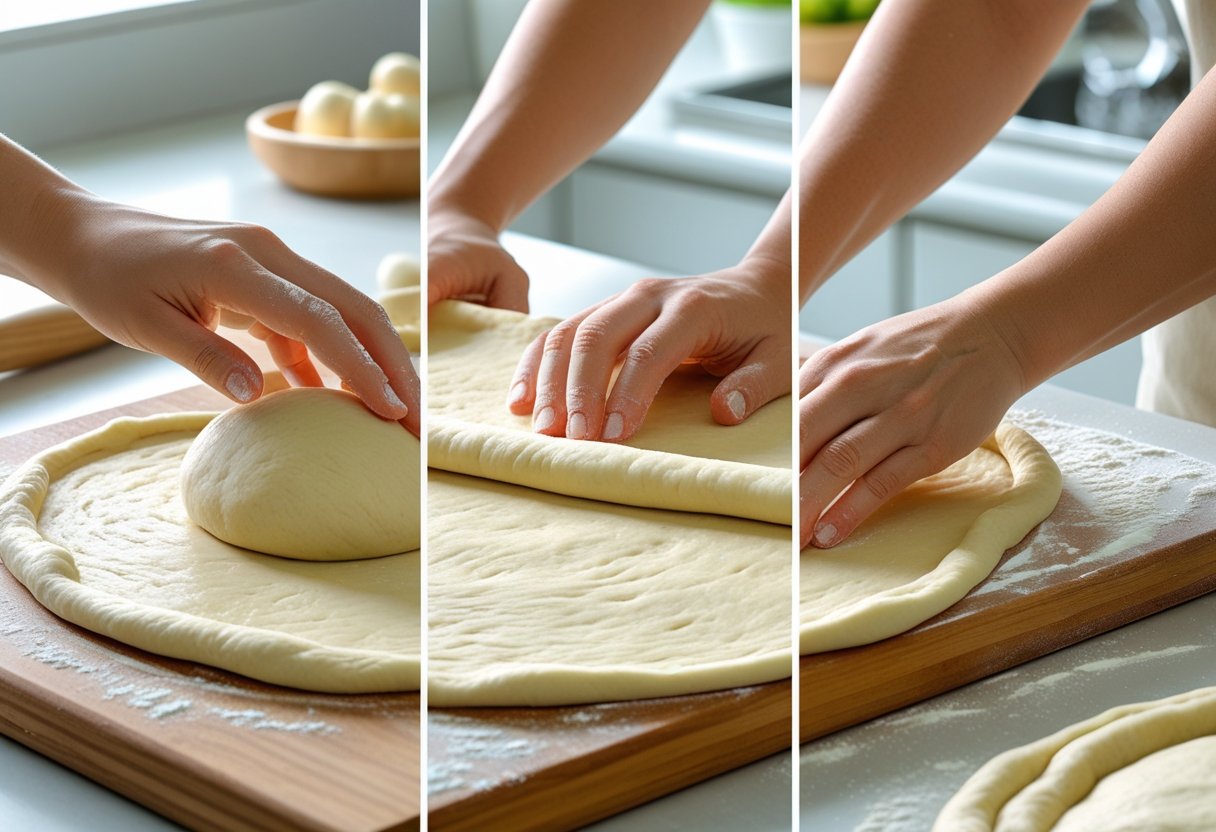
- Lightly wet your hands to prevent sticking.
- Gently pull one edge of the dough outward.
- Fold the stretched edge back to the center.
- Rotate the dough 90 degrees and repeat the stretch and fold.
- Let the dough rest for 20 to 30 minutes between folds.
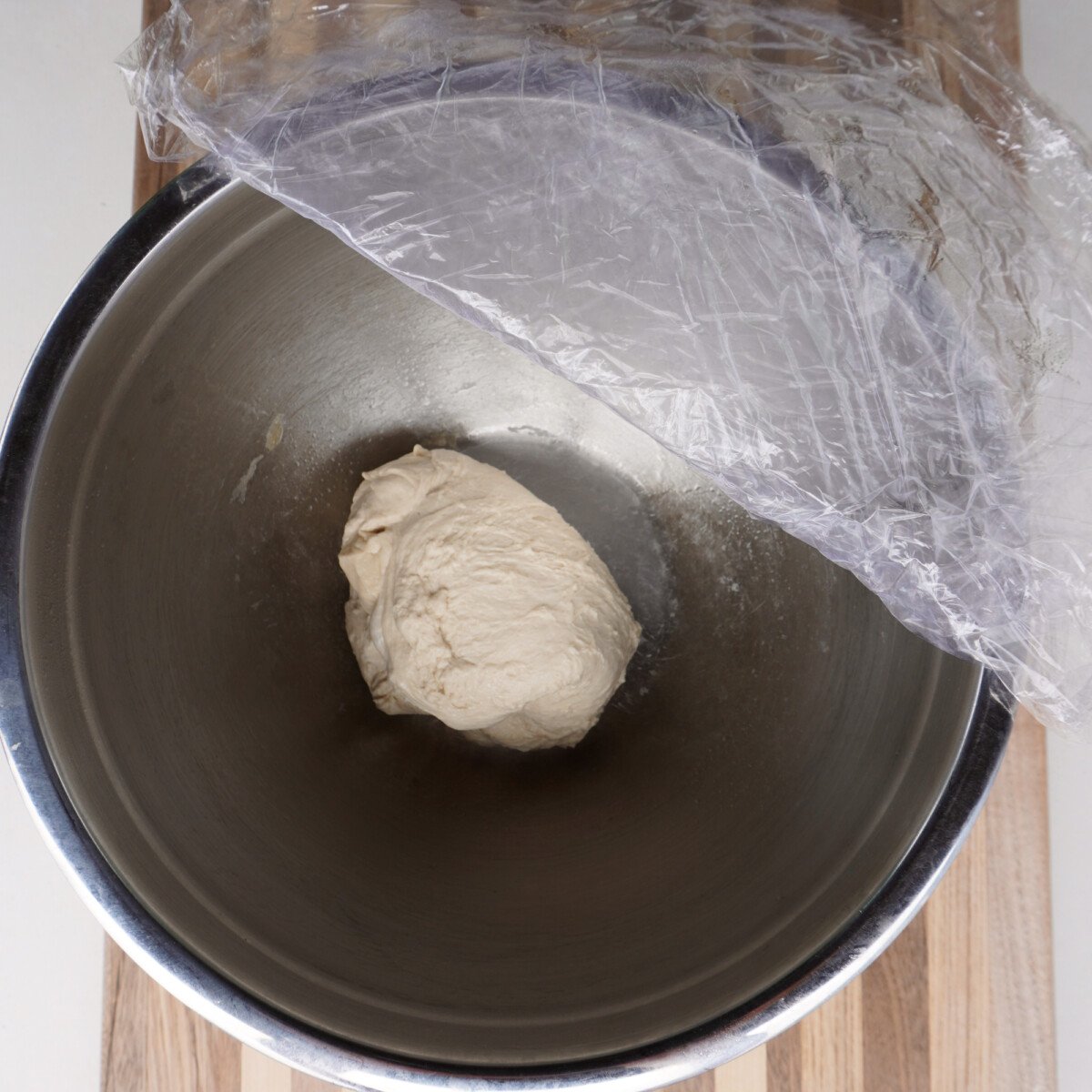
Repeat these folds three to four times during the first hour of fermentation. This builds strength gradually.
Techniques For Consistency
Consistency is key to reliable dough elasticity. Use the same timing and folding method each time.
| Step | Action | Time |
| 1 | Mix ingredients until combined | 5 minutes |
| 2 | First stretch and fold | 30 minutes after mixing |
| 3 | Second stretch and fold | 60 minutes after mixing |
| 4 | Third stretch and fold | 90 minutes after mixing |
| 5 | Bulk fermentation until doubled | 2 to 3 hours |
Adjusting Salt Levels
Salt is an important ingredient in pizza dough. It affects the dough’s texture and taste.
Changing salt levels can help make the dough more elastic and tasty.
Role Of Salt In Dough
Salt strengthens the dough by tightening the gluten network. This makes the dough stretch better.
Salt also slows yeast growth, helping the dough rise slowly and develop flavor.
- Improves dough strength and elasticity
- Controls yeast activity for better rise
- Enhances gluten development
Balancing Flavor And Elasticity
Too much salt makes dough tough and salty. Too little salt makes it weak and bland.
Use the right salt amount for soft, stretchy dough with good flavor.
- Use about 1.5% to 2% salt of the flour weight
- Adjust salt to taste but keep elasticity in mind
- Measure salt carefully for consistent results
Understanding Resting Periods
Resting pizza dough is a key step to make it soft and stretchy. It helps gluten develop and relax.
Knowing why and how long to rest dough improves its texture and makes it easier to shape.
Why Dough Needs To Rest
Resting lets gluten strands relax after mixing and kneading. Tight gluten makes dough hard to stretch.
During rest, water absorbs into flour better. This softens the dough and improves its texture.
- Gluten relaxes, making dough less elastic and easier to shape
- Flour absorbs water fully for better dough consistency
- Dough temperature evens out, helping yeast work well
How Long To Rest Dough
Rest time depends on dough recipe and temperature. Usually, 20 minutes to 2 hours is ideal.
Short rests help dough relax quickly. Longer rests let yeast create air bubbles for light crust.
- 20 to 30 minutes for quick rest and easy stretching
- 1 to 2 hours for better flavor and texture
- Overnight in fridge for best taste and chewy crust
Avoiding Common Mistakes
Making pizza dough elastic is key for a good crust. Some mistakes can make the dough tough or sticky.
Understanding what to avoid helps you get soft, stretchy dough every time.
Over-kneading Pitfalls
Kneading too much can break the dough’s gluten network. This makes the dough hard to stretch.
Stop kneading when the dough is smooth and elastic. It should bounce back when pressed.
- Check dough texture often while kneading
- Use a timer to avoid kneading too long
- Rest dough if it feels too tight
Excessive Flour Usage
Adding too much flour makes dough dry and stiff. This stops it from stretching well.
Use just enough flour to prevent sticking. Dough should feel soft and slightly sticky.
- Lightly flour the surface before kneading
- Keep extra flour nearby but add little at a time
- Try oiling your hands instead of adding flour
Credit: www.prepapizza.com
Frequently Asked Questions
How Do I Make Pizza Dough More Elastic?
To make pizza dough elastic, use high-protein flour and knead well. Let it rest to develop gluten. Avoid adding too much flour, which can toughen dough.
Why Is Resting Dough Important For Elasticity?
Resting dough allows gluten strands to relax and strengthen. This improves flexibility, making the dough easier to stretch without tearing.
What Role Does Hydration Play In Dough Elasticity?
Proper hydration softens the dough and helps gluten form properly. Aim for a balanced water-to-flour ratio to keep dough elastic and workable.
Can Kneading Time Affect Pizza Dough Elasticity?
Yes, kneading develops gluten networks that give dough elasticity. Knead for 8-10 minutes until smooth and slightly tacky for best results.
Conclusion
Making pizza dough elastic takes practice and patience. Use warm water and knead the dough well. Let it rest to relax the gluten strands. Avoid adding too much flour to keep dough soft. Stretch the dough gently without tearing it.
These tips help create a chewy, stretchy crust. Enjoy making pizza with dough that feels just right. Keep trying, and soon your dough will be perfect every time.