
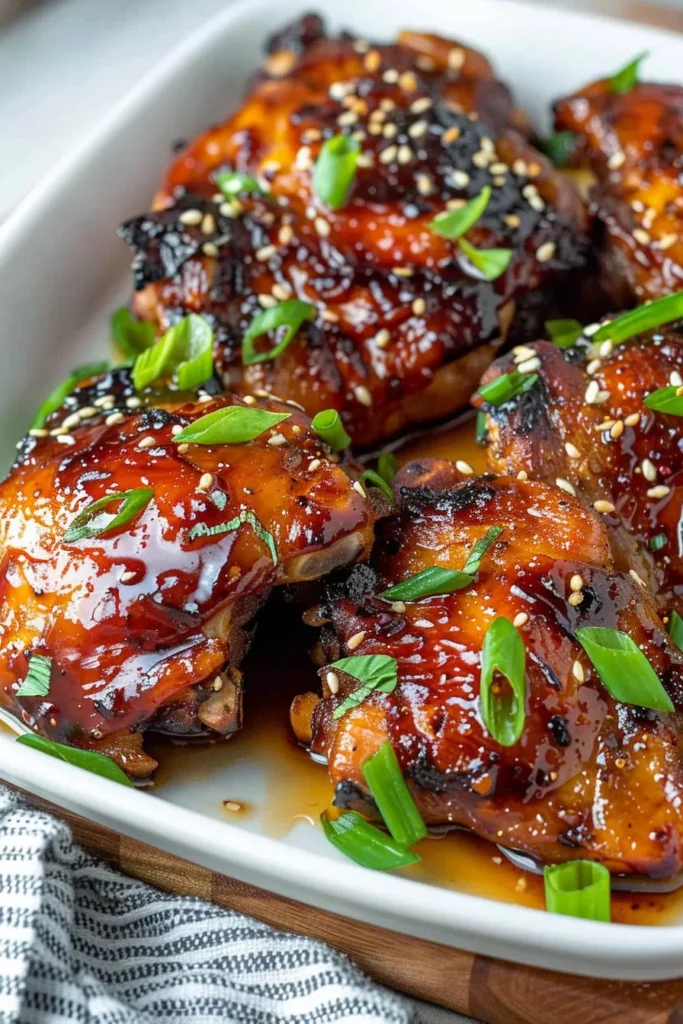
Are you tired of dry, tough chicken thighs that ruin your meal? You’re not alone.
Cooking chicken thighs so they turn out tender and juicy can be tricky, but once you know the right techniques, it becomes simple and satisfying. You’ll discover easy steps and tips that will help you achieve perfectly tender chicken thighs every time.
Ready to impress yourself and your loved ones with mouthwatering, fall-off-the-bone chicken? Keep reading—you won’t want to miss these secrets.
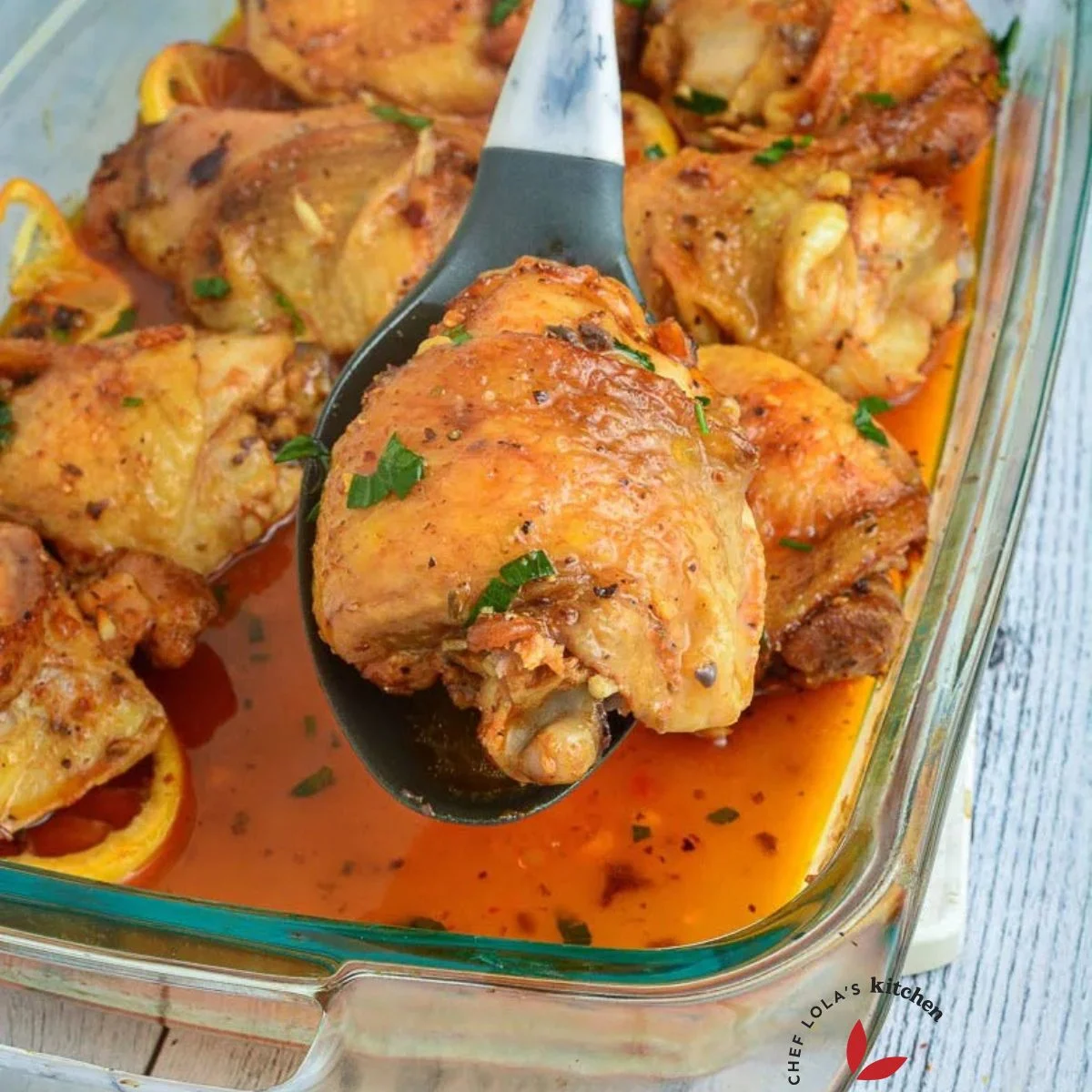
Credit: cheflolaskitchen.com
Choosing The Right Chicken Thighs
Chicken thighs are a great choice for tender and juicy meals. Picking the right type helps you cook them perfectly. This guide explains the differences to help you decide.
Focus on the bone and skin options. Each affects the cooking time and flavor in different ways. Let’s look closer at these choices.
Bone-in Vs. Boneless
Bone-in chicken thighs have the bone inside. Boneless thighs have it removed. The bone helps keep the meat moist while cooking. Boneless thighs cook faster and are easier to eat.
- Bone-In:More flavor and moisture, slower cooking
- Boneless:Cooks faster, easier to handle
- Bone-in is best for roasting and braising
- Boneless works well for stir-frying and grilling
Skin-on Vs. Skinless
Skin-on thighs have a layer of skin that crisps up during cooking. Skinless thighs cook faster and have less fat. The skin adds flavor and keeps meat juicy.
| Type | Cooking Result | Best Uses |
| Skin-On | Crispy outside, juicy inside | Baking, frying, grilling |
| Skinless | Lean and tender | Stewing, sautéing, healthy meals |
Prepping Chicken Thighs
Preparing chicken thighs correctly helps make them tender and tasty. Good prep work sets the base for a delicious meal.
This guide covers trimming excess fat and marinating for flavor. These steps improve texture and taste.
Trimming Excess Fat
Chicken thighs often have extra fat and skin. Removing some fat helps prevent greasy dishes and uneven cooking.
- Place the chicken thigh on a clean cutting board.
- Use a sharp knife to trim visible fat around the edges.
- Remove excess skin if you want less fat.
- Keep some skin if you prefer crispy texture.
- Rinse the trimmed thighs under cold water and pat dry.
Marinating For Flavor
Marinating adds flavor and helps make chicken thighs tender. Use a mix of acid, oil, and seasonings for best results.
| Ingredient | Purpose |
| Lemon juice or vinegar | Breaks down proteins to tenderize |
| Olive oil | Moisturizes and carries flavors |
| Garlic and herbs | Add aroma and taste |
| Salt and pepper | Enhance overall flavor |
Marinate chicken thighs for at least 30 minutes. For deeper flavor, marinate up to 4 hours in the fridge.
Cooking Techniques
Chicken thighs are tasty and juicy if cooked right. Using the right technique helps keep them tender and full of flavor.
This guide covers three popular methods to cook chicken thighs well. Each way gives a unique texture and taste.
Pan-searing For Crispiness
Pan-searing makes the skin crispy and golden. It also locks in the juices inside the meat.
- Heat a pan with oil over medium-high heat.
- Place chicken thighs skin-side down carefully.
- Cook without moving for 5 to 7 minutes to crisp the skin.
- Flip and cook the other side for 5 minutes until done.
- Let the meat rest for a few minutes before serving.
Oven-baking For Even Cooking
Baking chicken thighs in the oven cooks them evenly. It helps keep the meat soft and tender.
| Temperature | Time | Tip |
| 375°F (190°C) | 30-40 minutes | Use a meat thermometer to check 165°F inside |
| 400°F (205°C) | 25-30 minutes | Place skin-side up for crispier skin |
Grilling For Smoky Flavor
Grilling adds a smoky taste and char to chicken thighs. It also cooks them quickly over high heat.
To grill chicken thighs:
- Preheat the grill to medium-high heat.
- Brush thighs with oil and season well.
- Grill skin-side down for 6 to 8 minutes.
- Turn and grill for another 6 to 8 minutes.
- Check for an internal temperature of 165°F.
- Let rest before cutting.
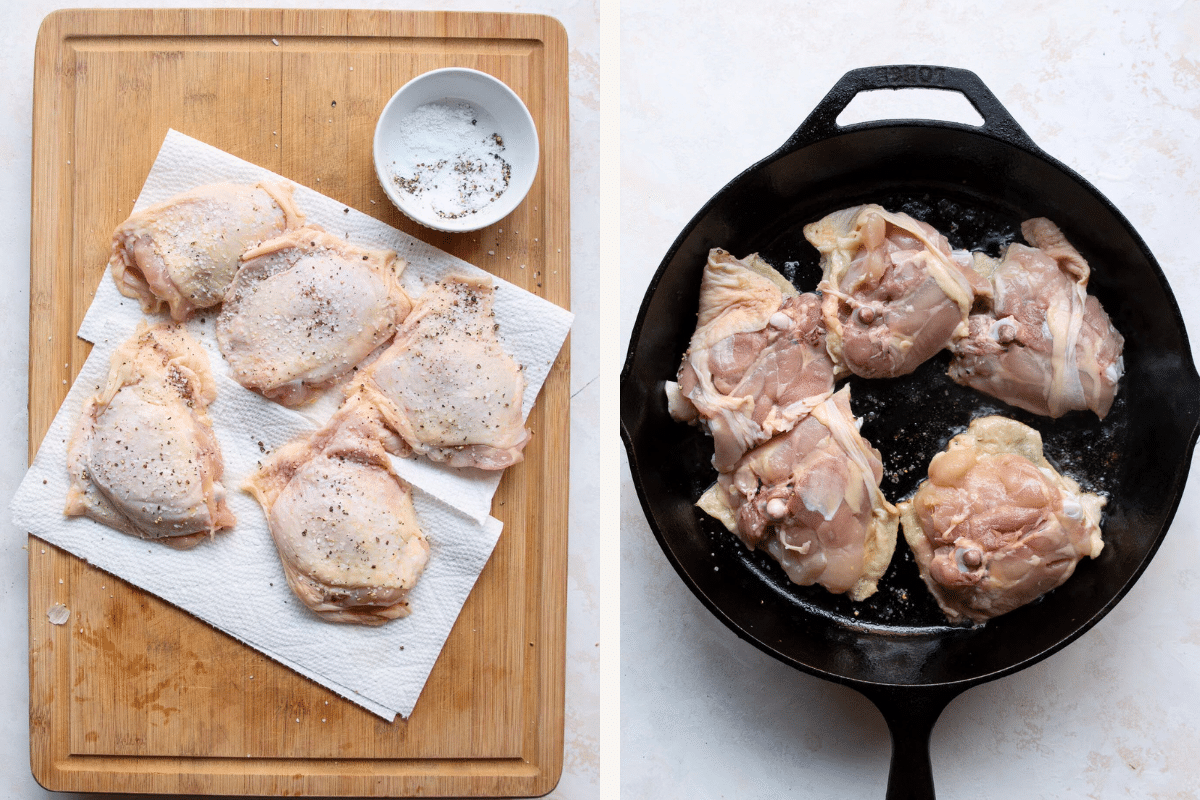
Credit: www.primaverakitchen.com
Tips For Juiciness
Chicken thighs are juicy and flavorful if cooked right. Keeping them tender takes care and the right techniques.
These tips help you keep chicken thighs moist and tasty every time you cook.
Using A Meat Thermometer
A meat thermometer checks the inside temperature of chicken thighs. This helps avoid overcooking or undercooking.
Insert the thermometer into the thickest part without touching bone. The safe temperature for chicken is 165°F (74°C).
- Check temperature near the end of cooking.
- Remove chicken once it reaches 165°F.
- Do not cook much longer to keep it juicy.
Resting Before Serving
Let cooked chicken thighs rest for a few minutes before cutting. Resting lets juices settle inside the meat.
Cover the chicken loosely with foil while resting. This keeps it warm without steaming the skin.
- Rest for 5 to 10 minutes.
- Do not cut right after cooking.
- This keeps the chicken tender and juicy.
Flavor Enhancements
Adding flavor to chicken thighs makes them more delicious and tender. Using the right spices and sauces brings out rich taste.
Try different seasonings and glazes to find your favorite way to cook juicy chicken thighs.
Spice Rubs And Seasonings
Spice rubs add layers of taste and help keep the chicken moist. Mix spices to create your own blend.
- Paprika: adds smoky flavor and nice color
- Garlic powder: gives a savory depth
- Cumin: adds warmth and earthiness
- Chili powder: brings mild heat
- Salt and pepper: essential for enhancing all flavors
- Brown sugar: balances spices with sweetness
Sauces And Glazes
Sauces and glazes lock in moisture and add shine. They can be sweet, tangy, or spicy to suit your taste.
| Sauce/Glaze | Flavor Profile | Best Use |
| Honey mustard | Sweet and tangy | Brush before baking |
| Barbecue sauce | Smoky and sweet | Apply in last 10 minutes of cooking |
| Soy garlic glaze | Salty and savory | Marinate before cooking |
| Lemon herb sauce | Fresh and zesty | Serve as a drizzle after cooking |
Serving Suggestions
Cooking tender chicken thighs is only part of the experience. How you serve them matters too. Good serving ideas can make your meal tastier and look better.
This section will help you choose sides and garnishes that match tender chicken thighs perfectly.
Pairing With Sides
Chicken thighs go well with many side dishes. Pick sides that balance the rich flavor and soft texture of the meat. Light and fresh sides work great.
Try vegetables, grains, or salads that add color and nutrition to your plate.
- Steamed green beans or broccoli for freshness
- Garlic mashed potatoes for creamy comfort
- Quinoa or rice for a healthy grain option
- Roasted carrots or sweet potatoes for sweetness
- Simple garden salad with lemon vinaigrette
Garnishing For Presentation
Garnishes make chicken thighs look more inviting. They add color and a touch of flavor. Fresh herbs and citrus slices are easy and effective choices.
Use garnishes that match the taste of your chicken recipe. This adds a nice finishing touch.
- Chopped parsley or cilantro for green color
- Lemon or lime wedges for a citrus boost
- Thinly sliced red onions for a mild crunch
- Toasted sesame seeds for texture
- Crushed red pepper flakes for a spicy hint
Common Mistakes To Avoid
Cooking chicken thighs can be easy, but some mistakes make the meat tough or bland. Avoid these errors to keep your chicken tender and tasty.
This guide covers common mistakes that affect texture and flavor. Fixing these helps you cook better chicken thighs every time.
Overcooking
Overcooking chicken thighs makes the meat dry and tough. Chicken thighs need enough time to cook but not too long.
Use a meat thermometer to check when the chicken reaches 165°F (74°C). Remove it from heat right away to keep it juicy.
- Cook chicken thighs over medium heat
- Check internal temperature often
- Rest chicken for 5 minutes after cooking
- Avoid high heat that burns outside but leaves inside raw
Under-seasoning
Under-seasoning makes chicken thighs taste bland and boring. Salt and spices bring out the natural flavor of the meat.
Season the chicken well before cooking. Use salt, pepper, and your favorite herbs or spices for the best taste.
- Salt the chicken at least 30 minutes before cooking
- Try garlic powder, paprika, or thyme for more flavor
- Use marinades or rubs to add taste
- Taste and adjust seasoning after cooking if needed
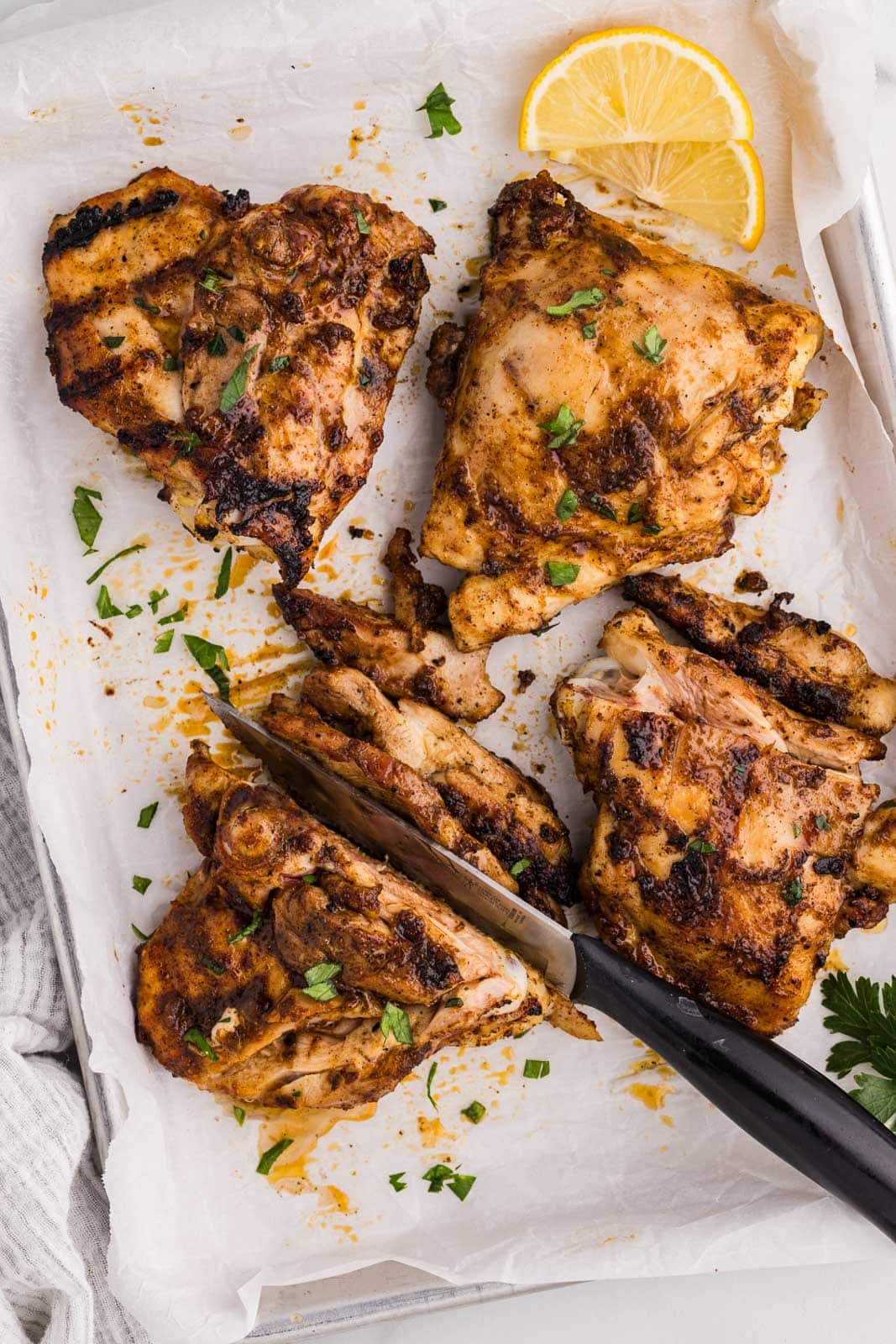
Credit: garnishedplate.com
Frequently Asked Questions
How Long To Cook Chicken Thighs For Tenderness?
Cook chicken thighs for 25-30 minutes at 375°F (190°C). This timing ensures juicy, tender meat without drying out the thighs.
Should Chicken Thighs Be Cooked With Skin On?
Yes, cooking chicken thighs with skin on helps retain moisture. The skin crisps up, locking in flavor and tenderness.
What Is The Best Cooking Method For Tender Thighs?
Baking, slow cooking, or braising chicken thighs yields tender results. These methods allow even heat and moisture retention for softness.
How Can I Prevent Chicken Thighs From Drying Out?
Marinate thighs before cooking and avoid high heat. Use a meat thermometer to cook until 165°F (74°C) for juicy results.
Conclusion
Cooking tender chicken thighs is easier than you think. Use the right heat and cook time. Keep the meat moist with simple tricks like marinating or covering. Check the chicken often to avoid drying out. Try these tips to enjoy juicy, flavorful thighs every time.
Practice makes perfect, so don’t give up. Your family will love these tender chicken meals. Cooking can be fun and tasty with a little care. Give it a try and taste the difference today!