
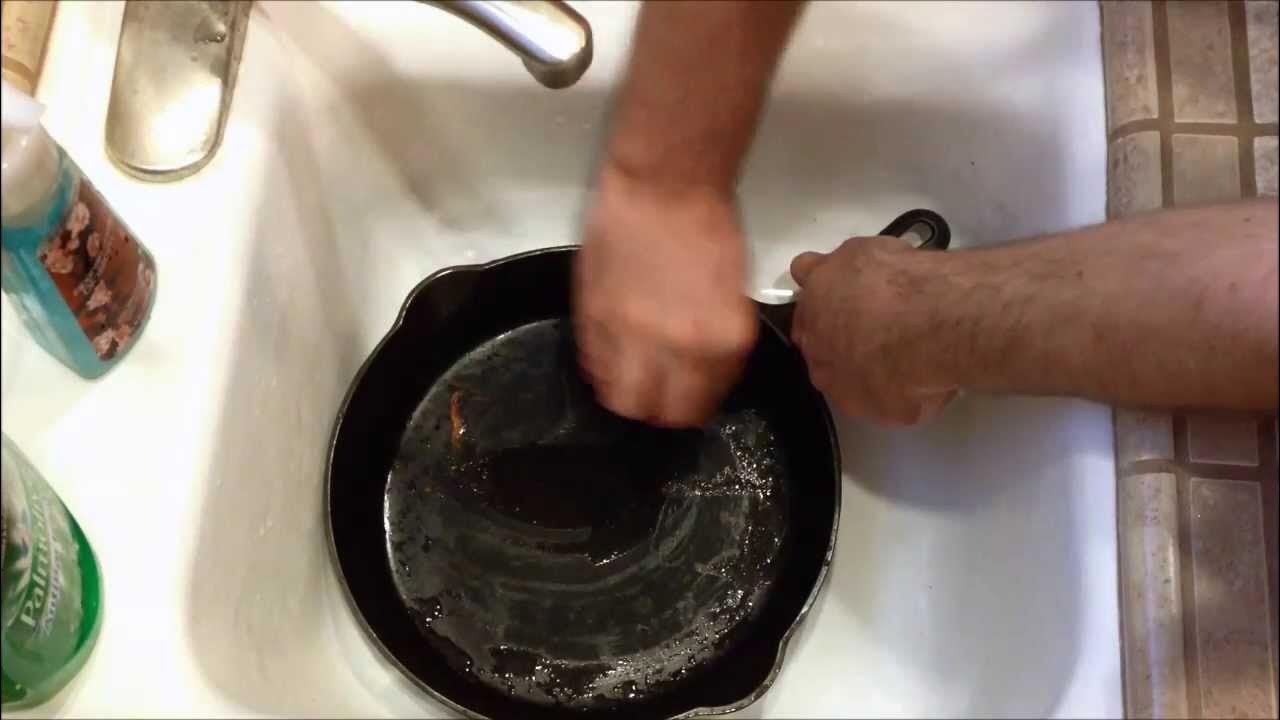
You love your cast iron pan, but cleaning it can feel tricky. Using the wrong method might damage its seasoning or cause rust.
What if you could keep your pan spotless and ready for cooking without any hassle? In this guide, you’ll discover simple, effective steps to clean your cast iron properly. Follow these tips, and your pan will stay in great shape for years to come.
Ready to learn how? Let’s dive in!
Benefits Of Cast Iron Cookware
Cast iron cookware has been used for centuries. It offers many benefits that make cooking easier and better.
Learning how to clean cast iron properly helps you enjoy these benefits for a long time.
Durability And Longevity
Cast iron pans are very strong and last for many years. They can handle high heat without damage.
With proper care, cast iron cookware can last for decades or even become family heirlooms.
Even Heat Distribution
Cast iron heats evenly and holds heat well. This helps cook food uniformly without hot spots.
Foods like steaks, cornbread, and pancakes cook perfectly with cast iron.
Non-stick Surface When Seasoned
Proper seasoning creates a natural non-stick surface on cast iron pans. This reduces the need for oils.
It also makes cooking and cleaning easier without synthetic coatings.
Adds Iron To Your Food
Cooking in cast iron can increase the iron content in your meals. This is good for people with low iron.
This small benefit helps keep you healthy while you cook tasty food.
Versatility In Cooking
Cast iron cookware works on many heat sources. You can use it on stoves, ovens, grills, and campfires.
It is great for frying, baking, roasting, and even boiling.

Credit: www.procook.co.uk
Essential Cleaning Tools
Cleaning cast iron cookware needs the right tools. These tools help keep your pan safe and in great shape. Using proper tools makes cleaning easier and prevents damage.
Below are the main tools you should have. Each tool plays a special role in cleaning your cast iron properly.
Brushes And Scrubbers
Use brushes and scrubbers to remove stuck food without harming the seasoning. Natural bristle brushes or stiff nylon brushes work well. Avoid metal scrubbers that can scratch the surface.
- Natural fiber brushes clean gently and last long.
- Stiff nylon brushes remove tough residue without damage.
- Avoid steel wool or harsh metal scrubbers.
Cleaning Cloths
Soft cloths help wipe away moisture and oil after washing. Use lint-free cotton or microfiber cloths. These cloths dry the pan well and help maintain the seasoning.
| Cloth Type | Purpose |
| Cotton Cloth | Drying and wiping oil |
| Microfiber Cloth | Absorbs moisture quickly |
| Linen Cloth | Gentle on seasoning |
Non-abrasive Sponges
Choose non-abrasive sponges for light cleaning. Soft sponges remove dirt without scratching the pan. Avoid rough scrub sponges that can strip seasoning.
Recommended non-abrasive sponge types:
- Cellulose sponges
- Soft foam sponges
- Non-scratch kitchen sponges
Daily Cleaning Routine
Cleaning your cast iron skillet every day keeps it in good shape. It helps stop rust and keeps food tasting fresh.
Use simple steps to clean your skillet after cooking. This routine takes only a few minutes.
Removing Food Residues
After cooking, remove leftover food while the pan is still warm. Use a spatula or brush to scrape bits off gently.
- Do not use soap or harsh scrubbers
- Use a plastic or wooden scraper
- For stuck food, add a little water and heat the pan
- Scrape again once the water loosens the food
Rinsing Techniques
Rinse your cast iron with warm water only. Avoid soap to keep the seasoning layer intact.
| Rinsing Method | Details |
|---|---|
| Warm water rinse | Use to clean off loosened food |
| Quick drying rinse | Use minimal water to avoid rust |
| No soap | Preserves the seasoning |
Drying Thoroughly
Dry your cast iron pan quickly to stop rust. Use a towel or heat it on the stove.
- Wipe with a clean cloth or paper towel
- Place on low heat for a few minutes
- Let it cool before storing
- Apply a thin coat of oil after drying
Deep Cleaning Methods
Cleaning cast iron takes care and attention. Deep cleaning removes tough residue and keeps the pan safe to use.
Use gentle tools and natural ingredients to protect the pan’s surface. Avoid harsh chemicals or scrubbing too hard.
Dealing With Stubborn Stains
Stubborn stains can ruin the look of cast iron. Use a soft brush or sponge to scrub the pan gently.
Soak the pan in warm water for 10-15 minutes before scrubbing. This softens stuck food and makes cleaning easier.
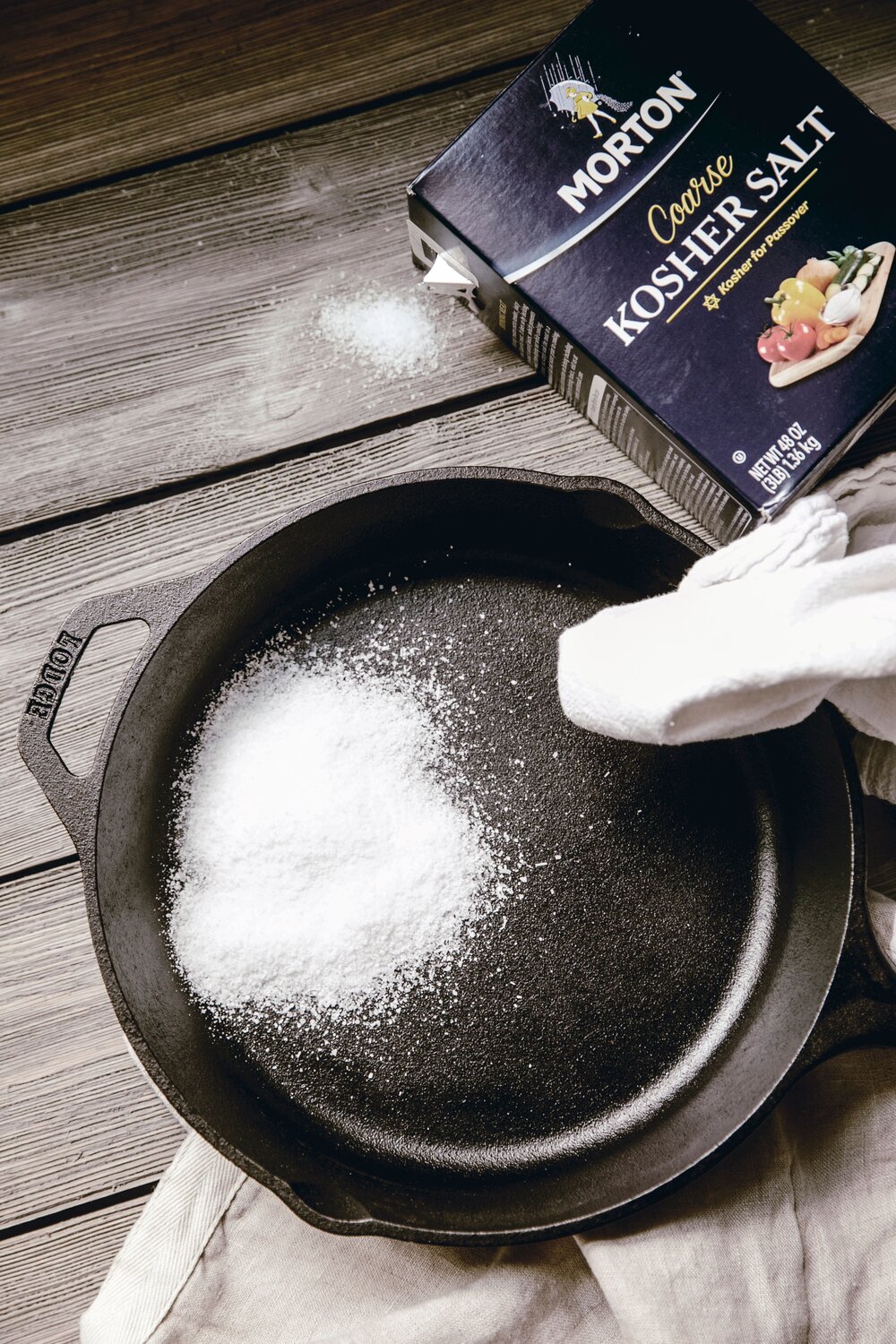
Using Salt For Cleaning
Coarse salt works as a natural scrubber. It helps remove stuck bits without damaging the surface.
Pour a handful of salt into the pan. Use a cloth or paper towel to rub the salt around the surface.
- Pour coarse salt into the pan
- Rub with a cloth or paper towel
- Rinse the pan with warm water
- Dry the pan fully to prevent rust
Baking Soda Application
Baking soda helps lift grime and neutralizes odors. It is gentle but effective on cast iron.
Sprinkle baking soda on the pan’s surface. Add a little water to make a paste, then scrub with a sponge.
- Sprinkle baking soda evenly
- Add water to form a paste
- Scrub gently with a sponge
- Rinse and dry the pan well
Rust Removal Techniques
Rust can damage your cast iron cookware and make it unsafe to use. Removing rust properly keeps your pan strong and ready for cooking.
There are several ways to clean rust from cast iron. Each way has its own steps and tools. Choose the one that fits your needs.
Vinegar Soaking Method
Soaking your cast iron in vinegar helps break down rust. Vinegar is acidic and works well to remove rust spots.
Mix equal parts of white vinegar and water in a container. Submerge the cast iron and leave it for up to 8 hours.
- Check the pan every hour to see the rust loosen
- Do not soak for more than 8 hours to avoid damage
- After soaking, scrub with a brush or steel wool
- Rinse well with water and dry thoroughly
- Apply oil to prevent new rust from forming
Electrolysis Process
Electrolysis uses electric current to remove rust safely. It is good for heavy rust on cast iron.
You need a power source, washing soda, water, and a sacrificial metal piece. The rust moves from the cast iron to the metal.
- Mix washing soda in water to make an electrolyte solution
- Attach the cast iron to the negative terminal of a battery charger
- Attach the sacrificial metal to the positive terminal
- Place both in the solution without touching each other
- Turn on the charger and let it run for several hours
- Remove the pan, scrub off loosened rust, rinse, and dry
Commercial Rust Removers
Commercial rust removers are products made to dissolve rust quickly. Use them with care and follow instructions.
These removers can be liquids, gels, or sprays. They work faster than home remedies but may contain chemicals.
- Read the label and use gloves for protection
- Apply the remover to the rusty areas
- Let it sit for the time the product suggests
- Scrub the rust away with a brush
- Rinse thoroughly and dry the cast iron
- Season the pan with oil to protect it
Seasoning Your Cast Iron
Seasoning your cast iron helps protect it from rust. It also creates a smooth, non-stick surface.
Proper seasoning takes time and care. Use the right oil and follow the heating steps carefully.
Choosing The Right Oil
Pick oils that can handle high heat and dry well. Some oils work better for seasoning than others.
- Flaxseed oil: dries hard and forms a strong layer
- Vegetable oil: easy to find and works well
- Canola oil: affordable and heats evenly
- Grapeseed oil: good smoke point and smooth finish
Heating And Cooling Process
Heat the oiled pan to bond the oil to the metal. Then cool it slowly to set the layer.
- Preheat your oven to 450°F (230°C).
- Apply a thin layer of oil all over the pan.
- Place the pan upside down on the oven rack.
- Heat it for one hour to bake the oil onto the surface.
- Turn off the oven and let the pan cool inside for two hours.
Building A Non-stick Layer
The non-stick layer grows stronger with each seasoning. Multiple layers make cooking easier.
| Seasoning Cycle | Effect on Cast Iron |
|---|---|
| 1-2 cycles | Basic protection, slightly non-stick |
| 3-5 cycles | Smooth surface, better food release |
| 6+ cycles | Highly non-stick, durable finish |
Maintaining Cast Iron Shine
Keeping your cast iron shiny needs care after each use. Proper cleaning and drying help keep its surface smooth.
Good habits protect the seasoning and stop rust from forming. This guide shows how to keep your cast iron bright and ready.
Regular Usage Tips
Clean your cast iron right after cooking. Use warm water and a soft brush. Avoid soap unless needed to keep the seasoning.
- Dry the pan fully with a towel or on low heat
- Apply a thin layer of cooking oil after drying
- Heat the pan briefly to absorb the oil
- Use wooden or silicone tools to avoid scratching
Avoiding Common Mistakes
| Mistake | Effect | Fix |
| Using soap often | Strips seasoning | Use soap rarely, re-season if needed |
| Letting it air dry | Causes rust | Dry immediately with towel or heat |
| Storing wet | Leads to corrosion | Always store dry |
| Cooking acidic foods too long | Damages seasoning | Limit acidic cooking times |
Storage Recommendations
Store cast iron in a dry place. Avoid stacking pans unless separated by cloth. This stops moisture and scratches.
- Use paper towels inside to absorb moisture
- Keep lids off to let air flow
- Check pans regularly for rust spots

Credit: www.cnet.com
Common Myths Debunked
Many people have wrong ideas about cleaning cast iron pans. These myths can make cleaning hard or damage the pan.
Understanding the truth helps keep your cast iron safe and ready for cooking.
Soap And Cast Iron
Some say soap ruins the seasoning on cast iron. A little mild soap is safe to use sometimes.
Heavy soap or strong detergents can strip seasoning. Use only gentle soap if needed.
- Use mild soap only when pan is greasy
- Rinse well with warm water
- Dry pan quickly to stop rust
Metal Utensils Usage
People think metal spoons or spatulas always damage cast iron. Light use of metal utensils is okay.
Avoid scraping hard or using sharp metal tools. Gentle stirring or flipping will not harm the pan.
- Use metal utensils carefully
- Avoid scraping off the seasoning
- Wood or silicone tools can protect seasoning
Cooking Acidic Foods
Many believe you should never cook tomatoes or vinegar in cast iron. Short cooking of acidic foods is fine.
Long cooking of acids can wear down seasoning. Rinse and dry the pan after cooking acidic dishes.
- Cook acidic foods briefly
- Clean and dry pan soon after
- Re-season if the surface looks dull
Credit: heirloomedblog.com
Frequently Asked Questions
How Do You Clean Cast Iron Without Soap?
Use hot water and a stiff brush to clean cast iron. Avoid soap as it can strip seasoning. Dry thoroughly and apply a thin layer of oil to prevent rust.
Can Cast Iron Be Cleaned With Salt?
Yes, coarse salt acts as a natural abrasive. Scrub the pan with salt and a paper towel. Rinse with hot water and dry completely to maintain the seasoning.
Is It Safe To Soak Cast Iron In Water?
No, soaking cast iron can cause rust. Clean immediately after use and dry thoroughly. Apply oil to keep the surface protected and seasoned.
How Do You Remove Rust From Cast Iron?
Scrub rust with steel wool or a wire brush. Rinse and dry completely. Re-season the pan by applying oil and heating it in the oven.
Conclusion
Cleaning cast iron properly keeps your pan in great shape. Use warm water and a soft brush to remove food. Avoid soap and soaking to protect the seasoning. Dry the pan well to stop rust. Apply a thin layer of oil after each use.
This care helps your cast iron last many years. Cooking with a well-kept pan tastes better too. Simple steps make a big difference. Keep your cast iron clean and enjoy cooking every day.