
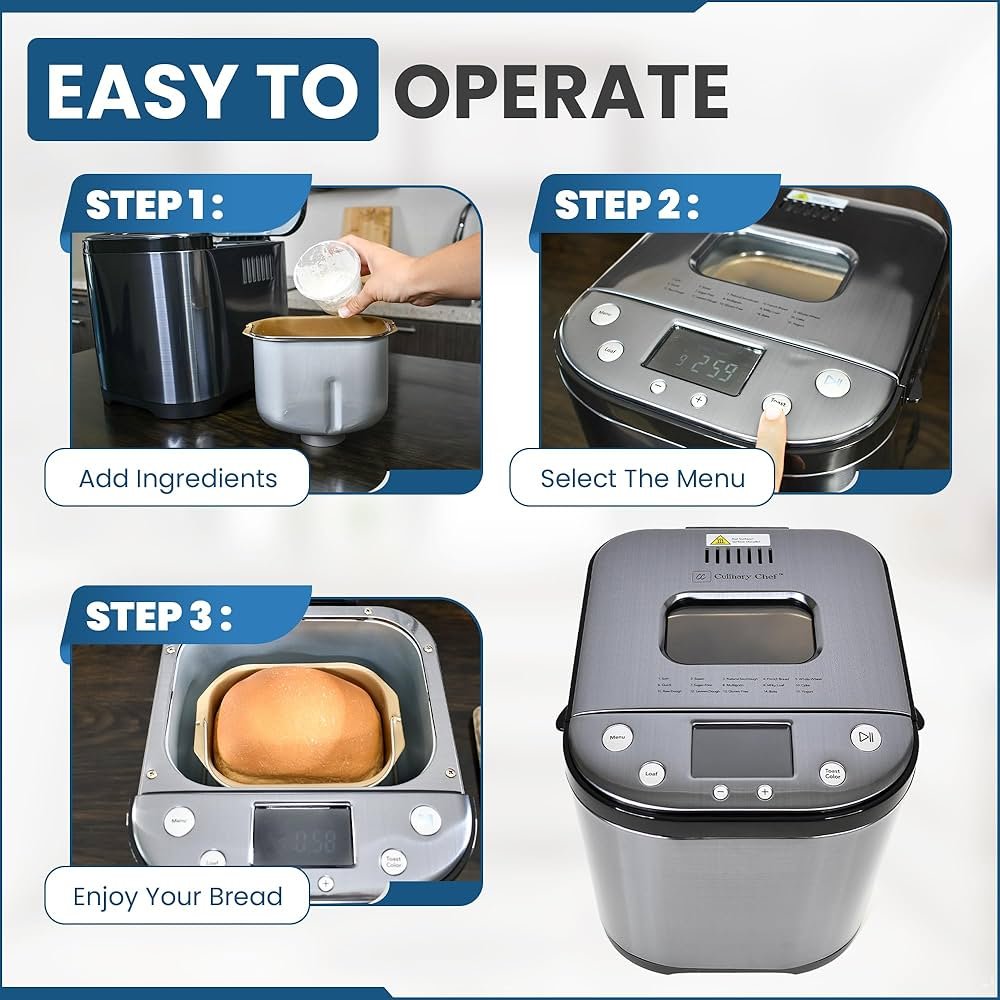
Choosing the right bread maker for your home can feel overwhelming. With so many options out there, how do you know which one fits your needs?
You want a machine that’s easy to use, reliable, and bakes the perfect loaf every time. Imagine waking up to the smell of fresh bread without any hassle. This guide will help you make a smart choice, so you get the best bread maker for your kitchen and lifestyle.
Keep reading to discover the key features you should look for and avoid common mistakes that can cost you time and money.

Credit: www.reddit.com
Types Of Bread Makers
Bread makers come in many types to suit different needs. Choosing the right one depends on your baking habits and kitchen space.
Understanding the main types helps you pick a bread maker that fits your home and lifestyle.
Basic Models
Basic bread makers have simple controls and fewer settings. They are easy to use and good for beginners.
Most basic models include these features:
- Standard baking programs
- Timer delay function
- Basic crust color options
- Non-stick baking pan
Advanced Features
Advanced bread makers offer more control and options. They suit users who want to experiment with different recipes.
| Feature | Description |
|---|---|
| Custom Programs | Create your own baking cycles |
| Multiple Loaf Sizes | Choose from small to large loaves |
| Gluten-Free Setting | Special program for gluten-free bread |
| Rapid Bake | Bake bread faster than normal |
| Automatic Fruit/Nut Dispenser | Add ingredients at the right time |
Compact Designs
Compact bread makers save counter space. They work well in small kitchens or for people who bake less often.
- Smaller footprint to fit tight spaces
- Lightweight and easy to move
- Usually bake smaller loaves
- Energy efficient for quick use

Credit: www.hamiltonbeach.co.uk
Key Features To Consider
Choosing a bread maker for home use means looking at its main features. These features affect how you bake and the types of bread you can make. Understanding what to look for helps you pick the best machine for your needs.
Focus on features that fit your baking habits and kitchen space. The right bread maker can save time and give you fresh bread regularly.
Loaf Size Options
Look for a bread maker that offers different loaf sizes. This lets you bake small or large breads depending on your family size or appetite.
- Choose sizes from 1 to 2.5 pounds
- Small loaves save ingredients and space
- Larger loaves suit bigger families
- Make sure the size fits your storage needs
Crust Settings
Crust settings control how dark or light the bread crust will be. Different recipes and tastes may need different crust types.
| Setting | Description |
| Light | Soft crust, lightly baked |
| Medium | Balanced crust color and crunch |
| Dark | Thicker, crunchy crust |
Pre-programmed Cycles
Pre-programmed cycles let you bake different types of bread with ease. They control mixing, rising, and baking times automatically.
- White bread
- Whole wheat bread
- Gluten-free options
- Dough-only mode for pizza or rolls
- Quick bake cycles for fast bread
Delayed Start Function
The delayed start lets you add ingredients and set the timer. The bread maker will start baking later to finish fresh bread when you want it.
This is great for waking up to fresh bread or having it ready after work without waiting.
Size And Capacity
Choosing the right bread maker size is important for your kitchen and family needs. A machine that fits your space and bread quantity makes baking easier.
Consider both the physical size and how much bread the maker can bake at once. This helps avoid waste and saves time.
Kitchen Space Considerations
Measure your kitchen counter before buying a bread maker. Some machines are large and need extra space to operate.
Think about where you will store the bread maker when not in use. A compact model fits better in small kitchens.
- Check the width, height, and depth of the machine
- Leave space for ventilation and easy access
- Consider if you will keep it on the counter or in a cabinet
Family Size Suitability
Choose a bread maker with a capacity that matches your family’s bread consumption. Larger families need bigger machines.
Small bread makers usually bake 1 to 2 pounds of bread. Bigger models can bake up to 3 pounds or more.
- 1 to 2 pounds: good for 1-3 people
- 2 to 3 pounds: fits families of 4-5 people
- More than 3 pounds: best for large families or frequent bakers
Ease Of Use And Cleaning
Choosing a bread maker for home use means thinking about how easy it is to use and clean. These features save time and make baking simple.
A bread maker with clear controls and easy cleaning parts helps you bake fresh bread without stress.
User-friendly Controls
User-friendly controls help you operate the bread maker without confusion. Simple buttons and clear displays make baking easier.
Look for machines with easy-to-read labels and preset programs. These features reduce mistakes and save time.
- Clear digital display
- Simple start and stop buttons
- Preset baking programs for different breads
- Timer functions for delayed baking
Non-stick Baking Pan
A non-stick baking pan prevents dough from sticking. It makes removing the bread easy and keeps the pan clean.
Choose a bread maker with a high-quality non-stick pan. This feature helps with quick cleaning after baking.
- Easy bread release
- Less scrubbing needed
- Durable coating for long use
- Removable pan for simple washing
Material And Durability
Choosing the right material is important for your bread maker. It affects how long the machine lasts and how it handles daily use.
Durability helps you avoid frequent repairs or replacements. Understanding materials can guide you to a better choice.
Stainless Steel Vs. Plastic
Stainless steel bread makers are strong and resist rust. They look modern and clean even after many uses.
Plastic bread makers weigh less and cost less. They may scratch or crack more easily over time.
- Stainless steel is heavier but more sturdy.
- Plastic is lighter but less durable.
- Steel resists heat and stains better.
- Plastic may fade or discolor with use.
Longevity Expectations
A bread maker made of quality materials can last many years. Stainless steel models often last longer than plastic ones.
How you care for the bread maker also affects its life. Clean it well and avoid harsh chemicals to keep it working well.
- Stainless steel can last 5 to 10 years or more.
- Plastic models may last 3 to 5 years.
- Regular cleaning extends the machine’s life.
- Avoid dropping or hitting the bread maker.
Price Range And Budget
Choosing a bread maker depends a lot on your budget. Prices vary based on features and brand.
Understanding price ranges helps you pick the best option for your needs and wallet.
Affordable Options
Affordable bread makers usually cost under $100. They have basic features but work well.
These models are great for beginners or small families with simple baking needs.
- Basic baking cycles
- Simple controls
- Compact size
- Usually one loaf size
Premium Models
Premium bread makers cost $200 or more. They offer many features and larger capacity.
These machines suit serious bakers who want more control and variety in bread types.
- Multiple loaf sizes
- Custom baking programs
- Delayed start and keep warm functions
- High-quality materials
Value For Money
Value models balance price and features well. They often cost between $100 and $200.
These bread makers provide useful options without extra cost for luxury features.
- Multiple baking programs
- Good loaf size options
- User-friendly controls
- Reliable performance
Brand Reputation And Reviews
Choosing a bread maker for home use starts with checking the brand reputation. A trusted brand often means better quality and service. Reading reviews helps you learn about real user experiences.
Good reviews show how well the bread maker works over time. They also reveal any common problems or issues users face.
Customer Feedback
Customer feedback gives honest opinions about a bread maker’s performance. Look for comments on ease of use, baking results, and durability.
Reviews can point out features that users like or dislike. Pay attention to repeated mentions of the same pros and cons.
- Check for consistent praise or complaints
- Read both positive and negative reviews
- Look for feedback from verified buyers
- Consider the number of reviews for accuracy
Top Rated Brands
Some bread maker brands have earned strong reputations for quality and reliability. These brands often appear at the top of customer rating lists.
Choosing a top-rated brand can reduce the risk of buying a low-quality machine. These brands usually offer good customer support and warranty.
- Panasonic – Known for consistent baking and easy controls
- Zojirushi – Offers advanced settings and strong build quality
- Oster – Affordable options with solid performance
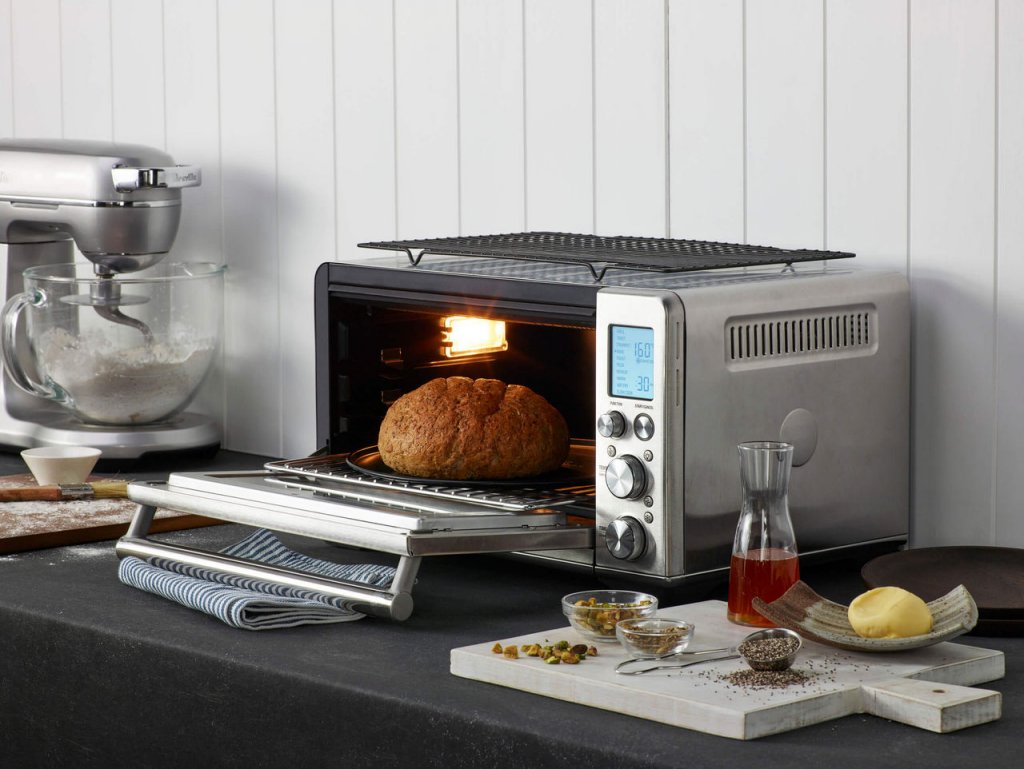
- Breville – Features user-friendly designs and reliable results
Credit: www.breville.com
Additional Accessories
Choosing the right bread maker is about more than just the machine itself. Extra accessories can make baking easier and more fun. These tools help you measure ingredients accurately and try new recipes.
Look for accessories that suit your baking style. They add value and improve your bread-making experience at home.
Measuring Tools
Measuring tools are important for baking bread. They help you add the right amount of flour, water, and yeast. This makes your bread turn out perfect every time.
Common measuring tools include cups, spoons, and scales. Some bread makers come with these included. Digital scales are especially useful for precise measurement.
- Measuring cups for dry and wet ingredients
- Measuring spoons for small amounts of yeast and salt
- Digital kitchen scales for exact weight
Recipe Booklets
Recipe booklets often come with bread makers. They show you how to use the machine and give you ideas for different breads. This helps beginners start baking with confidence.
Booklets may include tips for ingredient choices and baking times. Some also offer recipes for gluten-free or sweet breads. This variety keeps your baking fun and varied.
- Basic recipes for white, wheat, and rye bread
- Instructions for making dough and jams
- Tips on machine settings and baking times
Warranty And Customer Support
Choosing a bread maker means thinking about its warranty and support. These factors protect your investment.
Good warranty and support help solve problems fast. They give peace of mind.
Warranty Period
Check how long the warranty lasts. A longer warranty means more protection.
Some brands offer one year, others two or more. Look for coverage on parts and labor.
- Longer warranty shows product confidence
- Read what the warranty covers
- Check if warranty is valid in your country
Service Quality
Good customer service helps fix problems quickly. It matters if your bread maker stops working.
Look for brands with easy ways to contact support. Fast replies save time and stress.
- Phone and email support options
- Online help guides and FAQs
- Service centers near your home
- Positive customer reviews about support
Frequently Asked Questions
What Features Should I Look For In A Bread Maker?
Look for customizable settings, loaf size options, and a non-stick pan. A delay timer and easy-to-clean design are also important.
How Much Should I Spend On A Quality Bread Maker?
Spend between $80 and $200 for good quality. Higher prices offer more features and durability.
Can Bread Makers Handle Different Types Of Bread Dough?
Yes, modern bread makers can handle various doughs like gluten-free and whole wheat with specific settings.
How Important Is The Bread Maker’s Capacity?
Choose a capacity based on your family size. Standard machines bake 1-2 pounds, suitable for most households.
Conclusion
Choosing the right bread maker makes baking easy and fun. Think about your needs and space first. Check the features that suit your bread style. Remember size, settings, and ease of cleaning. A good bread maker fits your kitchen and budget.
Enjoy fresh, homemade bread anytime you want. Baking at home saves money and tastes better. Your perfect bread maker is waiting for you. Start baking with confidence and enjoy every loaf.