
Are you tired of lasagna noodles that turn out stiff and hard every time you cook? You’re not alone.
Getting those noodles perfectly soft can make all the difference in creating a delicious, melt-in-your-mouth lasagna. The good news is, with a few simple tips, you can easily master the art of soft noodles and take your lasagna to the next level.
Keep reading, and you’ll discover easy tricks that will transform your lasagna into a comforting, crowd-pleasing dish everyone will love.
Choosing The Right Noodles
Soft lasagna noodles make your dish more enjoyable. Picking the right noodles helps them cook evenly.
Some noodles cook faster or stay firmer. Knowing your options lets you choose what works best.
Types Of Noodles
Lasagna noodles come in several types. Each type affects texture and cooking time.
- Regular noodles:Standard wheat noodles, sturdy and common.
- Whole wheat noodles:Healthier choice, may feel denser.
- Gluten-free noodles:Made from rice or corn, cooks differently.
- Fresh noodles:Softer and cook quickly but last less time.
Fresh Vs. Dried Options
Fresh noodles absorb sauce faster and stay tender. Dried noodles are firmer and need longer cooking.
| Type | Texture | Cooking Time | Storage |
| Fresh | Soft and flexible | Short (minutes) | Refrigerate, use quickly |
| Dried | Firm until cooked | Longer (10-15 min) | Room temperature, longer shelf life |
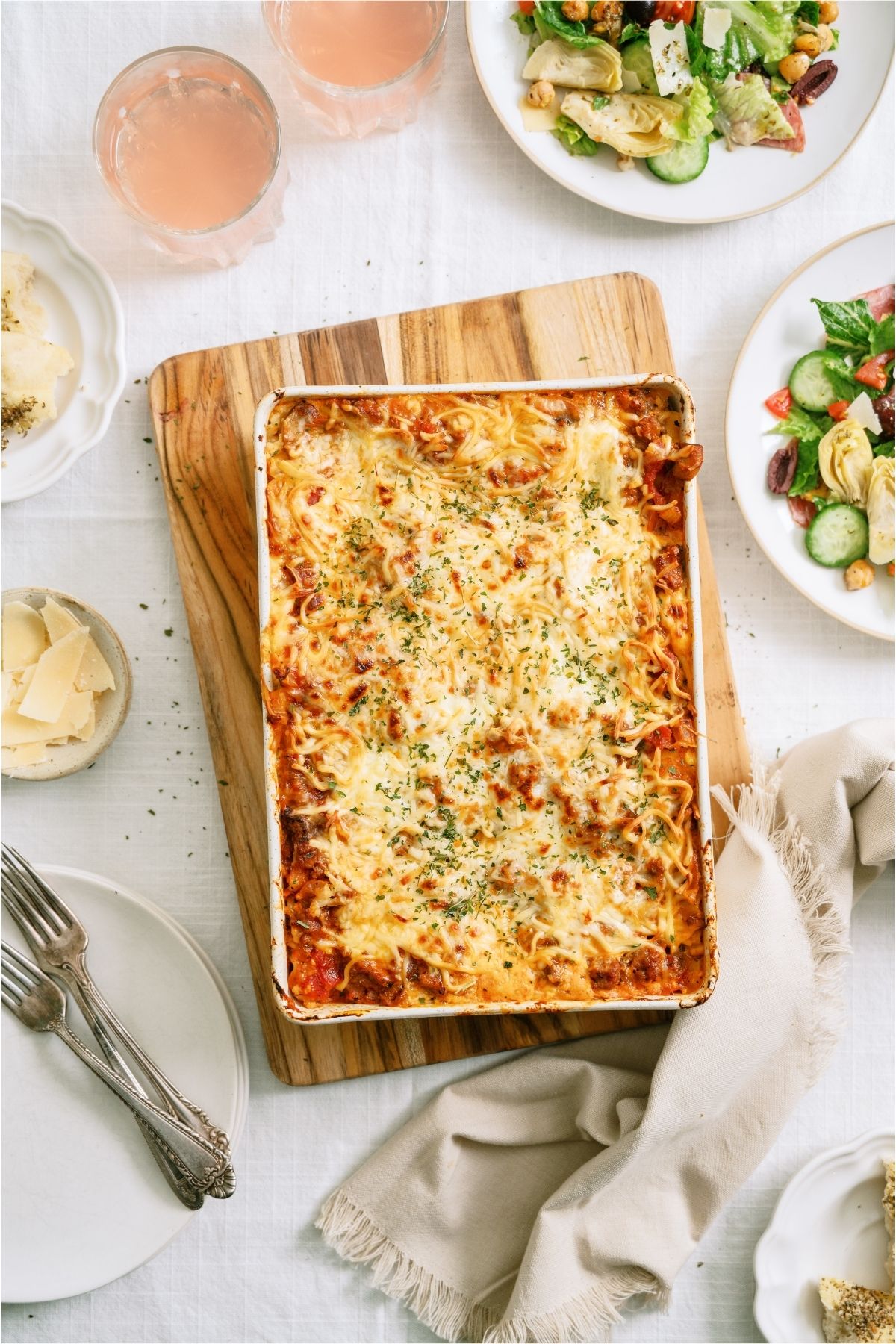
Credit: www.sixsistersstuff.com
Pre-cooking Techniques
Soft lasagna noodles make your dish more enjoyable. Proper pre-cooking helps noodles cook evenly and taste better.
Use these tips to prepare noodles before assembling your lasagna. These steps prevent toughness and improve texture.
Boiling Noodles Properly
Fill a large pot with water to give noodles space to move. This stops them from sticking together during cooking.
Stir noodles gently right after adding them to boiling water. Stirring helps separate noodles and avoid clumps.
Using Salt In Water
Add salt to the boiling water before cooking noodles. Salt boosts flavor and helps soften the noodles.
- Use about 1 tablespoon of salt per 4 quarts of water.
- Make sure salt dissolves fully before adding noodles.
- Do not add oil; it can make noodles slippery and sauce won’t stick.
Avoiding Overcooking
| Tip | Reason |
|---|---|
| Cook noodles 1-2 minutes less than package says | They will finish cooking in the oven |
| Check noodles often while boiling | Prevents mushy or broken noodles |
| Drain noodles quickly and rinse with cold water | Stops cooking and removes excess starch |
Layering For Softness
Making lasagna noodles soft depends a lot on how you layer the ingredients. The right order helps the noodles cook evenly. It also stops them from drying out.
This guide explains two key ways to layer your lasagna for softness. Follow these tips to get tender noodles every time.
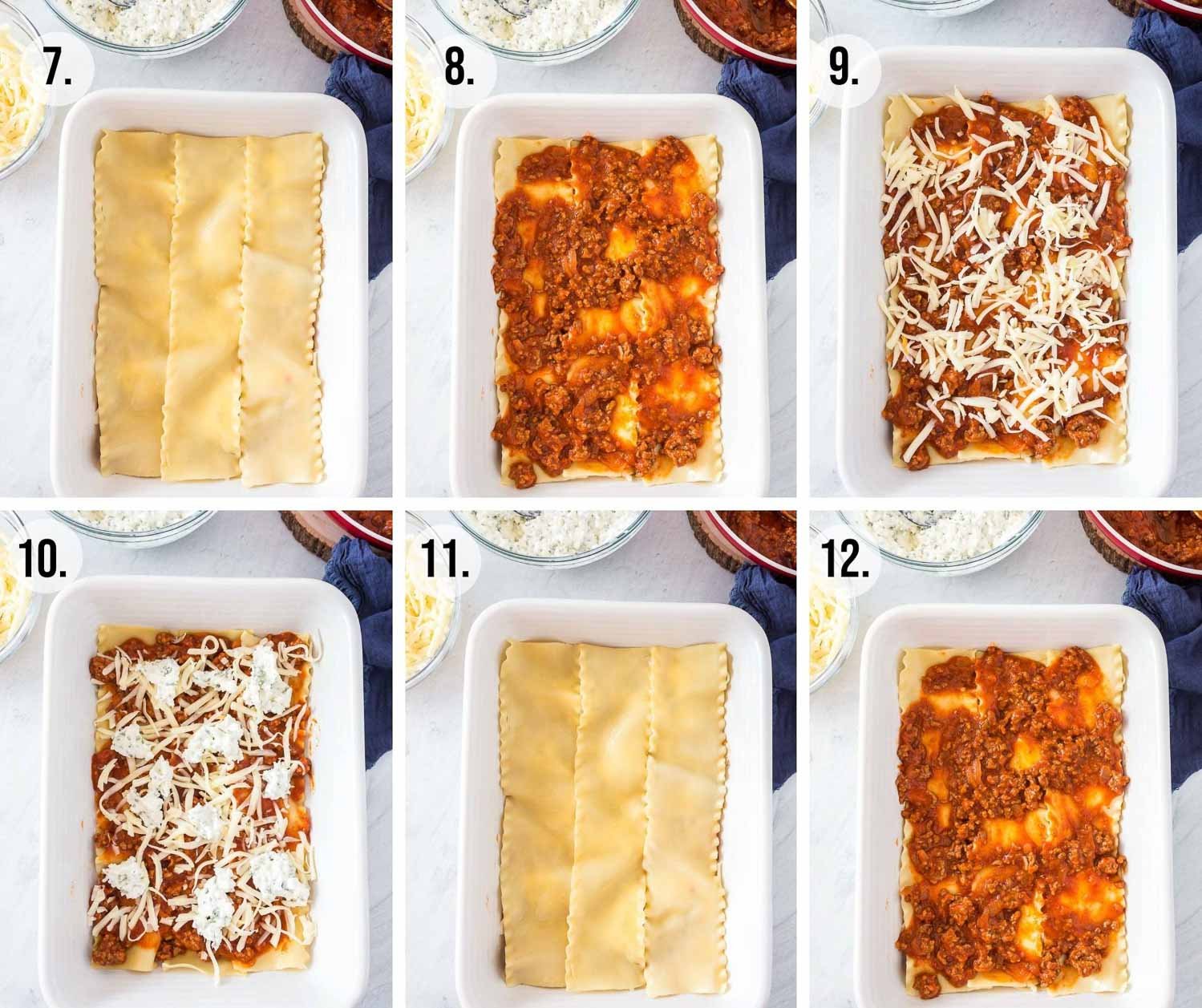
Alternating Layers
Change the layers between noodles and fillings. This helps the noodles absorb moisture from sauces and cheese. It makes them softer and tastier.
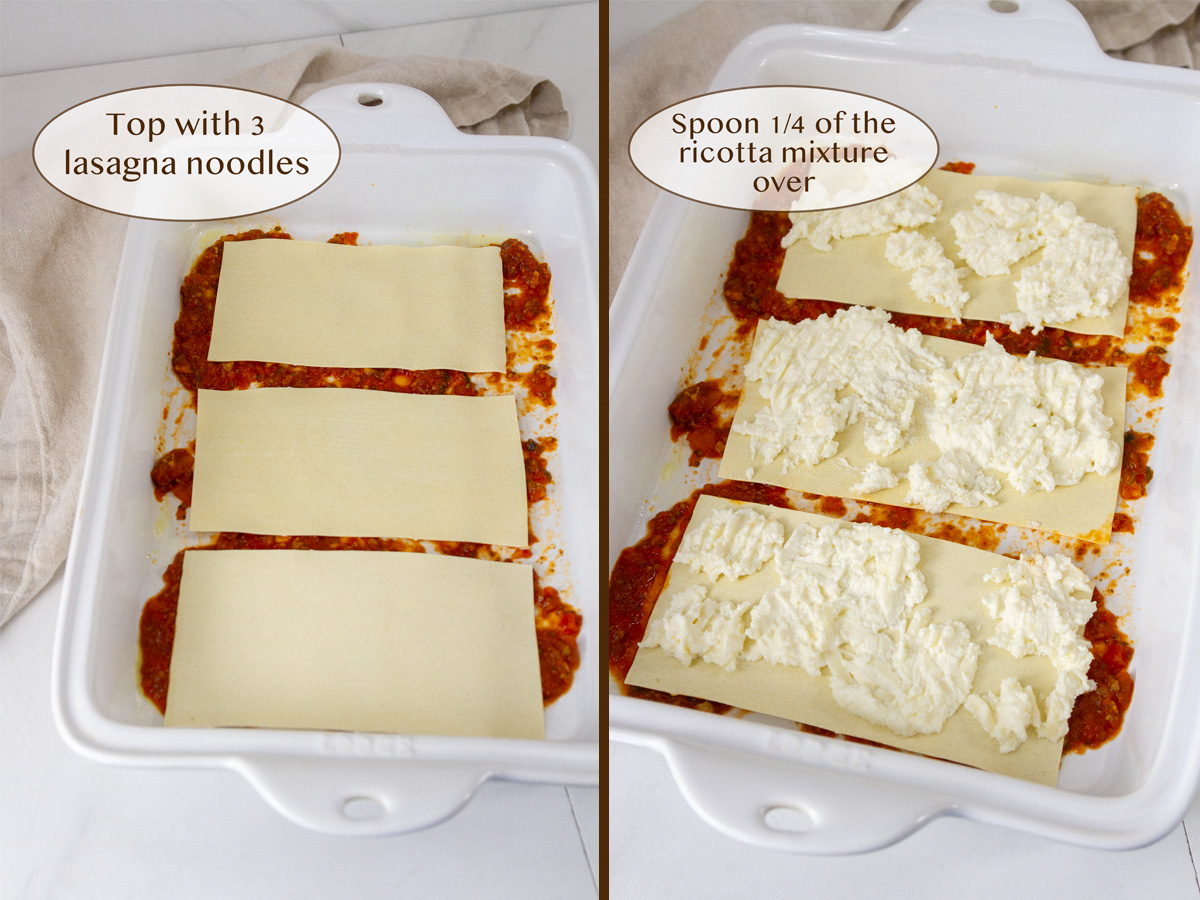
- Start with a thin sauce layer on the bottom of the pan.
- Place noodles evenly over the sauce.
- Add a layer of cheese or vegetables next.
- Repeat layering noodles and fillings until full.
- End with sauce and cheese on top to keep noodles moist.
Incorporating Sauces
Sauces add moisture to the noodles. Spread sauces evenly for soft and tender pasta layers. Avoid thick patches that dry out noodles.
| Sauce Type | Effect on Noodles | Tips |
| Tomato Sauce | Keeps noodles moist with acidity | Use thin layers and spread evenly |
| Bechamel Sauce | Adds creaminess and soft texture | Pour between noodle layers gently |
| Meat Sauce | Provides flavor and moisture | Make sure sauce is not too thick |
Baking Tips
Making lasagna noodles soft can be tricky. Baking techniques affect their texture a lot.
Use these tips to help your noodles bake evenly and stay tender.
Covering With Foil
Covering your lasagna with foil keeps moisture inside. This prevents noodles from drying out.
- Cover tightly with aluminum foil before baking.
- Remove foil near the end to brown the top.
- Check if foil touches cheese to avoid sticking.
- Use foil to trap steam and soften noodles.
Adjusting Oven Temperature
Baking at the right temperature ensures noodles cook through without drying.
| Temperature | Effect on Noodles |
| 325°F (163°C) | Slow, even cooking; very soft noodles |
| 350°F (177°C) | Standard baking; good balance of softness and texture |
| 375°F (190°C) | Faster cooking; risk of drying noodles |
Post-baking Care
Taking care of lasagna after baking helps keep noodles soft and tasty. This step is often overlooked but very important.
Proper post-baking care improves texture and makes serving easier. Focus on resting time and cutting methods for best results.
Letting Lasagna Rest
Resting lasagna after baking lets the heat spread evenly. It also helps the noodles absorb moisture and stay soft.
- Cover the lasagna with foil to keep heat and moisture in.
- Let it rest for 10 to 15 minutes before cutting.
- Resting allows the layers to firm up slightly, making serving easier.
- Avoid cutting too soon to prevent noodles from drying out.
Cutting Techniques
Cutting lasagna with the right technique keeps noodles soft and prevents tearing. Use a sharp knife and steady pressure.
| Cutting Tip | Reason |
| Use a long, sharp knife | Ensures clean cuts without squashing noodles |
| Cut in one smooth motion | Prevents noodles from breaking |
| Clean knife between cuts | Stops layers from sticking to the blade |
| Serve immediately after cutting | Keeps noodles moist and soft |
Credit: lifecurrentsblog.com
Alternative Methods
Making lasagna noodles soft can be done in different ways. You do not always need to boil them in water.
Try these alternative methods to get tender noodles without extra steps.
Using No-boil Noodles
No-boil noodles are made to cook inside the lasagna. They absorb sauce and become soft while baking.
These noodles save time and need more sauce to cook well. Make sure your sauce is watery enough for the noodles to absorb moisture.
- Use plenty of sauce so noodles get soft
- Do not pre-cook these noodles
- Bake lasagna covered to keep moisture in
Trying Gluten-free Options
Gluten-free noodles often need different cooking methods. They can be more brittle and dry if not cooked right.
Soak gluten-free noodles in warm water before layering. This helps them stay soft and flexible during baking.
- Soak noodles for 10-15 minutes in warm water
- Use extra sauce for moisture
- Bake covered to prevent drying out
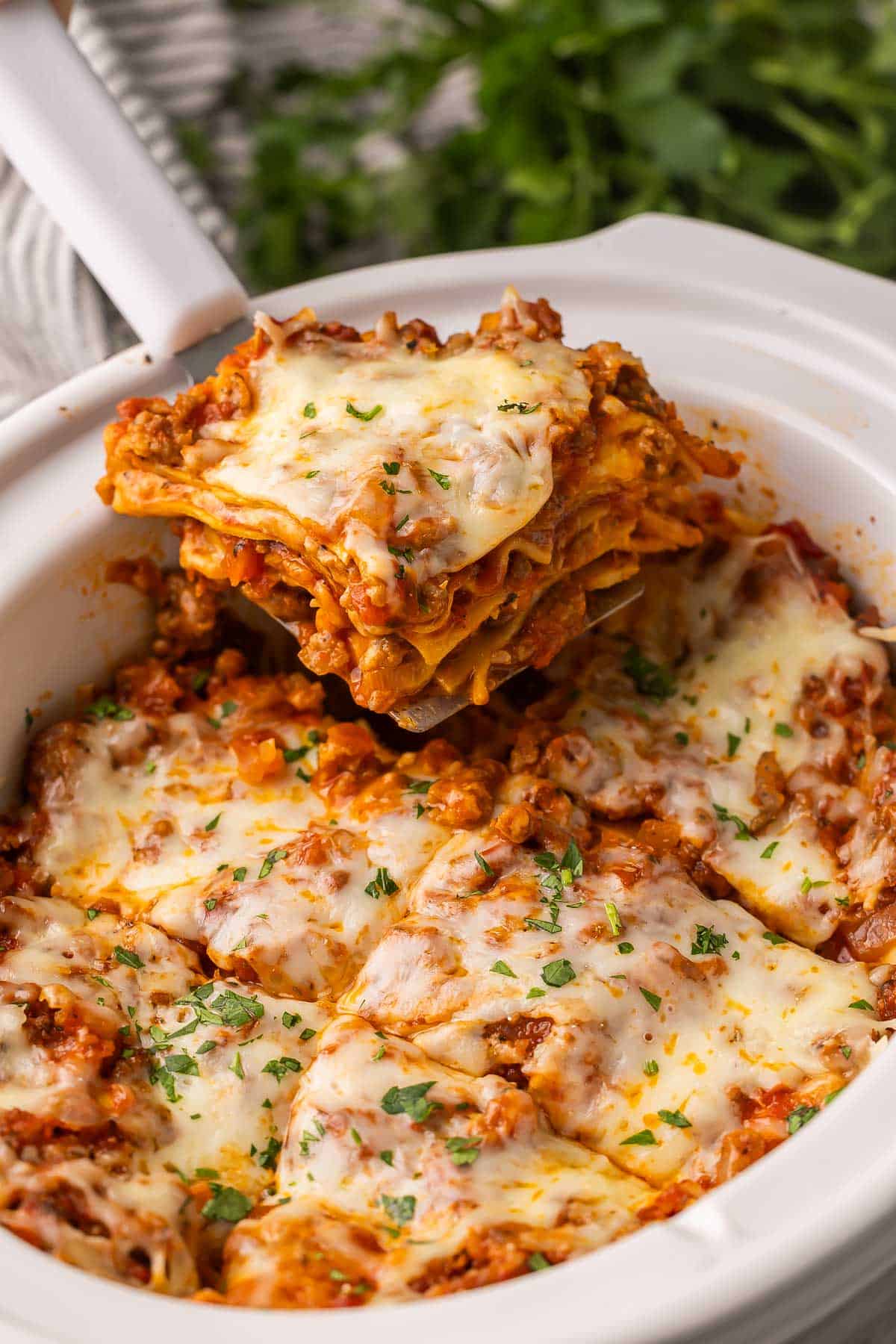
Credit: www.thereciperebel.com
Frequently Asked Questions
How Can I Make Lasagna Noodles Soft And Tender?
Boil noodles in plenty of salted water until al dente. Avoid overcooking to prevent mushiness. Rinse with cold water to stop cooking and soften further. Use fresh or no-boil noodles for easier softness.
Why Should I Soak Lasagna Noodles Before Cooking?
Soaking noodles softens them gently and reduces boiling time. It prevents noodles from sticking and breaking during assembly. Soaking is ideal for no-boil noodles to ensure perfect texture and easy layering.
Does Salt Help Make Lasagna Noodles Softer?
Yes, adding salt to boiling water seasons noodles and slightly softens them. Salt raises water’s boiling point, cooking noodles evenly. It enhances flavor without affecting noodle texture negatively.
Can I Use No-boil Noodles To Get Soft Lasagna Layers?
No-boil noodles absorb sauce moisture and soften during baking. This saves time and reduces mess. Ensure your sauce is watery enough to hydrate noodles thoroughly.
Conclusion
Soft lasagna noodles make your dish taste better. Boil them just right or soak before baking. Use enough water and stir to stop sticking. Let noodles cool slightly to keep their shape. These simple steps save time and improve texture.
Enjoy cooking and sharing delicious, soft lasagna today.