
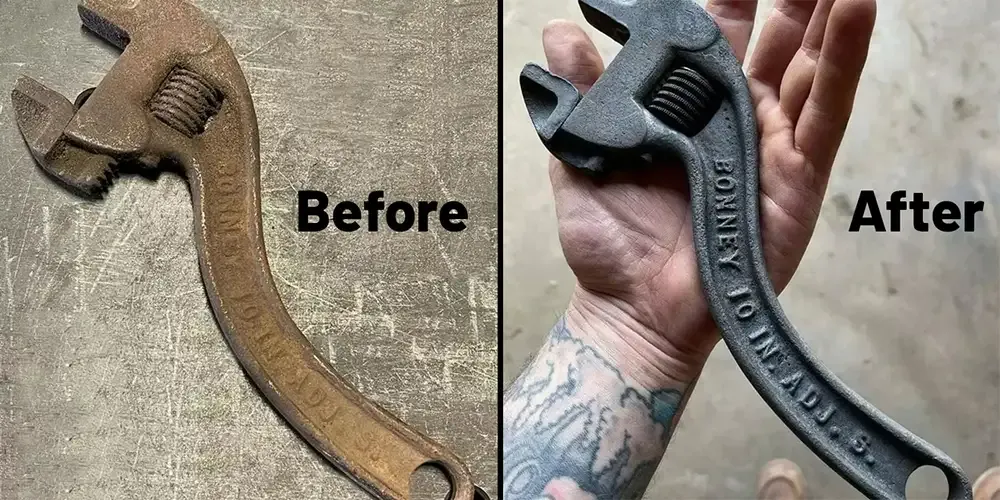
Rust on your kitchen tools can be frustrating. It not only looks bad but can also affect the taste of your food and your health.
You might think that once rust appears, the tool is ruined, but that’s not true. You can bring your rusty kitchen tools back to life with simple, effective methods. You’ll discover easy ways to remove rust quickly and safely. By the end, your tools will look almost new, and you’ll feel confident using them again.
Keep reading to learn how to protect your kitchen investments and enjoy cooking without worry.
Causes Of Rust On Kitchen Tools
Rust forms on kitchen tools when iron reacts with water and oxygen. This chemical reaction creates a flaky, orange coating.
Knowing the causes of rust helps you protect your tools and keep them clean and safe.
Exposure To Moisture
Water or moisture on kitchen tools starts the rusting process. Leaving tools wet after washing causes rust.
Even humidity in the air can cause rust if tools are stored in damp places.
Poor Drying And Storage
Not drying kitchen tools well before storage traps moisture. This keeps the metal wet and speeds rust.
Storing tools in places without airflow or in plastic bags can cause rust to form quickly.
Use Of Low-quality Metal
Cheap kitchen tools often use metals that rust easily. They may lack protective coatings or be mixed with iron.
Tools made from stainless steel resist rust better than low-quality metals.
Contact With Acidic Or Salty Foods
Acidic foods like lemon or vinegar can wear down metal surfaces. This damage makes rust more likely.
Salt also speeds up rust by causing metal to corrode faster when left on tools.
Scratches And Damaged Coating
Scratches on kitchen tools expose the bare metal underneath. This metal reacts with water and air easily.
Damaged coatings or paint can no longer protect the metal, causing rust to form at these spots.

Credit: www.amazon.ca
Safety Precautions Before Rust Removal
Removing rust from kitchen tools can make them safe and useful again. You must follow safety steps to protect yourself.
Rust removal involves chemicals and scrubbing. These actions can harm your skin, eyes, or lungs if you are not careful.
Wear Protective Gloves
Gloves protect your hands from sharp rust and harsh cleaning products. Use rubber or latex gloves to keep your skin safe.
Change gloves if they tear or get wet. Wet gloves do not protect your skin well.
Use Eye Protection
Rust particles and chemicals can harm your eyes. Wear safety goggles or glasses to prevent injury.
Work In A Well-ventilated Area
Rust removers may release strong fumes. Open windows or work outside to breathe fresh air and avoid dizziness.
Keep Tools Away From Children And Pets
Rust removal chemicals and sharp tools can be dangerous. Store them out of reach of children and pets during cleaning.
Read Product Instructions Carefully
Follow the instructions on rust remover labels. Use the right amount and do not mix with other chemicals.
This helps avoid accidents and ensures the product works well.
Prepare Your Workspace
Cover surfaces with old newspapers or plastic sheets. This protects your counters from rust stains and chemicals.
- Clear the area of food and dishes
- Have clean water nearby for rinsing
- Keep a towel handy to dry tools
Using Vinegar For Rust Removal
Rust can damage your kitchen tools and make them unsafe. Vinegar is a simple and natural way to remove rust. It works by breaking down the rust on metal surfaces.
You can use vinegar in different ways to clean rusty kitchen tools. Two common ways are soaking the tools or making a vinegar paste for scrubbing.
Soaking Method
Fill a container with white vinegar and place your rusty kitchen tools inside. Make sure the tools are fully covered by the vinegar.
Let them soak for several hours or overnight. The vinegar will dissolve the rust, making it easier to remove.
- Use white vinegar for best results
- Soak tools for 6 to 12 hours
- Check rust progress after soaking
- Rinse tools well after soaking
Scrubbing With Vinegar Paste
Make a paste by mixing white vinegar with baking soda. The paste helps scrub away rust from small or hard-to-soak items.
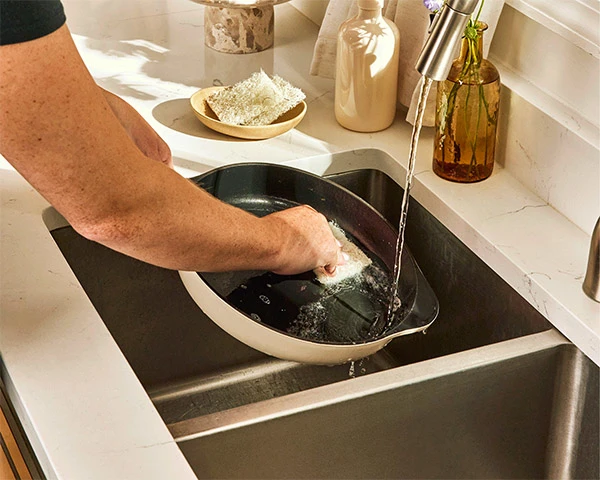
Apply the paste to the rusty areas and scrub gently with a brush or sponge. Rinse the tools after scrubbing to remove any residue.
- Mix equal parts vinegar and baking soda
- Use a soft brush for scrubbing
- Scrub rust spots until they fade
- Rinse and dry tools thoroughly
Credit: www.carawayhome.com
Baking Soda As A Rust Remover
Rust can damage kitchen tools and make them unsafe to use. Baking soda is a gentle cleaner that can help remove rust without harsh chemicals.
This method uses simple ingredients you likely have at home. It is safe and easy to apply on most metal kitchen tools.
Creating A Baking Soda Paste
Mix baking soda with water to make a thick paste. This paste will help lift rust from the surface of your tools.
- Use about three parts baking soda to one part water.
- Stir the mixture until it forms a thick paste.
- Adjust the amount of water to get the right consistency.
- The paste should be spreadable but not too runny.
Applying And Scrubbing
Apply the baking soda paste to the rusty areas of your kitchen tools. Let it sit for a while to break down the rust.
| Action | Details |
| Apply paste | Cover rust spots completely with the paste |
| Wait time | Leave it for 15 to 30 minutes |
| Scrubbing | Use a soft brush or cloth to scrub gently |
| Rinse | Wash off paste with warm water |
| Dry | Wipe dry to avoid new rust |
Lemon And Salt Technique
Rust can damage your kitchen tools and make them unsafe to use. The lemon and salt technique is a natural way to remove rust. It uses common household items and works well on many metal surfaces.
This method is easy, safe, and does not require harsh chemicals. Follow the steps below to clean your rusty kitchen tools effectively.
Applying The Mixture
First, sprinkle a generous amount of salt over the rusty parts of the tool. Then, cut a lemon in half and squeeze the juice onto the salt. Use the lemon half to scrub the rust gently. The acid in the lemon helps break down rust while the salt works as a mild abrasive.
- Cover all rusty areas with salt.
- Squeeze fresh lemon juice over the salt.
- Use the lemon half to scrub the surface.
- Let the mixture sit for 10 to 15 minutes.
- Repeat scrubbing if needed for tough rust spots.
Rinsing And Drying
After scrubbing, rinse the kitchen tools with warm water to remove the lemon and salt mixture. It is important to dry the tools thoroughly to stop new rust from forming. Use a clean towel to dry or let them air dry completely.
| Action | Details |
| Rinse | Use warm water to wash off residue |
| Dry | Wipe with a dry cloth or air dry fully |
| Store | Keep tools dry to prevent rust return |
Using Commercial Rust Removers
Rust on kitchen tools can make them look old and unsafe. Commercial rust removers help clean rust quickly.
These products are designed to remove rust without harming your tools. Use them carefully for best results.
Choosing The Right Product
Pick a rust remover made for kitchen tools. Some are gentle on metal but strong on rust.
Check the label to ensure it is safe for food contact items. Avoid harsh chemicals that can damage your tools.
- Look for non-toxic formulas
- Choose products for stainless steel or metal
- Avoid strong acids on delicate tools
- Read user reviews for effectiveness
Application Instructions
Wear gloves to protect your skin. Follow the product instructions closely to avoid damage.
Apply the rust remover on the rusted area. Let it sit for the time the instructions say.
- Use a brush or cloth to spread the remover
- Wait the recommended time, usually a few minutes
- Scrub gently with a soft brush or sponge
- Rinse well with water after treatment
- Dry the tool completely to stop new rust
Preventing Future Rust
Rust can damage your kitchen tools and make them unsafe to use. Preventing rust is better than fixing it later. Simple habits help keep your tools rust-free for a long time.
Good care stops moisture and air from causing rust. Follow easy tips on storage and maintenance to protect your kitchen tools.
Proper Storage Tips
Store kitchen tools in a dry place to avoid rust. Moisture is the main cause of rust, so keep tools away from water and steam.
Use containers or racks that allow air to flow. Avoid stacking tools tightly to stop moisture buildup.
- Dry tools completely before storing
- Use silica gel packs in storage areas
- Keep tools in a cool, dry cabinet
- Hang tools on racks for better air flow
- Cover tools with cloth to block dust and moisture
Regular Maintenance Advice
Clean kitchen tools after every use. Removing food and water stops rust from forming. Use mild soap and dry tools well.
Check tools often for small rust spots. Clean spots early to prevent bigger rust damage. Apply a thin coat of oil to metal parts for extra protection.
- Wash tools with warm, soapy water
- Dry with a soft cloth right after washing
- Inspect tools regularly for rust spots
- Use fine sandpaper or a brush to remove small rust patches
- Apply food-safe mineral oil to metal surfaces

Credit: www.crcindustries.com
Frequently Asked Questions
How Can I Remove Rust From Kitchen Tools Naturally?
You can use white vinegar or lemon juice to remove rust naturally. Soak the tools for a few hours, then scrub with a brush. Rinse and dry thoroughly to prevent further rusting. This method is safe and eco-friendly for kitchen utensils.
What Household Items Effectively Remove Rust From Utensils?
Common items like baking soda, vinegar, lemon, and salt work well. Make a paste or soak the tool, scrub gently, then rinse. These household ingredients are affordable and non-toxic, making rust removal easy and safe for kitchen tools.
How Do I Prevent Rust On Kitchen Tools After Cleaning?
Dry tools immediately after washing to prevent moisture buildup. Apply a thin coat of mineral oil or food-safe oil to protect metal surfaces. Store utensils in a dry place to avoid rust formation. Regular maintenance keeps kitchen tools rust-free.
Is It Safe To Use Steel Wool On Kitchen Tools?
Yes, steel wool can remove rust effectively but use it gently. Avoid abrasive scrubbing on delicate surfaces to prevent scratches. After cleaning, wash thoroughly and dry tools well. Steel wool is a practical rust remover for sturdy kitchen utensils.
Conclusion
Rust on kitchen tools can damage their use and look. Regular cleaning stops rust from growing. Simple home remedies work well to remove rust fast. Always dry tools completely after washing to keep rust away. Use these easy steps to keep your kitchen tools safe and clean.
Taking care of your tools saves money and time. Rust-free tools help you cook better and safer. Try these tips today and enjoy your kitchen more.