
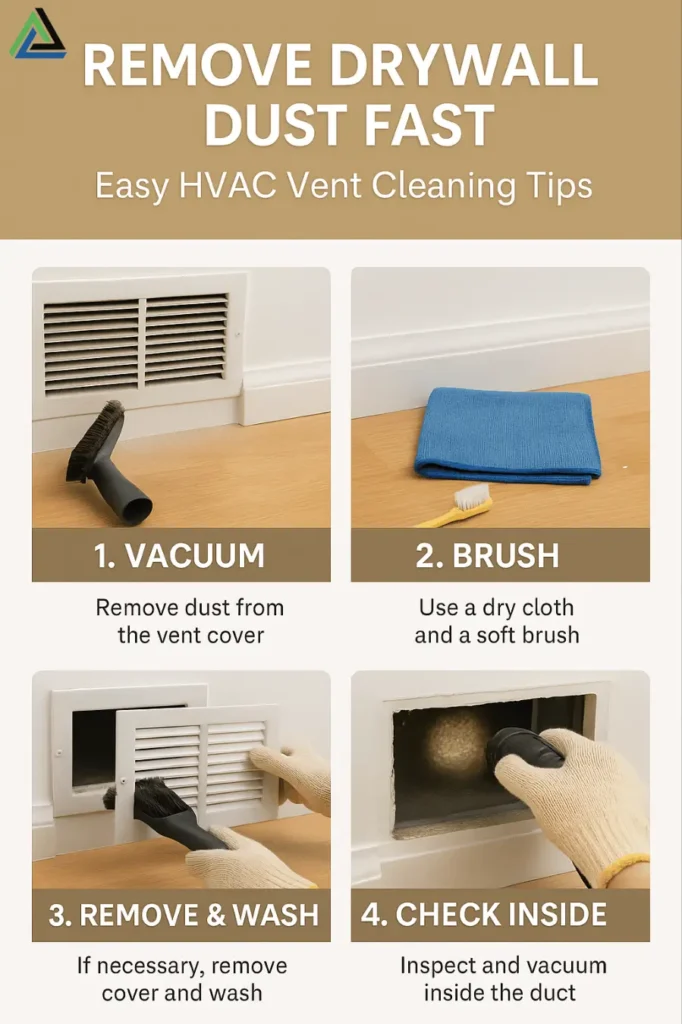
Are your air vents looking dusty or clogged? Cleaning them might seem like a small chore, but it can make a huge difference in your home’s air quality and comfort.
You might not realize it, but dirty vents can spread allergens and reduce how well your heating or cooling works. The good news? With the right tips, you can easily keep your vents clean and breathe fresher air every day.
Keep reading, and you’ll discover simple, effective ways to clean your air vents like a pro. Your home—and your health—will thank you.
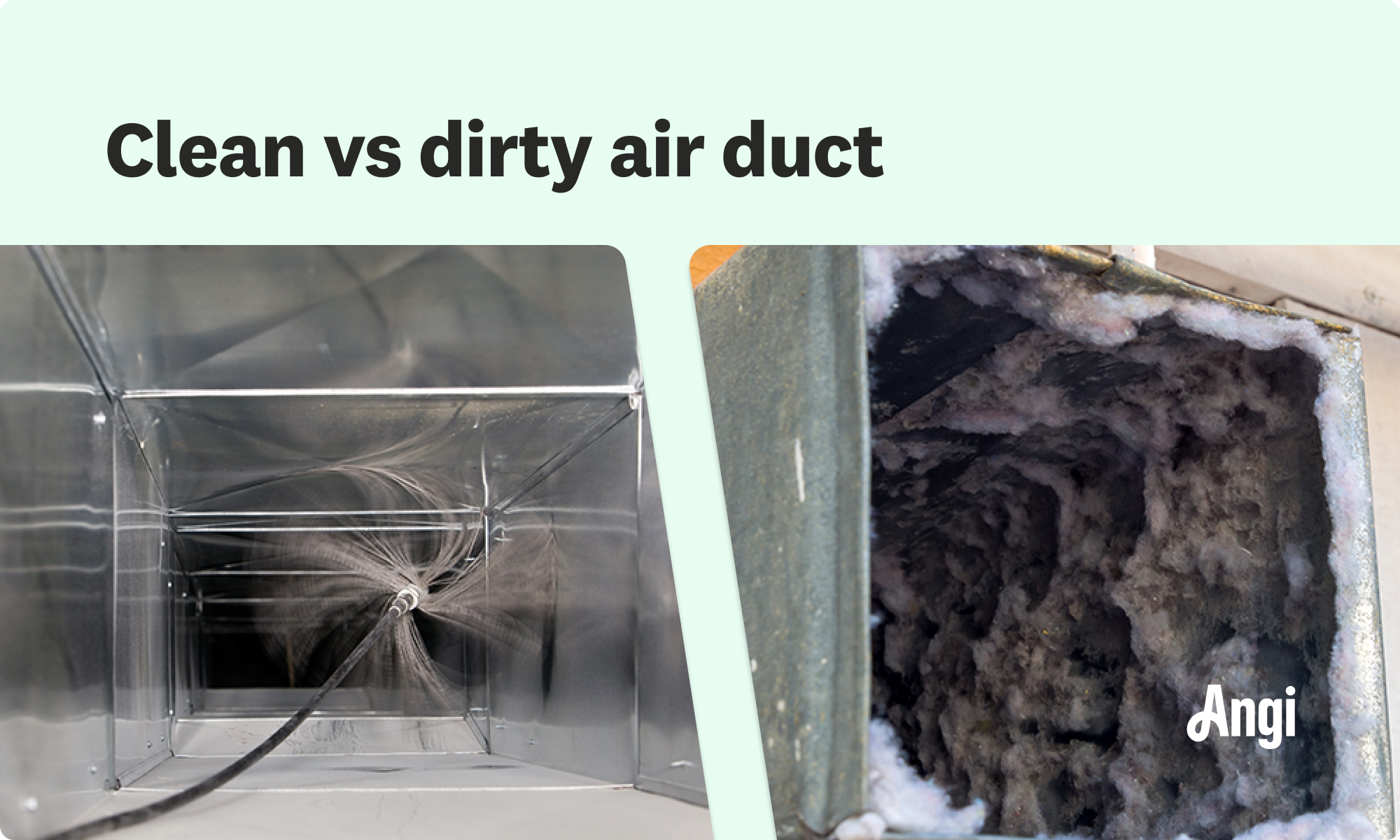
Credit: www.angi.com
Benefits Of Clean Air Vents
Clean air vents help your home stay fresh and healthy. They improve air flow and reduce dust.
Regular cleaning of air vents can save energy and lower bills. It also keeps your HVAC system working well.
Improved Air Quality
Dust and allergens build up in dirty air vents. Cleaning removes these harmful particles. This helps people breathe easier and feel better.
Energy Savings
Clogged vents make your heating and cooling system work harder. This wastes energy and costs more money. Clean vents let air flow smoothly, saving power.
Longer Hvac Life
When vents are clean, your HVAC system does not wear out quickly. This means fewer repairs and less need to replace parts.
Reduced Allergies And Illness
Dirty vents spread dust, mold, and bacteria. Cleaning stops these from spreading in your home. It helps reduce allergy and asthma symptoms.
- Removes dust mites and pet dander
- Prevents mold growth
- Reduces airborne bacteria and viruses
Better Comfort
Clean vents help keep your rooms at the right temperature. Air flows evenly, so no hot or cold spots appear.
| Benefit | Effect |
| Improved Air Quality | Healthier breathing and less dust |
| Energy Savings | Lower electricity bills |
| Longer HVAC Life | Fewer repairs and replacements |
| Reduced Allergies | Less sneezing and coughing |
| Better Comfort | Even room temperatures |
Identifying Dirty Air Vents
Dirty air vents can reduce air quality in your home. They also make your HVAC system work harder.
It is important to know how to spot dirty vents. This helps you clean them on time.
Visible Dust And Dirt
Look closely at your air vents. If you see dust or dirt on the surface, they need cleaning.
Dust can build up over time and block airflow. This makes your room less comfortable.
Reduced Airflow
Check if the air coming from vents feels weak. Blocked vents often cause poor airflow.
Less air means your HVAC system may be clogged with dust inside the vents.
Unpleasant Odors
If you smell musty or dusty odors near vents, dirt or mold might be present.
These smells are signs that vents need thorough cleaning to improve air quality.
Increased Allergy Symptoms
Notice if allergy symptoms get worse inside your home. Dirty vents can spread allergens.
Cleaning vents reduces dust and helps improve your breathing and comfort.
Visible Mold Growth
Look inside vents for black or green spots. These can be mold growing on damp dirt.
Mold needs immediate cleaning to keep your home safe and healthy.
Gathering Essential Tools
Cleaning air vents requires the right tools for a safe and effective job.
Having all essential tools ready helps you work faster and cleaner.
Vacuum Cleaner With Attachments
A vacuum cleaner is the best tool to remove dust and debris inside vents.
Use brush and crevice attachments to reach tight spaces.
Screwdrivers And Nut Drivers
You will need screwdrivers or nut drivers to remove vent covers.
Check the screws on your vents to pick the right size and type.
Cleaning Brushes And Cloths
Brushes help loosen dirt stuck inside vents.
- Soft-bristled brush for delicate vents
- Small wire brush for tough spots
- Microfiber cloths for wiping surfaces
Protective Gear
Wear gloves and a mask to protect yourself from dust and allergens.

Credit: mcagroup.ca
Diy Cleaning Methods
Cleaning air vents at home helps improve air quality and keeps your system efficient. You can do this yourself with simple tools and safe methods.
Use easy techniques to remove dust and dirt from vents. Regular cleaning prevents buildup and helps your vents work better.
Vacuuming Techniques
Vacuuming is a fast way to clean air vents. Use a vacuum cleaner with a brush attachment to remove dust gently.
First, remove the vent cover carefully. Vacuum inside the duct as far as the hose reaches. Clean the cover separately.
- Use a soft brush attachment to avoid damage
- Move the vacuum slowly to pick up dust
- Vacuum both the vent cover and duct opening
- Wear a mask to avoid inhaling dust
Using Cleaning Solutions
You can use mild cleaning solutions to remove grime from vent covers. Mix water with a small amount of dish soap for a safe cleaner.
Soak a cloth or sponge in the solution and wipe the vent cover. Avoid soaking vents inside ducts to prevent moisture issues.
- Use warm water and gentle soap
- Wipe vent covers with a damp cloth
- Dry covers completely before reinstalling
- Do not spray liquid directly into vents
Brushing And Dusting
Brushing helps remove dust from vents and duct openings. Use a soft brush or microfiber cloth to clean hard-to-reach areas.
Dust the vent covers regularly to prevent buildup. A small paintbrush or a dusting brush works well for this task.
- Use a soft brush for delicate surfaces
- Dust vents weekly to keep them clean
- Brush inside the vent opening carefully
- Wear gloves to protect your hands
Professional Cleaning Services
Air vents collect dust and debris over time. This buildup can reduce air quality and system efficiency.
Professional cleaning services help keep air vents clean and working well. They use special tools and skills for thorough cleaning.
When To Call A Professional
Some signs show it is time to get expert help for air vent cleaning. Look for these warning signals:
- Visible dust buildup on vents and grilles
- Unusual odors coming from the vents
- Increased dust in rooms after cleaning
- Allergy or asthma symptoms worsen
- System performance drops or noises increase
What To Expect From A Service
Professional air vent cleaning includes several key steps to ensure clean and healthy airflow.
| Step | Description |
| Inspection | Check vents and ducts for dirt and damage |
| Cleaning | Use brushes and vacuums to remove dust and debris |
| Sanitizing | Apply safe disinfectants to kill germs and mold |
| Final Check | Verify vents are clean and system works properly |
Preventing Future Buildup
Cleaning air vents is important to keep your home air fresh. Stopping dust and dirt from building up saves time and effort.
Regular care helps your vents work well and keeps the air healthy to breathe.
Regular Maintenance Tips
Check your air vents every month for dust or debris. Use a soft brush or vacuum to clean the vent covers gently.
Keep the area around vents clean and free from clutter. This helps air flow smoothly and reduces buildup inside the ducts.
- Dust vent covers weekly with a microfiber cloth
- Vacuum vents every one to two months
- Keep floors and furniture away from vents
- Seal gaps around vents to stop dirt entry
Air Filter Replacement
Change your air filters regularly to prevent dust from reaching vents. Dirty filters let dust pass through and settle inside ducts.
Check filters every month and replace them every three months or as needed. Use the right size and type of filter for your system.
- Inspect filters monthly for dirt and damage
- Replace filters every 90 days or sooner
- Use high-quality filters to trap more dust
- Follow manufacturer instructions for filter type
Health Impacts Of Clean Air
Clean air is very important for our health. Air vents help move fresh air inside homes.
Dirty air vents can cause dust and germs to spread. This can make breathing hard and cause sickness.
Improved Breathing
Clean air vents let fresh air flow easily. This helps lungs get more oxygen.
People with asthma or allergies can breathe better with clean vents.
Reduced Allergens And Irritants
Dust, pollen, and pet dander gather in dirty vents. Cleaning stops these allergens from spreading.
- Less sneezing and coughing
- Fewer allergy attacks
- Lower risk of skin irritation
Lower Risk Of Illness
Dirty vents can carry germs and bacteria. Cleaning helps remove these harmful particles.
Breathing cleaner air helps your body fight colds and flu better.
Better Sleep Quality
Clean air vents reduce dust and mold in the bedroom. This helps you breathe easier at night.
Good air quality can help you sleep longer and feel more rested.
Enhanced Overall Well-being
Fresh air supports brain function and mood. Clean vents help keep your home environment healthy.
People feel more energetic and focused with clean air.
Common Mistakes To Avoid
Cleaning air vents helps keep your home fresh and safe. Many people make mistakes that reduce cleaning effectiveness.
Avoiding these errors saves time and improves air quality. Here are common mistakes to watch out for.
Skipping The Power Off Step
Always turn off your HVAC system before cleaning vents. Dust or debris can enter the system if it runs during cleaning.
Cleaning with the system on can spread dust into your home. This makes the air dirtier, not cleaner.
Using The Wrong Cleaning Tools
Using harsh brushes or large tools can damage vents. Choose soft brushes or vacuum attachments made for vents.
- Soft-bristle brush to loosen dust
- Vacuum with narrow nozzle for tight spaces
- Microfiber cloth for wiping surfaces
Neglecting Deep Cleaning
Cleaning only vent covers leaves dust inside ducts. Deep cleaning reaches inside vents and ducts for better air.
Use long vacuum attachments or call a professional if needed for deep cleaning.
Forgetting To Clean Or Replace Filters
Dirty filters reduce airflow and trap dust near vents. Clean or replace filters regularly to keep air flowing well.
Check filters every 1-3 months depending on usage and change if dirty or clogged.
Using Water Incorrectly
Water can damage vents and ductwork if used carelessly. Avoid soaking vents or using water inside ducts.
Use a damp cloth for vent covers and dry them fully before reinstalling.
Ignoring Safety Precautions
Cleaning vents often requires reaching high places. Use a sturdy ladder and avoid overreaching to prevent falls.
Wear a mask to avoid breathing in dust. Gloves protect your hands during cleaning.

Credit: guides.air-care.com
Frequently Asked Questions
How Often Should I Clean My Air Vents?
Cleaning air vents every 3 to 6 months is ideal. Regular cleaning prevents dust buildup and improves air quality. Homes with pets or allergies might need more frequent cleaning to maintain healthy airflow and reduce allergens.
What Tools Are Best For Cleaning Air Vents?
Use a vacuum with a brush attachment, microfiber cloth, and a small brush. These tools effectively remove dust and debris without damaging the vents. Avoid harsh chemicals to keep vents safe and clean.
Can Dirty Air Vents Affect My Health?
Yes, dirty air vents can circulate dust, mold, and allergens. This worsens respiratory issues and allergies. Regular cleaning ensures cleaner air, reducing health risks and improving overall indoor air quality.
Should I Clean Air Vents Myself Or Hire Professionals?
You can clean vents yourself with basic tools for routine maintenance. However, professional cleaning is recommended annually for deep cleaning and mold removal. Professionals ensure thorough cleaning and system efficiency.
Conclusion
Cleaning air vents keeps your home’s air fresh and healthy. Regular care stops dust and allergens from building up. Use simple tools like brushes and vacuum cleaners for best results. Check vents often to catch dirt early. Clean vents help your heating and cooling systems work better.
Take small steps each month to maintain clean air vents. A little effort goes a long way for cleaner air. Keep your home safe and comfortable by cleaning vents regularly. Easy to do, and worth the time.