
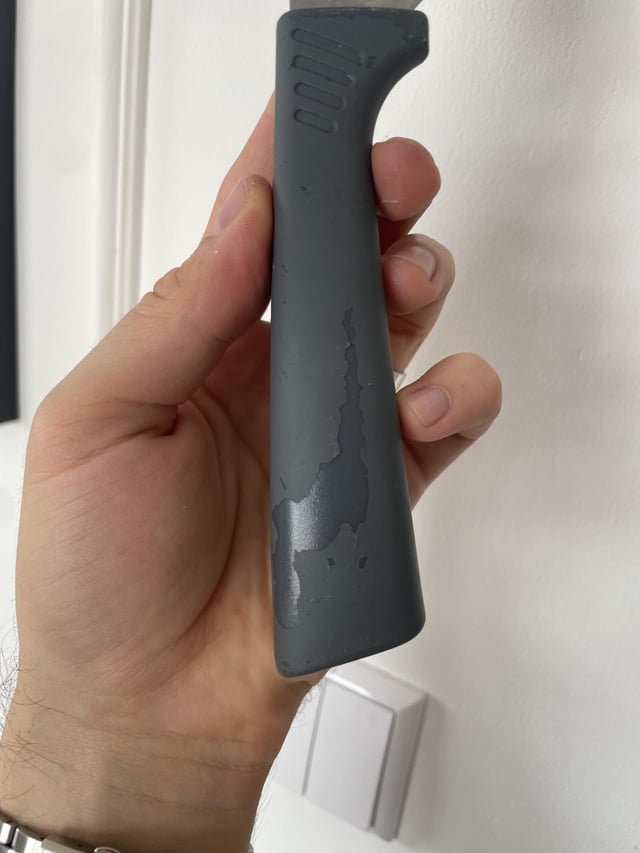
Your knife is more than just a tool in the kitchen—it’s something you rely on every day. But have you ever stopped to think about how clean your knife handles really are?
Dirt, grease, and germs can build up in ways you might not notice, making your knives less safe to use. If you want to keep your kitchen tools spotless and extend their life, knowing how to clean knife handles properly is key.
Keep reading, and you’ll discover simple, effective tips that anyone can follow to make your knives look and feel like new again.
Credit: www.victorinox.com
Choosing The Right Cleaning Materials
Cleaning knife handles is important for safety and hygiene. Using the right materials helps keep handles in good shape. The wrong products can damage the handle or make it slippery.
It is best to select cleaning materials that are gentle yet effective. This guide covers supplies that work well and options that are kind to the environment.
Essential Cleaning Supplies
Choose cleaning items that remove dirt without harming the handle. Different materials may need different care. Soft cloths and mild soaps often work best.
- Soft microfiber cloths to avoid scratches
- Mild dish soap to clean grease and grime
- Warm water for gentle rinsing
- Soft-bristle brushes for textured handles
- Isopropyl alcohol for disinfecting without damage
Environmentally Friendly Options
Use eco-friendly cleaners that do not harm the earth or your health. Natural products can clean well and reduce chemical waste.
| Product | Type | Benefits |
| White Vinegar | Natural Cleaner | Kills bacteria, biodegradable |
| Baking Soda | Gentle Abrasive | Removes stains safely |
| Castile Soap | Plant-Based Soap | Non-toxic, biodegradable |
| Reusable Cloths | Cleaning Tool | Reduces waste, washable |

Credit: www.youtube.com
Cleaning Wooden Knife Handles
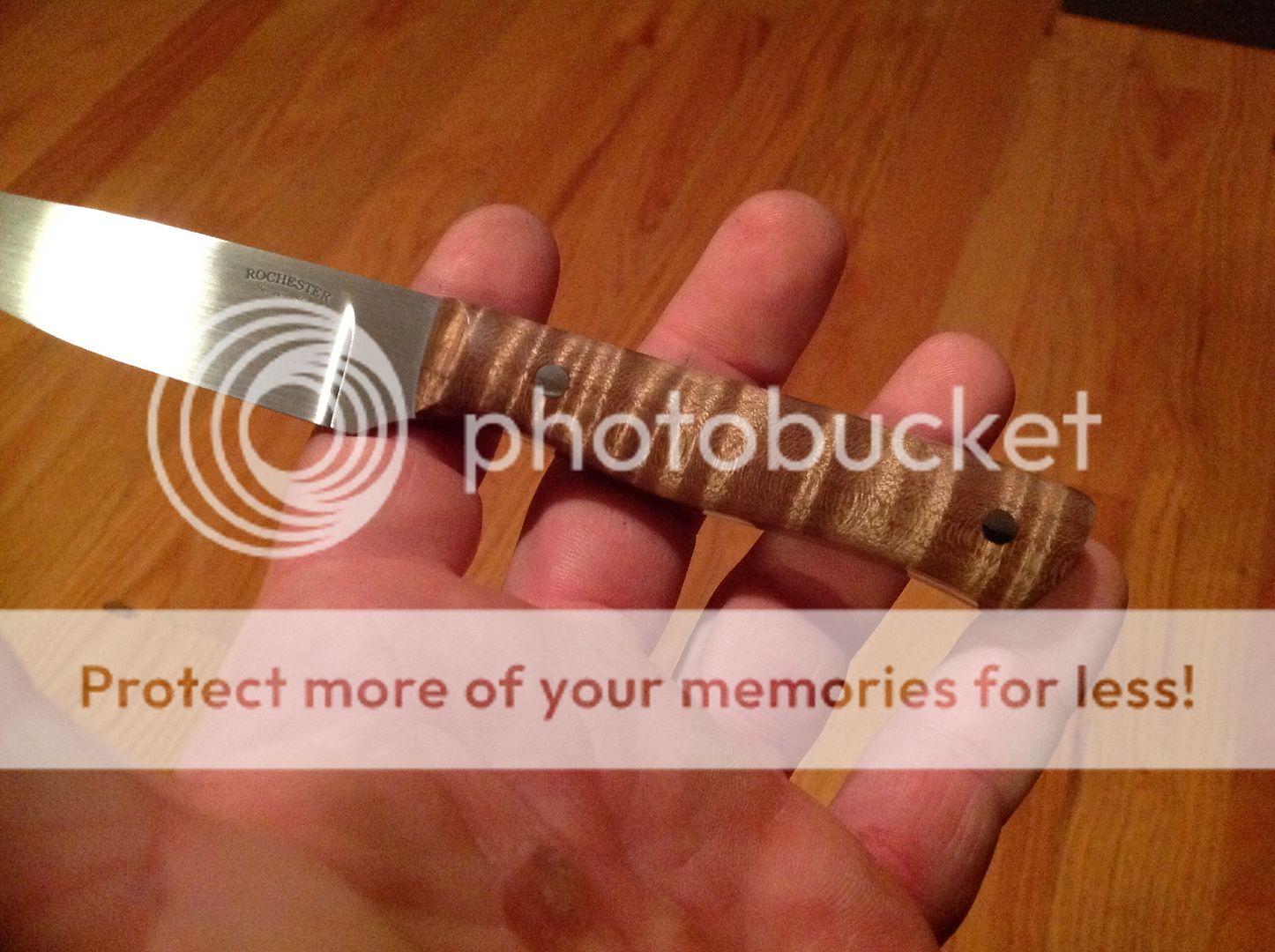
Wooden knife handles need careful cleaning. Water and harsh chemicals can damage the wood.
Use gentle methods to keep the wood strong and looking good for a long time.
Gentle Cleaning Techniques
Start by wiping the handle with a soft, damp cloth. Avoid soaking the wood in water.
If needed, add a small drop of mild soap to the cloth. Gently rub the handle, then wipe with a clean damp cloth.
- Use lukewarm water only
- Do not submerge the handle
- Dry immediately with a soft towel
- Avoid rough scrubbing
Protecting Wood Finish
After cleaning, apply a food-safe oil to protect the wood. This keeps it from drying out and cracking.
Use oils like mineral oil or beeswax. Rub a small amount into the handle and let it soak in before wiping off excess.
- Apply oil once a month or after cleaning
- Use a soft cloth for application
- Store knives in a dry place
- Avoid dishwasher cleaning
Caring For Plastic Handles
Plastic knife handles need gentle care to last longer. Cleaning them properly keeps them safe and looking good.
Use safe methods to avoid damage and keep your knives in great shape for daily use.
Safe Cleaning Methods
Wash plastic handles with warm, soapy water after each use. Use a soft cloth or sponge to avoid scratches.
- Use mild dish soap and warm water
- Clean with a soft sponge or cloth
- Rinse thoroughly to remove soap
- Dry with a clean towel immediately
- Do not soak handles for long periods
Avoiding Damage
Plastic handles can crack or fade if treated roughly. Avoid harsh chemicals and extreme heat.
| What to Avoid | Reason |
| Bleach or strong cleaners | Can weaken plastic and cause cracks |
| Dishwasher heat | May warp or discolor handles |
| Scrubbing pads | Can scratch and damage surface |
| Prolonged soaking | Water may seep inside and loosen handle |
Maintaining Metal Knife Handles
Metal knife handles add strength and style to your kitchen tools. Keeping them clean helps them last longer and look better.
Proper care prevents damage like rust and dullness. Simple steps can keep your handles shiny and safe to use.
Rust Prevention Tips
Rust can ruin metal handles if left unchecked. Use these tips to stop rust from forming and protect your knives.
- Dry handles thoroughly after washing to remove moisture.
- Store knives in a dry place away from humidity.
- Apply a light coat of mineral oil to metal surfaces.
- Avoid leaving knives in water or damp sinks.
- Use a soft cloth to clean handles instead of abrasive materials.
Polishing For Shine
Polishing metal handles restores their shine and removes small scratches. Follow this table to polish safely at home.
| Material | Polishing Method | Products to Use |
|---|---|---|
| Stainless Steel | Rub gently with a microfiber cloth | Stainless steel polish or baking soda paste |
| Chrome | Buff with a soft cloth in circular motions | Chrome polish or lemon juice and water mix |
| Aluminum | Use a damp cloth and mild polish | Aluminum polish or vinegar solution |
Cleaning Composite And Resin Handles
Composite and resin knife handles look great and last long. They need proper care to stay clean and strong. Dirt and oils can build up on these handles after use.
Cleaning these handles correctly keeps them safe from damage. Use gentle methods to avoid hurting the surface.
Effective Cleaning Approaches
Start by wiping the handle with a soft cloth to remove loose dirt. Use mild soap mixed with warm water for deeper cleaning.
A soft toothbrush can help clean small grooves on the handle. Avoid soaking the handle in water for a long time.
- Use mild dish soap and warm water
- Wipe with a soft cloth or sponge
- Gently scrub with a soft toothbrush for crevices
- Do not soak the handle in water
- Dry the handle completely after cleaning
Maintaining Durability
Keep the handle dry to prevent damage and warping. Avoid using harsh chemicals or abrasive cleaners that can scratch the surface.
Store knives in a dry place to protect the handle. Regular cleaning and careful handling help the handle last longer.
- Dry the handle fully after each cleaning
- Use gentle cleaning products only
- Store knives away from moisture
- Avoid dropping or banging the handle
- Inspect the handle regularly for cracks
Routine Care And Maintenance
Keeping knife handles clean is important for safety and durability. Dirt and germs can build up if you don’t clean them regularly.
Simple care steps help your knife handles last longer and stay comfortable to hold.
Regular Cleaning Schedule
Clean your knife handles after every use. This removes food residue and stops germs from growing.
Use warm water and mild soap. Avoid soaking handles in water for too long, especially wooden ones.
- Wipe handles with a soft cloth or sponge
- Rinse with warm water
- Dry handles completely with a towel
- Store knives in a dry place
Long-term Care Tips
Check your knife handles often for cracks or damage. Fix small issues before they get worse.
For wooden handles, apply food-safe mineral oil monthly. This keeps the wood from drying out and cracking.
- Avoid dishwasher use for wooden or delicate handles
- Use gentle cleaning tools to prevent scratches
- Keep knives away from extreme heat or cold
- Sharpen blades carefully to avoid slipping and handle damage
Common Mistakes To Avoid
Cleaning knife handles is important for safety and hygiene. Many people make mistakes that can damage the handles or shorten their life.
Knowing what to avoid helps keep your knives in good shape and safe to use every day.
Over-cleaning Risks
Cleaning knife handles too often or too hard can cause damage. Some materials may wear out or crack if scrubbed too much.
- Scrubbing wooden handles with rough brushes can remove the finish.
- Washing handles too many times daily can dry out the material.
- Soaking knives in water for hours weakens the handle joints.
- Using abrasive pads can scratch or ruin the handle surface.
Using Harsh Chemicals
Strong chemicals may clean well but can harm knife handles. Some materials react badly and become weak or discolored.
| Chemical Type | Effect on Handles | Handle Material at Risk |
| Bleach | Causes discoloration and brittleness | Wood, Plastic |
| Ammonia | Weakens glue joints and finishes | Wood, Composite |
| Strong Detergents | Removes protective coatings | Wood, Resin |
| Alcohol-based Cleaners | Dries out natural materials | Wood, Leather |
Credit: www.bladeforums.com
Frequently Asked Questions
How Do I Clean Wooden Knife Handles Safely?
Use mild soap and warm water to clean wooden handles. Avoid soaking them to prevent cracking. Dry immediately with a soft cloth to maintain the wood’s quality and prevent damage.
What Is The Best Way To Clean Plastic Knife Handles?
Plastic handles can be cleaned with warm soapy water and a soft brush. Avoid harsh chemicals to prevent discoloration. Rinse thoroughly and dry completely to keep the handle in good condition.
Can I Use Bleach To Clean Knife Handles?
Bleach is not recommended for cleaning knife handles. It can damage the material and cause discoloration. Use mild soap and water instead for a safe and effective clean.
How Often Should I Clean My Knife Handles?
Clean knife handles after every use to remove food residue and bacteria. Regular cleaning ensures hygiene and prolongs the handle’s lifespan. It also keeps your knives looking new and safe to use.
Conclusion
Cleaning knife handles keeps them safe and lasts longer. Use gentle soap and warm water for daily cleaning. Avoid harsh chemicals that can damage the handle material. Dry handles well to stop water spots or slipping. Regular care helps knives stay nice and ready to use.
A clean handle feels better in your hand. Simple steps make a big difference every day. Keep your knives clean, and they will serve you well. Easy habits protect your tools and improve kitchen safety.