
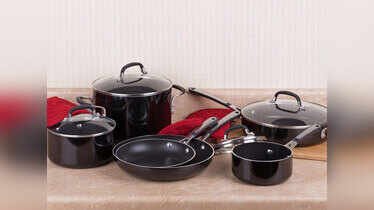
You’ve invested in non-stick cookware because it makes cooking easier and cleanup faster. But scratches can ruin that smooth surface, making your pans less effective and shortening their life.
If you want to keep your non-stick pots and pans looking new and working perfectly, you need to know the right steps to protect them. You’ll discover simple, practical tips that you can start using today to prevent scratches and get the most out of your cookware.
Keep reading—your kitchen will thank you!

Credit: cookdinehost.com
Choosing The Right Utensils
Using the correct utensils helps protect your non-stick cookware. The right tools prevent scratches and keep the surface smooth.
Scratches can damage the coating and reduce cookware life. Choose utensils that are gentle on the surface.
Silicone And Wooden Options
Silicone and wooden utensils are soft and safe for non-stick pans. They do not scratch or harm the coating.
Silicone utensils are heat resistant and flexible. Wooden spoons and spatulas are sturdy and natural.
- Use silicone spatulas for stirring and flipping
- Wooden spoons work well for mixing and serving
- Both types prevent damage to the non-stick layer
Avoiding Metal Tools
Metal utensils can scratch and chip non-stick surfaces. Avoid using forks, knives, or metal spatulas on these pans.
If you use metal tools, the coating may peel, causing food to stick and cookware to wear out faster.
- Do not use metal whisks or tongs
- Replace metal tools with silicone or wooden ones
- Check utensils for sharp edges before use

Credit: www.amazon.co.uk
Proper Cleaning Techniques
Cleaning non-stick cookware the right way keeps it safe from scratches. Gentle care helps the coating last longer.
Use soft tools and mild soaps. Avoid harsh methods that can damage the surface.
Gentle Hand Washing
Wash your cookware by hand with warm water and mild dish soap. Avoid using the dishwasher as it can wear down the coating.
- Use a soft sponge or cloth
- Rinse thoroughly to remove soap
- Dry with a soft towel to prevent water spots
- Clean soon after cooking to avoid food sticking
Avoiding Abrasive Scrubbers
Never use steel wool or rough scrubbers on non-stick surfaces. These tools cause scratches and ruin the coating.
| Safe Scrubbers | Unsafe Scrubbers |
| Soft sponges | Steel wool |
| Non-abrasive pads | Scouring pads |
| Microfiber cloths | Metal brushes |
Cooking Practices To Avoid
Non-stick cookware makes cooking easier, but it needs care. Some cooking habits can damage the coating.
Avoiding certain practices helps keep your pans scratch-free and lasting longer.
High Heat Risks
Using very high heat can ruin the non-stick surface. The coating may break down and peel off.
Always cook on low to medium heat. This keeps the pan safe and your food cooks well.
- Avoid preheating empty pans on high heat
- Turn heat down once food starts cooking
- Use heat settings recommended by the manufacturer
Using The Right Oils
Choose oils that suit non-stick pans. Some oils burn quickly and harm the coating.
Oils with high smoke points protect your cookware better during cooking.
- Use oils like avocado, canola, or grapeseed
- Avoid butter or olive oil on high heat
- Clean the pan well after cooking with oil

Credit: www.amazon.in
Storage Solutions
Keeping your non-stick cookware scratch-free starts with smart storage. Proper storage protects the coating and extends the life of your pans. Avoid careless stacking and rough surfaces inside cabinets.
Using the right methods can prevent damage and keep your cookware looking new. Choose gentle ways to store your pots and pans to keep them safe.
Stacking With Care
Stacking pots and pans without protection can cause scratches on non-stick surfaces. Always place soft materials between each piece to avoid direct contact.
- Use cloth towels or paper towels as separators.
- Stack cookware by size, with the heaviest at the bottom.
- Avoid piling many items to reduce pressure on the coating.
- Store lids separately to prevent scratching.
Protective Liners
Protective liners add an extra layer to keep your cookware safe during storage. These liners prevent metal or hard surfaces from scratching your pans.
| Type of Liner | Material | Benefits |
| Silicone Mats | Flexible Silicone | Non-slip, heat resistant |
| Felt Pads | Soft Felt | Protects against scratches, lightweight |
| Cork Sheets | Natural Cork | Eco-friendly, cushions cookware |
Regular Maintenance
Keeping your non-stick cookware in good shape extends its life. Regular maintenance helps prevent scratches and damage.
Simple care routines protect the surface and keep cooking safe and easy.
Seasoning The Cookware
Seasoning adds a protective layer to your cookware. It reduces the chance of scratches and makes cleaning easier.
- Wash with warm water and mild soap before seasoning.
- Dry the pan completely with a soft cloth.
- Apply a thin layer of cooking oil over the surface.
- Heat the pan on low for 10 minutes, then let it cool.
- Wipe off excess oil with a paper towel.
Inspecting For Damage
Regular checks help spot scratches or dents early. Fix small issues before they get worse.
| Type of Damage | What to Look For | Action to Take |
| Scratches | Visible marks on the non-stick surface | Stop using metal tools; season the pan |
| Dents | Deformed edges or bottom | Avoid dropping; replace if cooking is uneven |
| Peeling | Flaking or coming off of coating | Stop use; consider replacement for safety |
Choosing Quality Cookware
Choosing the right cookware helps prevent scratches on non-stick surfaces. Quality cookware lasts longer and keeps food from sticking.
Investing in good cookware means you protect your pans and cook better meals every day.
Trusted Brands
Trusted brands use better materials and strict quality checks. Their non-stick pans resist scratches and last longer.
Buying from well-known brands gives you confidence in your cookware’s durability and safety.
- Brands with good reviews offer reliable non-stick coatings
- Top brands provide warranties on their products
- They often test pans for scratch resistance
Durable Materials
Durable materials in cookware protect the non-stick surface from damage. Look for pans made with strong bases and coatings.
Materials like hard-anodized aluminum or ceramic coatings offer more resistance to scratches than cheaper options.
- Hard-anodized aluminum is tough and scratch resistant
- Ceramic coatings are hard and easy to clean
- Multi-layer coatings improve durability
- Stainless steel bases provide stability and heat
Frequently Asked Questions
How To Clean Non-stick Cookware Without Scratching?
Use a soft sponge or cloth with mild dish soap. Avoid abrasive cleaners or steel wool. Hand wash gently to maintain the coating. Dry immediately to prevent water spots and damage.
What Utensils Are Safe For Non-stick Cookware?
Use wooden, silicone, or plastic utensils. Avoid metal tools that can scratch and damage the coating. These safe utensils help maintain the cookware’s non-stick surface longer.
Can High Heat Damage Non-stick Cookware?
Yes, excessive heat can degrade the coating. Use low to medium heat for cooking. High heat may cause the non-stick surface to peel or release harmful fumes.
How To Store Non-stick Cookware Properly?
Stack pans with a soft cloth or paper towel between them. Avoid stacking directly to prevent scratches. Proper storage keeps the coating intact and extends cookware life.
Conclusion
Protect your non-stick cookware by using soft tools and gentle cleaning. Avoid metal utensils and abrasive scrubbers that can cause damage. Store pans carefully to prevent scratches from stacking or sharp items. Regular care helps your cookware last longer and cook better.
Small habits make a big difference in keeping your pans smooth. Enjoy cooking without worry by protecting your non-stick surfaces daily. Simple steps keep your kitchen tools safe and efficient over time.