
Your bathroom sink is one of the busiest spots in your home. It gets dirty fast, with soap scum, toothpaste, and grime building up every day.
If you don’t clean it properly, it can start to look dull and even smell unpleasant. But don’t worry—cleaning your bathroom sink doesn’t have to be a chore. You’ll discover simple, effective ways to make your sink sparkle again. Keep reading, and you’ll learn easy tips that save you time and effort while giving your bathroom a fresh, clean feel you’ll love.
Gather Essential Cleaning Supplies
Cleaning a bathroom sink needs the right tools. Gather all supplies before you start.
This helps you work faster and cleaner without interruptions.
Cleaning Agents
Choose effective cleaners for soap scum, stains, and germs. Mild cleaners protect sink surfaces.
- All-purpose bathroom cleaner
- Baking soda for scrubbing
- White vinegar for shine and disinfecting
- Dish soap for gentle cleaning
Cleaning Tools
Use tools that reach all sink areas. Soft tools avoid scratches on surfaces.
- Soft sponge or cloth
- Old toothbrush for tight spots
- Microfiber towel for drying
- Rubber gloves to protect hands
Additional Supplies
| Supply | Use |
| Bucket | Hold water or cleaning mix |
| Spray bottle | Apply vinegar or cleaner |
| Paper towels | Quick wipe and dry |
| Garbage bag | Dispose of trash and wipes |
:max_bytes(150000):strip_icc()/SPR-how-pro-cleaners-clean-a-sink-11781060-6d7babfdf0074ca79564864a6c7325dd.jpg)
Credit: www.thespruce.com
Clear The Sink Area
Cleaning your bathroom sink starts with clearing the area. Remove all items on and around the sink.
This step makes cleaning easier and helps you reach every corner of the sink.
Remove Personal Items
Take away toothbrushes, soap dishes, and any bottles on the sink. These items can block your cleaning.
Put them in a safe place where they won’t get wet or dirty.
Clear The Countertops
Wipe off the countertops and put away things like makeup, razors, or towels. This clears space for cleaning.
A clean countertop helps you see dirt and grime that need cleaning.
Check The Drain Area
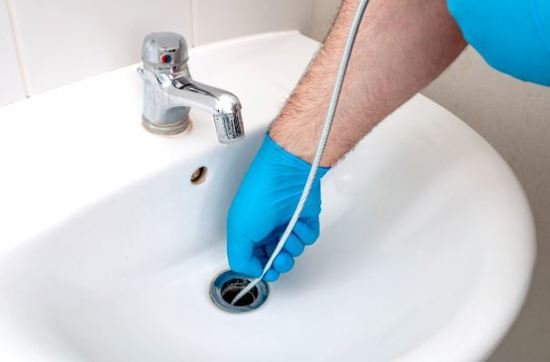
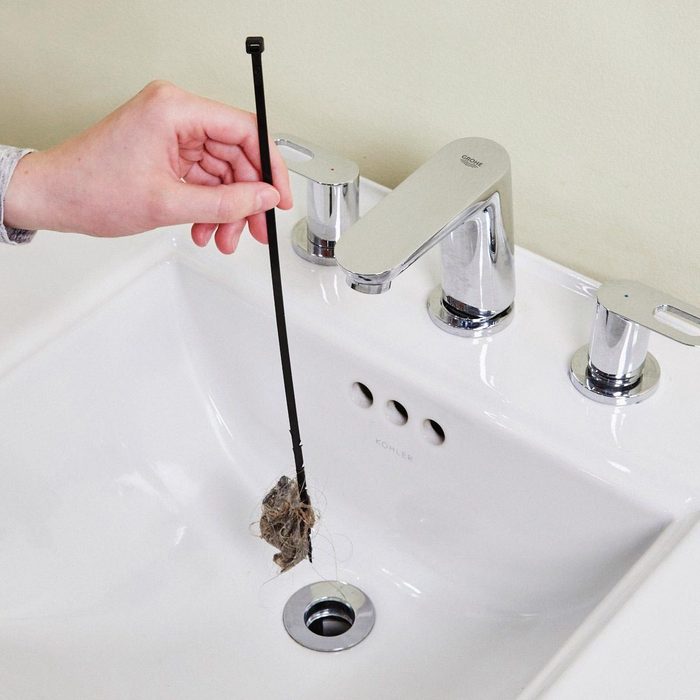
Look at the drain and remove any hair or debris. This helps the sink drain better and prevents clogs.
Use gloves or a small tool to pull out stuck debris carefully.
Remove Surface Debris
Cleaning bathroom sinks starts with removing surface debris. Dirt, hair, and soap scum can build up quickly. Clearing these makes the sink easier to clean.
Use simple tools and gentle methods to avoid scratching the sink surface. This step helps maintain a fresh and clean bathroom.
Gather Cleaning Tools
Collect the right tools before you begin. Having everything ready saves time and effort.
- A soft cloth or sponge
- A small brush or old toothbrush
- Paper towels
- A trash bin or bag
- Mild cleaning spray or soapy water
Clear Loose Debris
Start by removing any hair, dust, or crumbs from the sink surface. Use your hands or a dry cloth to pick up loose debris.
Dispose of the debris in the trash bin. Avoid rinsing debris down the drain to prevent clogs.
Wipe The Sink Surface
Dampen a soft cloth or sponge with mild cleaning spray or soapy water. Gently wipe the entire sink surface to remove sticky residue.
| Surface Area | Cleaning Tip |
| Sink Basin | Use circular motions with a soft sponge |
| Faucet Handles | Use a toothbrush to reach small areas |
| Drain Area | Wipe carefully to remove buildup |
Dry the sink with paper towels to prevent water spots. Your sink is now ready for deeper cleaning steps.
Apply Cleaning Solution
Cleaning your bathroom sink starts with the right cleaning solution. This helps remove dirt and grime effectively. Choosing the correct cleaner makes the process easier and safer for your sink’s surface.
After selecting a cleaner, apply it evenly on the sink. Let it sit for a few minutes to break down stains and buildup before scrubbing or rinsing.
Choose The Right Cleaner
Pick a cleaner that matches your sink material and cleaning needs. Avoid harsh chemicals on delicate surfaces like natural stone. Use products labeled safe for bathroom use to protect fixtures.
- Mild all-purpose cleaners work well for most sinks.
- Non-abrasive cleaners prevent scratches on porcelain or glass.
- Disinfectants help kill germs but should be rinsed off thoroughly.
- Avoid bleach on colored or metal sinks to prevent damage.
Natural Cleaning Alternatives
Natural cleaners offer a safe and eco-friendly way to clean. They are gentle but still effective at removing soap scum and stains.
| Natural Cleaner | How to Use | Benefits |
| Baking Soda | Sprinkle on wet sink, scrub gently | Non-toxic, removes odors |
| White Vinegar | Spray on surface, let sit 10 minutes | Dissolves mineral deposits, disinfects |
| Lemon Juice | Apply with cloth, rinse after 5 minutes | Natural bleach, fresh scent |
Scrub The Sink Basin
Cleaning your bathroom sink basin keeps it fresh and hygienic. Dirt and grime build up quickly from daily use.
Scrubbing the basin removes soap scum, stains, and bacteria. Use the right tools and cleaners for best results.
Tackle Stubborn Stains
Stubborn stains need stronger cleaning methods. Try natural or mild abrasive cleaners to avoid damage.
- Apply baking soda paste on stains
- Let it sit for 10 minutes
- Scrub gently with a soft brush
- Rinse thoroughly with warm water
Focus On Hard-to-reach Areas
Small crevices and edges often collect grime. Use tools that reach these spots well.
| Area | Tool to Use | Cleaning Tip |
| Drain edge | Old toothbrush | Brush gently around drain cover |
| Faucet base | Cotton swabs | Apply cleaner and wipe carefully |
| Sink corners | Small sponge | Scrub using circular motions |

Credit: www.aol.com
Clean The Faucet And Handles
Cleaning bathroom faucets and handles keeps them shiny and working well. Dirt and grime can build up quickly.
Regular cleaning helps stop stains and keeps germs away. You only need simple tools and mild cleaners.
Remove Mineral Deposits
Mineral deposits leave white spots on faucets. Use vinegar to dissolve these hard spots gently.
Soak a cloth in vinegar and wrap it around the faucet and handles. Let it sit for 15 minutes.
- Use a soft toothbrush to scrub deposits after soaking
- Rinse with water to remove vinegar and loosened deposits
- Dry with a clean cloth to prevent new spots
Polish For Extra Shine
After cleaning, polish faucets and handles to make them shine. Use a soft cloth and gentle polish.
Apply the polish in small circles. Buff the surface until it looks bright and smooth.
- Choose non-abrasive polish made for bathroom fixtures
- Polish regularly to keep faucets looking new
- Wipe away excess polish to avoid buildup
Rinse And Dry The Sink
Cleaning your bathroom sink is not complete without rinsing and drying it properly. These steps help remove leftover cleaner and prevent water spots.
Rinsing and drying keep the sink shiny and fresh. They also reduce mold and mildew growth.
Rinse The Sink Thoroughly
Use warm water to rinse the sink after cleaning. This removes soap residue and dirt left behind.
Make sure to rinse the faucet, drain, and edges well. Dirt can hide in small areas.
Dry The Sink Completely
Use a clean, soft cloth to dry the sink. Drying prevents water stains and mineral buildup.
- Wipe the basin with the cloth until no water is left.
- Dry around the faucet and drain carefully.
- Use a microfiber cloth for the best shine.
Tips To Keep Your Sink Spotless
| Tip | Why It Helps |
|---|---|
| Dry the sink after every use | Stops water spots and soap scum |
| Use a gentle cloth | Prevents scratches on the surface |
| Rinse with warm water | Removes cleaner residue fully |
Credit: www.familyhandyman.com
Prevent Future Build-up
Keeping your bathroom sink clean helps avoid stains and clogs. Preventing build-up is easier than fixing it.
Small habits and tools can stop dirt and soap scum from piling up. This saves time and keeps your sink fresh.
Regular Maintenance Tips
Wipe your sink daily with a soft cloth to remove water spots. Clean with mild soap once a week to stop grime.
Check drains for hair and debris often. Remove these before they cause clogs or bad smells.
- Use a soft sponge to avoid scratches
- Dry sink after use to prevent water marks
- Clean faucet handles and edges regularly
- Flush drains with hot water weekly
Use Of Sink Mats And Strainers
Sink mats protect the surface from scratches and stains. They catch dirt and prevent damage from dropped items.
Strainers fit over the drain to trap hair and debris. This keeps drains clear and reduces the risk of blockages.
- Choose mats that fit your sink size
- Clean mats and strainers weekly
- Remove trapped debris after each use
- Replace worn mats to maintain protection
Frequently Asked Questions
How Often Should I Clean Bathroom Sinks?
Clean bathroom sinks at least once a week. Regular cleaning prevents buildup of grime, soap scum, and bacteria. Frequent cleaning keeps your sink hygienic and looking fresh.
What Household Items Are Best For Cleaning Sinks?
Use baking soda, vinegar, and mild dish soap for effective cleaning. These items are safe, affordable, and eco-friendly. Avoid harsh chemicals to protect sink surfaces.
How Do I Remove Stubborn Stains From Bathroom Sinks?
Apply a paste of baking soda and water to stains. Let it sit 10-15 minutes, then scrub gently with a soft brush. Rinse thoroughly with warm water afterward.
Can I Use Bleach To Clean My Bathroom Sink?
Bleach can disinfect sinks but use it sparingly. Dilute bleach properly and avoid mixing with other cleaners. Always rinse the sink well after using bleach.
Conclusion
Cleaning bathroom sinks does not have to be hard. Regular scrubbing keeps them shiny and fresh. Use simple tools like a sponge and mild cleaner. Pay attention to corners and drains for best results. Small efforts prevent big dirt build-up later.
A clean sink makes your bathroom nicer and healthier. Try these easy steps often for a sparkling sink every day. Simple habits save time and effort in the long run. Your bathroom will feel cleaner and more inviting.