
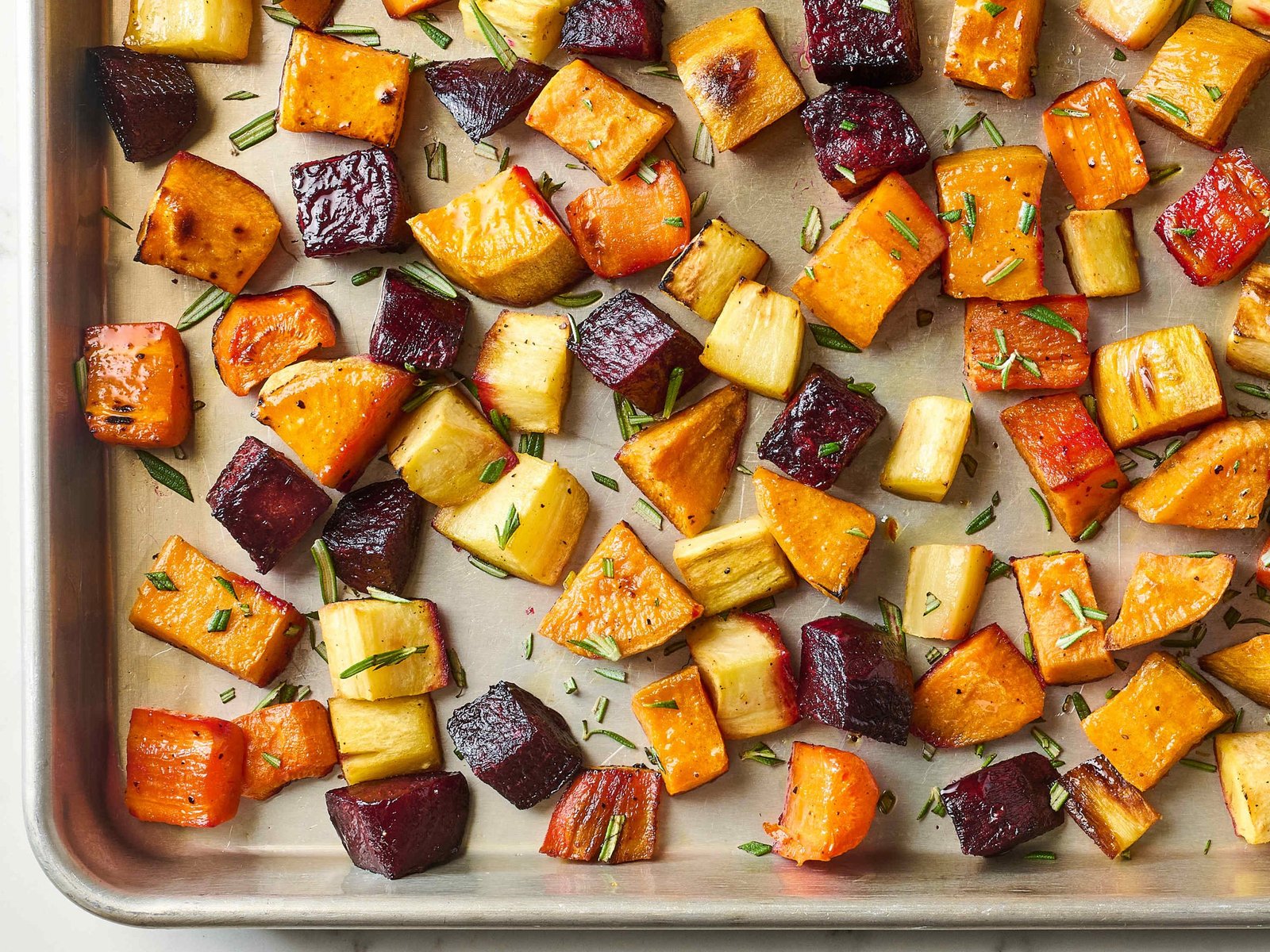
Are you tired of soggy, bland roasted vegetables? You’re not alone.
Getting that perfect crispy texture can feel tricky, but once you know the right steps, your veggies will turn out golden, crunchy, and full of flavor every time. Imagine biting into vegetables that are tender inside with a satisfying crisp outside—sounds delicious, right?
You’ll discover simple tips and tricks to roast your vegetables to perfection. Say goodbye to disappointment and hello to your new favorite way to enjoy veggies! Keep reading, and you’ll be mastering crispy roasted vegetables in no time.
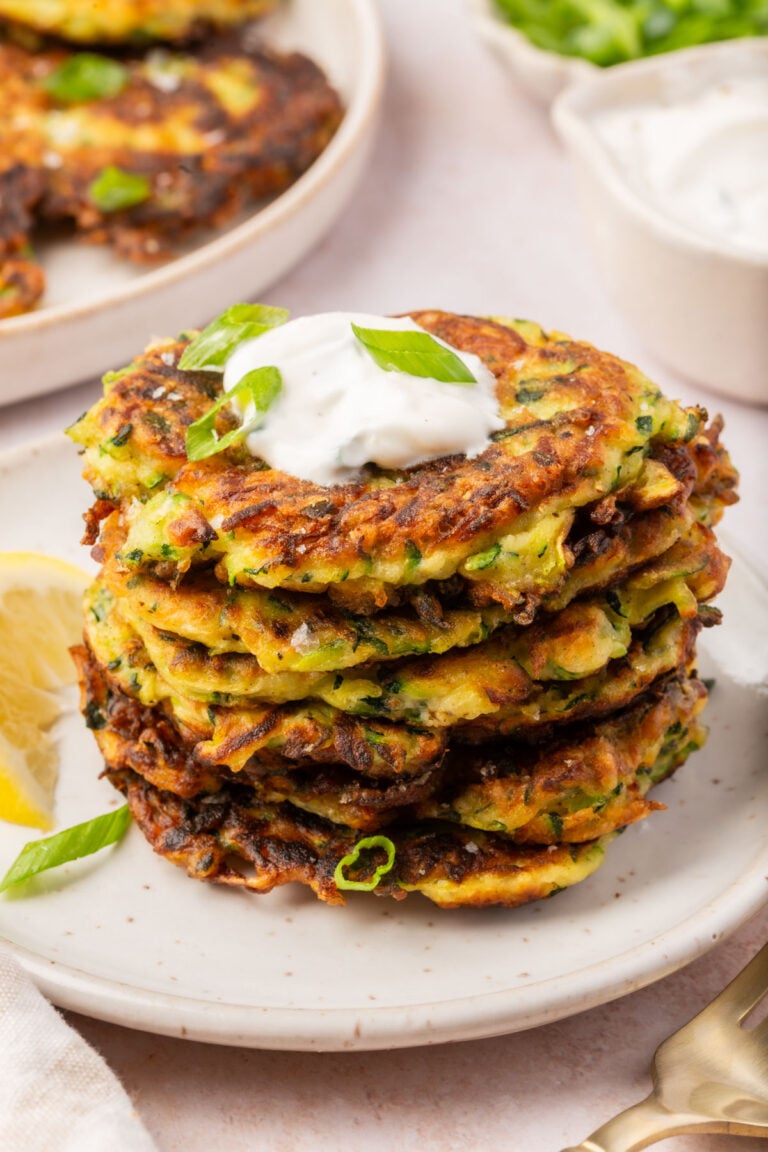
Credit: www.adashofmegnut.com
Choosing The Right Vegetables
Roasting vegetables makes them crispy and tasty. Picking the right vegetables helps you get the best results.
Some vegetables roast better because they dry out and caramelize well. Others can get soggy or burn easily.
Best Vegetables For Roasting
Choose vegetables that are firm and have low water content. These become crispy outside and tender inside.
- Carrots
- Brussels sprouts
- Cauliflower
- Broccoli
- Sweet potatoes
- Parsnips
- Zucchini (cut thick)
- Asparagus
Cut vegetables evenly to cook them well. Avoid watery ones like cucumbers and lettuce.
Seasonal Vegetable Selection
Using seasonal vegetables gives you fresher and tastier options. They also roast better and cost less.
- Spring: Asparagus, peas, radishes
- Summer: Zucchini, bell peppers, eggplant
- Fall: Brussels sprouts, carrots, sweet potatoes
- Winter: Cauliflower, parsnips, turnips
Try to match vegetables with the season. This makes your roasted dish more flavorful and crisp.
Preparing Vegetables For Roasting
Roasting vegetables makes them tasty and crispy. Proper preparation is key for the best results.
Start with fresh vegetables and prepare them carefully. This helps them cook evenly and crisp up well.
Washing And Drying
Wash vegetables under cold water to remove dirt and chemicals. Clean veggies roast better and taste fresh.
Dry vegetables completely after washing. Water makes them steam and lose crispiness in the oven.
- Use a salad spinner or clean kitchen towel to dry well
- Pat leafy greens gently to avoid bruising
- Make sure no water pools on the surface
Cutting Techniques
Cut vegetables into similar sizes for even roasting. Smaller pieces cook faster and get crispier.
Use sharp knives to keep edges clean. Jagged cuts can burn or cook unevenly.
- Slice root vegetables into ½ to 1-inch pieces
- Cut softer veggies like zucchini into thicker chunks
- Keep leafy vegetables larger to avoid burning
Optimal Seasoning Techniques
Roasting vegetables brings out their natural sweetness and texture. Seasoning is key to making them crispy and tasty. The right spices and herbs create a perfect balance of flavors.
Choosing the right seasoning and combining flavors carefully helps your roasted vegetables stand out. Let’s explore some essential spices and creative flavor ideas.
Essential Spices And Herbs
Simple spices and herbs add depth to roasted vegetables. Salt and pepper are basics, but other options make a difference. Use dried or fresh herbs depending on what you have.
- Salt enhances natural vegetable flavors and helps crispiness.
- Black pepper adds mild heat and sharpness.
- Garlic powder gives a warm, savory touch.
- Rosemary and thyme bring earthy and piney notes.
- Paprika adds color and a mild smoky flavor.
- Cumin offers a warm, nutty taste that pairs well with root vegetables.
Creative Flavor Combinations
Mixing spices can give your vegetables exciting tastes. Try new blends to find what you like best. Combining flavors also helps highlight different textures.
| Flavor Combo | Vegetables to Use | Notes |
| Smoky & Spicy | Sweet potatoes, carrots | Paprika, chili powder, garlic powder |
| Herby & Fresh | Zucchini, bell peppers | Rosemary, thyme, lemon zest |
| Earthy & Warm | Beets, parsnips | Cumin, coriander, black pepper |
| Sweet & Savory | Butternut squash, onions | Brown sugar, cinnamon, salt |
Selecting The Right Oil
Choosing the right oil helps vegetables roast crispy and tasty. Not all oils handle heat well. Some burn easily and change flavor.
Knowing which oils work best for high heat makes a big difference. You can also try oils that add unique flavors.
Best Oils For High Heat
Pick oils with high smoke points for roasting vegetables. These oils stay stable and do not burn at high temperatures.
- Avocado oil – smoke point around 520°F (271°C)
- Refined coconut oil – smoke point around 450°F (232°C)
- Light olive oil – smoke point around 465°F (240°C)
- Grapeseed oil – smoke point around 420°F (216°C)
- Sunflower oil – smoke point around 450°F (232°C)
Oil Alternatives For Flavor
Some oils add flavor but have lower smoke points. Use them carefully or add after roasting. These oils enhance the taste of vegetables.
| Oil | Smoke Point | Flavor Note |
| Extra virgin olive oil | 375°F (190°C) | Fruity and peppery |
| Sesame oil | 410°F (210°C) | Nutty and rich |
| Walnut oil | 320°F (160°C) | Earthy and buttery |
| Flaxseed oil | 225°F (107°C) | Nutty and mild |
Mastering Temperature And Time
Roasting vegetables makes them taste better and crispy. The right temperature and time are key. Too hot or too long can burn them. Too low or short leaves them soft.
Understanding how temperature and time work helps you get crispy edges and soft inside. It also keeps flavors rich and fresh.
Ideal Oven Temperatures
Set the oven temperature to balance cooking and crispiness. Most vegetables roast well between 400°F and 450°F. This heat caramelizes sugars and crisps edges.
Lower temperatures make vegetables soft but not crispy. Higher heat may burn small or thin pieces fast. Use 425°F for most roasting jobs.
- 400°F is good for delicate vegetables like zucchini
- 425°F works well for root vegetables like carrots and potatoes
- 450°F is best for dense vegetables like cauliflower and Brussels sprouts
Timing For Different Vegetables
Each vegetable needs different roasting times. This depends on size and density. Cut vegetables evenly so they cook at the same speed.
Check vegetables near the end of cooking. They should be browned and tender but not burnt.
| Vegetable | Oven Temp (°F) | Roasting Time |
|---|---|---|
| Carrots | 425 | 25-30 minutes |
| Potatoes | 425 | 30-40 minutes |
| Brussels Sprouts | 450 | 20-25 minutes |
| Cauliflower | 450 | 25-30 minutes |
| Zucchini | 400 | 15-20 minutes |
| Bell Peppers | 425 | 20-25 minutes |
Arranging Vegetables On The Tray
Roasting vegetables to a crispy texture depends a lot on how you place them on the tray. Good arrangement lets heat reach every piece evenly. This helps vegetables cook well and become crisp.
Using the right spacing and layering methods avoids soggy or burnt spots. It also speeds up cooking time. Follow these tips to get the best results from your oven.
Spacing For Even Cooking
Leave enough space between vegetables. Crowding traps steam and makes them soft. Spread pieces out in a single layer if possible. This helps hot air move freely around each piece.
- Use a large baking tray to avoid crowding
- Arrange vegetables with at least 1 inch gap between pieces
- Keep similar sized pieces together for uniform cooking
- Use multiple trays if needed, placed on different oven racks
- Turn vegetables halfway through cooking for even browning
Layering Techniques
Layering vegetables can work if done correctly. Denser vegetables should go on the bottom. Softer, quicker-cooking vegetables go on top. This keeps everything cooking at the right speed.
| Layer | Vegetables to Place | Reason |
|---|---|---|
| Bottom | Carrots, Potatoes, Beets | Take longer to cook; need more heat |
| Middle | Bell Peppers, Zucchini, Onions | Cook at medium speed; benefit from some heat |
| Top | Cherry Tomatoes, Mushrooms, Spinach | Cook quickly and release moisture |
Tips For Achieving Crispy Texture
Roasting vegetables to get a crispy texture is easy if you follow simple tips. The right method helps vegetables turn golden and crunchy outside.
Two important tips are to avoid overcrowding and to use a preheated baking sheet. These help cook vegetables evenly and keep them crisp.
Avoiding Overcrowding
Do not put too many vegetables on one baking tray. Overcrowding causes steam to build up, making vegetables soggy instead of crispy.
- Use a large baking tray or roast in batches.
- Leave space between each piece for air to flow.
- Cut vegetables into similar sizes to cook evenly.
- Toss vegetables halfway through cooking for even browning.
Using A Preheated Baking Sheet
Place your baking sheet in the oven while it heats. Adding vegetables to a hot sheet starts crisping right away.
| Benefit | Explanation |
|---|---|
| Quick Searing | Vegetables start to brown as soon as they touch the hot surface. |
| Less Sticking | A hot pan helps prevent vegetables from sticking to the tray. |
| Better Texture | Creates a crispy outer layer while keeping inside tender. |
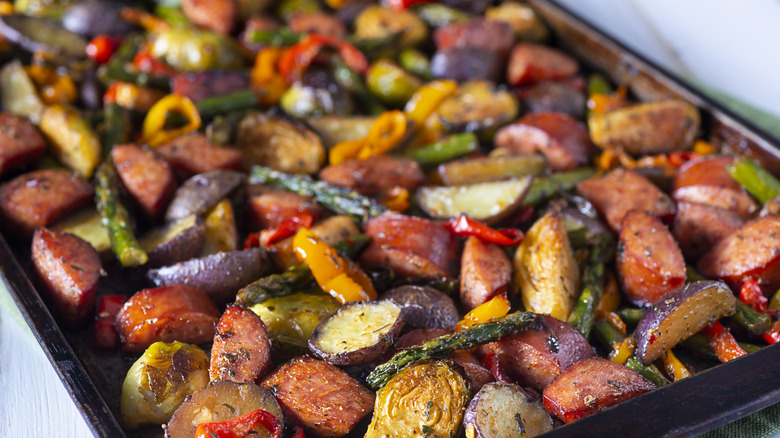
Credit: www.chowhound.com
Enhancing Flavor After Roasting
Roasting vegetables brings out their natural sweetness and makes them crispy. After roasting, you can add extra flavors to make them tastier. Simple additions can brighten the dish and create new layers of taste.
Adding fresh herbs or a splash of citrus juice can change the flavor and make the vegetables more enjoyable. These finishing touches add freshness and a burst of flavor that pairs well with roasted vegetables.
Finishing Touches With Fresh Herbs
Fresh herbs add a bright, fresh taste to roasted vegetables. Sprinkle chopped herbs on top right after roasting. This keeps their flavor strong and vibrant.
Popular herbs like parsley, thyme, and rosemary work well. They add aroma and a fresh green note. Basil and cilantro also bring a unique flavor twist.
- Chop herbs finely for even distribution
- Add herbs just before serving to keep freshness
- Mix different herbs for a complex flavor
- Use herbs that match the vegetable type
Adding Zest With Citrus
Citrus adds a bright, tangy flavor that contrasts well with the roasted vegetables’ sweetness. A squeeze of lemon or lime juice lifts the dish and adds freshness.
You can also grate citrus zest over the vegetables. The zest gives a strong aroma and a subtle citrus taste without adding liquid. Use zest from lemon, lime, or orange.
- Sprinkle zest just before serving for best aroma
- Squeeze fresh citrus juice to add a tangy finish
- Combine zest and juice for a layered citrus flavor
- Avoid too much juice to keep vegetables crispy
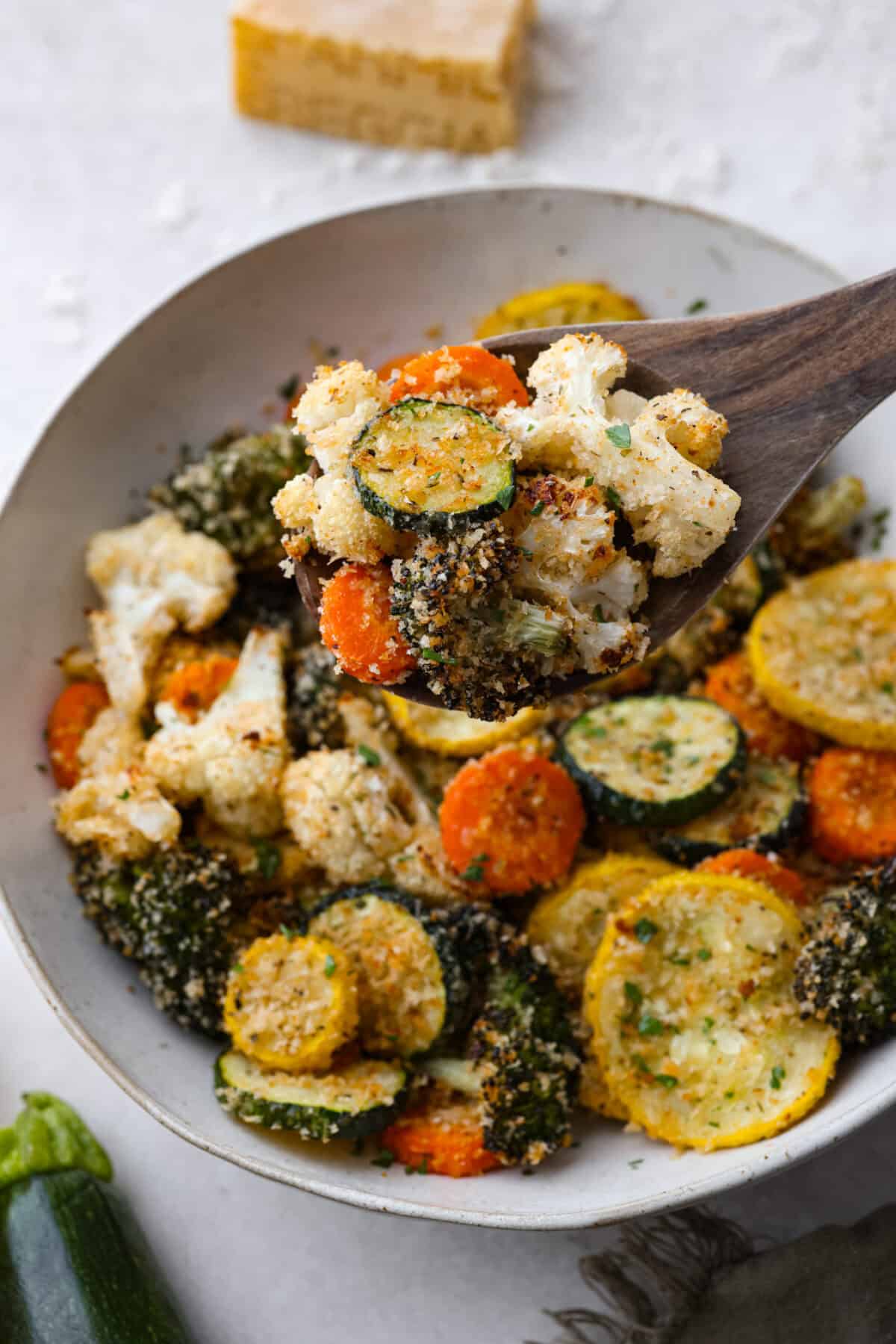
Credit: therecipecritic.com
Frequently Asked Questions
How Do I Make Roasted Vegetables Crispy?
To make roasted vegetables crispy, use high heat (400-450°F). Cut veggies evenly, avoid overcrowding the pan, and toss them in oil. Stir halfway through roasting for even crispiness.
What Oil Is Best For Crispy Roasted Vegetables?
Use oils with high smoke points like olive oil, avocado oil, or grapeseed oil. These oils help vegetables roast crisp without burning or smoking.
Should I Soak Vegetables Before Roasting For Crispiness?
Soaking vegetables is not necessary for crispiness. Instead, pat them dry, toss with oil, and roast at high heat for best results.
How Long Should I Roast Vegetables For Crispiness?
Roast vegetables for 20-40 minutes, depending on size and type. Check and toss halfway to ensure even crispiness without burning.
Conclusion
Roasting vegetables crispy is simple and rewarding. Use high heat and a little oil. Cut veggies evenly for even cooking. Stir halfway to avoid burning. Watch closely near the end for perfect crispiness. Enjoy your tasty, healthy side dish anytime.
Practice often, and your skills will improve fast. Crispy roasted vegetables make meals better and more colorful. Give these tips a try and enjoy the crunch!