
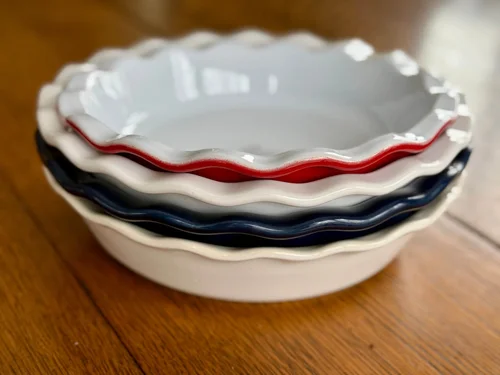
Choosing the right pie dish size can make all the difference between a perfect pie and a kitchen disaster. Have you ever struggled with a pie that’s overfilled, undercooked, or just didn’t turn out the way you hoped?
The size of your pie dish affects cooking time, crust texture, and even how your pie looks on the table. If you want your next pie to impress every bite, understanding which dish size to pick is key. Keep reading, and you’ll discover simple tips that will help you bake like a pro every time.
Importance Of Pie Dish Size
Choosing the right pie dish size affects how your pie cooks and looks. It helps the pie bake evenly and fit your oven.
Using the correct size also controls the amount of filling and crust you need. This can change the pie’s taste and texture.
Even Cooking
A pie dish that is too big or too small can cause uneven cooking. The crust may burn or stay raw in spots.
Choosing the right size helps heat reach all parts of the pie equally. This gives a well-cooked pie every time.
Portion Control
The size of the pie dish determines how many servings you get. A larger dish makes more slices, a smaller one fewer.
Picking the right size helps you plan how many people you can serve. It also controls how much pie each person gets.
Filling And Crust Balance
Different dish sizes change the amount of filling and crust needed. Too much filling can overflow or stay soggy.
The right dish size keeps the filling and crust in balance. This keeps the pie tasty and easy to eat.
Appearance And Presentation
The size of the dish affects how your pie looks on the table. A well-sized pie looks neat and inviting.
Choosing the right dish size helps your pie look its best. This makes it more enjoyable to serve and eat.
Common Pie Dish Sizes
Choosing the right pie dish size is important for baking success. Different sizes affect cooking time and portion size.
This guide explains common pie dish sizes to help you pick the best one for your recipe.
Standard Sizes
Standard pie dishes usually measure 9 inches in diameter. This size works well for most recipes.
It fits well in most ovens and serves about 6 to 8 people.
- 9-inch round pie dish
- Fits classic fruit pies and custards
- Good for family meals
Mini And Individual Sizes
Mini pie dishes range from 3 to 5 inches. They make single servings or small desserts.
These sizes are great for parties or snacks. They bake faster than larger pies.
- 3-inch tart pans
- 4-inch mini pie plates
- Perfect for individual servings
- Good for portion control
Large And Deep-dish Options
Large pie dishes measure 10 to 12 inches or more. Deep-dish pies have higher sides to hold more filling.
These are ideal for big gatherings or recipes with thick fillings. They require longer baking times.
- 10 to 12-inch wide pie plates
- Deep-dish pans with 2.5 to 3 inch sides
- Hold more filling and crust
- Great for pot pies and deep fruit pies
Materials And Their Impact
Choosing the right pie dish size depends on the material it is made of. The material affects how the pie cooks and how easy the dish is to use.
Different materials heat up in different ways. This changes how your pie crust bakes and how the filling cooks.
Glass Vs. Metal
Glass pie dishes heat slowly and hold heat well. They help bake the pie evenly but take longer to heat up.
Metal pie dishes heat quickly and give a crisp crust. They cool down faster than glass but may cause hot spots.
- Glass: good for even baking and slow heat
- Metal: heats fast and makes crust crispy
- Glass cools slower, metal cools faster
Ceramic Advantages
Ceramic pie dishes are thick and hold heat well. They bake pies slowly and keep them warm after baking.
Ceramic dishes often have a nice look for serving. They are easy to clean but can be heavy and break if dropped.
- Thick walls for steady, even heat
- Keeps pie warm longer after baking
- Attractive for serving at the table
- Heavy and can chip or break easily
Silicone Alternatives
Silicone pie dishes are flexible and easy to store. They do not heat as evenly but are good for easy pie removal.
Silicone is dishwasher safe and won’t break if dropped. Some pies may not brown well in silicone dishes.
- Flexible and easy to store
- Non-stick surface for easy pie removal
- Does not heat as evenly as glass or metal
- Dishwasher safe and durable
Choosing The Right Size For Your Recipe
Picking the right pie dish size is important for a good bake. The size affects how the filling cooks and how the crust turns out.
Using the correct dish helps your pie bake evenly and taste its best.
Matching Dish Size To Filling
Choose a dish that fits the amount of filling you have. Too small a dish can overflow. Too big a dish may cause a thin filling.
- Use a 9-inch dish for standard recipes with 4 to 5 cups of filling.
- For smaller pies, a 6- to 7-inch dish works well.
- Larger pies need 10 inches or more to hold extra filling.
Adjusting For Crust Thickness
Thick crusts need more space in the dish. Thin crusts take less room. Adjust dish size to keep crust and filling balanced.
| Crust Thickness | Recommended Dish Size | Effect on Pie |
|---|---|---|
| Thin (1/8 inch) | Standard size (9 inches) | Even bake, balanced filling |
| Medium (1/4 inch) | Use slightly larger dish (10 inches) | Prevents overflow, good crust texture |
| Thick (1/2 inch or more) | Use larger dish (10-11 inches) | Allows crust to cook fully without crowding |
Considerations For Baking Time
Dish size changes baking time. Larger dishes need more time. Smaller dishes bake faster. Watch the crust and filling closely.
Here are tips to adjust baking time by dish size:
- Check pies 5 minutes before recipe time ends.
- Use a toothpick to test if filling is cooked.
- Cover crust edges if they brown too fast.
- Lower oven temperature slightly for bigger pies.
Tips From Professional Bakers
Choosing the right pie dish size matters for baking success. It affects baking time and the pie’s texture.
Bakers share tips to help you pick the perfect dish. This guide covers even baking, avoiding mistakes, and presentation.
Secrets For Even Baking
Use a pie dish that matches your recipe’s size. Too big or small dishes change baking time and heat flow.
- Pick a dish with a thick bottom for steady heat.
- Glass dishes show browning better than metal.
- Use pie weights or beans to avoid crust bubbles.
- Check the pie halfway to avoid over or under baking.
Avoiding Common Mistakes
Many bakers pick dishes by guesswork. This causes uneven cooking and soggy crusts.
| Common Mistake | Effect | Tip |
| Using too large dish | Thin filling, longer baking | Choose smaller size or add filling |
| Using too small dish | Overflow, undercooked center | Use larger dish or reduce filling |
| Ignoring dish material | Uneven heat, burnt edges | Match dish type to recipe |
Enhancing Presentation
Dish size affects how your pie looks. A well-sized dish makes a neat crust and even slices.
Tips for good presentation:
- Use a shallow dish for a delicate crust edge.
- Choose a deep dish for thick fillings and tall pies.
- Pick a dish color that contrasts with your pie filling.
- Consider dish shape: round for classic, square for modern.
:max_bytes(150000):strip_icc()/sea-pie-pans-test-group-shot-ashia-aubourg-2-6af8e739a2f1462da8d5693e28ec7c22.jpeg)
Credit: www.seriouseats.com
Specialty Pie Dishes
Choosing the right pie dish size is important for baking success. Specialty pie dishes offer unique shapes and sizes for different recipes.
These dishes can affect baking time and the final look of your pie. Understanding the options helps you pick the best one for your needs.
Tart And Quiche Dishes
Tart and quiche dishes are usually shallow with straight or fluted sides. They often have removable bottoms to help with easy serving.
- Shallow depth helps bake crust evenly.
- Removable bottom prevents damage when removing.
- Fluted edges create a decorative crust.
- Sizes range from 8 to 12 inches in diameter.
Unique And Decorative Options
Specialty pie dishes come in various shapes and materials. They add style and fit different types of pies and tarts.
| Dish Type | Material | Shape | Best For |
|---|---|---|---|
| Glass Pie Dish | Glass | Round | Even browning, classic pies |
| Ceramic Pie Plate | Ceramic | Round or fluted | Decorative serving, deep-dish pies |
| Tin Tart Pan | Metal | Round, fluted, removable bottom | Tarts and quiches |
| Mini Pie Molds | Various | Heart, square, or novelty shapes | Individual pies and gifts |
Care And Maintenance
Choosing the right pie dish size helps with baking success. Proper care keeps your dish in good shape for years.
Cleaning and storing your pie dish correctly avoids damage and makes baking easier next time.
Cleaning Tips
Clean your pie dish soon after use to prevent food from sticking. Avoid harsh scrubbing that can scratch the surface.
- Use warm water and mild dish soap
- Let stuck-on food soak for a few minutes
- Use a soft sponge or cloth
- Do not use metal scrubbers or abrasive cleaners
- Dry completely before storing to prevent moisture build-up
Storage Solutions
Store your pie dish in a safe, dry place. Keep it away from heavy objects that might cause chips or cracks.
| Storage Tip | Why It Helps |
| Stack with padding between dishes | Prevents scratches and chips |
| Keep in a cabinet with stable temperature | Avoids warping or damage |
| Store upright if possible | Reduces pressure on dish edges |
| Use a dish rack or shelf organizer | Keeps dishes neat and easy to access |

Credit: jennyblogs.com
:max_bytes(150000):strip_icc()/sea-great-jones-sweetie-pie-ashia-aubourg-3-8f7b5c2d49b54b4bb68722089dcdaf24.jpeg)
Credit: www.seriouseats.com
Frequently Asked Questions
What Size Pie Dish Is Best For Family Gatherings?
A 9-inch pie dish is ideal for family gatherings. It serves 6 to 8 people, balancing portion size and ease of baking. This size fits most recipes and ovens, making it versatile for various pie types.
How Does Pie Dish Size Affect Baking Time?
Larger pie dishes usually require longer baking times. Smaller dishes bake faster due to less filling and crust depth. Always adjust baking time and monitor the pie to avoid over or undercooking.
Can I Use A Smaller Pie Dish For A Recipe?
Yes, but reduce the filling and baking time. A smaller dish results in a thicker pie, which may need longer baking. Adjust ingredient quantities to maintain the recipe’s balance and texture.
Why Choose A Deep-dish Pie Pan Over A Standard One?
Deep-dish pans hold more filling, perfect for fruit or custard pies. They create a taller pie, offering larger portions. This size suits recipes needing extra room for ingredients or toppings.
Conclusion
Choosing the right pie dish size makes baking easier and better. It helps the pie cook evenly and look great. Small dishes work well for snacks or small families. Large dishes suit big gatherings or hungry guests. Think about how many people you will serve.
Also, consider the recipe’s instructions for best results. The right dish size saves time and avoids baking problems. Enjoy baking with confidence and share delicious pies every time. Simple choices lead to tasty treats.