
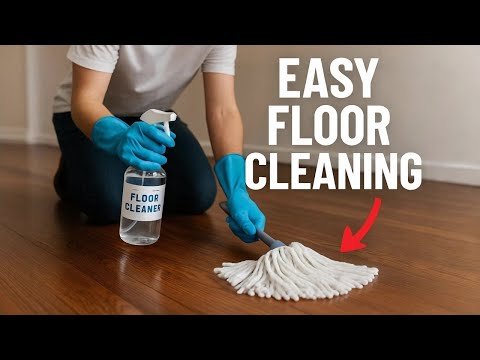
Keeping your floors spotless can feel like a tough chore, but it doesn’t have to be that way. With the right mop and a few simple tips, you can make your floors shine without spending hours scrubbing.
Imagine walking into a room where every step feels fresh and clean. You’re just a few easy steps away from mastering the art of floor cleaning. Ready to discover how to get your floors looking their best with minimal effort?
Keep reading—your perfect cleaning routine starts here.
Choosing The Right Mop
Cleaning floors with a mop is easier if you pick the right one. Different mops work better for certain floors and dirt types.
Choosing the right mop helps you clean faster and keeps floors safe. Learn about mop types, materials, and floor compatibility.
Types Of Mops
There are many mop types. Each has its own use and cleaning style. Pick one that fits your floor and cleaning needs.
- String Mops: Great for heavy dirt and rough floors.
- Flat Mops: Good for quick cleaning and smooth surfaces.
- Sponge Mops: Best for tile and small spills.
- Microfiber Mops: Work well on all floor types and trap dust.
- Steam Mops: Use steam to clean and sanitize hard floors.
Material Considerations
The mop head material affects cleaning power and floor safety. Choose materials that last and clean well without damage.
| Material | Benefits | Best Use |
| Cotton | Absorbs water well | Heavy dirt, rough floors |
| Microfiber | Traps dust and dirt | Delicate floors, regular cleaning |
| Sponge | Good for wet spills | Tile, small messes |
| Foam | Lightweight and soft | Gentle floors, easy wipe |
Best Mop For Different Floor Types
| Floor Type | Recommended Mop | Reason |
|---|---|---|
| Hardwood | Microfiber Flat Mop | Gentle cleaning, avoids scratches |
| Tile | Sponge Mop | Effective on grout and spills |
| Laminate | Microfiber Flat Mop | Dries quickly, prevents water damage |
| Vinyl | String Mop | Removes heavy dirt safely |
| Stone | Steam Mop | Cleans deeply without harsh chemicals |
Preparing Your Floor
Cleaning floors with a mop starts with good preparation. A clean floor helps the mop work better.
Taking time to prepare your floor saves effort and gives better results.
Clearing Debris
Remove all loose dirt and debris before mopping. This stops dirt from spreading.
Use a broom or vacuum to clear the floor well. Focus on corners and edges.
- Sweep the entire floor area
- Pick up larger particles by hand
- Vacuum carpets near the floor edges
- Check under furniture for hidden dust
Spot Treatment For Stains
Treat stains before mopping to avoid spreading them. Use a gentle cleaner on the stain.
Let the cleaner sit for a few minutes. Then blot the area with a clean cloth or sponge.
- Identify all visible stains
- Apply a small amount of stain remover
- Wait a few minutes to let it work
- Blot gently without rubbing hard
Safety Precautions
Keep your cleaning area safe to avoid slips and falls. Use signs or blocks if needed.
Wear gloves to protect your skin from cleaning chemicals. Work in a well-ventilated room.
- Clear the floor area before mopping
- Use warning signs for wet floors
- Wear rubber gloves during cleaning
- Open windows for fresh air
Selecting Cleaning Solutions
Choosing the right cleaning solution is key to keeping floors clean and safe. Different floors need different care.
Some cleaners are natural, while others use chemicals. It is important to know which one fits your floor type best.
Natural Vs. Chemical Cleaners
Natural cleaners use ingredients like vinegar, lemon, or baking soda. They are gentle on floors and safe for pets.
Chemical cleaners are strong and work fast. They can remove tough stains but may harm some floor materials.
- Natural cleaners are eco-friendly and less toxic.
- Chemical cleaners give quick results on heavy dirt.
- Natural options are better for sensitive floors.
- Chemicals need careful use to avoid damage.
Diy Cleaning Solutions
Making your own cleaning solution is easy and cost-effective. You can control the ingredients and avoid harsh chemicals.
| DIY Solution | Ingredients | Use |
|---|---|---|
| All-Purpose Cleaner | 1 cup vinegar + 1 gallon water | Tile and vinyl floors |
| Wood Floor Cleaner | 1/4 cup dish soap + 1 gallon water | Sealed hardwood floors |
| Stain Remover | Baking soda + water paste | Spot cleaning on various floors |
Solutions For Specific Floor Materials
Each floor type needs a special cleaner to avoid damage. Use mild solutions for delicate surfaces.
- Wood floors: Use pH-neutral or soap-based cleaners.
- Tile floors: Vinegar or commercial tile cleaner works well.
- Laminate floors: Avoid water; use special laminate cleaners.
- Stone floors: Use stone-safe cleaners, avoid acids.
:max_bytes(150000):strip_icc()/SPR-should-you-mop-with-hot-or-cold-water-11785902-8034a4fa718143caa9fb087a9d1cf7f7.jpg)
Credit: www.thespruce.com
Mopping Techniques
Mopping keeps floors clean and fresh. Using the right techniques makes cleaning easier.
Good mopping helps remove dirt without damaging the floor. It saves time and effort.
Proper Mopping Motion
Use smooth, even strokes when mopping. Move the mop in an S shape to cover more area.
Push the mop forward and pull it back gently. Avoid pressing too hard to protect the floor.
- Start at one corner of the room
- Work your way backward toward the exit
- Overlap strokes slightly for full coverage
- Rinse and wring mop often to avoid spreading dirt
Best Practices For Different Floors
Different floors need different care. Choose the right mop and cleaner for each floor type.
- Hardwood:Use a damp mop with a wood-safe cleaner. Avoid too much water.
- Tile:Use a wet mop and a mild detergent. Scrub grout lines if needed.
- Vinyl:Use a damp mop with a gentle cleaner. Avoid harsh chemicals.
- Laminates:Use a slightly damp mop. Too much water can cause damage.
Avoiding Common Mistakes
Many people make simple errors when mopping. These mistakes can damage floors or leave them dirty.
- Using too much water can cause floor damage
- Not rinsing the mop often spreads dirt around
- Using the wrong cleaning solution can harm floor finishes
- Skipping dry mopping first leaves dust behind
- Not letting floors dry properly creates slippery surfaces
Drying And Maintenance
Cleaning floors with a mop is easy, but drying and caring for the floor and mop is just as important. Proper drying helps avoid slips and keeps floors looking good.
Maintaining your mop after use keeps it clean and lasts longer. Good floor care after mopping protects your floor’s surface.
Efficient Drying Methods
Dry floors quickly to stop water damage and dirt buildup. Use these drying tips for best results.
- Open windows or doors to let fresh air circulate.
- Use fans to speed up drying, especially in large rooms.
- Use a dry mop or towel to remove excess water.
- Avoid walking on floors until they are fully dry.
Maintaining Mop Hygiene
Cleaning your mop after use keeps it free from germs and dirt. Follow these care tips to keep your mop fresh.
| Action | Details |
| Rinse mop | Use clean water to remove dirt and cleaning solution |
| Wash mop head | Use soap or disinfectant weekly |
| Dry mop | Hang mop in a well-ventilated place to air dry |
| Store mop | Keep mop in a dry, clean area to avoid mold |
Post-cleaning Floor Care
After mopping, take extra steps to keep floors in good shape. This protects the floor surface and extends its life.
- Place mats at entrances to catch dirt.
- Use furniture pads to avoid scratches.
- Clean spills immediately to prevent stains.
- Regularly check floors for damage or wear.
Dealing With Tough Stains
Tough stains on floors can be hard to remove. Using the right tools and steps makes cleaning easier.
Knowing how to treat stubborn spots helps keep your floors looking clean and fresh for longer.
Specialized Tools And Solutions
Some stains need special tools to come off. Using a regular mop alone might not work well.
Try these tools and solutions for better results:
- Scrubbing brushes with stiff bristles
- Microfiber mops for better dirt pick-up
- Commercial stain removers made for floors
- Vinegar or baking soda for natural cleaning
- Warm water to loosen dried stains
Steps For Stubborn Stains
Follow careful steps to remove tough stains without damaging floors. Act quickly for best results.
- Blot the stain gently to remove excess dirt or liquid
- Apply a cleaning solution and let it sit for a few minutes
- Use a scrubbing brush or microfiber mop to scrub the area
- Rinse with clean water to remove leftover cleaner
- Dry the floor with a clean cloth or let air dry
Preventing Future Stains
Stopping stains before they start keeps floors looking good. Clean spills right away.
Try these tips to avoid tough stains in the future:
- Place mats at entryways to catch dirt
- Use furniture pads to prevent scratches and marks
- Clean floors regularly to avoid buildup
- Avoid harsh chemicals that can damage floor surfaces
- Keep pets’ nails trimmed to reduce floor damage
Eco-friendly Cleaning Tips
Cleaning floors with a mop can be green and safe for the planet. You can use eco-friendly methods to keep your floors clean without harm.
Here are some easy tips to make your floor cleaning routine better for the environment.
Sustainable Products
Use cleaning products made from natural ingredients. These are safer for the environment and your home. Avoid harsh chemicals that pollute water.
- Choose biodegradable soaps and detergents
- Use vinegar or baking soda as natural cleaners
- Select reusable mop heads made from organic fibers
- Buy products with minimal plastic packaging
Waste Reduction
Reduce waste by using tools and supplies that last long. Wash mop heads instead of throwing them away. Use only the amount of cleaner you need.
| Tip | How it Helps |
| Wash mop heads | Less landfill waste |
| Use refillable bottles | Less plastic trash |
| Measure cleaning solution | Less chemical runoff |
| Choose multi-use products | Fewer purchases needed |
Energy-efficient Practices
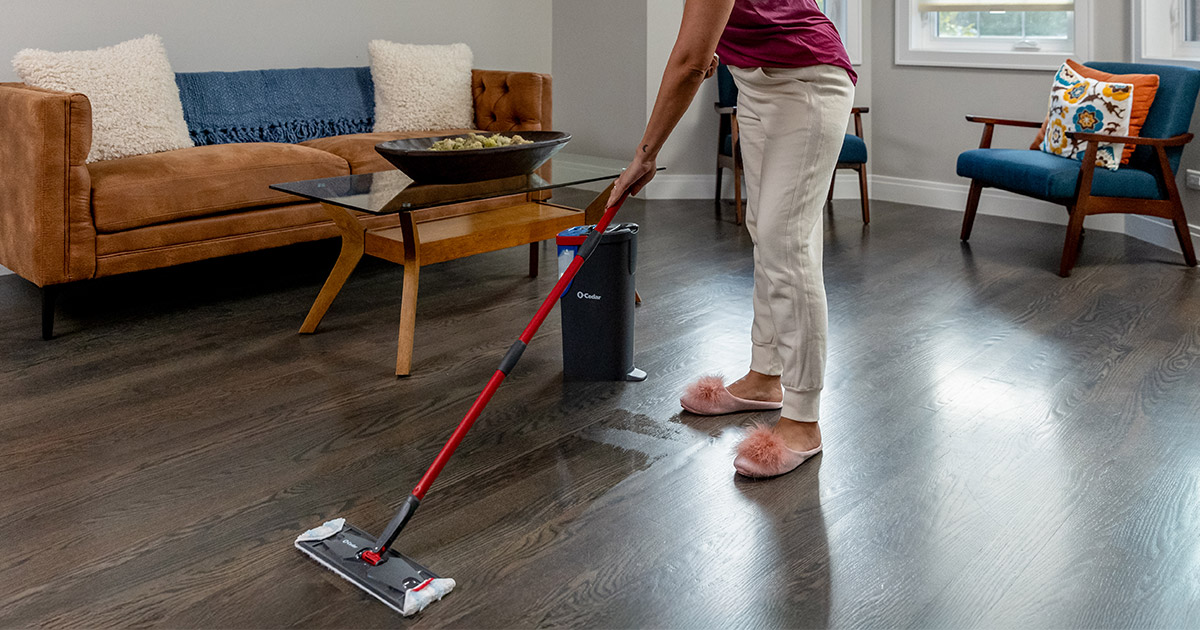
Save energy by cleaning floors in a smart way. Use cold water for cleaning to cut down on heating energy. Let floors air dry instead of using electric dryers.
Try these energy-saving tips:
- Clean during daylight to use natural light
- Use hand wringing instead of electric wringers
- Store mop and bucket properly to avoid extra washing
Credit: www.ocedar.com
Common Mistakes To Avoid
Cleaning floors with a mop seems simple, but many people make mistakes. These errors can damage floors or leave them dirty.
Knowing what to avoid helps you clean better and protect your flooring for longer.
Over-wetting Floors
Using too much water can harm some floor types. Water can seep into cracks and cause swelling or warping.
- Use a mop that is damp, not soaking wet.
- Wring out excess water before mopping.
- Clean small sections at a time to avoid water pooling.
- Dry floors quickly with a clean cloth or fan.
Using The Wrong Cleaner
Different floors need different cleaners. Using the wrong one can cause damage or leave sticky residue.
| Floor Type | Safe Cleaner | Cleaners to Avoid |
|---|---|---|
| Hardwood | pH-neutral wood cleaner | Ammonia, bleach, vinegar |
| Tile | mild detergent or tile cleaner | Acidic cleaners, wax-based products |
| Laminate | special laminate cleaner or mild soap | Excess water, abrasive cleaners |
Ignoring Manufacturer’s Instructions
Floor makers give cleaning advice for a reason. Ignoring this advice can void warranties and damage floors.
Here are tips to follow manufacturer instructions:
- Read labels on floor packaging carefully.
- Use recommended cleaners and tools only.
- Test cleaners on a small hidden spot first.
- Do not change cleaning routine without checking guidelines.

Credit: hammondknoll.com
Frequently Asked Questions
How Often Should I Mop My Floors For Best Results?
Mop high-traffic floors twice a week for cleanliness. Less-used areas can be mopped once a week. Regular mopping prevents dirt buildup and maintains floor shine. Adjust frequency based on floor type and household activity.
What Is The Best Cleaning Solution For Mopping Floors?
Use a mild detergent mixed with warm water for most floors. Avoid harsh chemicals that can damage floor finishes. For hardwood, use a cleaner specifically designed for wood surfaces. Always test solutions on a small area first.
How Can I Prevent Streaks While Mopping Floors?
Use a well-wrung mop to avoid excess water. Mop in straight lines and rinse mop frequently. Dry floors quickly with a clean, dry cloth if needed. Avoid using too much cleaning solution to reduce streaks.
Can I Use The Same Mop For Different Floor Types?
It’s best to use separate mops for different floor types. This prevents cross-contamination and damage to sensitive surfaces. Microfiber mops are versatile but clean them thoroughly between uses. Label mops if needed to keep them organized.
Conclusion
Cleaning floors with a mop can be easy and quick. Use the right mop and cleaning solution. Change the water often to avoid dirt spreading. Move the mop in gentle, even strokes. Let the floor dry before walking on it.
These simple steps keep floors shiny and fresh. Regular cleaning helps your floors last longer. A clean floor makes your home feel nice. Try these tips to keep your floors spotless.