
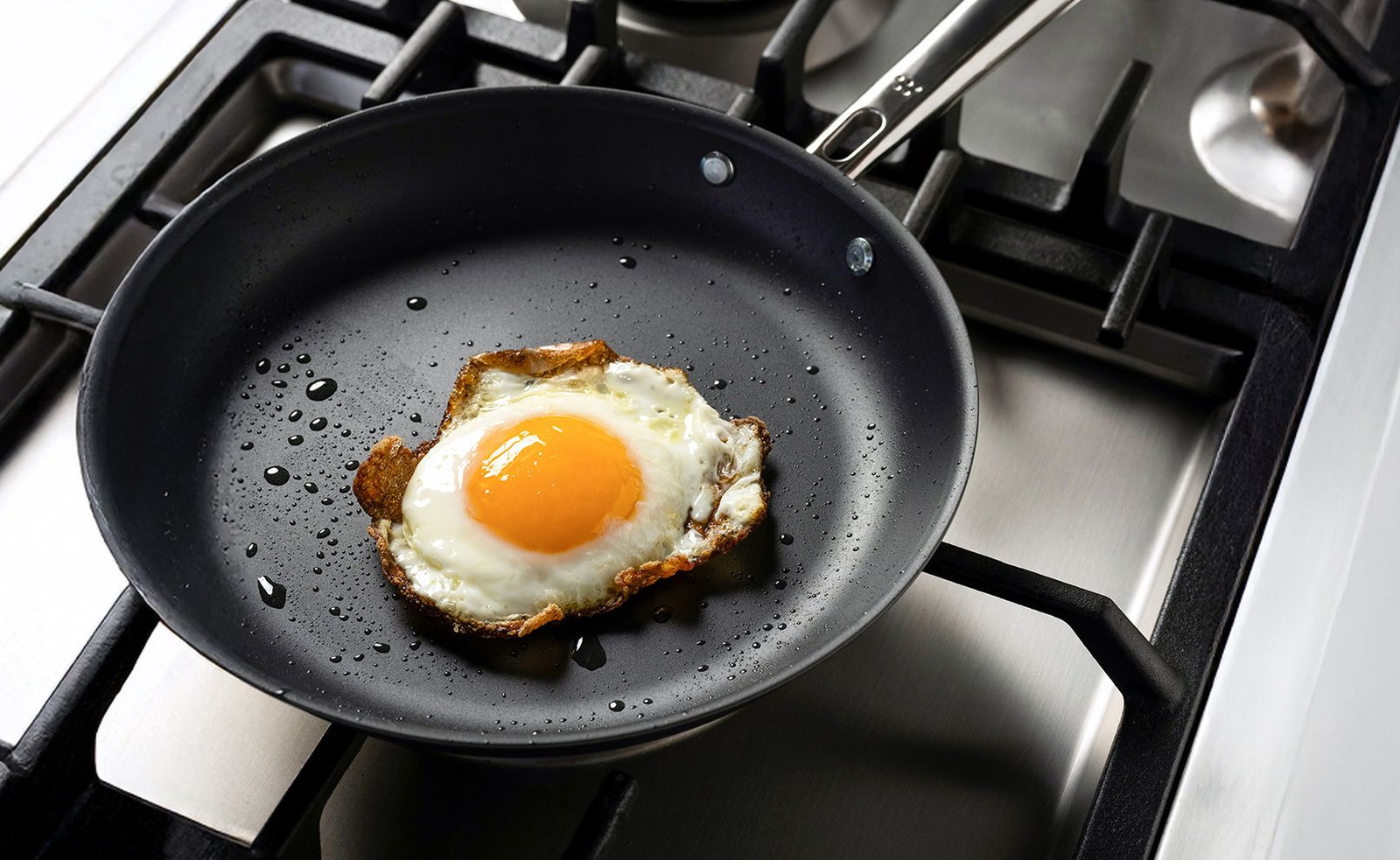
If you own a non-stick pan, you know how important it is to keep it in great shape. But did you know that seasoning your non-stick pan can make it last longer and work even better?
Seasoning creates a smooth, protective layer that helps your food cook evenly and prevents sticking. You’ll discover simple, easy steps to season your non-stick pan like a pro. Keep reading to unlock the secret to making your cookware perform at its best every time you cook.
Benefits Of Seasoning Non-stick Pans
Seasoning non-stick pans helps keep them working well. It adds a protective layer that lasts longer.
This process improves cooking results and makes cleaning easier. Seasoned pans stay smooth and shiny.
Improves Non-stick Performance
Seasoning fills tiny scratches on the pan’s surface. This makes food less likely to stick while cooking.
Extends Pan Lifespan
A seasoned layer protects the pan from damage and wear. It helps prevent peeling and scratching.
Easier To Clean
Seasoned pans need less scrubbing. Food residue wipes off faster and with less effort.
- Less stuck-on food
- Less chance of damaging the surface
- Reduced need for strong cleaning agents
Improves Cooking Results
| Benefit | Effect on Cooking |
|---|---|
| Even Heat Distribution | Food cooks more evenly without burning |
| Better Browning | Enhances flavor and texture of dishes |
| Reduced Oil Use | Healthier meals with less added fat |
Materials Needed For Seasoning
Seasoning a non-stick pan helps keep its surface smooth and durable. Using the right materials is important for the best results.
This guide lists the basic items you need before you start seasoning your pan.
Non-stick Pan
Choose a clean non-stick pan with no food residue or grease. It should be dry before you begin the seasoning process.
Cooking Oil
Select an oil with a high smoke point for better seasoning. Common choices include vegetable oil, canola oil, or flaxseed oil.
Paper Towels Or Cloth
- Use paper towels or a clean cloth to spread the oil evenly on the pan surface.
- They help remove excess oil to avoid sticky residue.
Oven Or Stove
You need a heat source to bake the oil onto the pan’s surface. An oven works best for even heating, but a stove can also be used.
Heat-resistant Gloves Or Mitts
Wear gloves or mitts to protect your hands when handling the hot pan after seasoning.
Optional: Aluminum Foil
Place aluminum foil under the pan in the oven to catch any oil drips and keep your oven clean.
Step-by-step Seasoning Process
Seasoning your non-stick pan helps keep it in good condition. It also improves its cooking surface. This guide shows you how to season your pan safely and easily.
Follow each step carefully for the best results. You only need a few simple tools and ingredients.
Cleaning The Pan
Start by cleaning your non-stick pan thoroughly. Use warm water and mild dish soap. Avoid abrasive scrubbers that can damage the surface.
- Wash the pan with a soft sponge
- Rinse well to remove soap
- Dry the pan completely with a soft cloth
Applying The Oil
Choose a cooking oil with a high smoke point, such as vegetable or canola oil. Apply a thin, even layer inside the pan using a paper towel or cloth.
| Oil Type | Smoke Point (°F) |
|---|---|
| Vegetable Oil | 400 |
| Canola Oil | 435 |
| Sunflower Oil | 440 |
Heating The Pan
Heat the oiled pan on low to medium heat. Keep it on the burner for about 5 minutes. This allows the oil to bond to the pan’s surface.
- Place pan on stove burner
- Set heat to low or medium
- Heat for 5 minutes without overheating
Cooling And Storing
Turn off the heat and let the pan cool fully. Wipe off any excess oil with a clean cloth. Store the pan in a dry place to keep it ready for use.
Tip:Avoid stacking pans right after seasoning to protect the surface.

Credit: imarku.net
Best Oils For Seasoning
Seasoning a non-stick pan helps protect its surface and improves cooking. Using the right oil is important for good seasoning.
Some oils work better than others because of their smoke points and how they bond to the pan.
Flaxseed Oil
Flaxseed oil has a very high smoke point. It creates a strong, hard coating on the pan.
It dries quickly and forms a good layer for seasoning non-stick pans.
Grapeseed Oil
Grapeseed oil has a high smoke point and a neutral taste. It is easy to apply and spreads well.
This oil makes a smooth, even seasoning layer on non-stick pans.
Canola Oil
Canola oil is affordable and has a medium-high smoke point. It works well for seasoning non-stick cookware.
This oil creates a thin, protective coating that lasts through many uses.
Avocado Oil
Avocado oil has one of the highest smoke points. It is good for seasoning because it can handle high heat.
The oil forms a durable, non-stick layer that protects the pan surface.
Sunflower Oil
Sunflower oil has a high smoke point and light flavor. It is easy to find and use for seasoning.
This oil helps build a smooth, protective layer on the pan.
Common Mistakes To Avoid
Seasoning non-stick pans helps keep their surface smooth and lasting longer. Many people make mistakes that can damage the pan or reduce its non-stick ability.
Knowing which mistakes to avoid makes seasoning easier and more effective. This guide explains common errors and how to steer clear of them.
Using Too Much Oil
Applying too much oil creates a sticky, uneven layer on the pan. This can cause food to stick instead of slide off smoothly.
Use a small amount of oil to coat the pan thinly and evenly. Wipe off excess oil with a paper towel before heating.
Skipping The Cleaning Step
Not cleaning the pan before seasoning leaves dirt or food residue. This blocks the oil from bonding properly to the surface.
Always wash and dry the pan well before seasoning. A clean surface helps the oil layer stick better and last longer.
Using The Wrong Type Of Oil
Some oils burn easily and create a bad coating on the pan. Avoid oils with low smoke points like butter or olive oil.
Choose oils with high smoke points such as vegetable oil, canola oil, or grapeseed oil. These oils form a strong, smooth layer.
Seasoning At Too High Temperature
Heating the pan too hot can damage the non-stick coating. It may cause peeling or warping of the pan’s surface.
Heat the pan on medium or medium-low heat. Slow heating helps oil bond properly without harming the pan.
Not Letting The Pan Cool Properly
Removing the pan from heat too soon or cooling it too fast can ruin the seasoning layer. The oil needs time to set.
Let the pan cool naturally at room temperature. Avoid rinsing or touching it until it cools completely.
Seasoning Too Often Or Too Rarely
Seasoning the pan too often can build up thick layers that peel off easily. Not seasoning enough lets the surface lose its protection.
Season your pan when you notice food starts sticking or after deep cleaning. This keeps the coating balanced and smooth.
Maintaining Seasoned Non-stick Pans
Keeping your non-stick pans seasoned helps them last longer. It also keeps food from sticking and makes cleaning easier.
Proper care after each use protects the pan’s surface and maintains its non-stick quality over time.
Proper Cleaning Techniques
Clean your non-stick pans gently to protect the seasoning layer. Avoid harsh scrubbing or strong chemicals.
- Use warm water and mild dish soap
- Wash with a soft sponge or cloth
- Do not use steel wool or abrasive pads
- Dry the pan completely after washing
- If food sticks, soak the pan in warm soapy water before cleaning
Regular Re-seasoning
Re-season your pan regularly to keep its non-stick surface smooth and durable. This adds a protective layer to the pan.
| Re-Seasoning Steps | Description |
| Clean the pan | Wash with mild soap and dry thoroughly |
| Apply oil | Rub a thin layer of cooking oil over the entire surface |
| Heat the pan | Place on low heat for 5-10 minutes to let the oil soak in |
| Cool down | Allow the pan to cool before storing |
Troubleshooting Seasoning Issues
Seasoning non-stick pans can sometimes be tricky. Problems like uneven coating or sticky surfaces may happen.
Understanding common issues helps fix them and keep your pans working well for longer.
Uneven Seasoning Layer
If the seasoning layer looks patchy or thin in some spots, it may be due to uneven oil application. Applying too little oil or missing areas causes this problem.
To fix it, apply a thin, even coat of oil using a cloth or paper towel. Spread the oil gently and cover the entire surface.
Sticky Or Tacky Surface
A sticky or tacky surface means the oil used for seasoning did not fully polymerize. This can happen if the pan was not heated enough or if too much oil was applied.
- Use a small amount of oil, just enough to coat the surface.
- Heat the pan at the correct temperature, usually around 350°F (175°C), for 30 minutes.
- Allow the pan to cool completely before wiping any residue.
Seasoning Peeling Or Flaking
Peeling or flaking happens if the seasoning was applied on a dirty or wet pan. It can also occur if the pan was overheated or cooled down too fast.
| Cause | Solution |
| Dirty pan surface | Clean thoroughly before seasoning |
| Wet pan surface | Dry completely before applying oil |
| Overheating | Keep temperature steady and moderate |
| Rapid cooling | Let pan cool slowly at room temperature |
Oil Smoke Or Burning Smell
If you notice smoke or a burning smell during seasoning, the oil may be burning. This happens if the heat is too high or the oil has a low smoke point.
- Choose oils with high smoke points like canola or grapeseed oil.
- Keep the heating temperature moderate and steady.
- Watch the pan closely and remove it from heat if smoke appears.

Credit: www.independent.co.uk
Environmental Considerations
Seasoning non-stick pans helps extend their life and reduce waste. Proper care lowers the need to replace pans often. This saves resources and reduces pollution.
Using natural oils and avoiding harsh chemicals protects the environment. It also keeps your kitchen safer and healthier.
Choosing Eco-friendly Oils
Select oils that come from sustainable sources. Natural oils like flaxseed or coconut are good choices. They do not release harmful fumes when heated.
- Look for organic or cold-pressed oils
- Avoid oils with chemical additives
- Use oils with high smoke points to reduce waste
Reducing Waste In Seasoning
Apply only a thin layer of oil to avoid waste. Using too much oil causes sticky buildup and requires extra cleaning. Proper seasoning means less frequent reapplications.
- Clean pan with warm water, no soap
- Dry completely before oiling
- Rub a small amount of oil evenly
- Heat pan gently to set the oil
- Let pan cool naturally
Safe Disposal And Cleaning
Dispose of old oils properly to avoid water pollution. Do not pour oils down the drain. Use paper towels to wipe excess oil and throw them in trash.
| Disposal Method | Why It Matters |
|---|---|
| Recycle or compost used oil | Prevents soil and water contamination |
| Use biodegradable cleaning cloths | Reduces plastic waste |
| Avoid harsh chemical cleaners | Protects water systems and wildlife |
Expert Tips For Long-lasting Pans
Non-stick pans need special care to keep their coating strong. Proper seasoning helps protect the surface and improves cooking results.
Follow simple tips to season your pan and extend its life. These steps help avoid scratches and keep food from sticking.
Clean Your Pan Gently
Wash your non-stick pan with warm water and mild soap. Use a soft sponge to avoid damaging the surface.
Never use steel wool or harsh cleaners. These can scratch the coating and reduce its non-stick power.
Apply Oil Correctly
To season, add a thin layer of cooking oil to the pan. Use oils with high smoke points like vegetable or canola oil.
- Heat the pan on low for 2 minutes
- Pour a small amount of oil inside
- Use a paper towel to spread oil evenly
- Heat the pan for 10 minutes on medium heat
- Let the pan cool before wiping excess oil
Avoid High Heat
Non-stick pans do best on low to medium heat. High heat can damage the coating and cause it to wear out faster.
Store Pans Carefully
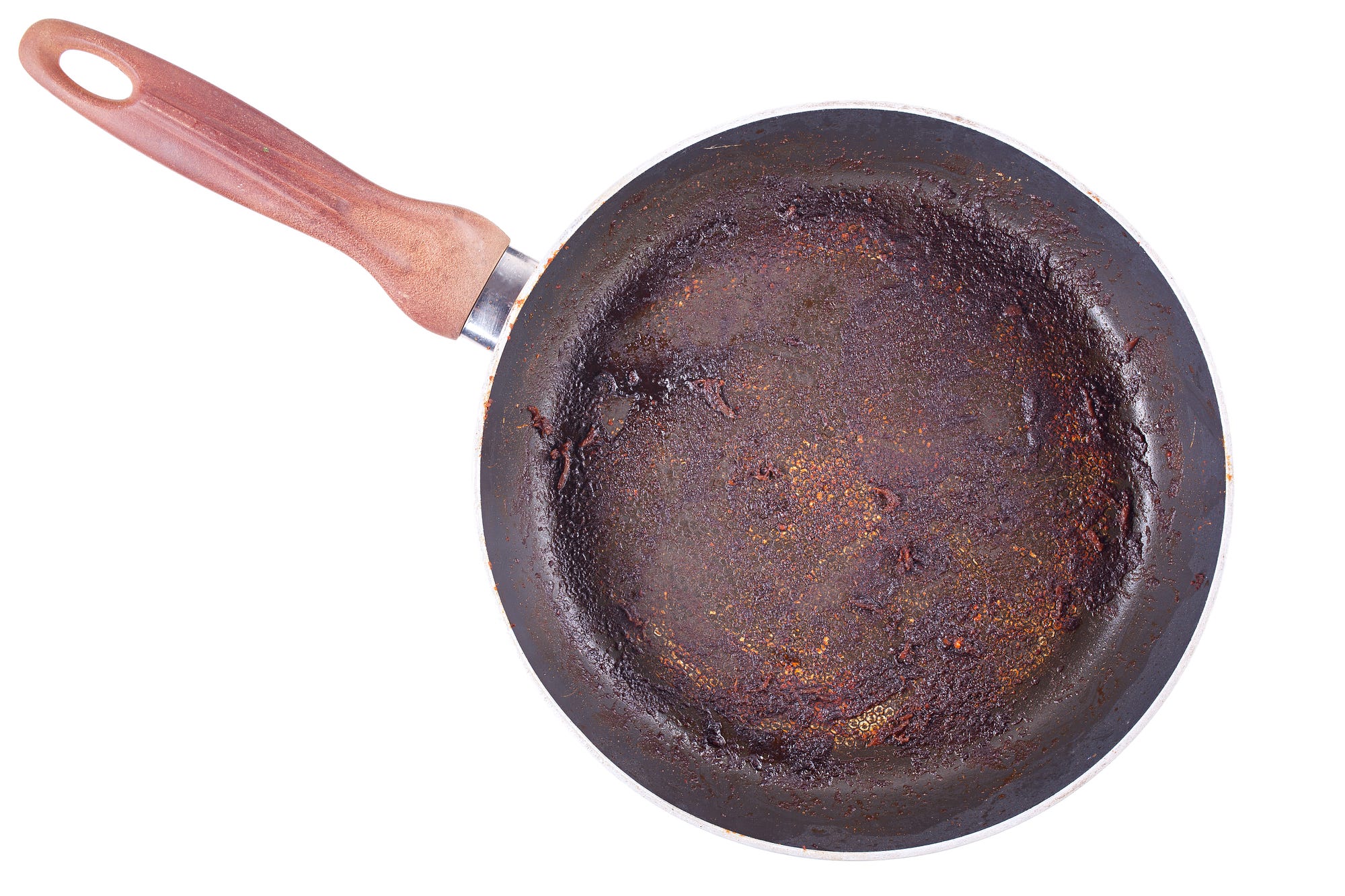
Stacking pans can scratch the non-stick surface. Place a soft cloth or paper towel between pans when storing.
| Storage Tip | Reason |
| Use pan protectors | Prevents scratches during stacking |
| Hang pans | Keeps surface safe and dry |
| Keep dry | Avoids rust and coating damage |
Credit: heated.medium.com
Frequently Asked Questions
How Often Should I Season My Non-stick Pan?
Season your non-stick pan every 2-3 months or when food starts sticking. Regular seasoning maintains the coating and improves non-stick performance.
Can I Use Oil To Season A Non-stick Pan?
Yes, use a small amount of cooking oil like vegetable or flaxseed oil. Heat the pan gently to bond oil and create a protective layer.
Does Seasoning Improve Non-stick Pan Durability?
Yes, seasoning strengthens the pan’s surface and prevents wear. It extends the lifespan of your non-stick cookware by reducing scratches and damage.
Is Seasoning Necessary For Brand-new Non-stick Pans?
No, most new non-stick pans come pre-seasoned. However, light seasoning can enhance performance and protect the coating for longer use.
Conclusion
Seasoning non-stick pans helps keep them safe and lasting longer. It stops food from sticking and makes cleaning easier. You only need a little oil and heat to do it. Repeat this process regularly to protect your pan’s surface. Treat your pan with care, and it will serve you well.
Cooking becomes more enjoyable with a well-seasoned pan. Give it a try and see the difference yourself. Simple steps can make a big change in your kitchen.