
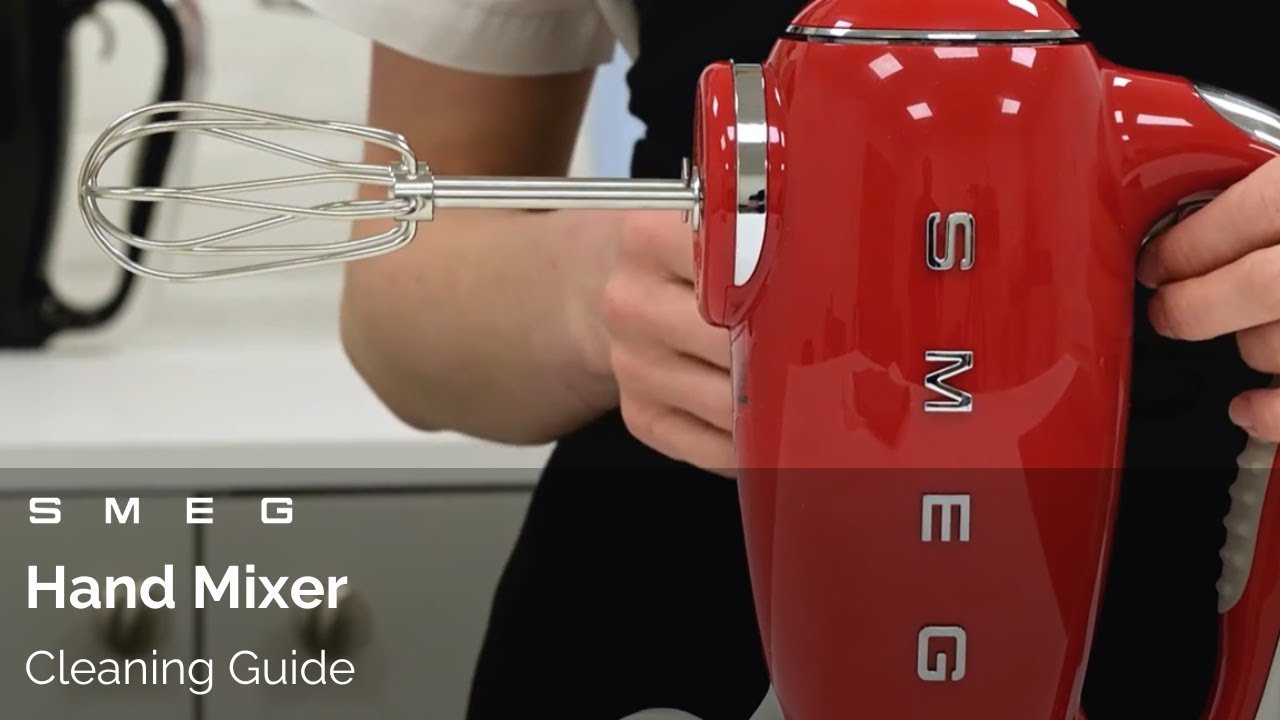
Your hand mixer is one of the most useful tools in your kitchen, making baking and cooking faster and easier. But if you want it to work smoothly every time, you need to take good care of it.
Imagine reaching for your mixer, only to find it slow or not working at all—that’s frustrating, right? By following a few simple tips, you can keep your hand mixer in top shape and avoid those annoying breakdowns. Ready to learn how to make your mixer last longer and perform better?
Keep reading!
Cleaning After Use
Keeping your hand mixer clean ensures it works well for a long time. Cleaning after each use prevents food buildup.
It also helps avoid bad smells and keeps your kitchen hygienic. Follow simple steps to clean your mixer safely.
Disassembling The Parts
Start by unplugging the mixer. Remove the beaters or attachments carefully. Check the manual if you are unsure how to detach them.
- Press the eject button or twist the attachments to remove.
- Separate all removable parts for better cleaning.
- Do not immerse the main body in water.
- Place small parts in warm water to soak if needed.
Rinsing And Drying Techniques
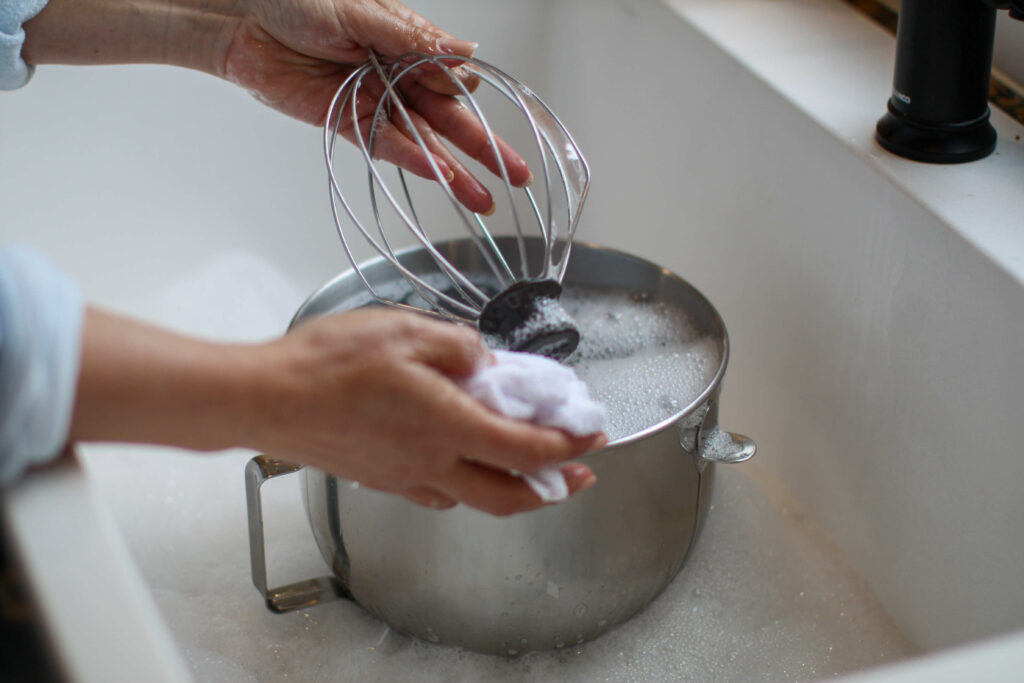
Rinse the beaters and attachments under running water. Use a brush or cloth to remove stuck food.
| Part | Rinsing | Drying |
| Beaters | Warm water with mild soap | Air dry on a clean towel |
| Attachments | Rinse thoroughly to remove soap | Dry completely before storing |
| Main unit | Wipe with damp cloth only | Dry with soft cloth |
Credit: www.housework.com
Proper Storage
Keeping your hand mixer stored properly helps it last longer. It also keeps the parts safe and clean.
Good storage stops dust, dirt, and damage. It makes your mixer ready to use anytime.
Avoiding Moisture
Moisture can harm your hand mixer’s motor and metal parts. Keep it dry to avoid rust and electrical problems.
Always dry the mixer and beaters before storing. Store it in a dry place away from sinks or damp areas.
- Wipe the mixer with a dry cloth after cleaning
- Do not store near water sources or humid places
- Use silica gel packs in storage area to reduce moisture
Using Protective Covers
Protective covers keep dust and dirt off your hand mixer. They also stop scratches during storage.
Use a soft cloth cover or a plastic bag to cover the mixer. Cover the beaters separately to avoid damage.
- Use a cloth or plastic cover for the mixer body
- Store beaters in a small container or bag
- Keep covered mixer in a cabinet or drawer
Regular Maintenance
Keeping your hand mixer in good shape helps it last longer. Regular maintenance prevents problems and keeps it working well.
Simple care steps can protect your mixer from damage. Check it often and clean it properly to avoid issues.
Checking For Wear And Tear
Look over your hand mixer for signs of damage. Check the beaters, cords, and body for cracks or breaks.
Find worn parts early to fix or replace them. This stops bigger problems and keeps your mixer safe to use.
- Inspect beaters for bends or rust
- Check the power cord for frays or cuts
- Look at the mixer body for cracks
- Test the speed settings to ensure smooth operation
Lubricating Moving Parts
Lubricate parts that move inside your mixer. This helps reduce friction and wear over time.
Use a light machine oil suitable for kitchen appliances. Avoid over-lubricating to keep the mixer clean.
- Apply oil to the beater attachment points
- Lubricate the motor shaft if accessible
- Wipe away any extra oil to prevent dirt buildup
- Lubricate once every few months or as needed

Credit: wiproappliances.com
Handling Precautions
Proper handling of your hand mixer helps it last longer. Taking simple precautions can prevent damage.
Learn how to avoid common mistakes and keep your mixer in good condition with easy tips.
Avoiding Overloading
Do not push your mixer to work too hard. Overloading can cause the motor to burn out.
- Check the recipe’s recommended mixing speed.
- Do not mix very thick or heavy dough with a hand mixer.
- Stop mixing if the motor sounds strained or hot.
- Allow the mixer to rest between long mixing sessions.
- Use a larger stand mixer for heavy-duty tasks.
Using Correct Attachments
Choose the right attachment for your mixing needs. Using wrong parts can damage the mixer or food.
| Attachment | Best Use |
| Beaters | Light batters, cake mixes, and whipping cream |
| Dough Hooks | Kneading bread or pizza dough |
| Whisks | Whipping eggs or cream to add air |
Troubleshooting Common Issues
Hand mixers are helpful in the kitchen but sometimes have problems. Knowing how to fix common issues can save time and money.
This guide covers how to handle unusual noises and power problems with your hand mixer.
Dealing With Unusual Noises
Strange sounds from your hand mixer can mean a problem inside. It may be loose parts or dirt buildup.
Check if the beaters are properly attached. Clean the mixer to remove any stuck food or debris.
- Tighten any loose screws or parts
- Remove and clean beaters after each use
- Inspect the motor area for dirt or damage
- Do not use the mixer if noises continue
Resolving Power Issues
Your mixer might not work well if it has low power. This can happen due to a weak battery or motor problems.
Try plugging the mixer into a different outlet or charging it fully if it is cordless. Also, check the power cord for damage.
- Ensure the mixer is fully charged or plugged in
- Inspect power cords for cuts or frays
- Clean the air vents to prevent overheating
- Let the mixer cool down if it feels hot
Extending Lifespan
Taking care of your hand mixer helps it last longer and work better. Simple habits can prevent damage and keep it running smoothly.
Using the right speed and checking parts regularly are important steps for good maintenance. These tips will help you extend your mixer’s lifespan.
Using Correct Speed Settings
Choose the right speed for the task to avoid strain on the motor. High speeds suit light mixing, while low speeds are best for thick dough.
- Start mixing at low speed to prevent splashing
- Increase speed gradually as needed
- Avoid running the mixer at maximum speed for long times
- Use low speed for heavy or thick mixtures
- Turn off the mixer before changing attachments
Regularly Inspecting Components
Look over your hand mixer parts often to spot damage or wear. Fixing small issues early stops bigger problems.
| Component | What to Check | Action |
| Beaters | Rust or bending | Clean or replace |
| Power Cord | Cracks or frays | Stop use and repair |
| Motor Housing | Dirt or cracks | Clean and inspect |
| Switches | Sticky or loose | Have checked by expert |

Credit: www.amazon.ca
Frequently Asked Questions
How Often Should I Clean My Hand Mixer?
Clean your hand mixer after every use to prevent food buildup. Wipe the body with a damp cloth and wash the beaters with warm, soapy water. Regular cleaning keeps the mixer hygienic and functioning properly.
What Is The Best Way To Store A Hand Mixer?
Store your hand mixer in a dry, cool place away from moisture. Use a dedicated drawer or container to keep beaters and attachments organized. Proper storage prevents damage and extends the mixer’s lifespan.
Can I Use A Hand Mixer For Heavy Dough?
Hand mixers are not ideal for heavy dough, which can strain the motor. Use a stand mixer or knead dough by hand for best results. Overloading your hand mixer may cause it to overheat or break.
How Do I Prevent My Hand Mixer From Overheating?
Avoid running the mixer continuously for more than a few minutes. Allow it to rest between uses to cool down. Overheating can damage the motor and reduce the mixer’s longevity.
Conclusion
Keeping your hand mixer clean and dry extends its life. Check the beaters and cord for damage often. Store it in a safe, dry place after use. Regular care helps your mixer work smoothly every time. Small habits make a big difference in performance.
Enjoy hassle-free baking with a well-maintained hand mixer. Simple steps keep your kitchen tool ready to go. Easy to follow, easy to remember. A little effort brings long-lasting results.