
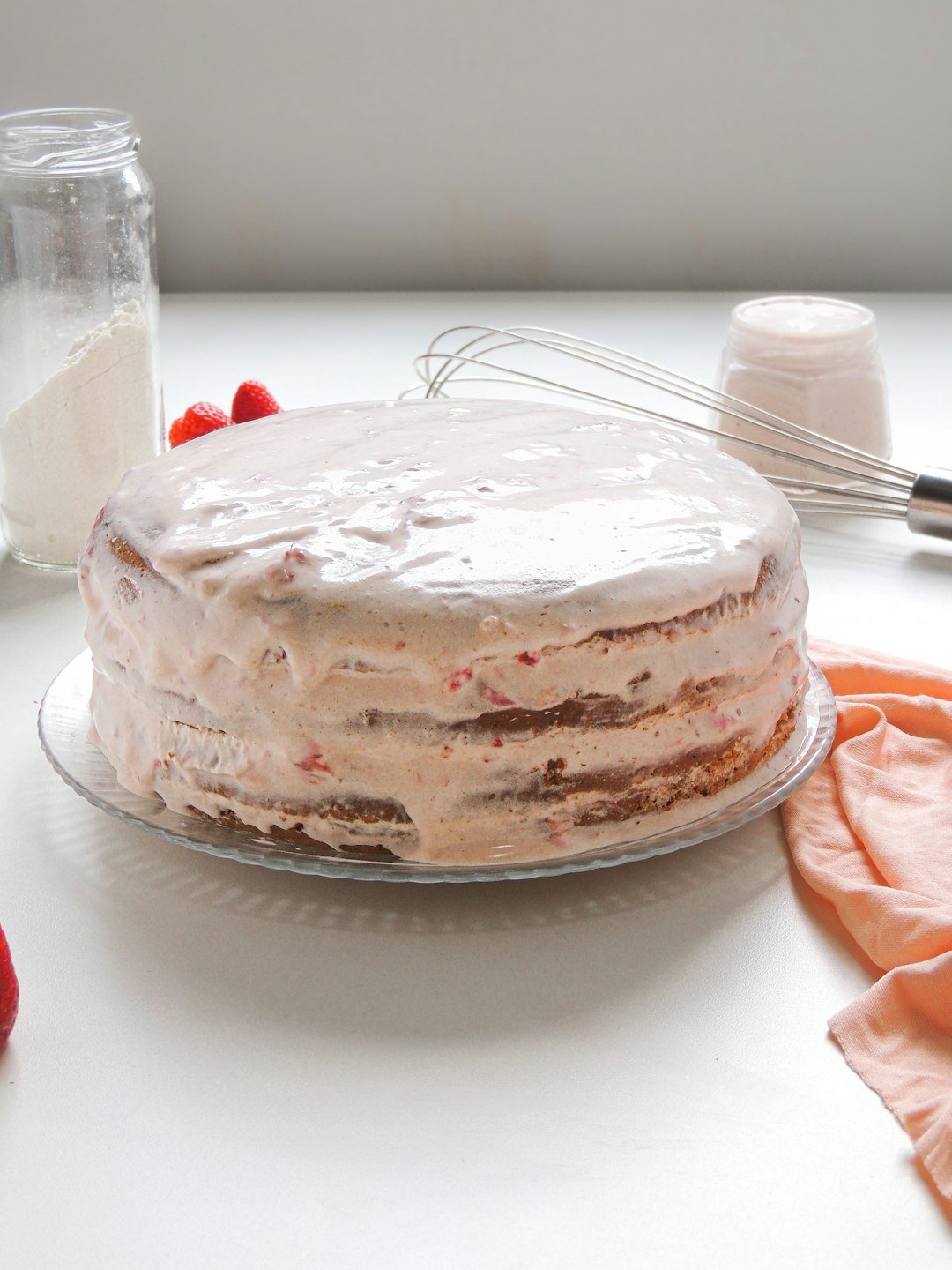
Baking a perfect layered cake can feel tricky, but the right cake pans make all the difference. If you want your layers to bake evenly and come out clean every time, knowing how to use your cake pans correctly is key.
You’ll discover simple tips that help you get smooth, beautiful layers without the stress. Ready to bake like a pro and impress everyone with your cakes? Keep reading—your best layered cake starts here.
Choosing The Right Cake Pan
Picking the right cake pan helps you bake perfect layered cakes. The pan affects the cake’s texture and how it cooks.
Consider the material, size, and shape of the pan. These factors change the baking time and the cake’s final look.
Material Matters
Cake pans come in different materials like metal, glass, and silicone. Each material changes how heat moves through the batter.
- Metal pansheat quickly and give a nice brown crust.
- Glass pansheat slowly and keep heat longer, so bake a bit longer.
- Silicone pansare flexible and non-stick but may bake unevenly.
Choose a material that fits your baking style and the recipe you use.
Size And Shape Considerations
Size and shape change the cake’s height and baking time. A bigger pan makes thinner layers. A smaller pan makes thicker layers.
| Pan Size | Effect on Cake | Baking Tip |
| 8-inch round | Thicker layers | Check for doneness earlier |
| 9-inch round | Thinner layers | May bake faster |
| Square 8-inch | More surface area | Use for layered or sheet cakes |
| Rectangular 9×13-inch | Thin layers or sheet cakes | Adjust baking time down |
Shapes like round, square, or rectangular add style and fit different occasions. Match your pan shape to the cake design.
Preparing Your Cake Pan
Preparing your cake pan well helps your layered cakes come out clean and smooth. It stops the cake from sticking and breaking.
Two main ways to prepare your pan are greasing it and lining it with parchment paper. Both make removing the cake easier.
Greasing Techniques
Greasing the cake pan creates a thin layer that stops the batter from sticking. Use butter, shortening, or oil.
Spread the grease evenly on the bottom and sides using a paper towel or a pastry brush.
- Use softened butter for easy spreading.
- Apply a thin, even coat to avoid greasy spots.
- Make sure to cover all corners and edges.
- Do not use too much grease to prevent soggy cake edges.
Lining With Parchment Paper
Lining the pan with parchment paper adds extra protection. It helps the cake release easily without damage.
Cut the parchment paper to fit the pan’s bottom and sides. Press it down to stay in place.
- Trace the pan on parchment paper and cut out the shape.
- For round pans, cut a circle for the bottom.
- Cut strips for the sides if needed.
- Grease the pan first, then place the parchment paper inside.
Filling The Cake Pan
Filling your cake pans correctly helps your layered cakes bake evenly. It prevents spills and uneven layers.
Use the right amount of batter and fill each pan with care for the best results.
Measuring Batter Evenly
Pour the batter into the pans evenly to avoid uneven cake layers. This makes stacking easier and the cake looks better.
- Use a kitchen scale to weigh batter for each pan.
- Divide the total batter by the number of pans.
- Pour batter into each pan until it reaches the measured weight.
- Tap the pans gently on the counter to remove air bubbles.
Avoiding Overfill
Do not fill pans too full. Overfilled pans cause batter to spill and make uneven cakes.
| Pan Size | Recommended Batter Fill |
|---|---|
| 6-inch | About 2/3 full |
| 8-inch | About 1/2 to 2/3 full |
| 9-inch | About 1/2 full |

Credit: sallysbakingaddiction.com
Baking Tips For Even Layers
Baking even cake layers is key to making a beautiful layered cake. Uneven layers can make your cake look lopsided and hard to stack.
Using the right techniques helps your cake layers bake evenly and look great. Here are some helpful tips.
Rotating Pans For Uniform Baking
Ovens often have hot spots that cause uneven baking. Rotating your pans during baking helps fix this problem.
Turn your cake pans halfway through the baking time. This lets each side get equal heat and bake evenly.
Using Baking Strips
Baking strips keep the edges of your pans cooler. This slows the edges from cooking too fast and helps layers bake flat.
You can buy baking strips or make your own with wet cloth strips wrapped around the pan.
Cooling And Removing Cakes
Using the right methods for cooling and removing cakes helps keep them perfect. Careful handling prevents cracks and breaks.
This guide covers how to cool your cakes properly and how to take them out of pans safely.
Cooling On A Rack
After baking, let the cake cool in the pan for about 10 minutes. Then, transfer it to a wire rack to cool completely.
- Place the rack in a draft-free area to avoid uneven cooling.
- Keep the cake elevated so air can circulate around it.
- Do not cover the cake while cooling to prevent sogginess.
- Cooling on a rack helps avoid moisture buildup under the cake.
Releasing Cake Without Damage
Removing cakes from pans can be tricky. Use the right tools and gentle methods to keep your cake intact.
| Tip | How To Do It |
|---|---|
| Grease and flour pans | Coat pans before baking to prevent sticking |
| Run a knife around edges | Use a thin knife to loosen cake from pan sides |
| Cool for 10 minutes | Let cake rest before removing to firm up |
| Invert carefully | Place a rack or plate on top, then flip gently |
| Use parchment paper | Line pans for easy lifting of cakes |

Credit: sallysbakingaddiction.com
Layering And Assembling
Using cake pans correctly helps make neat layered cakes. The key is to layer and assemble with care. This ensures your cake looks good and stays stable.
Follow simple tips for leveling cake layers and stacking them with stability. These steps make your baking easier and the results better.
Leveling Cake Layers
Leveling cake layers means cutting off the rounded tops. This makes each layer flat and even. Flat layers stack better and prevent your cake from leaning.
- Use a serrated knife or cake leveler to trim the top.
- Turn the cake upside down for easier leveling.
- Cut slowly and carefully to avoid crumbs.
- Check the layer with a ruler for even thickness.
- Save the trimmed pieces for cake pops or crumbs.
Stacking With Stability
Stacking cake layers carefully keeps your cake steady. Use frosting or filling between layers to glue them together. Support the cake with dowels if it is tall.
| Tip | Why It Helps |
| Spread even frosting between layers | Prevents sliding and adds flavor |
| Use a cake board under each layer | Supports weight and keeps layers stable |
| Insert dowels for tall cakes | Prevents layers from collapsing |
| Chill the cake before decorating | Firm frosting keeps layers in place |
Decorating Layered Cakes
Layered cakes look beautiful with the right decoration. Using cake pans well helps create even layers.
Good decorating makes your cake stand out for any event or party.
Frosting Techniques
Frosting covers the cake and adds flavor. Smooth frosting gives a clean, polished look.
Use a spatula or knife to spread frosting evenly on each layer. Chill the cake to set the frosting.
- Crumb coat first to trap loose crumbs
- Apply a thicker layer for a soft, creamy feel
- Use a turntable for smooth, even frosting
- Try piping for decorative edges or patterns
Creative Finishing Touches
Adding small details makes your cake unique and eye-catching. Simple decorations can look elegant.
Use fresh fruit, edible flowers, or sprinkles for color and texture. Chocolate shavings or nuts add crunch.
- Place fresh berries on top or between layers
- Use edible glitter or colored sugar for shine
- Arrange piped rosettes or stars around the edges
- Add a drizzle of chocolate or caramel for taste and look
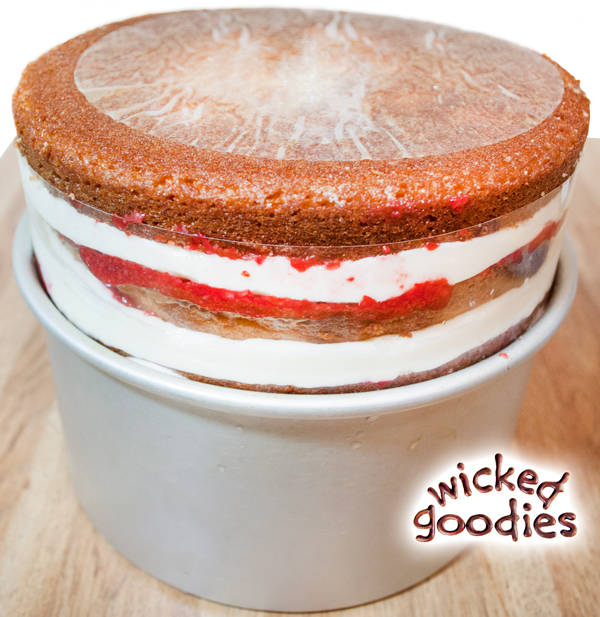
Credit: wickedgoodies.com
Troubleshooting Common Issues
Using cake pans for layered cakes can sometimes cause problems. Knowing how to fix these issues saves time and keeps your cakes looking great.
Two common problems are cake layers sticking to the pan and uneven layers. Here are simple tips to solve these problems.
Dealing With Sticking
Cakes often stick to pans if the pan is not prepared well. This can break your cake when you try to remove it.
To avoid sticking, always grease the pan with butter or oil. Then, lightly dust it with flour or use parchment paper.
- Grease the pan evenly with butter or oil
- Sprinkle a thin layer of flour and tap out the extra
- Use parchment paper on the bottom for easy removal
- Let the cake cool for 10-15 minutes before removing
- Run a knife around the edges to loosen the cake
Correcting Uneven Layers
Uneven cake layers happen when the batter is not spread evenly or the pan is tilted. This makes stacking and decorating harder.
Use these tips to get smooth, even layers every time.
- Pour batter evenly and spread it with a spatula
- Tap the pan gently on the counter to remove air bubbles
- Use a baking strip around the pan to keep heat even
- Check your oven rack is level before baking
- Trim the tops of cakes with a serrated knife if needed
Frequently Asked Questions
How Do I Prepare Cake Pans For Layered Cakes?
Grease the pans lightly with butter or oil. Then, dust with flour or use parchment paper for easy cake release. Proper preparation prevents sticking and ensures smooth layers.
What Size Cake Pans Are Best For Layered Cakes?
Use pans of the same size and depth for even layers. Common sizes are 8 or 9 inches in diameter. Consistent size helps in uniform baking and stacking.
Can I Use Metal And Glass Pans Interchangeably?
Metal pans heat evenly and bake faster. Glass pans heat slower but retain heat longer. Avoid mixing for layered cakes to ensure even baking.
How Do I Prevent Cake Layers From Sticking?
Grease the pans well, use parchment paper, and avoid overbaking. Let cakes cool slightly before removing. This ensures clean, intact layers for stacking.
Conclusion
Using cake pans correctly helps create perfect layered cakes. Choose the right size and prepare pans well. Grease and line pans to stop sticking. Pour batter evenly for smooth layers. Bake at the right temperature and check often. Cool cakes before removing from pans.
These simple tips save time and improve results. Enjoy baking and share your delicious layered cakes with friends. Practice makes your cakes look better each time. Keep these steps in mind for great baking success.