
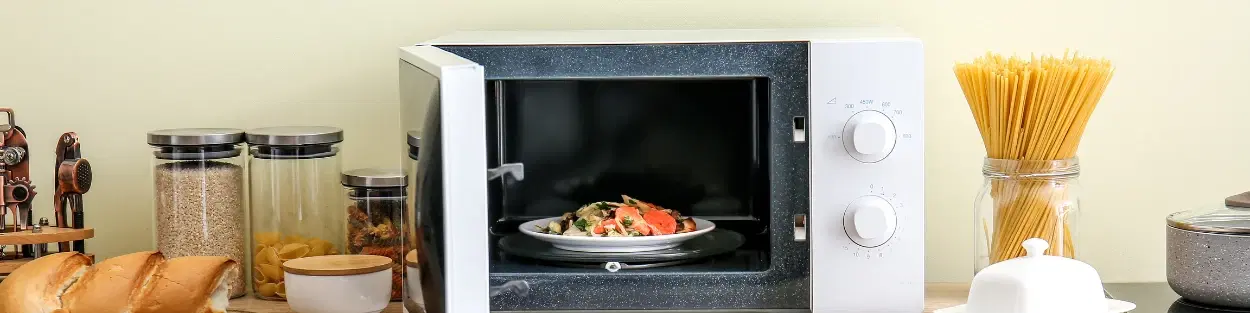
Are you making the most out of your convection microwave? This handy kitchen appliance can do so much more than just heat food quickly.
When used efficiently, it saves you time, energy, and even improves the taste of your meals. But are you using it the right way to unlock its full potential? You’ll discover simple tips that will help you cook faster, cleaner, and smarter with your convection microwave.
Keep reading to transform your cooking experience and impress everyone with delicious results every time.
Credit: www.tataneu.com
Choosing The Right Convection Microwave
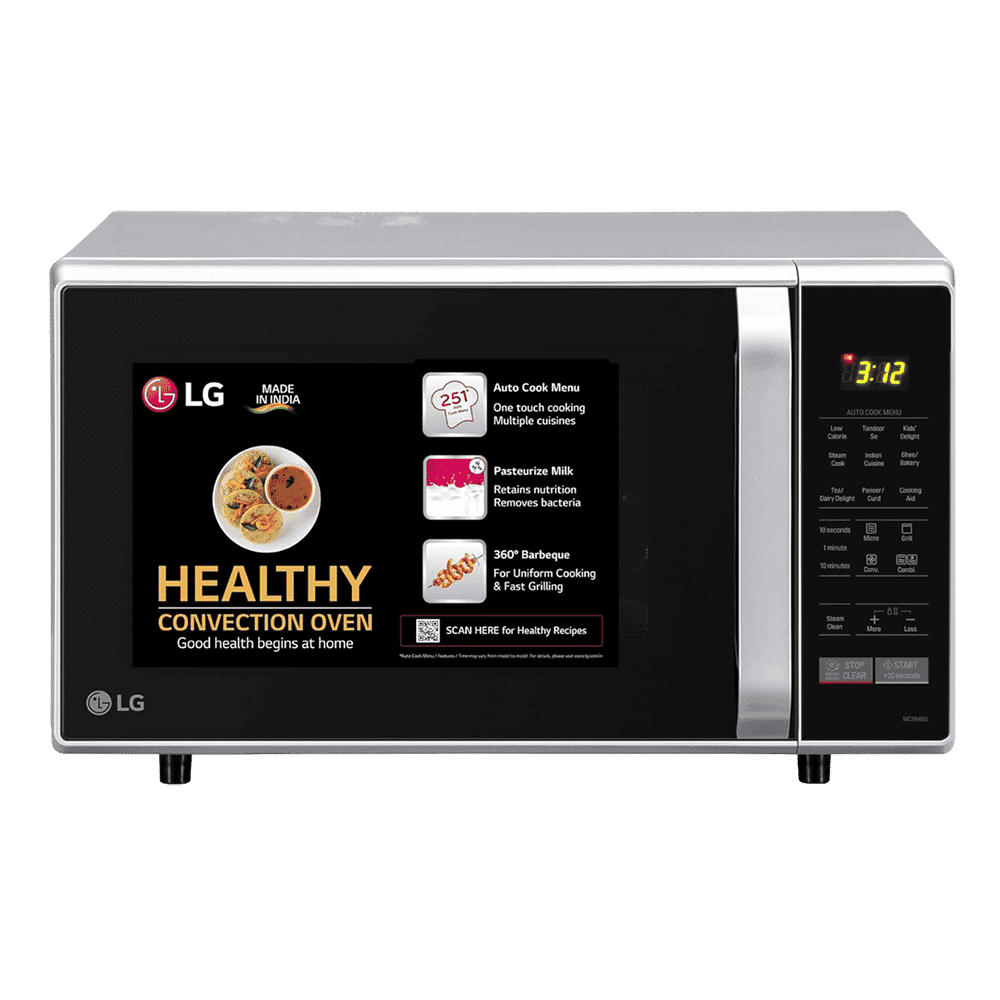
Choosing the right convection microwave helps you cook faster and better. It combines microwave and convection heat for versatile cooking.
Look for features that match your cooking needs. Size, capacity, and energy use are key factors to consider.
Features To Consider
Check the cooking modes available in the microwave. Some have preset menus for easy cooking. Look for adjustable power levels and temperature control.
- Multiple cooking modes for different foods
- Easy-to-use control panel
- Timer and auto shut-off features
- Child safety lock
Size And Capacity
Think about the space you have in your kitchen. Measure the spot before buying. The microwave should fit well without crowding the counter.
Capacity is important for cooking larger meals. It is usually measured in liters or cubic feet. Choose a size that fits your family needs.
- Small (up to 20 liters) for 1-2 people
- Medium (20-30 liters) for small families
- Large (over 30 liters) for big families or batch cooking
Energy Efficiency
Energy-efficient microwaves save electricity and reduce bills. Look for models with good energy ratings. Some use less power in standby mode.
Convection microwaves cook food faster, which also saves energy. Check if the microwave has an energy-saving mode or automatic power adjustment.
Understanding Convection Microwave Functions
Convection microwaves combine microwave and convection oven features. They cook food faster and more evenly than regular microwaves.
Knowing how these functions work helps you use the appliance efficiently and get better results.
Convection Vs. Traditional Microwaves
Traditional microwaves cook food by using microwaves that heat water molecules inside. This heats food quickly but can leave some parts cold.
Convection microwaves add a fan and heating element. This allows hot air to circulate and cook food like a regular oven.
- Traditional microwaves heat food unevenly
- Convection microwaves cook food evenly with hot air
- Convection mode can brown and crisp food
- Traditional microwaves cannot brown or crisp
How Convection Cooking Works
The convection mode uses a heating element and fan inside the microwave. The fan moves hot air around the food.
This hot air cooks the food from outside in, creating a crispy texture. It also cooks food more evenly than microwaves alone.
- The heating element warms the air inside the microwave
- The fan circulates hot air around the food
- Hot air cooks food evenly and crisps surfaces
- This method works like a small oven inside the microwave
Preparing For Cooking
Using a convection microwave helps cook food faster and more evenly. Preparing well before cooking saves time and energy.
Knowing how to preheat and choosing the right cookware can improve your cooking results.
Preheating Tips
Preheating your convection microwave helps food cook evenly. It creates the right temperature before you start cooking.
Most recipes say how long to preheat. If not, 3 to 5 minutes is usually enough.
- Turn on the microwave to the cooking temperature
- Wait until it reaches the set heat level
- Place food inside right after preheating
- Avoid opening the door during preheating to keep heat inside
Selecting Suitable Cookware
Use cookware that works well with convection microwaves. The right type helps heat spread evenly.
Avoid metal pans that block microwaves. Glass, ceramic, and microwave-safe plastic are good choices.
- Choose heat-safe glass or ceramic dishes
- Use microwave-safe plastic containers
- Avoid metal trays or foil inside the microwave
- Pick cookware that fits well inside the microwave cavity
Cooking Techniques For Best Results
Using a convection microwave can speed up cooking. It cooks food evenly by circulating hot air. Knowing the right techniques helps you get the best results.
Each cooking method works differently. Learning how to bake, roast, grill, and brown with a convection microwave will improve your meals.
Baking With A Convection Microwave
Baking in a convection microwave uses hot air to cook food quickly. It gives a crisp crust and soft inside. Use lower temperatures than a regular oven.
- Preheat the microwave before baking.
- Use baking dishes that allow air circulation.
- Check food often to avoid overcooking.
- Reduce baking temperature by 25°F compared to a conventional oven.
- Place food in the center of the turntable for even heat.
Roasting Techniques
Roasting in a convection microwave cooks meat and vegetables evenly. It seals in juices and browns the surface nicely. Use a rack to lift food off the plate.
| Type of Food | Suggested Temperature | Cooking Tip |
| Chicken | 350°F | Use a rack for even heat |
| Vegetables | 375°F | Cut into even pieces |
| Beef | 360°F | Rest meat after cooking |
Grilling And Browning
Grilling and browning add texture and flavor to food. Use the microwave’s grill function to get a crispy top. Turn food halfway through cooking.
- Preheat the grill feature for best results.
- Use grill-safe cookware or trays.
- Keep food close to the grill element.
- Watch food closely to avoid burning.
- Flip food to brown both sides evenly.
Maximizing Energy Efficiency
Using a convection microwave efficiently saves energy and time. Small changes in how you cook can lower power use.
Learn simple tips to cook faster and avoid wasting energy. This helps reduce your electricity bills and carbon footprint.
Optimal Cooking Times
Set the cooking time just right for your food. Overcooking wastes energy and may dry out meals.
Check food early to avoid extra cooking. Use shorter times and add more if needed.
- Use preset cooking times for common foods
- Cut food into smaller pieces for faster cooking
- Cover dishes to keep heat inside
- Stir or turn food halfway to cook evenly
Power Level Adjustments
Lower power levels save energy by cooking food gently. High power is good for quick heating only.
Use medium or low power for longer cooking times. This keeps food moist and uses less electricity.
- Use high power for boiling or reheating liquids
- Use medium power for cooking meats and vegetables
- Use low power for defrosting and slow cooking
- Adjust power based on food type and size
Cleaning And Maintenance
Keeping your convection microwave clean helps it work better and last longer. Regular care stops smells and food buildup.
Simple cleaning steps make maintenance easy. Use safe methods to protect your microwave’s parts.
Routine Cleaning Tips
Wipe your microwave after every use. This stops food from hardening and keeps the inside fresh.
- Use a damp cloth with mild soap for the interior.
- Clean the turntable and racks regularly.
- Dry all parts before use to avoid damage.
- Check and clean the door seal to keep it tight.
- Wipe the outside with a soft, damp cloth.
Dealing With Stubborn Stains
Some stains need extra care to remove. Use natural cleaners that are safe for your microwave.
| Stain Type | Cleaning Method | Notes |
|---|---|---|
| Grease | Wipe with vinegar and water mix | Let sit 5 minutes before wiping |
| Burnt food | Steam with lemon water for 10 minutes | Use soft sponge to scrub gently |
| Odors | Place baking soda inside overnight | Remove and wipe clean next day |
Troubleshooting Common Issues
Using a convection microwave can save time and energy. Yet, some problems may affect how well it cooks food.
This guide helps you fix two common issues: uneven cooking and power fluctuations.
Uneven Cooking Solutions
Uneven cooking happens when heat spreads poorly inside the microwave. This can leave parts of your food undercooked or overcooked.
- Use microwave-safe round dishes to help heat spread evenly.
- Place food in the center of the turntable for uniform cooking.
- Stir or rotate food halfway through cooking if your microwave lacks a turntable.
- Avoid stacking food pieces; spread them out in a single layer.
- Check if the turntable is clean and spins freely.
Addressing Power Fluctuations
Power fluctuations cause the microwave to heat inconsistently. This affects cooking speed and results.
| Issue | Possible Cause | Solution |
| Microwave stops mid-cycle | Power surge or short circuit | Reset the microwave and check your circuit breaker |
| Heating is weak | Voltage drop or faulty power outlet | Try a different outlet or call an electrician |
| Microwave sparks inside | Metal object inside or damaged magnetron | Remove metal items; service the microwave |

Credit: www.tataneu.com
Enhancing Cooking Experience
Using a convection microwave can make cooking faster and easier. It combines microwave power with hot air circulation. This helps food cook evenly and stay crispy.
Learning how to use your convection microwave well improves your meals. You can save time and get better results.
Using Accessories Effectively
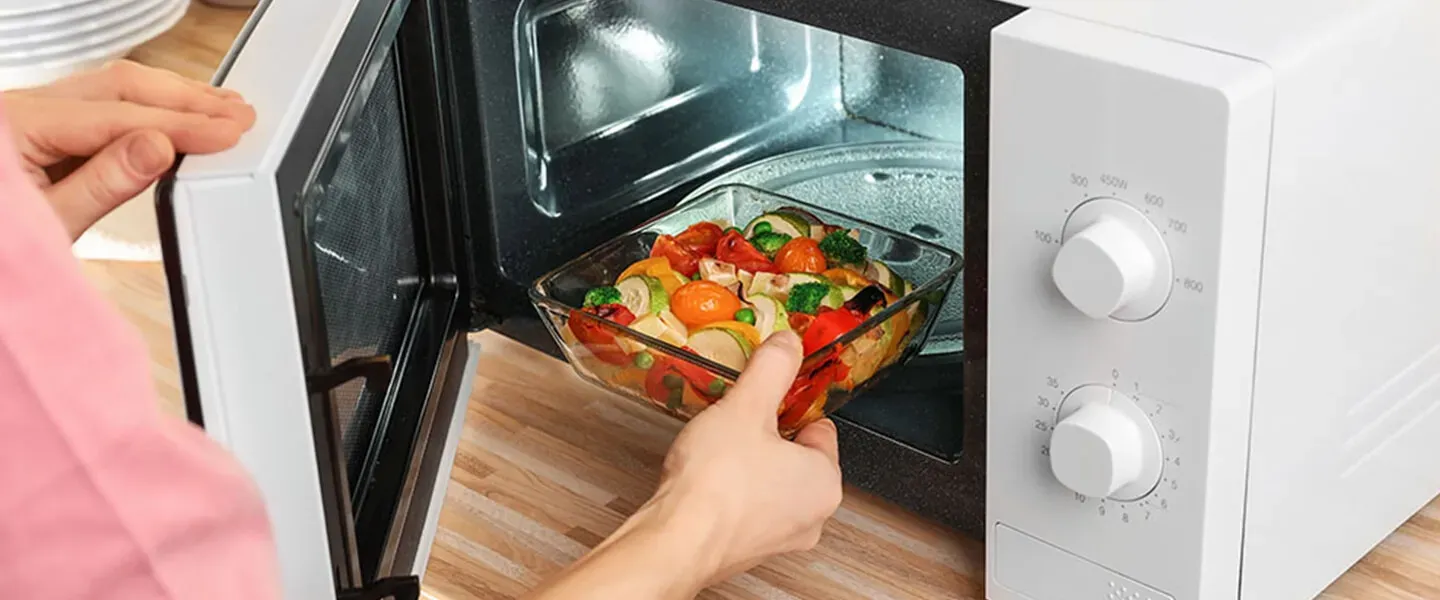
Accessories help you use your convection microwave better. Use the right trays, racks, and dishes to cook food evenly. Metal racks let hot air flow under the food.
Some accessories are safe for microwaves, like glass and ceramic. Avoid using plastic that can melt or metal that blocks microwaves.
- Use metal racks to crisp food from all sides
- Choose microwave-safe glass or ceramic dishes
- Avoid plastic that can melt or warp
- Use baking trays made for convection microwaves
- Keep accessories clean to avoid odors
Exploring Advanced Features
Many convection microwaves have advanced features. These include preset cooking modes, sensor cooking, and multi-stage cooking. These tools help you cook food perfectly.
Sensor cooking adjusts time and power based on food moisture. Multi-stage cooking lets you set different cooking steps. Presets save time by using recommended settings.
- Use preset modes for common foods like pizza or chicken
- Try sensor cooking to avoid overcooking
- Set multi-stage cooking for complex recipes
- Check the manual to learn your microwave’s features
- Experiment with settings to find what works best
Credit: www.woodcocks.us
Frequently Asked Questions
How Do I Choose The Right Settings For Convection Microwave?
Select the appropriate mode based on your dish. Use convection for baking, microwave for reheating, or combo for faster cooking. Adjust temperature and time according to the recipe for optimal results.
Can I Use Regular Cookware In A Convection Microwave?
Use microwave-safe and oven-safe cookware. Avoid metal containers unless specified for convection use. Glass, ceramic, and silicone are generally safe and help cook food evenly.
How To Prevent Food From Drying In Convection Microwave?
Cover food with a microwave-safe lid or wrap to retain moisture. Use lower temperatures and shorter cooking times for delicate dishes. Adding a small amount of water can also help keep food moist.
What Maintenance Tips Improve Convection Microwave Efficiency?
Clean the interior regularly to avoid residue buildup. Check the door seal for tightness. Replace filters as recommended. Proper maintenance ensures consistent heating and extends appliance life.
Conclusion
Using a convection microwave wisely saves time and energy. Always preheat for even cooking. Use the right settings for each food type. Check the food often to avoid overcooking. Clean the microwave regularly to keep it working well. Small habits make a big difference in cooking results.
Enjoy tasty meals with less hassle and effort. Simple steps lead to better use and longer appliance life. Keep practicing these tips to cook smarter every day.