
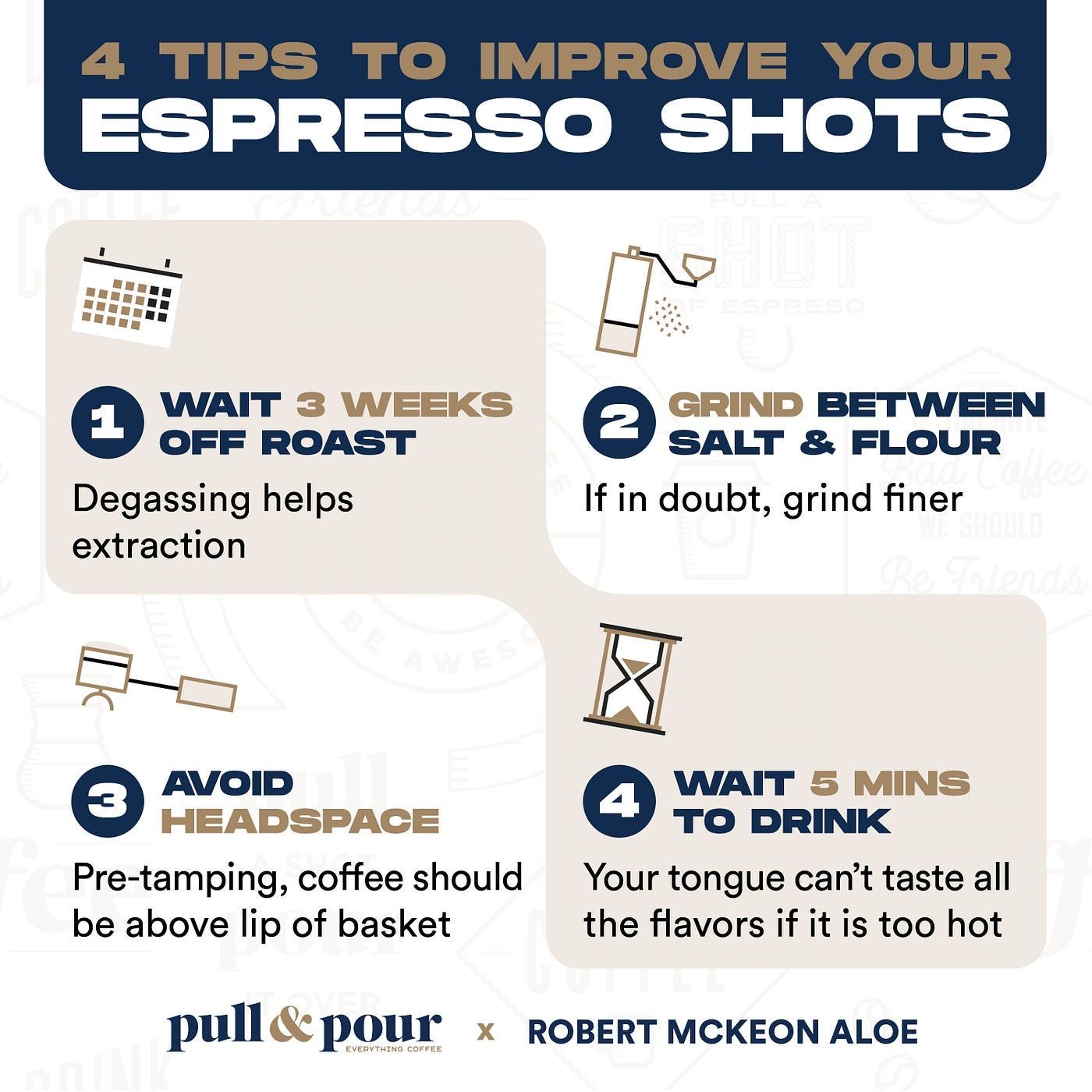
Are you new to using an espresso machine and unsure where to start? Making the perfect shot of espresso can feel tricky at first, but with the right tips, you’ll be brewing like a pro in no time.
Imagine waking up to rich, bold coffee made exactly the way you like it—right at home. You’ll discover simple, practical advice that takes the guesswork out of espresso making. Keep reading, and you’ll unlock the secrets to creating delicious coffee that will impress your taste buds every single time.

Credit: m.youtube.com
Choosing The Right Espresso Machine
Buying your first espresso machine can be confusing. There are many types and features to think about.
Picking the right machine helps you enjoy fresh espresso at home without trouble.
Manual Vs. Automatic Options
Manual machines need you to control every step. You grind, pack, and press the coffee yourself.
Automatic machines do most work for you. They push water through the coffee with one button.
- Manual machines give more control over taste
- Automatic machines are faster and easier to use
- Manual machines need practice to use well
- Automatic machines suit busy mornings
Key Features To Consider
Look for features that fit your lifestyle and skill level. Some features make brewing easier.
Consider size, water tank, and pressure control. These affect your espresso quality and machine use.
- Pressure pump: 9 bars is ideal for good espresso
- Water tank size: bigger tanks need less refilling
- Steam wand: useful for making milk foam
- Size: choose one that fits your kitchen space
- Ease of cleaning: removable parts help
Essential Tools And Accessories
Using an espresso machine is easier with the right tools. These accessories help you make better coffee.
They improve the taste and make the process smoother for beginners.
Grinders And Their Importance
A good grinder is key to fresh espresso. It breaks coffee beans into small, even pieces.
Consistent grind size helps water flow evenly through the coffee for better flavor.
- Burr grinders give a uniform grind size
- Blade grinders can produce uneven coffee grounds
- Adjustable grinders let you change grind size easily
Tampers And Their Role
A tamper presses coffee grounds into a firm, even puck. This helps water pass through well.
Using the right pressure makes espresso taste balanced and smooth.
- Choose a tamper that fits your portafilter size
- Flat tampers create even surfaces
- Use firm, steady pressure when tamping
Cleaning Supplies
Cleaning tools keep your espresso machine working well. They remove coffee oils and residue.
Regular cleaning improves taste and extends machine life.
- Use brushes for group heads and grinders
- Cleaning tablets help remove buildup inside the machine
- Soft cloths prevent scratches on surfaces
Setting Up Your Espresso Machine
Setting up your espresso machine correctly is important for good coffee. Taking time to prepare helps you get better results.
This guide covers the basic setup steps and key settings to adjust. You will learn about grind size, water, and temperature.
Initial Setup Steps
Start by placing your machine on a flat, stable surface near a power outlet. Make sure it is clean and dry before use.
Fill the water tank with fresh, cold water. Check the machine’s manual for how to install the portafilter and attach the group head.
- Place the machine on a level surface
- Fill the water reservoir with fresh water
- Insert and lock the portafilter correctly
- Plug in the machine and turn it on
- Allow the machine to heat up fully
Adjusting The Grind Size
The grind size controls how water flows through the coffee. Finer grinds make stronger espresso but can slow down extraction.
Use a burr grinder for more consistent coffee grounds. Test different settings until the shot takes about 25-30 seconds to pour.
- Start with a medium-fine grind
- Adjust finer if water flows too fast
- Adjust coarser if water flows too slow
- Use fresh coffee beans for best results
Water And Temperature Settings
Use clean, fresh water to avoid bad taste. The water temperature should be between 195°F and 205°F (90°C to 96°C).
Most machines have a built-in thermostat. If your machine allows temperature control, set it within this range for balanced flavor.
- Use filtered or bottled water if possible
- Keep water temperature between 195°F and 205°F
- Check your machine’s temperature settings
- Warm the cup before brewing for better taste
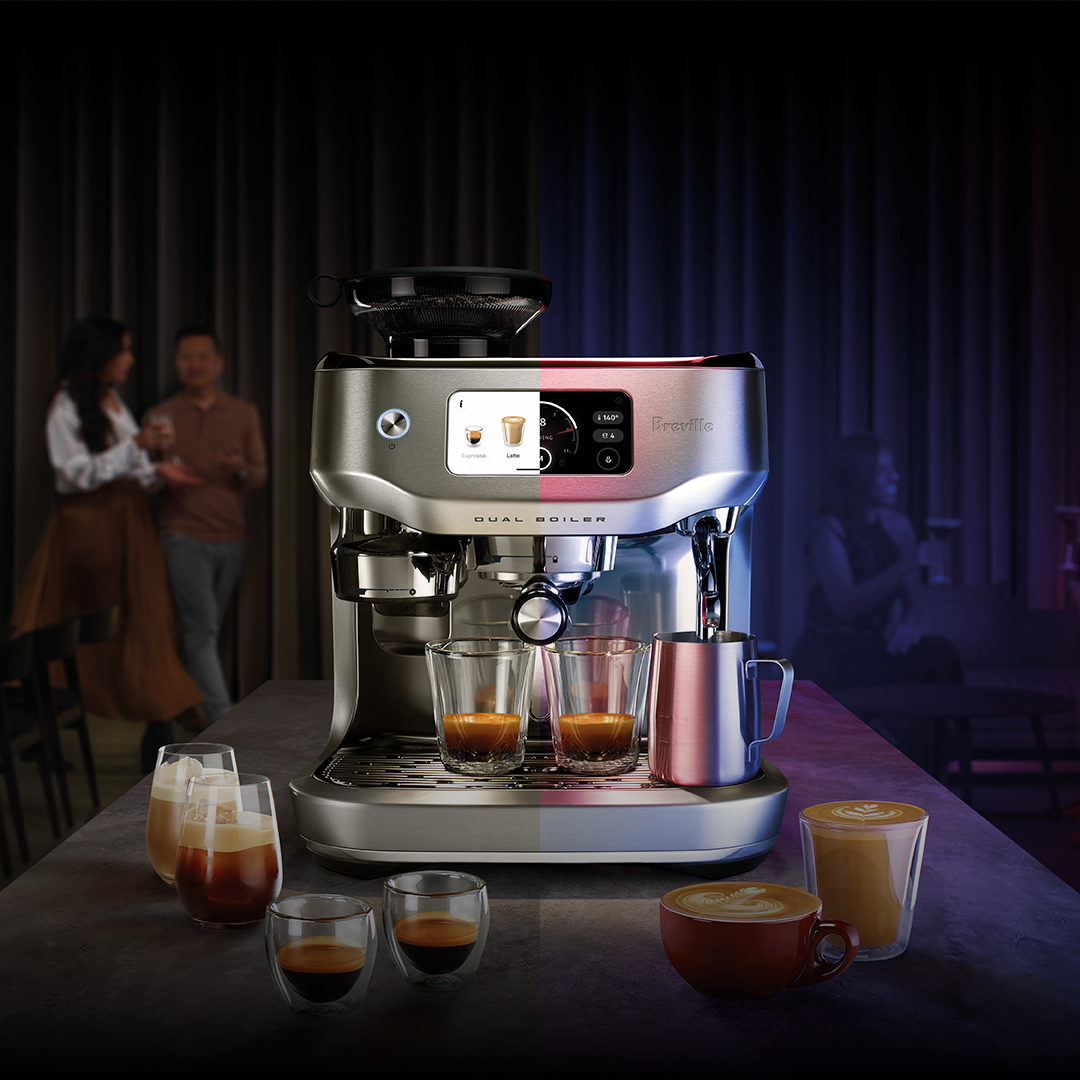
Credit: www.breville.com
Basic Espresso Brewing Techniques
Using an espresso machine can seem hard for beginners. Learning basic brewing techniques helps get better coffee. These tips cover important steps to start making espresso at home.
Focus on the right dose, tamping pressure, pulling the shot, and extraction time. Each part affects the espresso taste and quality.
Dosing And Tamping
Dosing means measuring the right amount of coffee grounds. Tamping means pressing the grounds evenly in the portafilter. Both steps help water flow correctly during brewing.
- Use a coffee scale to measure 18 to 20 grams of coffee.
- Distribute grounds evenly in the portafilter before tamping.
- Press the grounds firmly with about 30 pounds of pressure.
- Keep the tamper flat and level to avoid uneven extraction.
Pulling The Perfect Shot
Pulling a shot means starting the espresso machine to brew coffee. Watch the flow and color of the espresso as it pours. A good shot looks rich and smooth.
- Lock the portafilter into the machine firmly.
- Start the brew cycle and watch the espresso flow.
- Stop the shot at about 25 to 30 seconds.
- Check for a steady, thin stream of coffee resembling warm honey.
Understanding Extraction Time
| Extraction Time | Effect on Espresso |
|---|---|
| Less than 20 seconds | Under-extracted, sour and weak flavor |
| 25–30 seconds | Balanced, rich, and smooth taste |
| More than 30 seconds | Over-extracted, bitter and harsh taste |
Extraction time controls the taste of espresso. Adjust grind size or dose if your shot is too fast or slow. Aim for 25 to 30 seconds for best results.
Frothing Milk For Beginners
Frothing milk adds creamy texture to your espresso drinks. It makes lattes and cappuccinos taste smooth and rich.
Learning to froth milk takes practice. Start with simple tips to get good foam every time.
Choosing The Right Milk
Different types of milk froth differently. Whole milk makes thick, creamy foam. Skim milk creates lighter, airier foam.
Try these milk options to find your favorite froth:
- Whole milk for rich, creamy texture
- 2% milk for balanced foam and creaminess
- Skim milk for light, airy foam
- Oat milk as a dairy-free option with good froth
- Almond milk for a nutty flavor and light foam
Steaming Tips And Tricks
Start with cold milk and a clean steam wand. Use fresh milk each time for best foam.
Keep the steam wand just below the milk surface to create small bubbles. Tilt the pitcher slightly to make a whirlpool.
- Use cold milk for better control
- Keep steam wand near the surface for foam
- Move the pitcher to create a whirlpool effect
- Stop steaming when milk reaches 140°F (60°C)
- Clean the steam wand immediately after use
Creating Latte Art
Pour steamed milk slowly into your espresso. Aim to mix foam and liquid for smooth texture.
Start with simple shapes like hearts or circles. Use a steady hand and practice your pouring speed.
- Pour milk close to the cup edge
- Raise the pitcher to pour milk deeper
- Lower the pitcher to add foam on top
- Move pitcher gently to create shapes
- Practice often to improve your designs
Troubleshooting Common Issues
Using an espresso machine can be easy if you know how to fix common problems. Beginners often face issues with taste, crema, and machine care.
This guide helps you identify and solve these problems. Follow simple tips to improve your espresso experience.
Bitter Or Sour Espresso
Bitter espresso can taste harsh, while sour espresso may taste too sharp or acidic. Both affect the drink’s balance.
These flavors often come from grind size, water temperature, or extraction time. Adjusting these can improve taste.
- Use a finer grind to reduce sourness.
- Use a coarser grind to reduce bitterness.
- Keep water temperature between 195°F and 205°F (90°C to 96°C).
- Extract espresso for about 25 to 30 seconds.
Inconsistent Crema
Crema is the golden foam on top of espresso. It shows a good shot but can be thin or missing sometimes.
Inconsistent crema often comes from old coffee, low pressure, or poor tamping. Fix these to get better crema.
- Use fresh, high-quality coffee beans.
- Ensure the machine pressure is around 9 bars.
- Tamp coffee grounds evenly with moderate force.
- Clean the portafilter and group head regularly.
Machine Maintenance Problems
Espresso machines need regular cleaning to work well. Ignoring maintenance can cause leaks, poor taste, or breakdowns.
Common maintenance issues include clogged filters, scale buildup, and dirty steam wands. Keep your machine clean to avoid these.
- Descale the machine every 1-3 months using a descaling solution.
- Clean the portafilter, group head, and steam wand after each use.
- Check and replace water filters as needed.
- Run water through the machine before and after brewing.
Cleaning And Maintenance Tips
Using an espresso machine daily means regular cleaning is important. Proper care keeps your machine working well.
Follow simple cleaning and maintenance steps. These help you enjoy great coffee and extend the machine’s life.
Daily Cleaning Routine
Clean your espresso machine every day after use. This stops coffee oils and grounds from building up.
- Wipe the steam wand with a damp cloth after each use.
- Rinse the portafilter and filter basket with warm water.
- Empty the drip tray and rinse it.
- Flush the group head by running water through it without coffee.
- Clean the machine’s exterior with a soft cloth.
Descaling The Machine
Descale your espresso machine to remove mineral buildup from water. This keeps water flowing smoothly.
- Use a descaling solution made for espresso machines.
- Mix the solution with water following the instructions.
- Run the solution through the machine as if making coffee.
- Flush the machine with clean water to remove any solution.
- Repeat descaling every 1–3 months depending on water hardness.
Long-term Maintenance Advice
Keep your espresso machine in good shape with regular checks and care. Replace parts as needed to avoid problems.
| Maintenance Task | Frequency | Details |
| Replace water filter | Every 2–3 months | Improves water quality and protects machine |
| Check group head gasket | Every 6 months | Replace if leaking or worn out |
| Clean grinder burrs | Every 3 months | Removes coffee residue for consistent grind |
| Inspect steam wand | Monthly | Clear milk buildup to avoid clogging |

Credit: www.passportcoffeeshop.com
Frequently Asked Questions
How Do I Choose The Right Espresso Grind Size?
For beginners, choose a fine grind size. It helps extract the best flavor. Too coarse or too fine grinds can affect taste and brewing time.
What Is The Ideal Water Temperature For Espresso?
The ideal water temperature is between 195°F and 205°F. This range ensures proper extraction and balanced flavor without bitterness or sourness.
How Much Coffee Should I Use Per Shot?
Use about 18-20 grams of coffee for a double shot. This amount helps achieve a rich and balanced espresso.
How Long Should I Pull An Espresso Shot?
Aim for a shot time between 25 to 30 seconds. This timing extracts optimal flavor without over or under-extraction.
Conclusion
Using an espresso machine can seem hard at first. Practice makes your coffee taste better. Start with simple steps and learn slowly. Clean your machine after each use. Fresh coffee beans help improve flavor. Adjust grind size and water temperature as you go.
Enjoy making your own espresso at home. Each cup is a chance to improve. Keep trying, and you will get better every day. Brewing espresso can be fun and rewarding.