
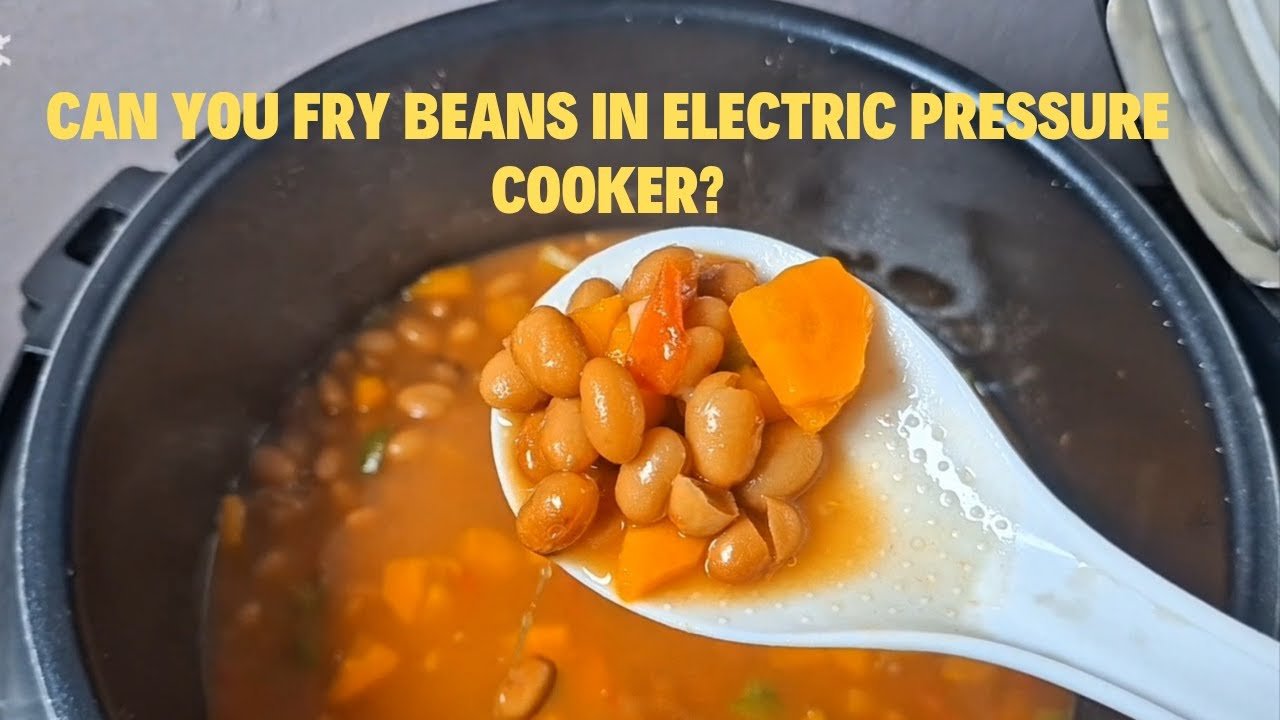
Are you tired of waiting hours for your beans to cook? What if you could cut that time down to just minutes without losing flavor or texture?
Using a pressure cooker for beans is a game-changer that can save you time, energy, and frustration. You’ll discover simple steps to cook perfect beans every time, whether you’re a beginner or just want to improve your skills. Keep reading, and soon you’ll be enjoying delicious, tender beans faster than ever before.
Benefits Of Cooking Beans In A Pressure Cooker
Cooking beans can take a long time on the stove. Using a pressure cooker makes it faster and easier.
This method saves energy and keeps the beans soft and tasty. Many home cooks prefer this way.
Saves Time
A pressure cooker reduces cooking time by up to 70 percent. Beans that take hours can cook in less than an hour.
Retains Nutrients
Cooking beans in a pressure cooker keeps more vitamins and minerals. The sealed environment prevents nutrients from escaping.
Improves Texture And Flavor
The high pressure softens beans evenly. This creates a creamy texture and rich flavor without needing extra ingredients.
Energy Efficient Cooking
- Uses less gas or electricity than boiling on a stove
- Shorter cooking time means less energy waste
- Sealed pot traps heat for better cooking performance
Reduces Cooking Odor
The sealed lid keeps strong bean smells inside the pot. This helps keep your kitchen fresh during cooking.
Safe And Easy To Use
| Feature | Benefit |
| Locking Lid | Prevents accidents and spills |
| Pressure Release Valve | Controls steam safely |
| Timer Settings | Ensures perfect cooking time |
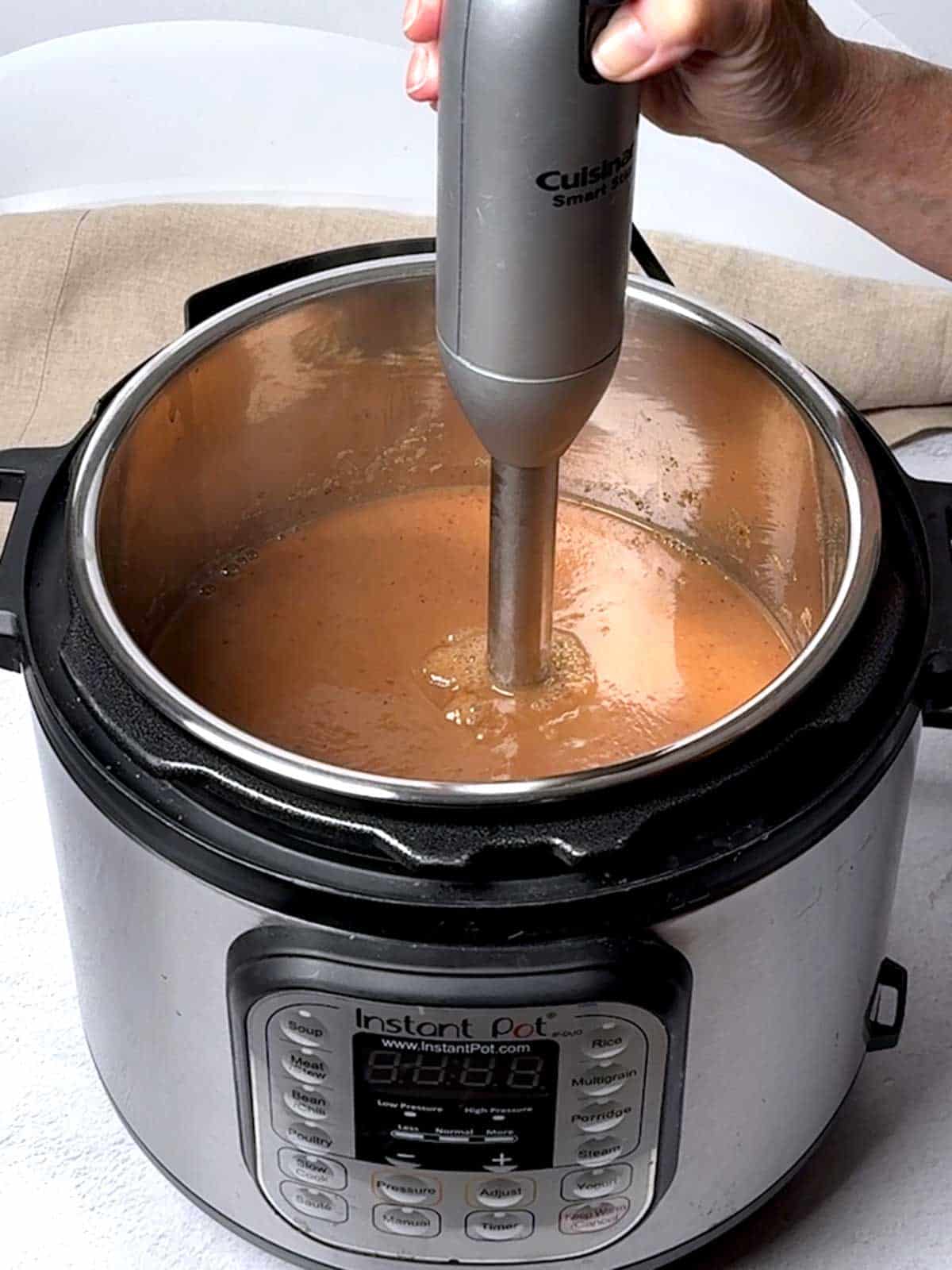
Credit: pudgefactor.com
Choosing The Right Pressure Cooker
Using a pressure cooker can save time when cooking beans. Picking the right pressure cooker helps you get the best results. There are two main things to think about before buying one.
This guide explains size considerations and features you should look for in a pressure cooker. It will help you choose the cooker that fits your needs.
Size Considerations
The size of the pressure cooker matters. It depends on how many people you cook for and how much beans you want to prepare.
- Small cookers (2 to 4 quarts) are good for singles or couples.
- Medium cookers (5 to 7 quarts) fit small families or meal prep.
- Large cookers (8 quarts or more) work well for big families or gatherings.
- Keep in mind the cooker should not be more than two-thirds full when cooking beans.
Features To Look For
| Feature | Why It Matters |
| Pressure Settings | Different pressure levels let you cook beans perfectly for different types. |
| Safety Locks | Safety locks prevent the cooker from opening under pressure. |
| Material | Stainless steel lasts longer and is easier to clean than aluminum. |
| Ease of Use | Simple controls and clear instructions make cooking easier. |
| Pressure Release | Easy pressure release helps prevent overcooking and accidents. |
Preparing Beans For Cooking
Cooking beans in a pressure cooker saves time and energy. Proper preparation helps beans cook evenly and taste better.
Start by sorting and cleaning your beans. Then, use a soaking method to soften them before cooking.
Sorting And Cleaning
Sorting beans removes stones and damaged beans. Cleaning rinses away dust and dirt from the beans.
- Spread the beans on a flat surface.
- Pick out small stones, broken beans, or foreign objects.
- Place the cleaned beans in a colander.
- Rinse under cold running water until water runs clear.
Soaking Methods
Soaking beans reduces cooking time and helps digestion. You can soak beans using cold water or hot water methods.
| Method | Process | Time |
|---|---|---|
| Cold Water Soak | Cover beans with cold water, soak in fridge | 8–12 hours |
| Hot Water Soak | Boil water, pour over beans, soak | 1–2 hours |
| No Soak (Quick Cook) | Add extra cooking time directly in pressure cooker | 30–40 minutes |
Pressure Cooking Basics
Pressure cookers use steam and high pressure to cook food fast. They are great for cooking beans quickly and evenly.
Using a pressure cooker saves time and energy. It also helps beans become soft and tasty without much effort.
Understanding Pressure Settings
Pressure cookers have different pressure levels. Most models have low and high settings.
High pressure cooks beans faster. Low pressure is gentler and good for delicate beans.
- High pressure: About 10-15 psi (pounds per square inch)
- Low pressure: About 5-7 psi
- Choose pressure based on bean type and recipe
Safety Tips
Pressure cookers can be safe if used correctly. Always follow the manufacturer’s instructions.
Check the lid seal and pressure release valve before cooking. Never force the lid open while under pressure.
- Do not overfill the cooker. Leave space for steam.
- Release pressure safely using the valve or natural release.
- Keep hands and face away from steam vents.
- Clean the cooker parts regularly to prevent blockages.
Step-by-step Cooking Process
Cooking beans in a pressure cooker saves time and keeps them tender. This guide will show you how to cook beans easily and quickly.
Follow these simple steps to prepare your beans perfectly every time using your pressure cooker.
Adding Ingredients
Start by rinsing your beans to remove any dirt or dust. Add the beans to the pressure cooker pot.
Pour in fresh water to cover the beans by about two inches. You can add salt, spices, or aromatics now if you like.
- 1 cup of dry beans
- 3 cups of water
- Optional: salt, garlic, onion, bay leaf
Setting Cooking Time
Secure the lid on the pressure cooker and make sure the valve is sealed. Set the cooker to high pressure.
Cooking time varies by bean type. Most beans take 20 to 30 minutes under pressure.
- Black beans: 20 minutes
- Pinto beans: 25 minutes
- Kidney beans: 30 minutes
- Lentils: 10 minutes
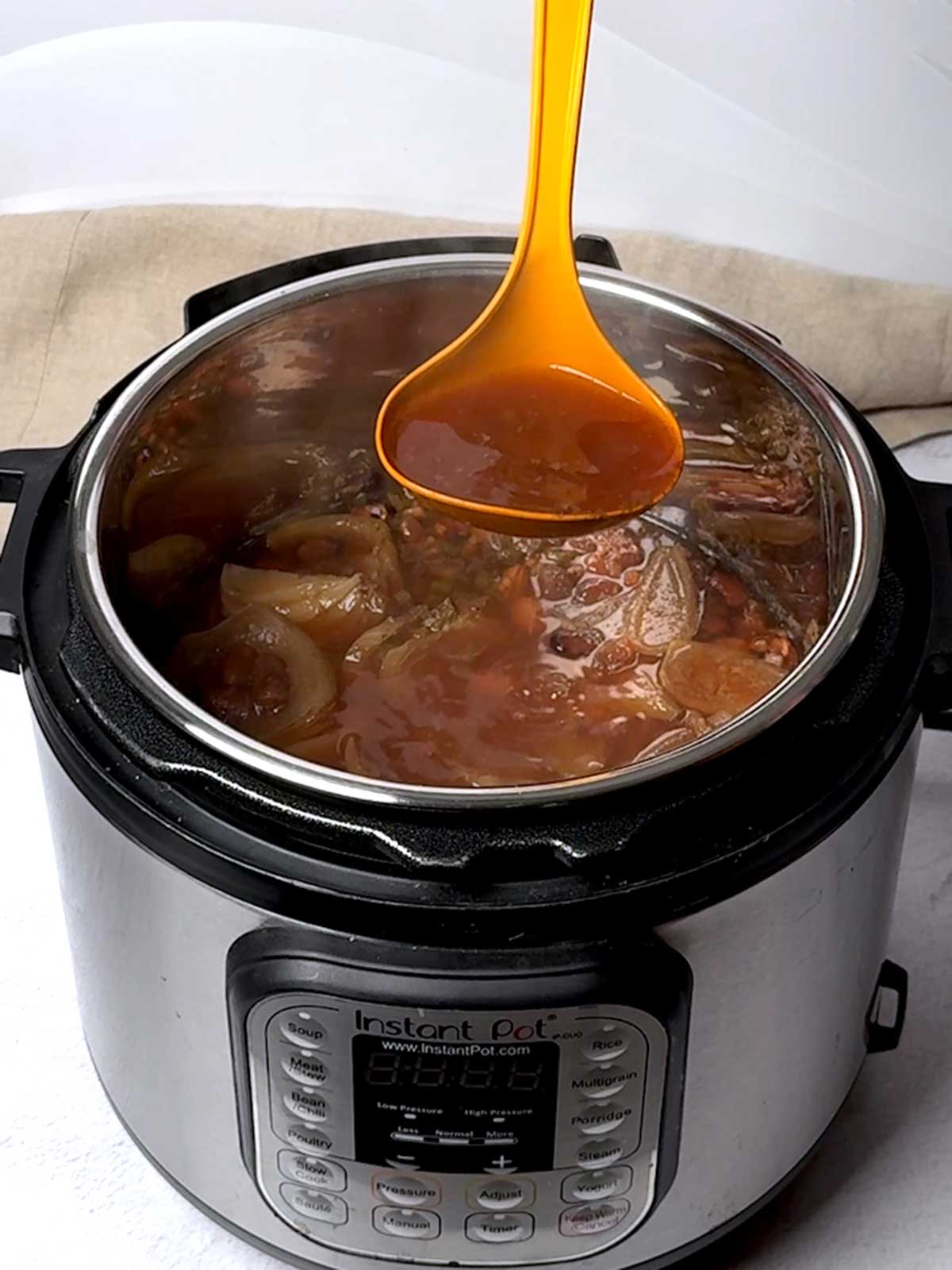
Credit: pudgefactor.com
Common Mistakes To Avoid
Using a pressure cooker for beans saves time but needs care. Some common mistakes can cause problems. Avoid these errors for best results.
Two major mistakes are overfilling the cooker and ignoring cooking times. Each affects safety and cooking quality.
Overfilling The Cooker
Do not fill the pressure cooker too full. Beans expand as they cook. Overfilling can block vents and cause pressure issues.
- Fill the cooker no more than half full with dry beans.
- Leave room for water and bean expansion.
- Check the maximum fill line marked on the cooker.
- Overfilling can cause food to clog the steam valve.
- This may lead to unsafe pressure buildup or spills.
Ignoring Cooking Times
Follow cooking times for beans carefully. Too short or too long cooking affects texture and safety.
| Cooking Time | Effect of Short Cooking | Effect of Long Cooking |
| 5-10 minutes | Beans stay hard and may cause digestion issues | Beans become mushy and lose flavor |
| 15-20 minutes | Beans may be undercooked | Beans can break down too much |
| 25 minutes or more | Not recommended for most beans | Beans can overcook and lose nutrients |
Enhancing Flavor And Texture
Using a pressure cooker for beans saves time and keeps them tender. It also helps improve their taste and texture.
To get the best results, focus on adding the right spices and adjusting the cooking time. This will make your beans flavorful and just right in texture.
Using Spices And Herbs
Spices and herbs add strong flavors to beans during cooking. Add them before pressure cooking to let flavors mix well.
Common spices like cumin, paprika, and bay leaves work well. Fresh herbs like cilantro or parsley add freshness after cooking.
- Add whole spices like cinnamon sticks or cloves for deep flavor
- Use dried herbs during cooking for better infusion
- Add fresh herbs after cooking to keep their aroma
- Avoid adding salt early; it can toughen the beans
Adjusting Texture
Cooking time controls how soft or firm the beans become. Less time makes beans firmer, more time makes them softer.
Soaking beans before cooking reduces pressure cooking time and helps even texture. You can skip soaking but increase cook time.
- Soaked beans usually cook in 8-10 minutes under pressure
- Unsoaked beans need 20-25 minutes for tender texture
- Quick release pressure for firmer beans
- Natural pressure release for softer, creamier beans

Credit: bestofvegan.com
Cleaning And Maintenance Tips
Using a pressure cooker for beans saves time and energy. Keeping it clean helps it last longer. Proper care ensures it works safely every time.
Follow simple cleaning and storage steps to keep your pressure cooker in good shape. This guide covers proper cleaning techniques and storing tips.
Proper Cleaning Techniques
After cooking beans, wash the pressure cooker parts carefully. Remove all food particles to avoid bad smells or damage.
Clean the lid, gasket, and pot separately. Use mild soap and warm water. Avoid harsh cleaners that can harm the parts.
- Wash the pot with a soft sponge and mild dish soap
- Remove the gasket and clean it gently by hand
- Check the steam valve for blockages and clean if needed
- Dry all parts completely before reassembling
Storing Your Pressure Cooker
Store your pressure cooker with the lid off or upside down. This helps air circulate and stops smells from forming inside.
Keep the gasket separate or loosely placed to avoid damage. Store the cooker in a dry place away from direct sunlight.
- Keep the lid off or upside down on the pot
- Store the gasket separately or loosely attached
- Place the cooker in a dry, cool area
- Check the cooker regularly for any signs of wear
Frequently Asked Questions
How Long To Cook Beans In A Pressure Cooker?
Cooking time varies by bean type, usually 20-30 minutes. Soak beans beforehand to reduce cooking time and improve texture. Always follow your pressure cooker’s manual for exact timings to ensure beans are cooked perfectly and safely.
Do You Need To Soak Beans Before Pressure Cooking?
Soaking beans is recommended but not mandatory. Soaking reduces cooking time and helps beans cook evenly. It also improves digestion by reducing gas-causing compounds. However, unsoaked beans will take longer to cook under pressure.
How Much Water Is Needed For Pressure Cooking Beans?
Use at least 3 cups of water for every cup of beans. Beans absorb a lot of water while cooking, so extra liquid prevents burning. Ensure the water covers the beans by at least an inch inside the cooker.
Can I Cook All Bean Types In A Pressure Cooker?
Yes, most beans can be cooked in a pressure cooker. However, cooking times differ by type. Harder beans like chickpeas require longer than softer ones. Always check specific cooking times for each bean variety.
Conclusion
Using a pressure cooker saves time when cooking beans. It makes beans soft and tasty quickly. You do not need to soak beans for hours. Just add water, beans, and cook under pressure. Always follow the cooker’s safety instructions for best results.
Experiment with different beans and spices for variety. Enjoy healthy, delicious meals without long waiting times. Pressure cooking beans is simple and effective. Try it today and see the difference yourself.