
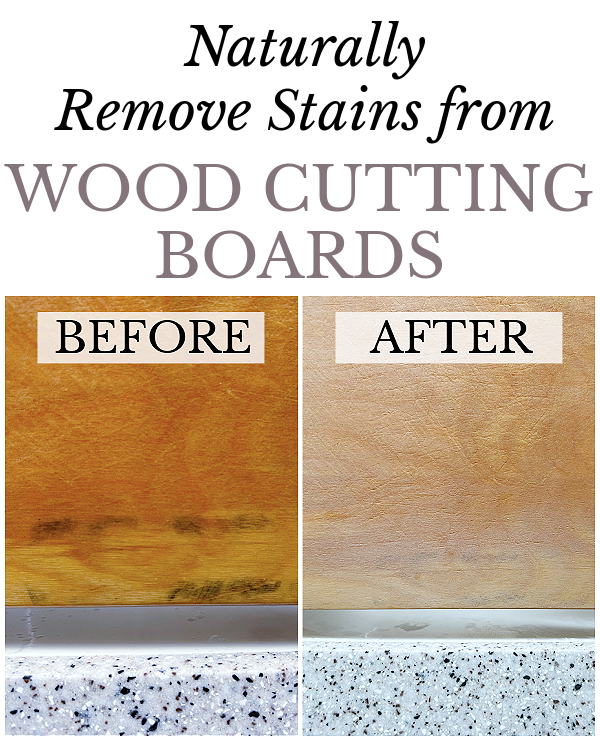
Your cutting board is one of the most important tools in your kitchen, but it can also be a hidden hotspot for germs and bacteria. If you want to keep your food safe and your kitchen fresh, knowing how to clean cutting boards thoroughly and naturally is a game-changer.
Imagine getting rid of stains, odors, and harmful bacteria without harsh chemicals—just using simple ingredients you probably already have at home. Keep reading, and you’ll discover easy, effective ways to make your cutting boards spotless and safe every time you cook.
Types Of Cutting Boards
Cutting boards come in different materials. Each type needs special care to clean well.
Knowing how to clean each board naturally keeps your kitchen safe and fresh.
Wooden Boards
Wooden boards are gentle on knives and last long. They absorb liquids, so cleaning is key.
Use coarse salt and lemon to scrub the board. Rinse with warm water and dry well.
- Sprinkle coarse salt on the board
- Rub with half a lemon to remove stains and odors
- Rinse with warm water
- Dry with a clean towel or air dry
Plastic Boards
Plastic boards are easy to clean and dishwasher safe. They can get deep knife cuts.
Use white vinegar or baking soda to clean plastic boards naturally. Avoid harsh chemicals.
- Spray white vinegar and let it sit for a few minutes
- Scrub with a sponge or brush
- Rinse with warm water
- For extra cleaning, sprinkle baking soda and scrub
Bamboo Boards
Bamboo boards are harder than wood and resist water better. They need gentle cleaning.
Clean with mild soap and warm water. Use lemon juice and salt for deep cleaning.
- Wash with mild soap and warm water after use
- Rub with salt and lemon juice to freshen and clean
- Rinse and dry immediately to prevent cracking
Glass Boards
Glass boards are easy to clean and very hygienic. They do not absorb liquids or smells.
Use natural cleaners like vinegar or baking soda for tough stains. Avoid dropping them.
- Wash with warm soapy water
- Use vinegar or baking soda for stains
- Rinse and dry with a soft cloth
- Handle carefully to avoid chips or cracks

Credit: homewithgraceandjoy.com
Natural Cleaning Agents
Cleaning cutting boards naturally keeps them safe and fresh. Using simple ingredients helps remove stains and smells.
These natural agents are easy to find. They work well to keep your cutting boards clean without harsh chemicals.
Lemon And Salt
Lemon and salt work together to clean cutting boards deeply. Lemon’s acid removes stains and kills germs.
Salt acts as a scrub to remove stuck food and dirt. This combo also freshens the board naturally.
- Cut a lemon in half
- Sprinkle coarse salt on the board
- Rub the lemon over the salt in circles
- Let it sit for 5 minutes
- Rinse with warm water and dry
Vinegar Solutions
White vinegar is a strong natural cleaner. It kills bacteria and removes odors from cutting boards.
Use vinegar to spray or soak the board. It dries quickly and leaves no harmful residue.
- Mix equal parts water and white vinegar
- Spray or wipe the board with the solution
- Let it sit for 5 to 10 minutes
- Rinse the board with water
- Dry completely before use
Baking Soda Paste
Baking soda is gentle but effective for cleaning. It removes stains and bad smells from cutting boards.
Make a paste with baking soda and water. Scrub the board and rinse for a fresh surface.
- Mix 3 parts baking soda with 1 part water
- Spread the paste over the cutting board
- Scrub with a sponge or brush
- Let it sit for 10 minutes
- Rinse off with warm water and dry
Hydrogen Peroxide
Hydrogen peroxide helps kill germs on cutting boards. It is safe to use and breaks down into water.
Apply it to the board to disinfect. It works well on wood and plastic surfaces.
- Pour 3% hydrogen peroxide on the board
- Spread it evenly with a clean cloth
- Let it sit for 5 minutes
- Rinse well with water
- Dry the board before storing
Step-by-step Cleaning Process
Cleaning cutting boards properly keeps them safe and fresh. Natural methods work well and avoid harsh chemicals. Follow these simple steps to clean your cutting boards thoroughly.
Use common household items like vinegar and baking soda. These help remove stains and kill germs. Let’s start with the initial rinse.
Initial Rinse
Rinse your cutting board under warm running water. This removes loose food particles. Avoid soaking wooden boards as too much water can damage them.
Applying Natural Cleaners
Use natural cleaners like white vinegar and baking soda. These ingredients kill bacteria and deodorize your board. Apply them carefully for the best results.
- Spray or wipe the board with white vinegar
- Let it sit for about 5 minutes
- Sprinkle baking soda over the surface
- Rub gently to create a cleaning paste
Scrubbing Techniques
Scrub your cutting board to remove stains and food residue. Use a soft brush or sponge to avoid damage. Apply firm but gentle pressure for cleaning.
| Tool | Best Use |
|---|---|
| Soft sponge | Daily cleaning for plastic boards |
| Brush with soft bristles | Removing stuck food on wooden boards |
| Cloth rag | Wiping after scrubbing |
Final Rinse And Drying
Rinse the board well with warm water to wash off all cleaners. Dry it immediately with a clean towel. Keep wooden boards standing upright to air dry fully.
:max_bytes(150000):strip_icc()/GettyImages-2195439933-114e75009db444fd816a82aeb8f7a5a8.jpg)
Credit: www.southernliving.com
Tips For Wooden Cutting Boards
Wooden cutting boards need special care to stay clean and last long. Natural cleaning methods keep them safe and healthy for daily use.
Learn how to avoid damage and remove odors without harsh chemicals. These tips will help your wooden board stay fresh and strong.
Avoiding Excess Moisture
Too much water can make wooden boards crack or warp. Always dry your board right after washing it with warm water and mild soap.
- Do not soak the board in water.
- Use a towel to dry it quickly.
- Stand the board upright to air dry completely.
- Avoid putting it in the dishwasher.
Regular Oiling
Oiling your wooden cutting board keeps it from drying out and cracking. Use food-safe mineral oil or beeswax to protect the wood.
| Oiling Frequency | Amount | Benefits |
| Once a month | Apply 1-2 tablespoons | Keeps wood hydrated and strong |
| After deep cleaning | Apply a thin layer | Restores moisture and shine |
Dealing With Odors
Wood can absorb food smells. Use natural ingredients to remove bad odors without chemicals.
- Rub the surface with half a lemon to freshen.
- Sprinkle baking soda, wait 10 minutes, then rinse.
- Use white vinegar for tough smells, then dry well.
Maintaining Plastic Boards
Plastic cutting boards are popular because they are affordable and easy to clean. Keeping them clean helps stop germs and stains from building up.
Using natural methods to care for plastic boards keeps your kitchen safe and your boards lasting longer.
Preventing Stains
Plastic boards can get stained by colorful foods like beets, turmeric, or berries. Cleaning them right after use helps stop stains.
- Rinse the board with cold water before washing.
- Use lemon juice or white vinegar to wipe the surface.
- Sprinkle baking soda on stains and scrub gently.
- Avoid leaving boards wet for long times.
- Dry boards completely before storing.
Sanitizing Methods
Sanitizing plastic boards kills germs and keeps food safe. Natural products like vinegar and hydrogen peroxide work well.
| Sanitizing Agent | How to Use | Notes |
| White Vinegar | Spray on board, let sit 5 minutes, rinse | Safe and easy for daily use |
| Hydrogen Peroxide | Pour on surface, let bubble for 10 minutes, rinse | Use 3% solution only |
| Lemon Juice | Rub on board and let sit 5 minutes, rinse | Also helps remove odors |
Bamboo Board Care
Bamboo cutting boards are strong and eco-friendly. They need proper care to last long.
Cleaning them naturally keeps them safe for food and prevents damage.
Using Mineral Oil
Mineral oil keeps bamboo boards from drying out. It also protects against stains and cracks.
Apply mineral oil regularly after cleaning and drying the board fully.
- Pour a small amount of mineral oil on the board
- Use a clean cloth to spread the oil evenly
- Let the oil soak in for several hours or overnight
- Wipe off any extra oil with a dry cloth
- Repeat this once a month for best results
Avoiding Cracks
Cracks happen when bamboo dries too fast or shrinks. Avoid soaking the board in water.
Keep your bamboo board away from heat and direct sunlight to prevent damage.
- Wash the board with warm, soapy water quickly
- Dry the board immediately with a towel
- Store it standing up for air circulation
- Do not put the board in the dishwasher
- Apply mineral oil to keep moisture balanced
Glass Board Considerations
Glass cutting boards are popular because they look clean and are easy to sanitize. They do not absorb smells or stains like wood or plastic boards.
Despite their benefits, glass boards need special care to keep them in good condition. This guide covers two important tips for using glass cutting boards.
Avoiding Scratches
Glass boards can scratch easily if you use sharp knives or cut roughly. Scratches can harbor bacteria and make the board look worn out.
- Use knives with smooth, sharp blades to reduce scraping.
- Avoid cutting on glass boards with heavy force.
- Do not use metal scrapers or abrasive tools on the surface.
- Consider using a thin wooden or silicone mat on top for chopping.
Proper Drying
Drying glass cutting boards correctly prevents water spots and keeps them safe to use. Wet boards can become slippery and cause accidents.
| Drying Method | Tips |
| Air Dry | Place the board upright on a rack to let air flow around it. |
| Towel Dry | Use a clean, soft towel to wipe the board dry after washing. |
| Avoid Closed Spaces | Do not store the board in sealed containers while wet to prevent moisture build-up. |
Common Mistakes To Avoid
Cleaning cutting boards naturally is safe and effective. Many people make simple mistakes that reduce cleanliness.
Knowing what to avoid helps keep your boards fresh and free from germs. Read on to learn common errors.
Using Harsh Chemicals
Some people use strong chemicals to clean cutting boards. These can damage the board and leave harmful residues.
Natural cleaning uses gentle ingredients like vinegar or lemon juice. They kill germs without hurting the wood or plastic.
Ignoring Residue Build-up
Residue from food and oils can build up if you don’t clean boards well. This can cause bad smells and bacteria growth.
Scrub the board after each use. Use salt or baking soda with lemon to remove stuck particles and odors.
- Sprinkle coarse salt on the board
- Rub with half a lemon in circular motions
- Rinse with warm water and air dry
Improper Storage
Storing cutting boards in damp places can cause mold and warping. Boards need to dry fully before storage.
Keep boards upright in a dry spot. Avoid stacking wet boards or putting them in enclosed spaces while still wet.
Benefits Of Natural Cleaning
Cleaning cutting boards with natural ingredients is safe and effective. It helps keep your kitchen clean without using harsh chemicals.
Natural cleaning methods use simple items like vinegar, lemon, and baking soda. These are easy to find and gentle on surfaces.
Health And Safety
Natural cleaning reduces exposure to harmful chemicals. This lowers risks for children, pets, and adults. It also helps prevent allergic reactions and skin irritation.
- No toxic residues left on the board
- Prevents harmful fumes in the kitchen
- Safe for people with sensitive skin
- Reduces risk of food contamination
Environmental Impact
Natural cleaning products break down quickly and do not pollute water. They reduce plastic waste because many come in recyclable or reusable containers.
| Cleaning Type | Environmental Effect |
|---|---|
| Natural Cleaning | Biodegradable, low water pollution |
| Chemical Cleaning | Contains toxins, harms aquatic life |
Cost-effectiveness
Using natural items saves money. These products are often cheaper than commercial cleaners. You can find many at home already.
- Lemon and vinegar are affordable and multi-purpose
- Baking soda lasts a long time and cleans well
- No need to buy many different cleaners
- Reduces health costs by avoiding chemical exposure

Credit: branchbasics.com
Frequently Asked Questions
How Do I Naturally Clean Wooden Cutting Boards?
Use coarse salt and lemon to scrub the board. Rinse with warm water. This method removes stains and kills bacteria naturally without harsh chemicals.
What Natural Ingredients Disinfect Cutting Boards Effectively?
White vinegar and baking soda are excellent natural disinfectants. Apply vinegar, sprinkle baking soda, scrub gently, then rinse. These ingredients eliminate germs and odors safely.
How Often Should I Deep Clean My Cutting Boards?
Deep clean cutting boards weekly or after raw meat use. Frequent cleaning prevents bacteria buildup and keeps boards hygienic and safe for food preparation.
Can Lemon Juice Remove Cutting Board Odors Naturally?
Yes, lemon juice effectively neutralizes odors. Rub lemon juice on the board, let it sit for minutes, then rinse. It also brightens and freshens the surface.
Conclusion
Cleaning cutting boards naturally keeps your kitchen safe and fresh. Using simple ingredients like vinegar and lemon removes germs well. Regular cleaning stops bad smells and stains from building up. Wooden and plastic boards need gentle care to last longer.
Natural methods save money and avoid harsh chemicals. Keep your boards dry after cleaning to prevent damage. Try these easy tips for a cleaner, healthier cooking space. A clean board makes food preparation safer every day. Simple steps lead to big results in kitchen hygiene.