
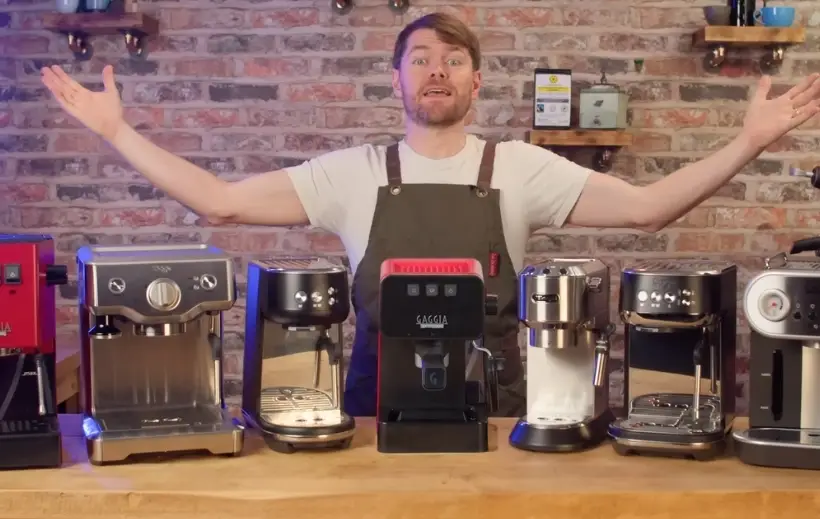
Are you ready to make café-quality espresso right in your kitchen but don’t know where to start? Choosing the right espresso machine can feel overwhelming with so many options out there.
But don’t worry—this guide is designed just for you. By the time you finish reading, you’ll know exactly what to look for to find a machine that fits your needs, skill level, and budget. Imagine waking up to the rich aroma of fresh espresso every morning—sounds great, right?
Let’s make that a reality. Keep reading, and you’ll discover how simple it can be to pick the perfect espresso machine for beginners like you.
Types Of Espresso Machines
Choosing the right espresso machine can be tricky for beginners. Each type has different features and ease of use.
This guide explains the main types to help you find the best fit for your needs.
Manual Machines
Manual espresso machines require you to control every step. You need to grind, tamp, and pull the shot yourself.
These machines give you full control over the brewing process. They are great for those who want to learn and enjoy crafting espresso.
Semi-automatic Machines
Semi-automatic machines use an electric pump to push water through the coffee. You still need to grind and tamp the coffee.
- You start and stop the water flow with a button or lever.
- These machines balance control and convenience.
- They are popular among beginners who want some help but enjoy hands-on brewing.
Automatic Machines
Automatic machines control the water flow and volume for you. You press a button, and the machine does the rest.
This type is easier to use than semi-automatic machines. It helps keep the espresso consistent without much effort.
Super-automatic Machines
Super-automatic machines do everything from grinding beans to frothing milk. They offer the highest convenience.
| Feature | Manual | Semi-Automatic | Automatic | Super-Automatic |
| Grinding Beans | No | No | No | Yes |
| Tamping Coffee | Yes | Yes | No | No |
| Water Flow Control | Manual | User Controlled | Automatic | Automatic |
| Milk Frothing | No | No | Optional | Automatic |
| Ease of Use | Low | Medium | High | Very High |
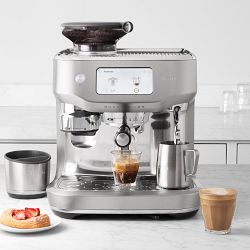
Credit: www.williams-sonoma.com
Key Features To Consider
Choosing an espresso machine can feel tricky for beginners. Knowing what features matter helps you pick the best fit. Focus on what makes your coffee taste good and the machine easy to use.
Start by looking at how the machine controls pressure and temperature. Then, check if it has a built-in grinder. Water reservoir size and cleaning ease also affect your daily use.
Pressure And Temperature Control
Good pressure and stable temperature are key to making rich espresso. Machines with consistent pressure around 9 bars give better extraction. Temperature control keeps the water hot but not too hot.
Look for machines with a pressure gauge or settings you can adjust. This helps you get the right brew strength and flavor every time.
Built-in Grinder
A built-in grinder saves space and keeps coffee fresh. Grinding beans right before brewing boosts flavor. Beginners benefit from grinders with simple settings.
- Adjust grind size easily
- Grind just enough coffee for one or two shots
- Quiet operation is a plus
- Easy to clean grinder parts
Water Reservoir Size
Water reservoir size affects how often you fill the machine. Larger tanks mean fewer refills but take more space. Smaller tanks fit well in tight kitchens but refill more often.
| Reservoir Size | Best For |
| Small (under 1 liter) | Single users or small kitchens |
| Medium (1 to 2 liters) | Couples or occasional coffee drinkers |
| Large (over 2 liters) | Families or frequent use |
Ease Of Cleaning
Cleaning your espresso machine keeps it working well and tasting fresh. Beginners want models with parts that come apart easily. Look for machines with removable drip trays and water tanks.
Here are quick cleaning tips:
- Wipe the machine daily
- Rinse and clean the portafilter after each use
- Descale the machine monthly
- Empty the drip tray often
Budget Considerations
Choosing an espresso machine depends a lot on your budget. You want a good machine without spending too much.
Understanding different price ranges helps you pick the right machine for your needs.
Entry-level Options
Entry-level machines are affordable and simple. They suit beginners who want to try espresso making without many features.
- Usually cost under $200
- Easy to use with basic controls
- Smaller and compact designs
- Limited customization options
- Good for occasional use
Mid-range Choices
Mid-range machines offer more features and better build quality. They fit users who want more control over their espresso.
| Price Range | Features | Ideal For |
| $200 – $600 | Adjustable temperature, pressure controls | Regular home use, some customization |
| $600 – $1,000 | Better materials, larger water tanks | Serious hobbyists, frequent use |
High-end Models
High-end espresso machines cost more but offer top performance and durability. They suit users who want professional results at home.
- Prices often exceed $1,000
- Advanced features like built-in grinders
- Precise control over every brewing step
- Sturdy, long-lasting materials
- Best for coffee enthusiasts and small cafes
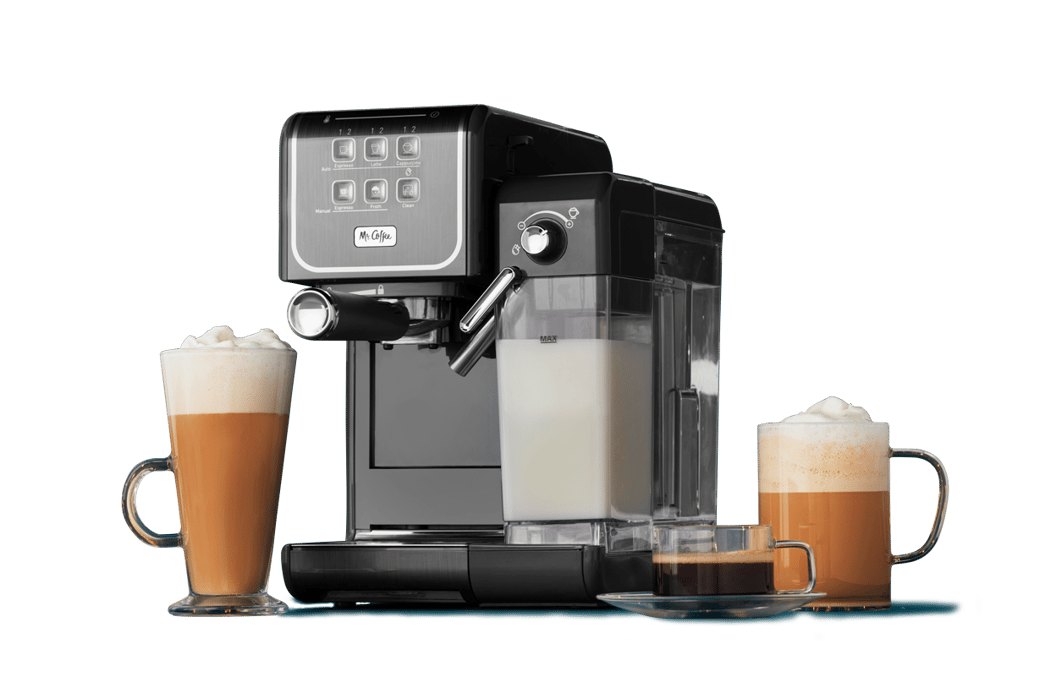
Credit: www.mrcoffee.com
Brand Recommendations
Choosing the right espresso machine is easier when you know good brands. Some brands offer simple models for beginners. Others bring new features to the market. Reading reviews helps too.
This guide covers popular and emerging brands. It also shows how to use user ratings to pick the best machine.
Popular Brands
Popular brands have a strong reputation for quality and support. They offer machines that are easy to use and reliable. These brands suit beginners who want proven performance.
- DeLonghi – known for easy-to-use machines with good features.
- Breville – offers machines with clear controls and good build quality.
- Gaggia – famous for classic espresso styles and solid design.
- Krups – provides affordable and simple espresso machines.
Emerging Brands
Newer brands focus on innovation and user-friendly designs. They often add smart features and modern looks. Beginners may find these machines offer good value.
| Brand | Key Features | Price Range |
| Flair | Manual lever, portable design | Medium |
| Lelit | Compact size, good temperature control | Medium to High |
| Ascaso | Stylish design, easy maintenance | Medium to High |
| Nuova Simonelli | Smart technology, durable build | High |
User Reviews And Ratings
Reviews from other users give real insights. They show what works well and what to avoid. Check for machines with high ratings and many reviews.
- Look for machines with over 4 stars on major sites.
- Read comments about ease of use and cleaning.
- Note any common issues like leaks or noise.
- Compare features users like most in their reviews.
Accessories And Add-ons
Choosing the right accessories can improve your espresso making experience. These add-ons help with preparation and enhance the flavor. Beginners can find these tools very useful.
Below are some important accessories to consider when starting with an espresso machine.
Milk Frothers
Milk frothers create creamy and smooth foam for drinks like cappuccinos and lattes. They come in manual, electric, and steam wand types. Beginners might prefer electric frothers for ease of use.
Tamper And Portafilter
A tamper is used to press coffee grounds evenly in the portafilter. A good fit between tamper and portafilter ensures proper extraction. Using the right tools helps avoid weak or bitter espresso.
- Choose a tamper size that matches your portafilter
- Look for comfortable handles for better grip
- Consider flat or convex tampers based on preference
- Ensure portafilter is compatible with your espresso machine
Coffee Bean Storage Solutions
Proper storage keeps coffee beans fresh and flavorful. Airtight containers block air, light, and moisture. Storing beans correctly helps maintain aroma and taste for longer.
| Storage Type | Best Use | Features |
| Airtight Canister | Daily use | Seals tightly, blocks light |
| Vacuum Container | Long-term storage | Removes air, extends freshness |
| Opaque Jar | Prevent light damage | Blocks sunlight, keeps beans cool |

Credit: www.independent.co.uk
Maintenance And Longevity
Choosing the right espresso machine means thinking about how to keep it working well. Proper maintenance helps the machine last longer and make better coffee.
Simple cleaning and care routines protect your machine from damage. This saves money and keeps your espresso tasting fresh.
Regular Cleaning Tips
Clean your espresso machine after every use. Remove coffee grounds and wipe the steam wand to avoid blockages.
Use a damp cloth for the outside and a brush for hard-to-reach areas. This stops buildup that can harm the machine.
- Empty the drip tray daily
- Rinse portafilter and baskets after each use
- Wipe the steam wand after frothing milk
- Use a soft cloth for machine surfaces
Descaling Procedures
Descaling removes mineral deposits inside the machine. These deposits affect performance and taste.
Use a descaling solution made for espresso machines. Follow the instructions and run the process regularly to keep the machine clean inside.
- Check the machine manual for how often to descale
- Use the recommended descaling product
- Run the descaling cycle fully before brewing coffee
- Rinse the machine well after descaling
Warranty And Support
Look for a machine with a good warranty. This protects you if parts fail or the machine breaks.
Check what the warranty covers and how long it lasts. Good customer support helps fix problems quickly.
- Read warranty terms carefully before buying
- Keep receipts and registration details safe
- Contact support for repairs or questions
- Choose brands known for reliable service
Beginner Tips For Making Espresso
Espresso is a strong coffee made by forcing hot water through finely ground beans. It can be tricky at first. Using the right tools and techniques helps you get a good taste.
This guide covers key points for beginners. You will learn how to choose beans, brew espresso, and fix common problems.
Choosing The Right Coffee Beans
Fresh coffee beans make a big difference in taste. Look for beans roasted recently, not more than two weeks old. Whole beans keep flavor better than pre-ground coffee.
Espresso works well with medium to dark roasted beans. These have a rich and bold flavor. Try different beans to find what you like best.
- Buy whole beans and grind just before brewing
- Choose medium or dark roast for strong flavor
- Store beans in an airtight container away from light
- Avoid old or stale beans for better taste
Basic Brewing Techniques
Start with a clean espresso machine for the best results. Use fresh, cold water and the right amount of coffee grounds. A good dose is about 18 to 20 grams for a double shot.
Grind size should be fine but not powdery. Tamp the grounds evenly and firmly to create a smooth surface. Brew time should be around 25 to 30 seconds for a good shot.
- Use fresh water and clean machine parts
- Grind coffee finely and evenly
- Tamp grounds with steady pressure
- Brew for 25-30 seconds for balanced taste
- Adjust grind or dose if espresso tastes bitter or weak
Troubleshooting Common Issues
Espresso may taste sour, bitter, or weak. Sour taste can mean the shot is under-extracted. Increase brew time or use finer grind to fix this.
Bitter espresso means over-extraction. Use coarser grind or shorten brew time. Weak espresso can come from using too little coffee or poor tamping.
- Sour taste: grind finer or brew longer
- Bitter taste: grind coarser or brew shorter
- Weak espresso: add more coffee or tamp firmly
- Check machine temperature and clean regularly
Frequently Asked Questions
What Features Should Beginners Look For In Espresso Machines?
Beginners should prioritize ease of use, consistent temperature control, and simple cleaning. Look for machines with clear instructions and reliable pressure settings. Automatic or semi-automatic models often suit novices best. These features ensure a smooth learning curve and better espresso quality.
How Much Should Beginners Spend On An Espresso Machine?
A good beginner espresso machine typically costs between $100 and $500. This range balances quality and affordability. Cheaper models may lack durability, while expensive ones have advanced features beginners might not need. Invest wisely based on your budget and desired features.
Are Manual Or Automatic Espresso Machines Better For Beginners?
Automatic machines are generally better for beginners due to ease and consistency. Manual machines require skill and patience to perfect espresso extraction. Automatic machines simplify the process, allowing beginners to focus on learning flavors without technical complexity.
How Important Is Grinder Integration In Beginner Espresso Machines?
Grinder integration is very helpful for beginners. Freshly ground beans improve espresso taste significantly. Integrated grinders save counter space and simplify the brewing process. Machines with built-in grinders help beginners control grind size and consistency effortlessly.
Conclusion
Choosing the right espresso machine makes a big difference. Start with a simple model to learn the basics. Think about your budget and how much space you have. Focus on ease of use and cleaning. Remember, practice helps improve your coffee skills.
Enjoy the process of making your own espresso. Soon, you will find the machine that fits you best. Happy brewing!