
Your tile grout can make or break the look of your floors and walls. When grout is clean and well-maintained, your tiles shine and your space feels fresh.
But when grout gets dirty or cracked, it can quickly turn your beautiful tiles into an eyesore. You might be wondering how to keep your grout looking its best without spending hours scrubbing or calling a professional. This guide will show you simple, effective steps you can take right now to maintain your tile grout and keep your home looking spotless.
Ready to transform your tiles? Let’s dive in.

Credit: www.tilemountain.co.uk
Essential Tools For Grout Maintenance
Keeping tile grout clean and in good condition requires the right tools. These tools help remove dirt and prevent damage. Using proper tools makes grout maintenance easier and more effective.
This guide covers the essential tools needed for grout care. Each tool has a specific role in cleaning or repairing grout lines.
Grout Brush
A grout brush has stiff bristles designed to clean narrow grout lines. It removes dirt and mildew without damaging the grout.
Grout Cleaner
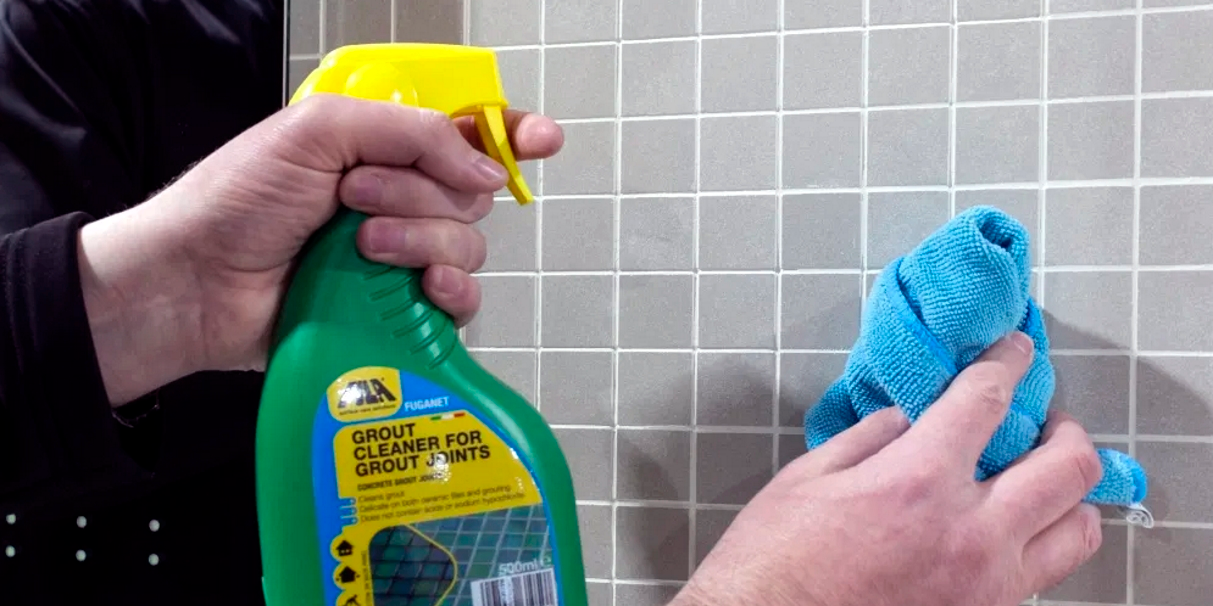
Grout cleaners come in liquid or powder form. They break down stains and grime. Choose a cleaner that is safe for your tile type.
Grout Sealer
A grout sealer protects grout from moisture and stains. Applying it regularly extends grout life and keeps it looking new.
Scraper Or Grout Removal Tool
Use a scraper or grout removal tool to take out damaged or cracked grout. This makes room for new grout to be applied properly.
Essential Tools Comparison
| Tool | Purpose | Best Use |
| Grout Brush | Cleaning grout lines | Regular maintenance |
| Grout Cleaner | Removing stains | Deep cleaning |
| Grout Sealer | Protecting grout | After cleaning and repairs |
| Scraper/Removal Tool | Removing old grout | Repair and replacement |
Credit: www.thepaintedhinge.com
Daily Cleaning Practices
Keeping tile grout clean every day helps prevent stains and buildup. Simple habits make your grout look fresh longer.
Daily cleaning removes dirt and grime that can damage grout over time. Use gentle methods to protect your tiles.
Sweep Or Vacuum Floors Regularly
Remove loose dirt and dust from tile surfaces daily. This stops debris from settling into grout lines.
Use a soft broom or vacuum with a hard floor attachment. Avoid using vacuums with beater bars to prevent tile damage.
Wipe Spills Immediately
Clean spills on grout and tiles as soon as they happen. This prevents stains and sticky residue build-up.
Use a damp cloth or paper towel to blot the spill. Avoid rubbing as it can spread the stain.
Use A Mild Cleaner For Daily Mopping
Choose a gentle cleaner safe for grout and tiles. Harsh chemicals can wear down grout over time.
Dilute the cleaner with water according to instructions. Mop floors daily or every other day to keep grout clean.
- Use warm water with mild dish soap
- Avoid bleach and acidic cleaners
- Rinse mop often to avoid spreading dirt
Dry The Floor After Cleaning
Wipe or air-dry tile floors after mopping. Excess water can seep into grout and cause damage.
Use a dry mop or towel to absorb moisture. This keeps grout dry and prevents mold growth.
Spot Clean Grout Lines Daily
Use a soft brush or old toothbrush to scrub grout lines gently. This removes dirt trapped in grooves.
Dip the brush in warm water or mild cleaner for better results. Do this daily in high-traffic areas.
Weekly Deep Cleaning Techniques
Maintaining tile grout is important to keep your floors and walls looking clean. Dirt and stains can build up quickly in grout lines.
Weekly deep cleaning removes grime and prevents mold growth. It also helps grout last longer and look fresh.
Prepare The Cleaning Area
Clear the area around your tiled surfaces. Remove rugs, furniture, and any objects that block access. Sweep or vacuum to get rid of loose dirt and dust.
Choose The Right Cleaning Solution
Select a grout cleaner that matches your tile type. Avoid harsh chemicals on delicate tiles like marble or natural stone. You can also use homemade mixtures like baking soda and vinegar.
Scrub The Grout Lines
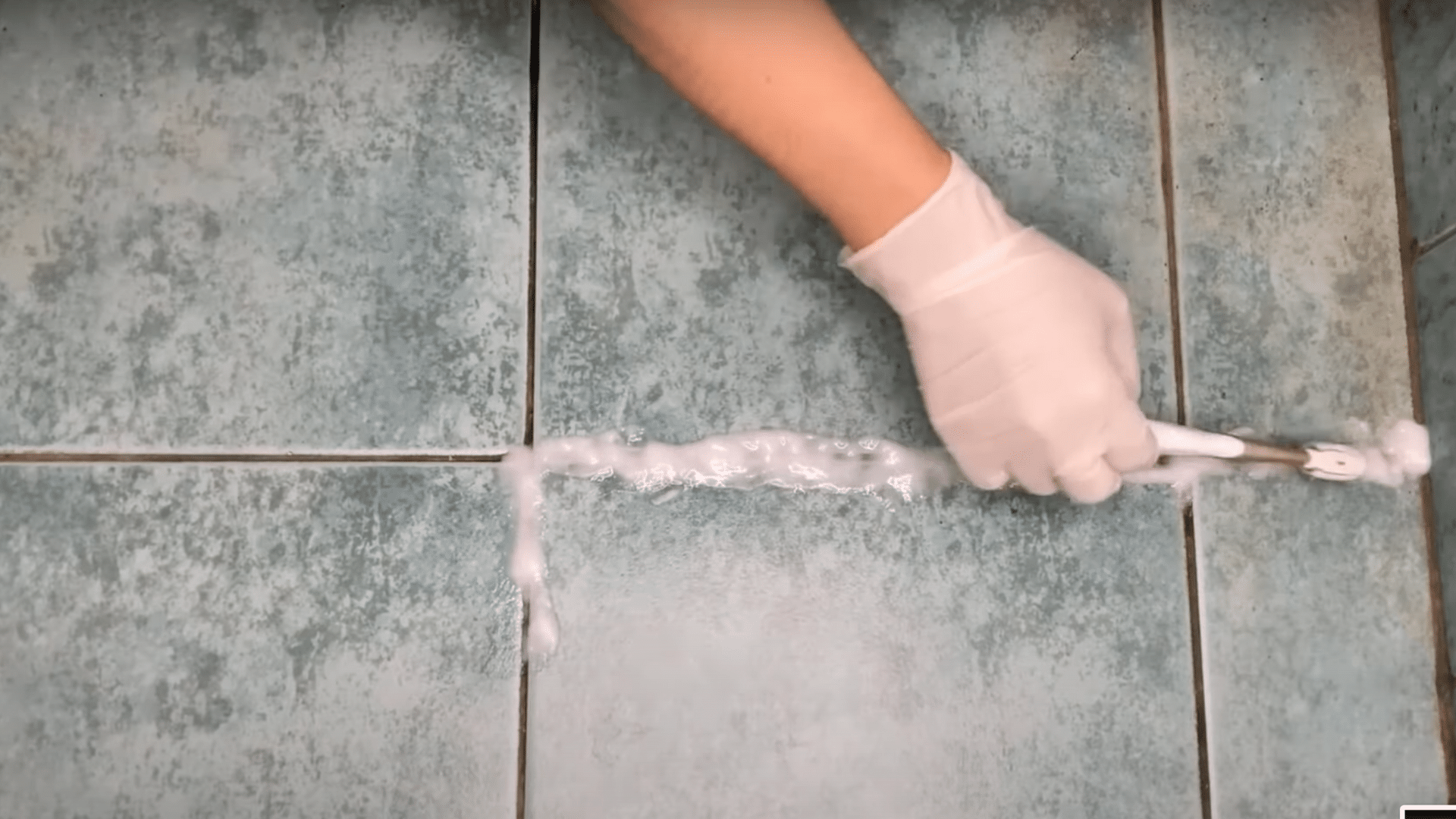
Use a stiff brush or an old toothbrush to scrub grout lines. Apply your cleaning solution and work in small sections. Scrubbing helps lift dirt and stains from deep inside the grout.
- Apply cleaner to grout
- Let it sit for 5 to 10 minutes
- Scrub grout lines firmly
- Rinse with warm water
- Dry with a clean cloth
Rinse And Dry The Tiles
Rinse the tiles well to remove all cleaning residue. Use warm water and a sponge or mop. Dry the area to stop moisture from settling in the grout.
Protect Grout With Sealant
Apply grout sealant once the grout is clean and dry. Sealant blocks dirt and moisture from entering grout lines. This step extends the life of your grout and reduces cleaning frequency.
| Cleaning Step | Purpose | Time Needed |
| Prepare Area | Remove dirt and obstacles | 5 minutes |
| Apply Cleaner | Loosen stains and grime | 5-10 minutes |
| Scrub Grout | Deep clean grout lines | 10-15 minutes |
| Rinse Tiles | Remove residues | 5 minutes |
| Dry Surface | Prevent moisture damage | 5 minutes |
| Seal Grout | Protect grout from dirt | 15-20 minutes |
Choosing Effective Cleaning Solutions
Keeping tile grout clean helps maintain the beauty of your floors and walls. Choosing the right cleaning solution is important for good results.
Some cleaners work better on grout and are safe for tiles. It is important to know what to use and how to use it.
Use Mild Detergents
Mild detergents clean grout without damaging it. They are safe for regular use and gentle on tiles.
Mix a small amount of detergent with warm water for easy cleaning. This solution removes dirt and grime effectively.
Try Baking Soda And Vinegar
Baking soda and vinegar create a natural cleaning solution. This mix breaks down stains and brightens grout.
Make a paste with baking soda and water, then spray vinegar on it. Let it sit, then scrub gently with a brush.
Choose Commercial Grout Cleaners
Commercial grout cleaners are made for tough stains. Read labels to pick one safe for your tile type.
Follow the instructions carefully to avoid damage. Use gloves and ventilate the area well during cleaning.
Avoid Harsh Chemicals
Avoid bleach or acid cleaners on grout. These can erode grout and harm tiles over time.
Harsh chemicals may also cause skin or eye irritation. Choose safer, gentler options instead.
Test Solutions On Small Areas First
Always test your cleaning solution on a small, hidden grout spot. This prevents damage or discoloration.
If the grout looks fine after testing, you can clean larger areas safely. If not, try a different cleaner.
Preventing Grout Stains
Grout can easily get stained and look dirty over time. Keeping grout clean needs regular care. You can stop stains before they start.
Two important ways to protect grout are sealing it often and staying away from stain sources. Both help keep grout looking fresh.
Sealing Grout Regularly
Sealing grout creates a shield that stops water and dirt. This makes cleaning easier and prevents stains from setting.
- Clean the grout fully before sealing.
- Apply grout sealer with a brush or applicator.
- Wait for the sealer to dry completely.
- Reapply the sealer every 6 to 12 months.
Avoiding Common Stain Sources
Some substances can quickly stain grout. Avoid these to keep grout clean and bright for longer.
| Stain Source | Why It Stains | Tip to Avoid |
| Red wine | Deep color seeps into grout | Clean spills quickly |
| Grease | Oily texture sticks to grout | Use mats near cooking areas |
| Colored food | Strong pigments stain grout lines | Wipe surfaces after meals |
| Soap scum | Builds up and dulls grout | Clean bathroom tiles often |
Removing Stubborn Grout Stains
Grout stains can make your tiles look old and dirty. Removing these stains keeps your space clean and fresh.
Some stains are tough and need special care. Use safe methods to clean grout without damage.
Use Baking Soda And Vinegar
Mix baking soda with water to make a paste. Apply it on the grout stains and spray vinegar over it.
Let it bubble for a few minutes. Scrub gently with a brush and rinse with water for clean grout.
Try Hydrogen Peroxide For Deep Stains
Hydrogen peroxide works well on tough grout stains. Apply it directly to the stained grout areas.
Let it sit for 10 minutes. Use a brush to scrub the stains and wipe clean with a damp cloth.
Use A Steam Cleaner
Steam cleaners loosen dirt and stains without chemicals. Move the steam head slowly over grout lines.
The heat and pressure help break down grime. Wipe the area with a cloth after steaming.
Apply A Commercial Grout Cleaner
Choose a grout cleaner suitable for your tile type. Follow the instructions on the product label carefully.
Use a brush to scrub the grout and rinse thoroughly. Avoid harsh chemicals that can damage grout.
Prevent Future Stains
Seal your grout after cleaning to protect it from stains. Reapply the sealer every year for best results.
- Clean spills immediately to avoid stains
- Use mild cleaners regularly
- Keep grout dry when possible
Using Natural Cleaning Alternatives
Cleaning tile grout can be tough. Strong chemicals often damage grout and tiles.
Natural cleaning alternatives work well. They are safe, easy to find, and gentle on surfaces.
Baking Soda And Vinegar
Baking soda and vinegar create a natural cleaning paste. This paste removes dirt and stains effectively.
- Mix baking soda with water to form a thick paste.
- Apply the paste on grout lines.
- Spray vinegar over the paste and let it fizz.
- Scrub gently with a brush.
- Rinse with warm water and dry.
Lemon Juice For Whitening
Lemon juice acts as a natural bleach and freshener. It helps whiten grout without harsh chemicals.
Apply lemon juice directly to grout. Let it sit for 5 to 10 minutes, then scrub and rinse.
Hydrogen Peroxide For Stubborn Stains
Hydrogen peroxide is safe and effective for tough grout stains. It breaks down dirt and kills germs.
Mix hydrogen peroxide with baking soda for a cleaning paste. Apply, scrub, and rinse well.
Essential Oils For Freshness
Essential oils add a fresh scent and extra cleaning power. Tea tree and lavender oils work best.
Here is a simple recipe for a natural grout cleaner:
| Ingredient | Amount |
|---|---|
| Baking Soda | 1/2 cup |
| Hydrogen Peroxide | 1/4 cup |
| Tea Tree Oil | 10 drops |
Mix all ingredients to form a paste. Apply, scrub, then rinse.
:max_bytes(150000):strip_icc()/spr-grout-tile-cleaners-test-mrs-meyers-clean-day-tub-dburreson-018-1-1-cbe1befff3cf473886d7db54ea4a152b.jpg)
Credit: www.thespruce.com
Addressing Mold And Mildew
Mold and mildew often grow on tile grout in damp areas. They cause stains and bad smells.
Cleaning grout regularly helps keep mold and mildew away. Use safe and simple methods.
Use Vinegar And Baking Soda
Vinegar and baking soda kill mold and remove mildew stains. They are natural and easy to find.
Make a paste with baking soda and water. Apply it to grout and spray vinegar on top. Let it bubble for 10 minutes.
Scrub the grout with a brush. Rinse well with water and dry the area.
Keep The Area Dry
Mold and mildew grow in moist places. Dry grout and tiles after showers or spills.
- Use a squeegee on tiles after bathing
- Open windows to improve air flow
- Use a fan or dehumidifier in damp rooms
Apply Mold-resistant Sealant
Seal grout with a mold-resistant product. It blocks moisture and stops mold growth.
Clean grout before sealing. Follow the instructions on the sealant package for best results.
Use Hydrogen Peroxide For Stubborn Mold
Hydrogen peroxide kills mold deeply in grout. Use 3% strength for safety.
Apply peroxide to moldy grout. Let it sit for 10 minutes, then scrub and rinse well.
Repairing Damaged Grout
Tile grout can crack or crumble over time. Fixing damaged grout helps keep tiles strong and clean. It also stops water from seeping under tiles.
Repairing grout is simple with the right tools and steps. You can do it yourself to save money and keep your tiles looking good.
Removing Old Grout
Start by removing the damaged grout. Use a grout saw or a rotary tool to scrape out the old grout. Be careful not to damage the tiles.
Cleaning The Area
After removing the grout, clean the gaps between tiles well. Use a vacuum to remove dust and debris. Wipe the area with a damp cloth and let it dry completely.
Applying New Grout
Mix the grout according to the package instructions. Use a rubber float to press the grout into the gaps. Work in small sections for best results.
- Fill the grout lines with the mixed grout.
- Hold the float at a 45-degree angle.
- Press grout firmly into the gaps.
- Remove excess grout with the float.
- Let the grout set as directed.
Cleaning Excess Grout
Once the grout starts to harden, wipe the tiles with a damp sponge. Rinse the sponge often. This removes grout residue without damaging the new grout.
Sealing The Grout
After the grout fully cures, apply a grout sealer. This protects the grout from stains and moisture. Use a small brush or applicator for even coverage.
| Tool | Use |
| Grout Saw | Remove old grout |
| Vacuum Cleaner | Clean dust and debris |
| Rubber Float | Apply new grout |
| Damp Sponge | Clean excess grout |
| Grout Sealer | Protect grout |
Hiring Professional Services
Keeping tile grout clean and in good shape can be tough. Professionals have the tools and skills to do the job well.
Hiring experts saves time and can prevent damage to your tiles and grout.
When To Consider Experts
Choose a professional if your grout is heavily stained or cracked. Also, call for deep cleaning after years without maintenance.
- Grout is discolored and hard to clean
- There are cracks or missing grout sections
- DIY cleaning did not work well
- Large tiled areas need attention
- You want to seal grout to protect it
What To Expect From Professionals
Experts will inspect your grout and tile condition. They use special cleaners and tools that remove dirt without damage.
| Service | What It Includes | Benefits |
| Deep Cleaning | Remove dirt, mold, and stains | Restores grout color and hygiene |
| Grout Repair | Fix cracks and replace missing grout | Prevents water damage and tile loosening |
| Sealing | Apply sealant to grout lines | Protects grout from stains and moisture |
| Maintenance Advice | Tips for daily care and cleaning | Extends grout life and appearance |
Frequently Asked Questions
How Often Should I Clean Tile Grout?
Clean tile grout at least once a week to prevent dirt buildup. Regular cleaning keeps grout looking fresh and extends its lifespan.
What Is The Best Cleaner For Tile Grout?
Use a mixture of baking soda and water or a mild vinegar solution. Avoid harsh chemicals that can damage grout.
How Can I Prevent Grout From Staining?
Seal grout every six months to create a protective barrier. Promptly clean spills to avoid permanent stains.
Can Grout Be Restored If Stained Or Damaged?
Yes, grout can be cleaned, repaired, or replaced. Use grout pens or professional services for deep restoration.
Conclusion
Keeping tile grout clean takes regular care and simple steps. Scrub grout lines gently with a soft brush and mild cleaner. Dry grout well to stop mold and mildew growth. Seal grout every year to protect it from stains and damage.
Small cracks need quick fixing to prevent bigger problems. Clean grout makes your tiles look fresh and bright. With steady care, grout stays strong and tiles last longer. Easy habits bring big results in grout maintenance. Stay consistent, and your floors will always look their best.