
Choosing the right floor cleaner can make a huge difference in how your floors look and feel. You want a product that cleans well without damaging your surfaces or leaving sticky residue behind.
But with so many options out there, how do you know which one is best for your home? This guide will help you find the perfect floor cleaner tailored to your needs, saving you time, effort, and money. Keep reading to discover simple tips that will make your floors shine like never before.
Credit: www.nytimes.com
Types Of Floor Cleaners
Choosing the right floor cleaner makes cleaning easier and keeps floors safe. Different floors need different cleaners.
Here are common types of floor cleaners you can use for your home or office.
Liquid Cleaners
Liquid cleaners are easy to use and apply directly to floors. They work well on most hard surfaces like tile and wood.
These cleaners often remove dirt quickly and leave a shiny finish. Some have added fragrances for a fresh scent.
- Good for quick cleaning
- Works well on sealed floors
- Usually easy to rinse off
- Can come in concentrate or ready-to-use forms
Powdered Cleaners
Powdered cleaners come as dry powders that you mix with water before use. They are strong on tough stains.
These cleaners are great for scrubbing floors like concrete or stone. They help remove grime and buildup effectively.
- Good for heavy-duty cleaning
- Often more abrasive
- Needs mixing with water
- Works well on rough surfaces
Natural And Eco-friendly Options
Natural cleaners use ingredients like vinegar, baking soda, or lemon. They are safe for the environment and home.
Eco-friendly options avoid harsh chemicals. They work well for light cleaning and are gentle on floors and pets.
- Safe for sensitive floors
- Non-toxic and biodegradable
- Good for allergy sufferers
- May need more effort for tough stains
Credit: klinolindia.com
Factors To Consider
Choosing the right floor cleaner helps keep floors clean and safe. Not all cleaners work well on every floor type.
Think about what matters most before buying a cleaner. This will help you pick the best product for your home.
Floor Material Compatibility
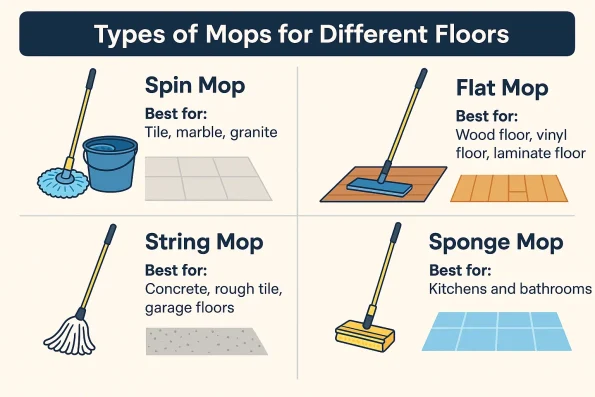
Different floors need different cleaners. Using the wrong cleaner can damage your floor’s surface.
Check if the cleaner is safe for your floor type. Common floor materials include wood, tile, vinyl, and laminate.
- Wood floors need gentle, pH-neutral cleaners
- Tile floors can handle stronger cleaners
- Vinyl floors require non-abrasive products
- Laminate floors need cleaners that avoid excess moisture
Safety For Pets And Children
Homes with pets or children need safe cleaning products. Harsh chemicals can harm them if touched or licked.
Look for cleaners labeled as non-toxic and safe for pets. Avoid strong smells that can irritate sensitive noses.
- Choose natural or plant-based ingredients
- Avoid ammonia, bleach, and strong acids
- Keep cleaners out of reach after use
Ease Of Use And Application
Pick a cleaner that is easy to apply and rinse. This saves time and effort when cleaning floors.
Consider if the cleaner requires dilution or special tools. Ready-to-use products can be more convenient for quick cleaning.
- Spray bottles allow direct application
- Concentrates need mixing with water
- Some cleaners work well with mops or microfiber cloths
Features To Look For
Choosing the right floor cleaner makes cleaning easier and safer. Some features help you pick the best cleaner for your needs.
Look for qualities that keep floors clean, fresh, and safe to walk on. These features matter for every home or workplace.
Antibacterial Properties
Floor cleaners with antibacterial properties kill germs and bacteria. This helps keep your space healthy and reduces illness risks.
Choose cleaners labeled as antibacterial to fight harmful microbes on floors. This is important in kitchens and bathrooms.
Fragrance And Scent
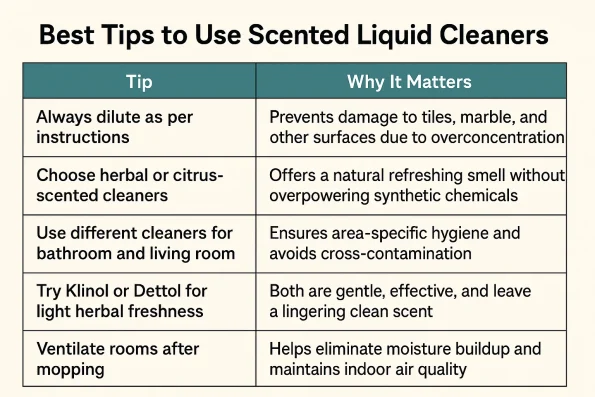
The scent of a floor cleaner affects how your home smells after cleaning. Pick a fragrance that you find pleasant and not too strong.
Some cleaners have natural scents, while others use artificial fragrances. Choose one that suits your preference and does not cause allergies.
Non-slip Formulation
Non-slip floor cleaners help prevent slips and falls. They leave floors safe to walk on even when wet.
Look for cleaners that mention non-slip or anti-slip formulas. These are good for homes with children or elderly people.
Top Brands And Products
Choosing the right floor cleaner can make cleaning easier and keep floors looking good. Different brands offer products for various needs and budgets.
This guide covers popular brands, budget-friendly options, and eco-conscious choices to help you find the best cleaner for your floors.
Popular Market Leaders
Top brands have proven products trusted by many users. They offer reliable cleaning power and good coverage for many floor types.
- Brand A: Known for strong cleaning and fresh scent.
- Brand B: Offers multi-surface cleaners with quick drying.
- Brand C: Specializes in hardwood floor care.
- Brand D: Provides streak-free cleaning for tiles.
Budget-friendly Options
Affordable floor cleaners help keep your floors clean without spending too much. They often come in larger sizes for better value.
| Product | Price Range | Suitable Floor Types |
|---|---|---|
| CleanMax Basic | $5 – $8 | Vinyl, Tile |
| ShinyHome Saver | $6 – $9 | Laminate, Hardwood |
| FreshFloor Economy | $4 – $7 | Tile, Stone |
Eco-conscious Selections
Eco-friendly floor cleaners use natural ingredients. They reduce harm to the environment and keep your home safe for children and pets.
- GreenClean Organic: Made with plant-based ingredients.
- PureNature Floor Wash: Biodegradable and scent-free.
- EcoFloor Fresh: Contains no harsh chemicals or dyes.
Diy Floor Cleaner Recipes
Cleaning floors can be simple and safe with homemade cleaners. You can make your own floor cleaner using natural ingredients.
These DIY recipes are easy to prepare and work well on many floor types. Try these options to keep your floors clean and fresh.
Vinegar-based Solutions
Vinegar is a natural cleaner that removes dirt and grime. It works well on tile, vinyl, and hardwood floors.
Mix vinegar with water for a simple and effective floor cleaner. Avoid vinegar on stone floors like marble or granite.
- 1 cup white vinegar
- 1 gallon warm water
- Optional: a few drops of dish soap for extra cleaning power
Essential Oil Combinations
Adding essential oils to your floor cleaner gives a pleasant smell. Some oils also have antibacterial properties.
Use oils like lavender, tea tree, or lemon for fresh scents and extra cleaning benefits.
- 1 gallon warm water
- 1/2 cup white vinegar or castile soap
- 10 drops lavender or tea tree oil
- 10 drops lemon oil
Baking Soda Blends
Baking soda helps scrub and remove stains without scratching floors. It also neutralizes odors well.
Mix baking soda with water and a mild soap for a gentle cleaner. Use it on ceramic or vinyl floors.
- 1/4 cup baking soda
- 1 gallon warm water
- 1 teaspoon liquid dish soap
Tips For Effective Cleaning
Choosing the right floor cleaner is important for a clean and safe home. Using the cleaner correctly helps protect your floors.
Follow simple steps to get the best results and keep your floors looking great for longer.
Proper Dilution Ratios
Always read the label to know how much cleaner to mix with water. Too much cleaner can leave residue. Too little may not clean well.
| Floor Type | Cleaner to Water Ratio |
| Wood | 1:20 |
| Tile | 1:10 |
| Vinyl | 1:15 |
Correct Cleaning Techniques
Use the right tools and methods to avoid damage and get floors clean. Soft mops work well on delicate floors.
- Sweep or vacuum before mopping
- Use a damp mop, not soaking wet
- Clean in small sections for better control
- Rinse mop often to avoid spreading dirt
- Let floors dry completely before walking on them
Regular Maintenance Advice
Keep floors looking new by cleaning regularly and protecting them from damage.
Maintenance Tips:
- Clean spills immediately to avoid stains
- Use rugs in high-traffic areas
- Trim pet nails to prevent scratches
- Avoid harsh chemicals and abrasive tools
- Schedule deep cleaning every few months
Avoiding Common Mistakes
Choosing the right floor cleaner is important for a clean and safe home. Many people make mistakes that harm their floors or waste product.
Learn about common errors to avoid when using floor cleaners. This helps keep floors shiny and lasting longer.
Overusing Product
Using too much floor cleaner does not clean better. It can leave sticky residue and damage the floor finish.
Follow the amount suggested on the label. A small amount is often enough to clean large areas.
- Overuse causes slippery floors
- Leaves streaks and film on surfaces
- Wastes money and product
- May damage floor material over time
Ignoring Manufacturer Instructions
Each floor cleaner has special instructions. Ignoring them can cause damage or reduce cleaning power.
Read the label carefully before use. Follow directions about dilution, application, and safety precautions.
- Dilute cleaners as directed
- Use recommended tools like mop or cloth
- Note if cleaner suits your floor type
- Follow safety advice to protect skin and eyes
Neglecting Test Patches
Some floor cleaners may cause discoloration or damage. Test a small area first to avoid problems.
Apply cleaner on a hidden spot. Wait to see if there are any changes before cleaning the whole floor.
- Check for color fading or darkening
- Look for surface damage or dullness
- Test helps choose the safest cleaner
- Saves time and repair costs later
Credit: droliachemicalworks.com
Frequently Asked Questions
What Factors Should I Consider When Choosing A Floor Cleaner?
Consider your floor type, cleaning frequency, and any allergies. Also, check for chemical safety and effectiveness on dirt and stains.
Are Natural Floor Cleaners Effective For All Surfaces?
Natural cleaners work well on many surfaces but may struggle with tough stains. Always test on a small area first to ensure compatibility.
How Often Should I Use A Floor Cleaner?
Use a floor cleaner weekly for regular maintenance. High-traffic areas might need more frequent cleaning to keep floors spotless.
Can The Wrong Cleaner Damage My Floors?
Yes, using the wrong cleaner can cause discoloration or wear. Always select cleaners designed for your specific floor type.
Conclusion
Choosing the right floor cleaner helps keep your floors clean and safe. Think about your floor type before buying any cleaner. Always check the label for proper use and ingredients. A good cleaner saves time and protects your floors. Clean floors make your home look fresh and inviting.
Take your time to pick a product that fits your needs. Clean well, stay safe, and enjoy your shiny floors every day.