
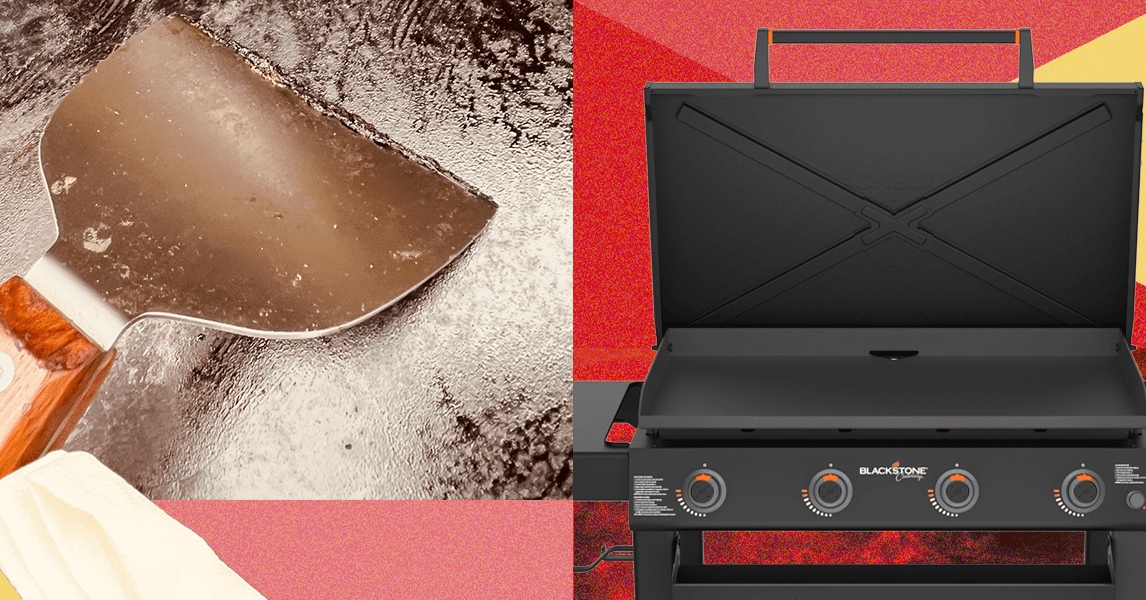
Are you ready to take your cooking skills to the next level? Learning how to use a griddle properly can transform the way you prepare meals.
Whether you want crispy pancakes, perfectly seared steaks, or grilled veggies with that ideal char, the griddle is your secret weapon. But if you don’t know the right techniques, you might end up with uneven cooking or food sticking to the surface.
You’ll discover simple, effective tips that make cooking on a griddle easy and enjoyable. Keep reading, and you’ll soon master the art of griddle cooking like a pro.
Credit: www.youtube.com
Choosing The Right Griddle
Picking the right griddle makes cooking easier and more fun. You need a griddle that fits your kitchen and cooking style.
Think about how often you cook and the types of food you want to prepare. This helps you choose the best griddle for your needs.
Electric Vs. Stovetop Options
Electric griddles heat evenly and have temperature controls. They plug into an outlet and work on any surface.
Stovetop griddles sit on your burner. They heat quickly and use your stove’s heat source.
- Electric griddles have flat surfaces with adjustable heat
- Stovetop griddles depend on your stove’s heat settings
- Electric options are easy to move and store
- Stovetop griddles can be used on gas or electric burners
Size And Material Considerations
Choose a griddle size that fits your cooking space and family size. Larger griddles cook more food but need more storage.
Materials affect how well the griddle cooks and cleans. Common materials include cast iron, aluminum, and non-stick surfaces.
- Cast iron holds heat well and lasts long
- Aluminum heats fast and is lightweight
- Non-stick surfaces prevent food from sticking
- Bigger griddles work better for cooking for groups
- Smaller griddles save space and are easy to clean
Seasoning Your Griddle
Seasoning your griddle is important to keep it working well. It helps stop food from sticking and protects the metal.
Proper seasoning creates a smooth, non-stick surface. This makes cooking easier and cleaning faster.
Initial Seasoning Process
Start by cleaning your new griddle with warm water and a soft cloth. Do not use soap or harsh cleaners.
Dry the griddle completely. Heat it on medium until it is hot. Apply a thin layer of cooking oil over the surface.
- Use oils like vegetable, flaxseed, or canola oil
- Spread oil evenly with a cloth or paper towel
- Heat the griddle for about an hour to let the oil soak in
- Let the griddle cool down naturally
Maintaining The Seasoning Layer
After cooking, clean the griddle with warm water and a soft brush. Avoid soap to keep the seasoning intact.
Dry the griddle well. Apply a light coat of oil before storing it. This stops rust and keeps the surface smooth.
- Remove food bits gently with a scraper or brush
- Never soak the griddle in water
- Re-season if the surface looks dull or sticky
- Store in a dry place with oil applied
Preheating Techniques
Preheating a griddle is important for cooking food evenly. It helps avoid cold spots and sticking.
Using the right preheating method saves time and improves your cooking results.
Time And Temperature Guidelines
Set the griddle to medium heat before cooking. This gives good heat without burning food.
Let the griddle heat for 5 to 10 minutes. This time depends on the griddle size and type.
- Electric griddles: usually 5 to 7 minutes
- Cast iron griddles: 8 to 10 minutes
- Gas griddles: 5 to 8 minutes
Testing For Even Heat Distribution
Check if the griddle heats evenly before cooking. Uneven heat can cause burnt or raw spots.
Use simple tests to find hot and cool areas on the surface.
- Sprinkle a few drops of water on the griddle.
- Watch how the drops behave: they should sizzle and evaporate quickly.
- Moves or dances mean hot spots; no movement means cool spots.
- You can also use an infrared thermometer for precise checks.
Cooking On A Griddle
A griddle is a flat cooking surface that heats evenly. It works great for cooking many foods quickly.
To use a griddle properly, you need to know what foods cook best and avoid common mistakes. This helps you get tasty results every time.
Best Foods To Cook
Griddles are perfect for cooking foods that need even heat and a flat surface. Some foods cook better than others on a griddle.
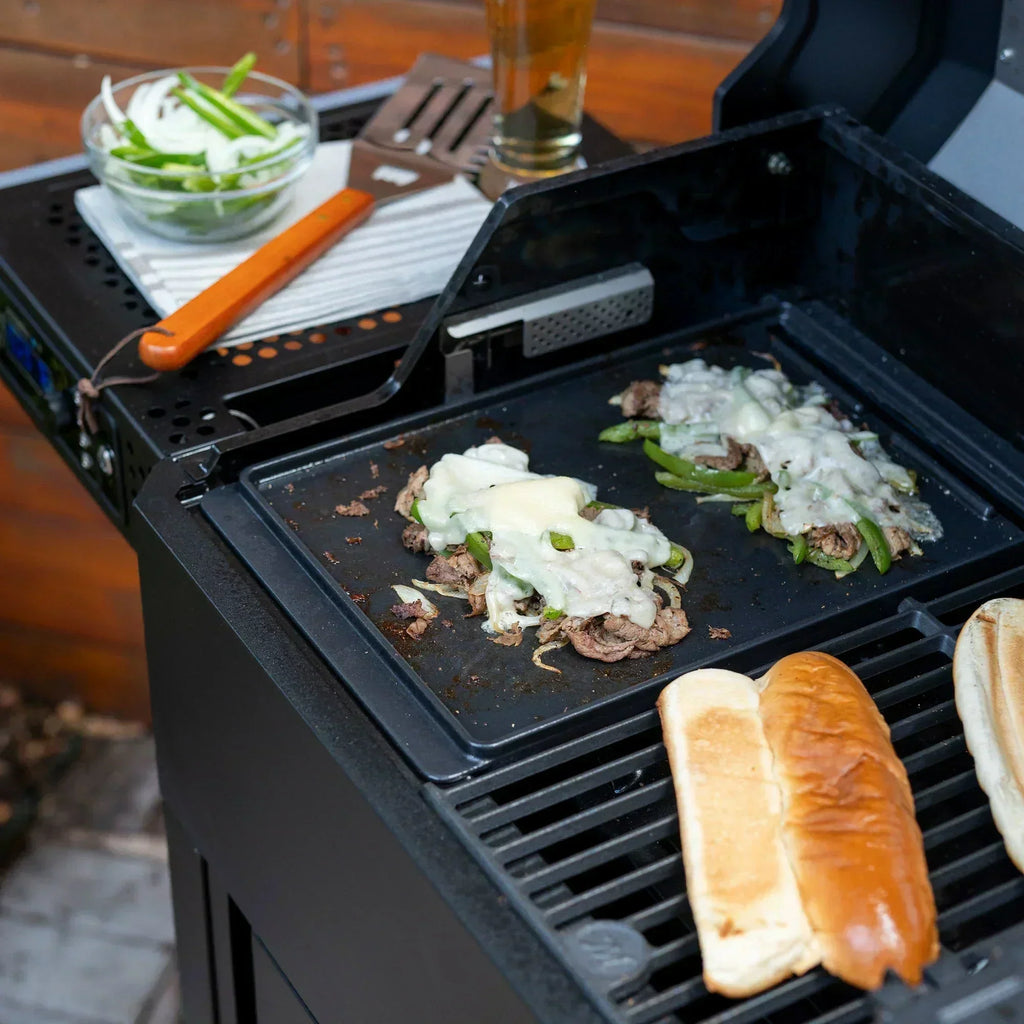
- Pancakes and French toast cook evenly and get a nice crust.
- Burgers and sausages brown well on the flat surface.
- Vegetables like peppers and onions roast quickly.
- Eggs fry without sticking when the griddle is heated right.
- Sandwiches and quesadillas toast evenly and melt fillings nicely.
Avoiding Common Mistakes
Many people make simple errors when using a griddle. Avoid these to cook better food and keep your griddle in good shape.
| Mistake | How to Avoid |
| Not preheating the griddle | Always heat the griddle before adding food |
| Using too much oil | Apply a thin layer of oil to prevent sticking |
| Overcrowding the surface | Cook in batches to keep heat even |
| Not cleaning after use | Wipe and season the griddle after cooking |
| Cooking on too high heat | Use medium heat to avoid burning food |
Temperature Control
Using a griddle properly means controlling its temperature well. This helps cook food evenly and avoid burning.
Good temperature control keeps your food tasty and safe to eat. Let’s look at how to manage heat on a griddle.
Adjusting Heat Levels
Most griddles have heat controls for different cooking needs. You can set low, medium, or high heat depending on the food.
Start with medium heat to warm the griddle. Raise or lower the heat as needed while cooking.
- Use low heat for foods that cook slowly, like eggs or pancakes.
- Use medium heat for foods that need steady cooking, like bacon or grilled vegetables.
- Use high heat for quick searing, like steaks or burgers.
Using A Thermometer
A thermometer helps check the griddle’s surface temperature. This ensures the griddle is at the right heat for your food.
Place the thermometer on the griddle surface before cooking. Adjust the heat if the temperature is too low or high.
- 120-140°F (49-60°C) is good for warming or melting.
- 300-350°F (149-177°C) works for most cooking.
- 400-450°F (204-232°C) is for searing or fast cooking.

Credit: www.wired.com
Cleaning And Maintenance
Keeping your griddle clean is important for good food and long use. Dirt and grease can build up fast if you do not clean it well.
Regular cleaning helps the griddle work better and stay safe. Follow these tips to keep your griddle in top shape.
Daily Cleaning Routine
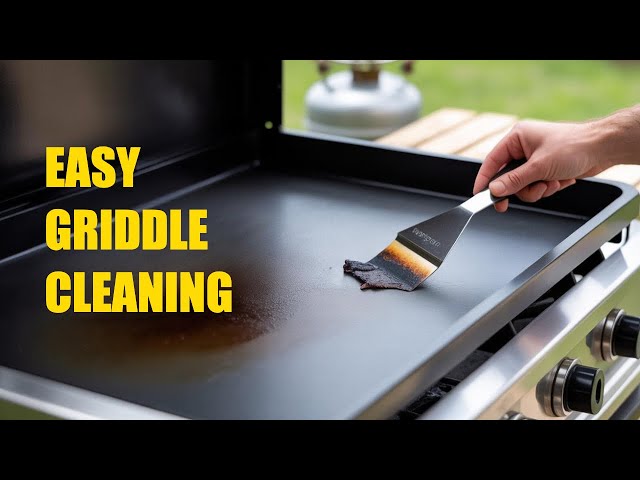
After each use, clean the griddle while it is still warm but not hot. This stops food from sticking and makes cleaning easier.
- Turn off the heat and let the griddle cool slightly.
- Use a scraper to remove food bits and grease.
- Wipe the surface with a damp cloth or sponge.
- Dry the griddle with a clean towel to stop rust.
- Empty and clean the grease trap regularly.
Deep Cleaning Tips
Deep cleaning is needed weekly or after heavy use. It removes stuck-on grime and keeps your griddle working well.
| Cleaning Step | Instructions |
|---|---|
| Cool Down | Let the griddle cool completely before deep cleaning. |
| Use Hot Water and Soap | Apply hot soapy water and scrub with a non-abrasive pad. |
| Rinse | Rinse with clean water to remove soap and residue. |
| Dry | Wipe dry with a soft cloth to prevent rust. |
| Season the Surface | Apply a thin layer of cooking oil to protect the griddle. |
Safety Tips
Using a griddle is great for cooking many meals. It is important to stay safe while cooking. Safety helps prevent injuries and accidents.
This guide covers key safety tips for using a griddle. Follow these tips to avoid burns and handle grease safely.
Avoiding Burns
Griddles get very hot. Touching the surface or hot oil can cause burns. Always keep your hands and face safe.
- Wear heat-resistant gloves when cooking.
- Use long-handled tools to flip and move food.
- Keep children and pets away from the cooking area.
- Turn off the griddle when not in use.
- Do not leave the griddle unattended while hot.
Handling Grease Safely
Grease on a griddle can catch fire if not handled right. Clean and manage grease to keep cooking safe.
| Tip | Reason |
| Clean grease after each use | Prevents grease buildup that can ignite |
| Use a grease trap or container | Collects grease safely for disposal |
| Never pour water on grease fires | Water can cause grease to spread and worsen fire |
| Keep a fire extinguisher nearby | For quick response to grease fires |
| Wear an apron to protect clothes | Prevents grease stains and burns on skin |
Credit: www.masterbuilt.com
Expert Cooking Tips
Using a griddle properly can improve your cooking experience. It helps cook food evenly and brings out great flavors.
These expert tips focus on improving your cooking techniques and enhancing the taste of your meals.
Improving Cooking Techniques
Start by preheating your griddle well. This ensures even heat across the surface. Use the right oil to prevent sticking and add flavor.
- Preheat the griddle to medium-high heat before cooking.
- Lightly oil the surface with high smoke point oil like canola or vegetable oil.
- Avoid overcrowding the griddle to let food cook evenly.
- Use a spatula to flip food gently to keep its shape.
- Clean the griddle after each use to remove food residue.
Enhancing Flavors
Season your food before placing it on the griddle. Experiment with herbs and spices to add depth to your dishes.
| Seasoning | Flavor Effect |
| Salt | Brings out natural flavors |
| Black Pepper | Adds mild heat |
| Garlic Powder | Gives a rich, savory taste |
| Smoked Paprika | Adds a smoky aroma |
| Fresh Herbs (e.g., thyme, rosemary) | Brightens the dish |
Frequently Asked Questions
How Do I Season A Griddle Before First Use?
Season your griddle by applying a thin layer of cooking oil. Heat it on medium for 15 minutes. This creates a non-stick surface and prevents rust. Repeat if necessary for best results.
What Temperature Is Best For Cooking On A Griddle?
Medium heat, around 350°F to 375°F, is ideal. It evenly cooks food without burning. Adjust temperature based on the food type for perfect results.
How Do I Clean A Griddle After Cooking?
Let the griddle cool slightly, then scrape off food residue. Wipe with a damp cloth and mild soap if needed. Dry it thoroughly to prevent rust.
Can I Use Metal Utensils On A Griddle?
Yes, most griddles are durable enough for metal utensils. However, avoid excessive scraping to protect the seasoning layer. Use silicone or wooden tools for delicate surfaces.
Conclusion
Using a griddle properly makes cooking easier and more fun. Keep the surface clean and heat it evenly. Use the right tools to avoid scratches and burns. Cook food at the right temperature for the best taste. Remember to let the griddle cool before cleaning.
With simple care, your griddle will last longer. Enjoy delicious meals every time you cook. Happy cooking!