
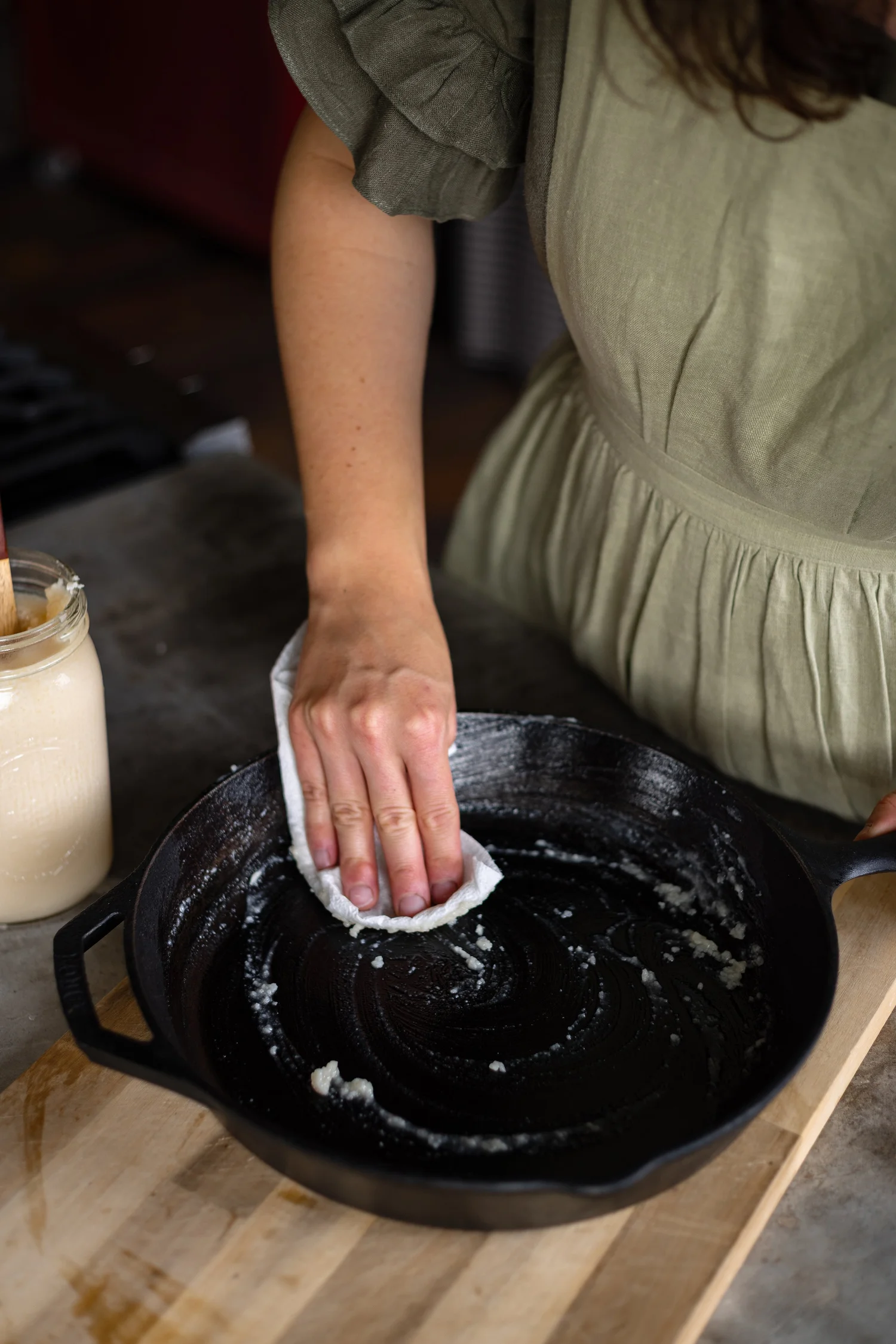
If you own a cast iron skillet, you know it’s more than just a pan—it’s a kitchen powerhouse that can last a lifetime. But to keep it performing at its best, you need the right care.
Imagine cooking with a skillet that never sticks, heats evenly, and adds rich flavor to every meal. Sounds great, right? You’ll discover simple, effective ways to maintain your cast iron skillet. By following these easy steps, you’ll protect your investment and enjoy better cooking results every time.
Ready to make your skillet last and shine like new? Let’s dive in.
Benefits Of Cast Iron Skillets
Cast iron skillets have been used in kitchens for hundreds of years. They offer many benefits for cooking and food preparation.
These skillets are strong, last a long time, and can cook many types of food well.
Durability And Longevity
Cast iron skillets are very tough. They do not break or bend easily. With proper care, they can last for decades.
Many families pass down cast iron skillets to the next generation because they stay useful for many years.
Even Heat Distribution
Cast iron heats evenly and keeps heat well. This helps food cook more uniformly and reduces hot spots.
The skillet stays hot even after removing it from the stove, making it great for searing and frying.
Versatile Cooking Tool
You can use cast iron skillets on many heat sources. They work on gas, electric, and induction stovetops.
They also go in the oven, on the grill, or even over a campfire. This makes them very flexible for cooking.
Natural Non-stick Surface
When properly seasoned, cast iron skillets develop a natural non-stick surface. This means less oil is needed for cooking.
The non-stick layer improves with use and helps food release easily from the pan.
Adds Iron To Your Food
Cooking with cast iron can add small amounts of iron to your food. Iron is an important mineral for health.
This benefit may help people who need more iron in their diet.
Cost-effective Kitchen Tool
Cast iron skillets are often cheaper than other high-quality pans. They offer great value for the price.
Because they last a long time, you do not need to replace them often. This saves money in the long run.
Initial Setup For New Skillets
Cast iron skillets need special care before you use them. Setting them up right keeps them strong and non-stick.
This guide shows you how to prepare a new skillet for cooking by seasoning it properly.
Pre-seasoning Requirements
Before seasoning, clean your skillet to remove factory oils and dust. Use warm water and a small amount of soap.
Dry the skillet completely with a towel or heat it on the stove to evaporate all moisture.
Tools Needed For Seasoning
You need a few simple tools to season your skillet. These tools help spread oil and heat the pan evenly.
- Cast iron skillet
- Cooking oil with a high smoke point (like vegetable or flaxseed oil)
- Clean cloth or paper towels
- Oven or stovetop
- Oven mitts for safety
Step-by-step Seasoning Process
Seasoning builds a protective layer on your skillet. Follow these steps carefully for best results.
- Preheat your oven to 450°F (230°C).
- Apply a thin layer of oil all over the skillet, inside and outside.
- Use a clean cloth or paper towel to wipe off extra oil so the pan looks almost dry.
- Place the skillet upside down on the oven’s middle rack.
- Put a baking sheet or foil on the lower rack to catch drips.
- Bake the skillet for one hour.
- Turn off the oven and let the skillet cool inside.
- Your skillet is now ready for cooking and will improve with use.
Daily Use And Maintenance
Cast iron skillets last many years with the right care. Using and cleaning them daily keeps them in top shape. Simple habits help keep your pan nonstick and rust-free.
Learn how to heat, cook, and clean your skillet properly. These tips make cooking easier and protect your cast iron.
Proper Heating Techniques
Heat your cast iron skillet slowly and evenly. Avoid sudden high heat to prevent warping or cracking. Preheat on low to medium heat for a few minutes before cooking.
- Place skillet on burner and start with low heat
- Wait 5 minutes before raising heat higher
- Use medium heat for most cooking tasks
- Avoid empty skillet on high heat
- Let skillet cool down naturally after cooking
Cooking Dos And Don’ts
Follow simple rules to protect your skillet’s seasoning. Use oils with high smoke points. Avoid acidic foods that can strip seasoning if cooked too long.
| Dos | Don’ts |
| Use vegetable or canola oil | Do not cook very acidic foods often |
| Dry skillet after washing | Avoid soap or harsh detergents |
| Re-season if food sticks | Never soak in water |
| Cook on medium or low heat | Do not put skillet in dishwasher |
Handling Stuck Food
Remove stuck food without damaging the pan’s surface. Use gentle tools and cleaning methods to keep seasoning intact.
- Pour hot water into skillet and let sit for a few minutes
- Use a plastic or wooden spatula to scrape off food
- For tough spots, sprinkle coarse salt and scrub gently
- Rinse and dry skillet immediately after cleaning
- Apply a thin layer of oil after drying

Credit: www.youtube.com
Cleaning Techniques
Cast iron skillets need special care to keep their surface smooth and rust-free. Cleaning them right helps keep their seasoning strong.
Use gentle methods that protect the skillet’s coating and avoid damage. Learn simple ways to clean and store your skillet well.
Avoiding Soap And Detergents
Soap and detergents can strip the seasoning on your cast iron skillet. This makes it more likely to rust and lose its non-stick surface.
Instead, rinse your skillet with hot water. Use a brush or sponge without soap to remove food bits.
Effective Scrubbing Methods
Some stuck-on food needs scrubbing. Use tools that clean without harming the skillet.
- Use a stiff nylon brush or non-metal scrubber
- For tough spots, sprinkle coarse salt and scrub gently
- A plastic scraper can help remove stuck food
- Avoid steel wool or metal brushes to protect seasoning
Drying And Storing Tips
Drying your skillet fully stops rust from forming. Storing it well keeps it ready for the next use.
| Drying Method | Storage Tip |
| Heat skillet on stove until water evaporates | Store in a dry place with a paper towel inside |
| Wipe with a dry cloth right after washing | Keep skillet uncovered or loosely covered |
| Apply a thin layer of oil after drying | Stack skillets with paper towels between them |
Regular Re-seasoning
Cast iron skillets need regular care to stay non-stick and rust-free. Re-seasoning your skillet helps keep its surface smooth and ready for cooking.
Seasoning builds a protective layer of oil that prevents damage. Over time, this layer wears off and needs to be refreshed.
Signs Your Skillet Needs Re-seasoning
Watch for these signs that show your skillet needs re-seasoning. They help you know when to care for your pan again.
- Food starts to stick more than usual
- The surface looks dull or dry
- Rust spots appear on the skillet
- Flaking or chipping of the seasoning layer
- Uneven color or patches on the cooking surface
Oil Selection For Re-seasoning
Choosing the right oil is key for good seasoning. Use oils that create a strong, durable coating on your skillet.
Oils with a high smoke point work best. They bake into the iron without burning quickly.
- Flaxseed oil – dries hard and lasts long
- Canola oil – easy to find and affordable
- Grapeseed oil – high smoke point and neutral taste
- Vegetable oil – common and works well
- Avocado oil – high smoke point and healthy
Re-seasoning Process
Start by cleaning your skillet well. Remove old food and rust with hot water and a stiff brush.
Dry the skillet completely before applying oil. Use a thin layer of your chosen oil on all surfaces.
- Preheat your oven to 450°F (230°C)
- Place the oiled skillet upside down on the oven rack
- Put a foil sheet on the lower rack to catch drips
- Bake for one hour to let the oil bond to the pan
- Turn off the oven and let the skillet cool inside
Repeat the oiling and baking steps 2 to 3 times for a strong seasoning layer. Your skillet will be ready for cooking again.

Credit: www.procook.co.uk
Preventing And Treating Rust
Cast iron skillets are durable and last many years. Rust can damage them and reduce their lifespan.
Knowing how to prevent and treat rust keeps your skillet in top shape. This guide helps you care for your cast iron.
Causes Of Rust Formation
Rust forms when cast iron meets water and air. Moisture causes iron to oxidize and weaken the skillet.
Other causes include not drying the skillet well and storing it in humid places. Cooking acidic foods can also strip the skillet’s protective layer.
- Exposure to water or moisture
- Incomplete drying after washing
- Storing in damp environments
- Cooking acidic foods often
Rust Removal Techniques
Remove rust quickly to stop damage. Scrub the rust with a steel wool pad or a scrub brush.
After scrubbing, wash the skillet with warm water and dry it completely. Re-season the skillet to restore its protective coating.
- Use steel wool or scrub brush to scrub rust
- Wash skillet with warm water
- Dry skillet thoroughly
- Apply oil and heat to re-season
Preventative Measures
Keep your skillet dry after each use. Wipe off water and heat it on the stove to remove moisture.
Apply a thin layer of cooking oil to the surface to protect it from air and water. Store the skillet in a dry place.
- Dry skillet thoroughly after washing
- Heat skillet briefly to remove moisture
- Apply a thin coat of cooking oil
- Store in a dry, well-ventilated area
Long-term Storage Solutions
Cast iron skillets last a long time if you care for them well. Proper storage keeps them safe from rust and damage. This guide shares tips for storing your skillet for a long time.
Good storage stops moisture and dust from harming the skillet. It also keeps the seasoning layer strong. Use these tips to keep your cast iron skillet ready for use anytime.
Seasonal Storage Tips
Seasonal changes can affect your cast iron skillet. Store it differently in summer and winter to protect it well. Cleaning and oiling before storage help keep the skillet in good shape.
Wrap your skillet in a soft cloth or paper towel. This keeps dust off and stops scratches. Store it in a dry cabinet or shelf away from heat sources.
- Clean and dry the skillet thoroughly
- Apply a thin layer of cooking oil
- Wrap with breathable cloth or paper towel
- Keep in a dry, cool place
- Avoid stacking heavy items on top
Avoiding Moisture Damage
Moisture causes rust on cast iron skillets. Avoid storing your skillet where it can get wet or humid. Moisture weakens the skillet’s seasoning and metal.
Use moisture absorbers like silica gel packs in the storage area. Also, keep the skillet dry after every use. If you see rust, scrub it off and re-season the skillet.
- Dry skillet completely before storage
- Store in a dry, well-ventilated place
- Use silica gel packs or moisture absorbers
- Check skillet regularly for rust
- Re-season if rust appears

Credit: www.reddit.com
Common Mistakes To Avoid
Cast iron skillets last a long time when cared for properly. Many people make simple mistakes that damage their pans. Avoiding these errors helps keep your skillet non-stick and rust-free.
Understanding the right cleaning and seasoning methods prevents problems. Learn the most common mistakes and how to fix them.
Missteps In Cleaning
Using harsh soaps or scrubbing too hard can ruin the skillet’s seasoning. Soap removes the oil layer that protects the pan. Scrubbing with steel wool can scratch the surface.
Leaving the skillet wet causes rust. It is important to dry it immediately and thoroughly after washing.
- Do not soak the skillet in water
- Avoid using strong dish soap
- Use a soft sponge or brush for cleaning
- Dry the skillet completely after washing
- Apply a thin layer of oil after drying
Improper Seasoning Practices
Seasoning is the layer of oil baked onto the skillet to keep food from sticking. Skipping this step or seasoning at the wrong temperature can cause problems.
Using too much oil creates sticky spots. Not heating the pan long enough can leave the seasoning weak. It is best to apply a thin, even coat and bake the skillet properly.
- Do not use too much oil when seasoning
- Apply oil evenly on all surfaces
- Bake at a high temperature (around 450°F)
- Heat the skillet long enough for the oil to bond
- Repeat seasoning regularly to maintain the surface
Frequently Asked Questions
How Do I Clean A Cast Iron Skillet Properly?
Clean your cast iron skillet with warm water and a brush. Avoid soap or harsh detergents to preserve seasoning. Dry it thoroughly and apply a light oil coat to prevent rusting. Never soak your skillet to maintain its quality and longevity.
How Often Should I Season My Cast Iron Skillet?
Season your cast iron skillet every few months or when food starts sticking. Apply a thin layer of cooking oil and bake at 350°F for an hour. Regular seasoning keeps the skillet non-stick and rust-free, enhancing its cooking performance.
Can I Put A Cast Iron Skillet In The Dishwasher?
No, never put your cast iron skillet in the dishwasher. Dishwashers strip the skillet’s seasoning and cause rust. Hand wash with warm water and dry immediately to maintain its seasoning and durability.
What Oils Are Best For Seasoning Cast Iron Skillets?
Use oils with high smoke points like flaxseed, vegetable, or canola oil. These oils create a durable, non-stick seasoning layer. Avoid butter or olive oil as they can become sticky or rancid over time.
Conclusion
Cast iron skillets last longer with regular care and simple steps. Clean them gently after each use to keep the seasoning strong. Dry the skillet well to stop rust from forming. Apply a thin layer of oil for protection and shine.
Store in a dry place to keep it ready for your next meal. Small efforts bring big results. Enjoy cooking with your well-maintained cast iron skillet every time.